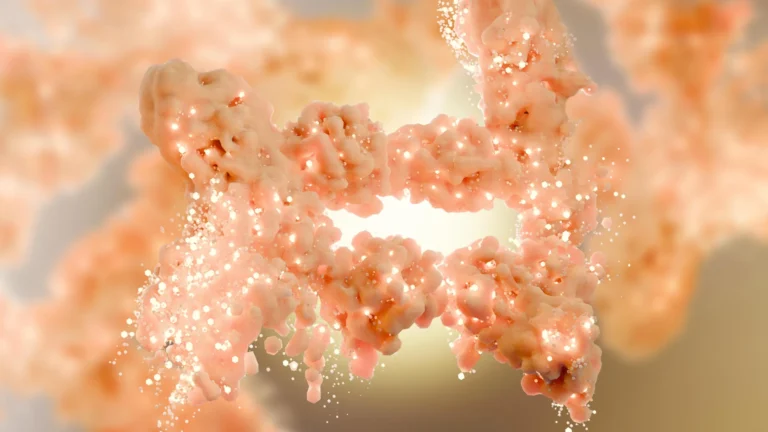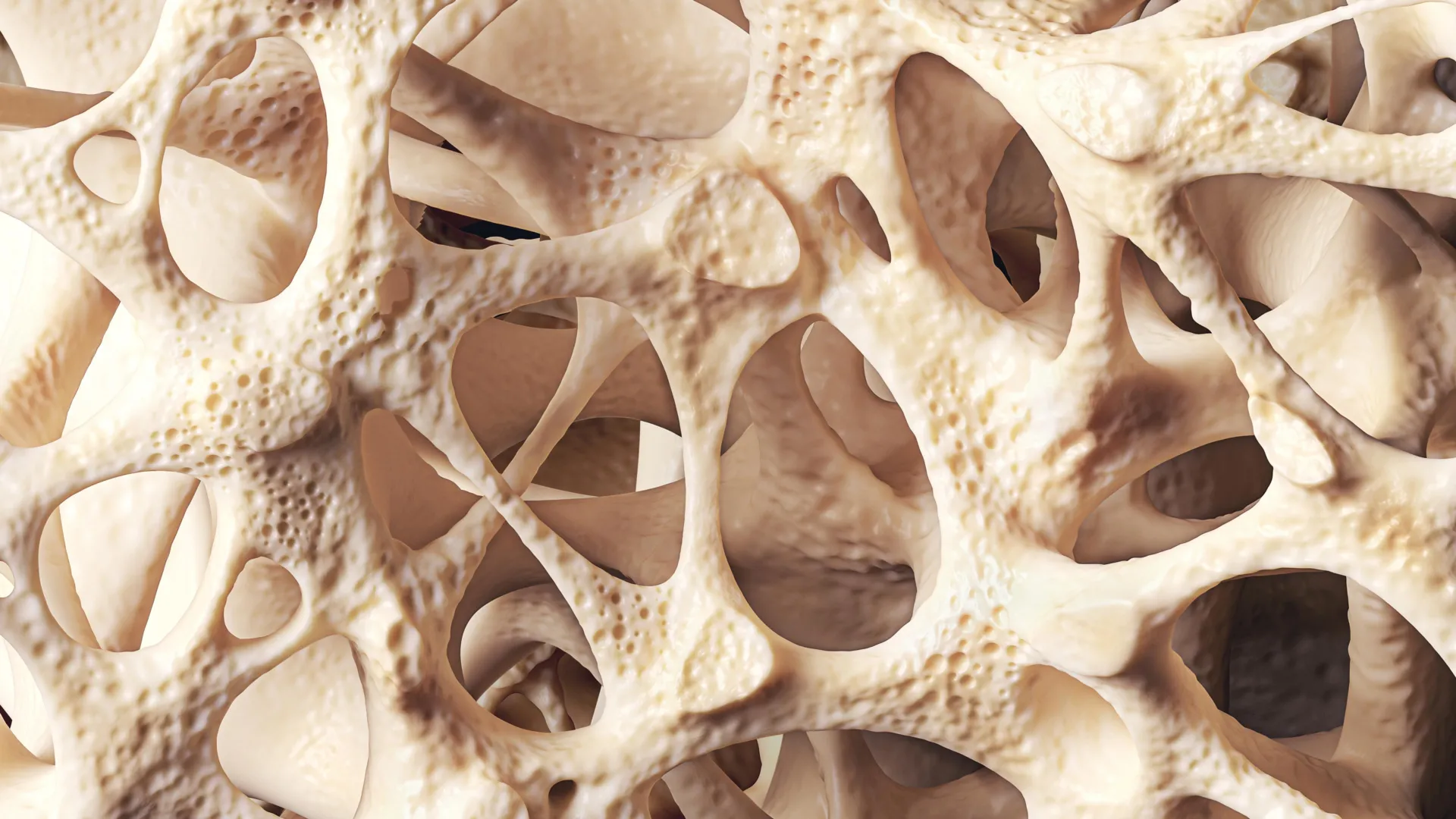
Across the globe, a silent health crisis is unfolding beneath the surface of our skin. It does not announce itself with pain or swelling; instead, it progresses quietly, often remaining undetected until the sudden, life-altering sound of a bone snapping. This condition is known as osteopenia—a state of reduced bone mineral density that now affects an estimated 40% of the adult population worldwide.
As life expectancy increases, the burden of bone-related conditions has become a primary challenge for modern healthcare systems. In the United Kingdom alone, low bone density is the underlying culprit in more than 500,000 fractures annually. Despite these staggering figures, osteopenia remains a frequently under-recognized public health issue, often overshadowed by its more advanced counterpart, osteoporosis.
The Biology of Bone: A Dynamic Balancing Act
To understand osteopenia, one must first understand that bone is not a static, inert structure. It is a highly active, dynamic tissue that undergoes a continuous, lifelong process known as bone remodeling. In this intricate biological cycle, the body performs a delicate dance between two primary cellular processes: resorption, where specialized cells break down old or damaged bone tissue, and formation, where new bone is synthesized to replace it.
During our formative years and early adulthood, these two processes exist in a state of equilibrium. Bone mass steadily climbs, reaching its pinnacle—the "peak bone mass"—typically between the mid-20s and early 30s. This peak is the metaphorical "savings account" for our skeletal health; the higher the density achieved during this window, the more protection an individual has against future bone loss.
However, the biology of aging is unforgiving. Once we move past the peak, the rate of bone resorption begins to subtly outpace the rate of bone formation. This gradual, age-related decline is a natural physiological process, but when it accelerates—due to genetics, hormonal shifts, or lifestyle choices—the skeletal architecture begins to thin, leading to the clinical threshold of osteopenia.
Chronology of Bone Loss: From Peak to Vulnerability
The trajectory of bone health is rarely linear, yet it generally follows a predictable chronology:
- The Development Phase (Childhood to Age 30): The primary focus is the accumulation of mineral density. Nutrition, particularly calcium and vitamin D intake, alongside weight-bearing activity, dictates how high the "peak" will be.
- The Maintenance Phase (Age 30 to 50): For most, this period is characterized by stability. However, early warning signs can appear if external factors, such as chronic inflammation or poor nutrition, interfere with the renewal process.
- The Acceleration Phase (Post-menopause and Age 60+): This is the most critical window. For women, the sharp decline in estrogen production—a hormone that serves as a protective shield for bone tissue—leads to a rapid increase in resorption. It is estimated that one in two women over the age of 50 will suffer a fragility fracture, marking a significant shift in quality of life.
Supporting Data: Why Osteopenia Demands Attention
The clinical definition of osteopenia is determined through a diagnostic tool known as a dual-energy X-ray absorptiometry (DXA) scan. This low-dose X-ray measures bone mineral density (BMD) and provides a T-score. This score is a statistical comparison: it measures how much an individual’s bone density deviates from the average of a healthy young adult.
- T-score of -1.0 or higher: Considered normal bone density.
- T-score between -1.0 and -2.5: Classified as osteopenia.
- T-score of -2.5 or lower: Classified as osteoporosis.
The danger lies in the "silent" nature of the condition. Because osteopenia does not cause pain, many individuals do not seek medical advice until they suffer a fracture. By that point, the structural integrity of the bone has already been significantly compromised. The data is clear: the transition from healthy bone to osteopenia, and eventually to osteoporosis, represents a continuum of risk that can be interrupted with early intervention.
Risk Factors: Beyond the Natural Aging Process
While aging is the inescapable primary driver of bone loss, several "modifiable" and "non-modifiable" factors can catalyze the process:
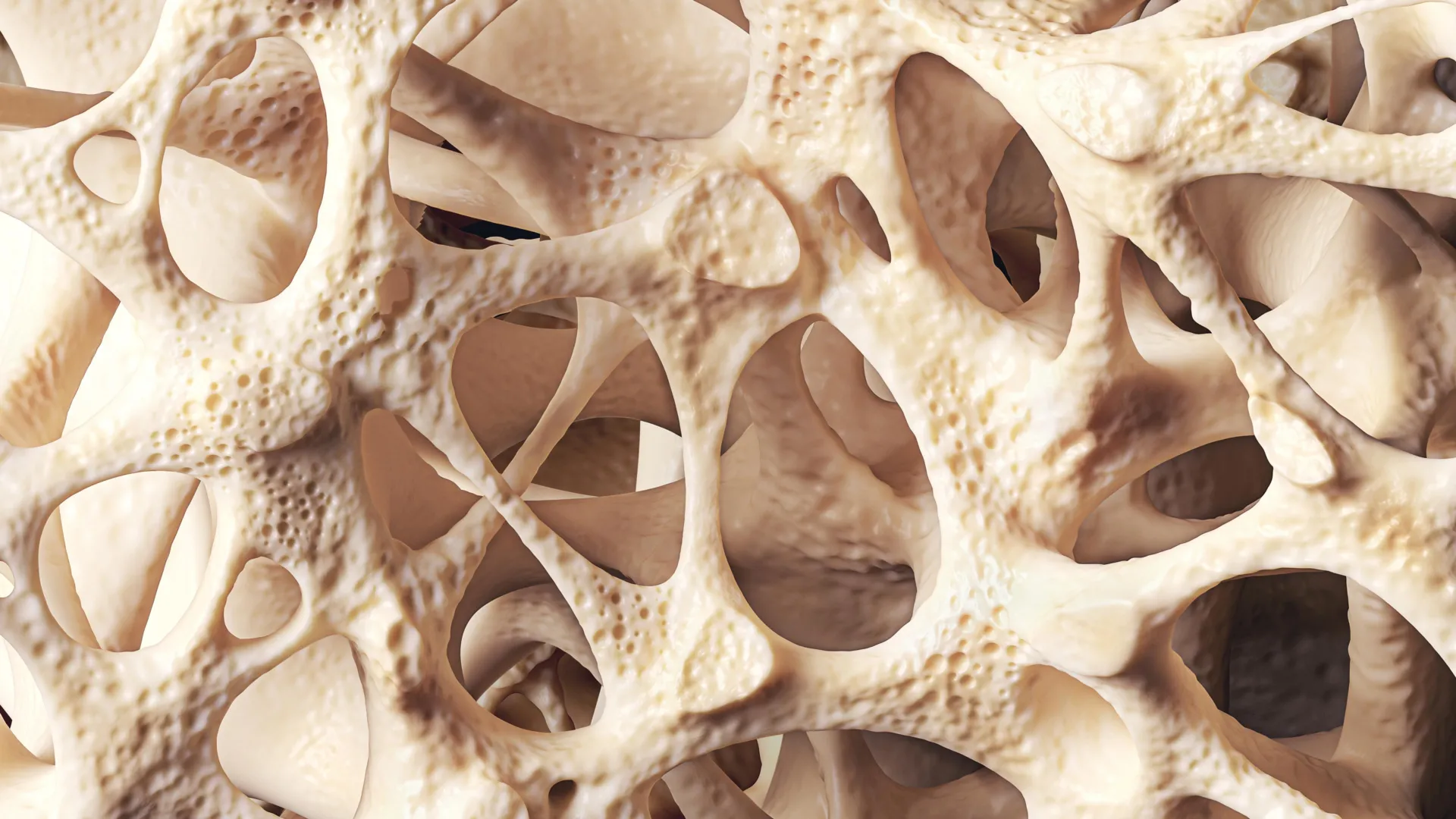
Hormonal and Health-Related Triggers
The role of estrogen cannot be overstated. As the primary hormonal regulator of bone resorption, its post-menopausal decline is the single largest risk factor for women. Furthermore, underlying health conditions such as Crohn’s disease or coeliac disease can impede the absorption of essential nutrients like calcium and vitamin D, effectively starving the bones of the materials they need to maintain density. Long-term use of certain medications, particularly corticosteroids used to treat inflammatory conditions, is also strongly linked to accelerated bone breakdown.
Lifestyle Factors: The Power of Choice
Lifestyle choices exert a profound influence on long-term skeletal strength. Smoking is known to inhibit the body’s ability to absorb calcium, while excessive alcohol consumption can interfere with the bone-building cycle. Physical inactivity is perhaps the most significant lifestyle risk; without the mechanical stress of weight-bearing exercise, the body concludes that bone density is unnecessary and begins to reduce it.
Managing and Reversing the Trend
The medical consensus is clear: osteopenia should be treated as a critical "window of opportunity" rather than a mild diagnosis. It is a warning sign that the body’s skeletal maintenance system is under stress, and it is a point where intervention can be highly effective.
Clinical and Lifestyle Interventions
For many patients, the management of osteopenia does not require pharmaceutical intervention but rather a comprehensive lifestyle overhaul:
- Mechanical Stimulation: Weight-bearing exercises are the gold standard for bone health. Activities like walking, jogging, and dancing place controlled, healthy strain on the skeleton, which triggers the body to fortify bone tissue. Resistance training—lifting weights or using bands—is equally vital, as it builds the muscle mass that protects and supports the bones.
- Fall Prevention: Exercises such as Tai Chi have been proven to enhance balance and proprioception. By reducing the frequency of falls, we reduce the likelihood that thin bones will be subjected to the impact that causes fractures.
- Nutritional Fortification: A diet rich in calcium and vitamin D is non-negotiable. While dairy, leafy greens, and fortified foods are excellent sources, the prevalence of vitamin D deficiency—particularly in regions with limited sunlight like the UK—often necessitates supplementation to ensure optimal absorption.
The Role of Medication
When lifestyle changes are insufficient or when a patient’s ten-year fracture risk assessment (calculated via clinical tools that factor in age, history, and density) indicates high vulnerability, doctors may prescribe medication. Antiresorptive drugs, such as bisphosphonates, work by slowing down the bone-breakdown process, effectively stabilizing bone mass. While traditionally reserved for osteoporosis, their use in high-risk osteopenic patients is becoming a standard preventative strategy to forestall further degradation.
Implications: The Long-Term Perspective
The most vital takeaway from the current clinical landscape is that the progression from osteopenia to osteoporosis is not inevitable. With proactive monitoring, the trajectory of bone health can be altered.
Bone health is a cumulative record of a lifetime’s worth of habits. It is the result of the nutrition we consumed in our youth, the physical activity we maintained in our middle years, and the hormonal changes we navigated as we aged. Because the condition is often invisible, public health awareness must shift toward routine screening for those at risk.
By viewing osteopenia not as a disease, but as a call to action, patients and clinicians can work together to preserve skeletal integrity. Early detection, coupled with a commitment to weight-bearing activity and nutritional vigilance, can stop the silent thief of bone density in its tracks. In many cases, through diligent management, bone density has even been shown to improve, proving that it is never too late to begin investing in the foundation of the human body.
In conclusion, as we look toward a future with an increasingly aging population, the focus must remain on preventative care. By prioritizing bone health today, we can significantly reduce the societal and personal burden of fractures, ensuring that individuals maintain their mobility, independence, and quality of life well into their later years. The strength of our bones is, quite literally, the strength of our future.