For decades, the public health narrative surrounding lung cancer has been tethered to a single, powerful association: tobacco use. While smoking remains the leading cause of lung cancer worldwide—an undeniable fact of modern epidemiology—a shifting trend is demanding urgent attention from the medical community. Researchers are increasingly documenting a troubling surge in cases of lung cancer among individuals who have never touched a cigarette.
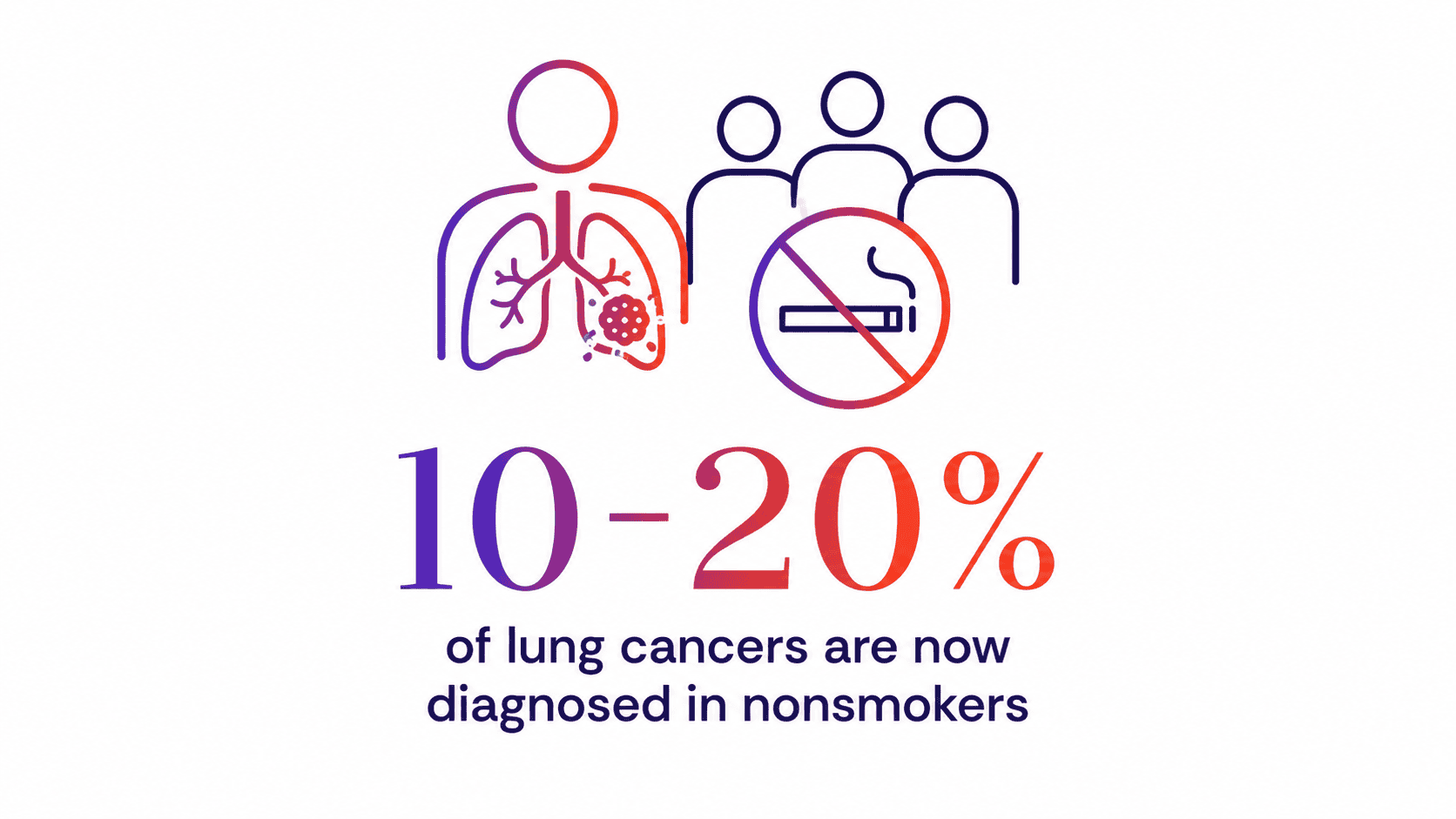
Known in clinical circles as Lung Cancer in Never-Smokers (LCINS), this condition is no longer viewed merely as a statistical outlier. Scientists now classify it as a distinct disease entity, characterized by unique biological drivers, genetic mutations, and clinical presentations that diverge sharply from traditional smoking-related malignancies. With 10% to 20% of all lung cancer diagnoses now occurring in this population, the medical world is recalibrating its understanding of the disease.
Main Facts: A Distinct Biological Entity
The fundamental shift in how we view lung cancer stems from the realization that LCINS is not simply "lung cancer without the smoke." It is a different disease altogether.
Traditional smoking-related lung cancer is defined by the massive accumulation of DNA damage. Years of inhaling thousands of toxic chemicals—including at least 70 known carcinogens—create a high "mutational burden." In contrast, LCINS is typically driven by a smaller, more specific set of genetic mutations. These "driver mutations" act like an ignition switch for tumor growth.
Epidemiologically, the profile of the patient is also distinct. Two-thirds of LCINS cases occur in women, and there is a statistically significant higher prevalence among individuals of Asian descent. This demographic disparity suggests that inherited genetic susceptibility, combined with specific environmental triggers, plays a far more nuanced role than previously understood.
Chronology: The Emergence of a Modern Crisis
The recognition of LCINS as a public health priority has evolved in distinct phases:

- Pre-2000s: Lung cancer was almost exclusively categorized through the lens of tobacco use. Diagnosis in non-smokers was rare and often attributed to "bad luck" or sporadic genetic anomalies.
- 2000–2015: Genomic sequencing technologies began to reveal the "driver mutations" (such as EGFR and ALK) that defined lung cancers in non-smokers, proving they were biologically different from smoking-associated tumors.
- 2015–2023: Global health data began showing a paradoxical trend: while smoking rates in many developed nations declined, the incidence of lung cancer in non-smokers remained stagnant or, in some cohorts, rose.
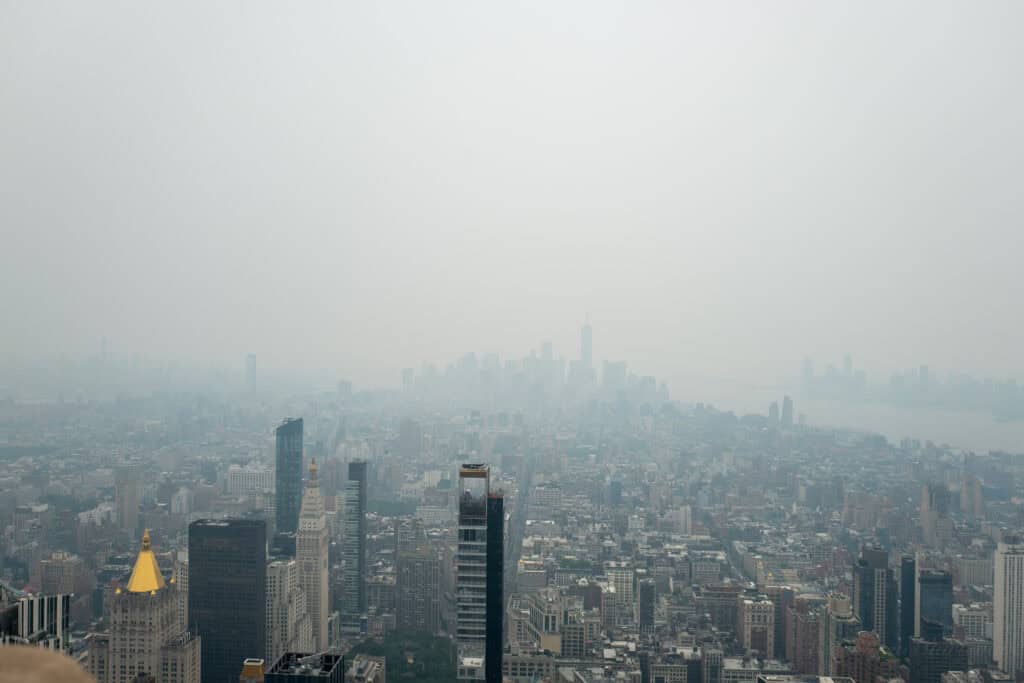
- 2024–2026: Environmental factors, particularly the increase in fine particulate matter (PM2.5) from intensified wildfire seasons, moved to the forefront of clinical research. The 2026 summer wildfire season, which blanketed major metropolitan areas in toxic smog, served as a catalyst for a more rigorous investigation into environmental triggers.
Supporting Data: The Environmental Catalyst
Why are these cases increasing? The answer is likely a "perfect storm" of environmental, genetic, and lifestyle factors.
Secondhand Smoke and Indoor Radon
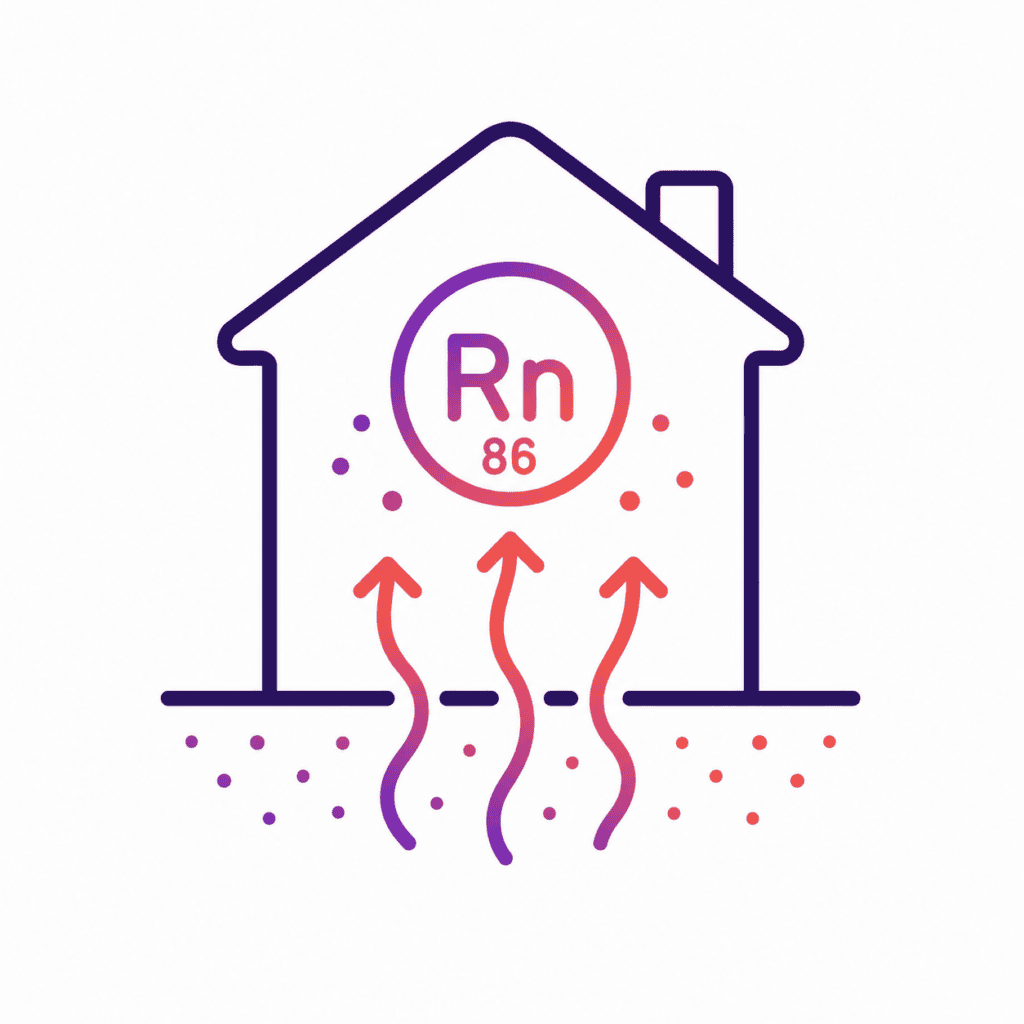
Secondhand smoke contains the same toxic cocktail as primary smoke. Exposure to these 7,000 chemicals is a well-documented cause of cellular damage in non-smokers. However, radon gas is perhaps the most insidious threat. As a naturally occurring radioactive gas resulting from uranium decay, it is colorless, odorless, and tasteless. It is the leading cause of lung cancer among non-smokers, seeping into homes through cracks in foundations. Because it is invisible, many remain unaware of their exposure until it is too late.
Air Pollution and PM2.5
The World Health Organization (WHO) has set a safety benchmark for fine particulate matter (PM2.5) at 5 µg/m³. In many parts of the world, this is a distant dream. In the U.S., average levels hover around 7 µg/m³, while in parts of India and other rapidly industrializing nations, concentrations can exceed 50 µg/m³. These particles are small enough to travel deep into the lung tissue, triggering chronic inflammation and providing the environment where DNA damage can accumulate and persist.
The Wildfire Factor
The increasing frequency of extreme climate events has introduced a new variable. Wildfire smoke is a concentrated source of hazardous particles. The 2026 events in North America, which saw pollution values spike to 175 µg/m³ in the New York City metro area, have forced researchers to consider whether a changing climate is directly accelerating the incidence of respiratory malignancies.

Challenges in Diagnosis and Clinical Recognition
One of the most tragic aspects of LCINS is the delay in diagnosis. Currently, over 70% of lung cancer cases are caught at an advanced stage. This is largely because screening guidelines are strictly tied to a history of heavy smoking (typically for adults over 50).
Because non-smokers do not fit this "high-risk" profile, early symptoms—such as a persistent cough, shortness of breath, or chest discomfort—are frequently misdiagnosed as asthma, allergies, or bronchitis. By the time the patient receives a definitive diagnosis, the cancer has often metastasized. The lack of a proactive screening program for the general population, or even for high-risk non-smokers, remains a significant hurdle in improving survival rates.
Treatment: Toward a Personalized Future
The biological differences in LCINS tumors dictate a different therapeutic strategy. Smoking-related cancers, with their high mutational burden, are often highly responsive to immunotherapy (checkpoint inhibitors) because the immune system can easily identify the tumor as "foreign."
LCINS tumors, having fewer mutations, often "hide" more effectively from the immune system. Consequently, immunotherapy alone is frequently less effective. This has ushered in the era of precision medicine:
- Targeted Therapy: Doctors now perform comprehensive genetic profiling on tumor biopsies to identify specific driver mutations (like EGFR, ALK, or ROS1). If a mutation is found, patients can be treated with targeted "small molecule" inhibitors that block the protein fueling the cancer’s growth.
- Combination Protocols: Because LCINS is less responsive to traditional immunotherapy, researchers are currently testing "combination approaches"—pairing immunotherapy with chemotherapy or targeted agents to force the tumor into the open, making it vulnerable to immune-mediated destruction.
- Adjuvant and Neoadjuvant Therapies: New trials are exploring the use of these targeted therapies before surgery (neoadjuvant) to shrink tumors, or after surgery (adjuvant) to mop up microscopic cells that might cause a recurrence.
Implications for Public Health and the Individual
The rise of LCINS acts as a clarion call for a new approach to public health. We must move beyond the "smoker’s disease" stigma, which has historically caused many non-smokers to delay seeking care due to shame or lack of awareness.
What You Can Do
- Test Your Home: If you own a home, install a radon test kit. If levels are high, mitigation systems are highly effective and relatively inexpensive.
- Monitor Air Quality: On days with high air pollution or smoke advisories, use air purifiers with HEPA filters and limit outdoor exertion.
- Listen to Your Body: If you experience a cough that lasts for more than three weeks, unexplained weight loss, or persistent chest pain, advocate for yourself. Do not allow a physician to dismiss your symptoms simply because you have never smoked.
As we look toward the future, the scientific community is making rapid progress. Each new discovery regarding the genetic landscape of LCINS brings us closer to a future where lung cancer is not just a leading cause of death, but a manageable—and perhaps even preventable—chronic condition. The "silent epidemic" is finally being heard, and with that awareness comes the potential for life-saving change.