










By Keith Appleton, LMSW, Combat Veteran
In the stark, sterile environment of a detox ward, a veteran sat on the edge of his bed, his bags packed, ready to walk away. He was gripped by the crushing weight of Post-Traumatic Stress Disorder (PTSD) and a dependency on substances that had become his only method of emotional regulation. He was convinced, as many are, that no civilian clinician could possibly grasp the visceral reality of his pain. As a fellow veteran, I didn’t see a "patient" in need of fixing; I saw a soldier in need of a new objective. By shifting our dialogue, using the lexicon of the military, and reframing his recovery as a strategic mission, he stayed. That moment remains a testament to a foundational truth in modern behavioral health: culturally competent care is not just a clinical preference; it is a life-saving necessity.
The Magnitude of the Challenge: Facts and Statistics
The transition from active duty to civilian life is statistically fraught. According to the National Center for PTSD (2023), roughly 7% of U.S. veterans live with PTSD, while more than 20% grapple with substance-use disorders. These figures, however, only capture the tip of the iceberg. The U.S. Department of Veterans Affairs (2022) reports that more than half of those in desperate need of mental health support never engage with the system.
The barriers are multifaceted. Stigma remains the primary gatekeeper, but a more subtle, equally potent barrier exists: the pervasive belief that civilians simply "don’t get it." For a veteran, military service is not merely a career—it is an identity forged through a crucible of structure, shared sacrifice, and rigid hierarchy. When that identity is stripped away, the psychological vacuum left behind is profound.
Chronology of a Crisis: The Identity Rupture
To understand the veteran experience, one must understand the "attachment" to the institution. Military service provides a secure base. From the first day of basic training, the individual is indoctrinated into a collective identity. The uniform, the rituals, and the specific job titles provide an external framework that mirrors internal security.
- The Formation of Identity: Upon enlistment, the individual sheds their civilian identity for a collective one. Badges, combat patches, and specialty wings are not mere trinkets; they are tangible narrative markers. They communicate history, trauma, and pride without the need for a single word.
- The Rupture: Upon separation, this external framework is suddenly withdrawn. Attachment theory, as posited by John Bowlby (1980), suggests that when primary identifiers are lost, the individual experiences a state of disorientation. For veterans, this loss often manifests as a "rupture," leading to the deep grief and isolation that fuel substance misuse and depression.
- The Search for Tribe: As Sebastian Junger explores in Tribe (2016), humans have a primal need for cohesive, purpose-driven groups. When a veteran returns to a civilian society that lacks this structure, they feel a sense of displacement. Without a "tribe," the veteran often attempts to recreate the intensity of the battlefield through self-destructive behaviors or remains trapped in a cycle of isolation.
The Role of Cultural Competence: Bridging the Divide
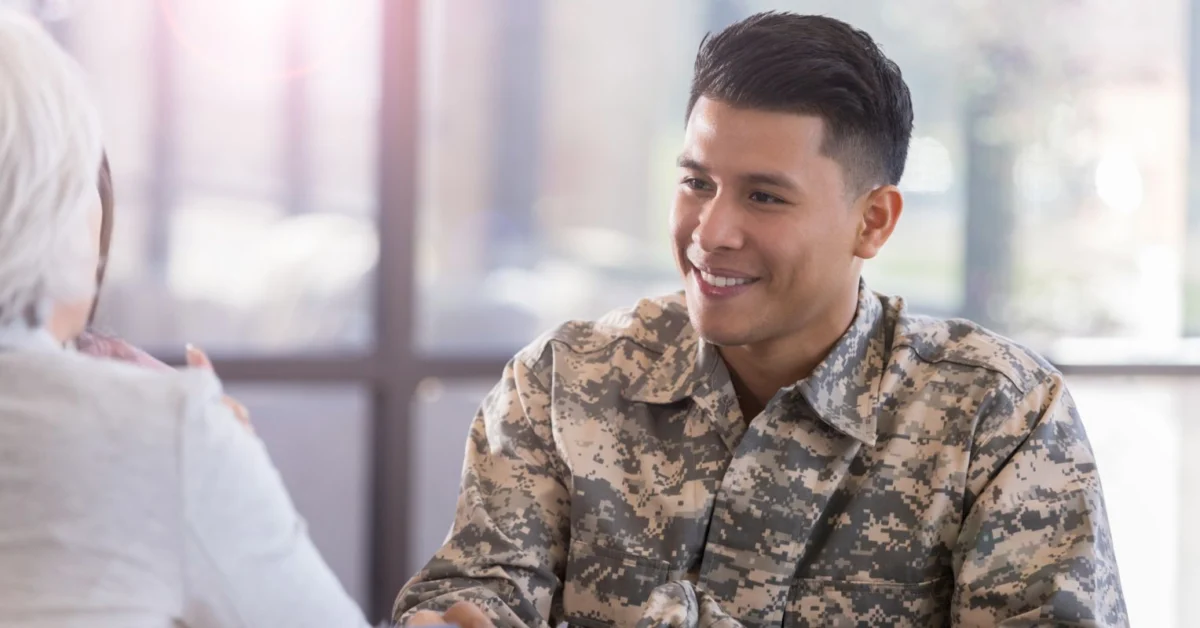
The disconnect between the veteran and the mental health system is often a failure of cultural translation. A clinician who understands the military—the nuances of a Military Occupational Specialty (MOS), the significance of a combat patch, and the weight of the "Chain of Command"—can build a therapeutic alliance significantly faster than one who does not.
The Military-Clinical Alignment
Military leadership principles, characterized by mentorship, empathy, and mission-focused guidance, naturally align with evidence-based trauma care. When a clinician adopts a "people-first" approach, they mirror the leadership styles that veterans respect and respond to. By integrating structured, goal-oriented therapies like Cognitive Behavioral Therapy (CBT) or Eye Movement Desensitization and Reprocessing (EMDR), therapists can provide a familiar scaffolding for recovery.
The Family as a Strategic Asset
The traditional model of individual therapy often overlooks the most critical component of the veteran’s support system: the family. Drawing on the systemic principles of Murray Bowen (1978), we must treat the family as a unit. In cases of "moral injury"—a psychological wound caused by actions, or the failure to act, that transgresses one’s moral code—the family is often the only entity capable of providing the necessary validation.
For instance, I once treated a veteran struggling with intense guilt for failing to deploy with his unit after 9/11. By bringing his spouse into the session, we were able to reframe his service and affirm his identity as a protector and provider, effectively healing the rift that his moral injury had created.
Honoring the Full Narrative
A critical failure in contemporary treatment is the tendency to fixate solely on the trauma. While it is necessary to process the horrors of combat, it is equally vital to honor the beauty, pride, and joy of the military experience. Research by Dell’Osso et al. (2022) underscores that narrating positive deployment experiences is a powerful tool for fostering post-traumatic growth.
When a veteran shares memories of a desert sunset, the camaraderie of a birthday party in a war zone, or the pride of completing a ruck march, they are not just telling stories; they are reclaiming pieces of themselves. Clinicians must facilitate a narrative that encompasses the full scope of their service, ensuring that trauma remains a chapter—not the entire book.
Implications for the Future of Care
If we are to effectively serve those who have served, we must move beyond standard clinical practices and embrace a more precise, culturally attuned methodology. The implications for the future are clear:
- Training Clinicians in Military Culture: Medical and graduate schools must integrate military cultural competency into their curricula. Understanding the "military mindset" is as important as understanding the pharmacology of PTSD.
- Integrating Family-Centric Models: Every treatment plan for a veteran should consider the family system. This is not just "support"; it is a clinical necessity to restore connection.
- Leveraging Peer Support: The "battle buddy" system is the most effective mental health tool ever created. We must scale this by integrating peer support specialists into clinical settings to bridge the gap between civilian expertise and lived military experience.
Conclusion: The Mission Continues
The transition from the battlefield to the counseling room is not an end; it is a change of mission. When we treat veterans with the precision and respect their service demands, we do more than mitigate symptoms; we provide them with the tools to write their next chapter.
Veterans carry their experiences as invisible badges—marks of a life lived in the service of something greater than themselves. It is our collective responsibility to ensure that these badges are recognized, not avoided. By fostering a therapeutic environment built on shared values, clear objectives, and the acknowledgment of the full human experience, we can move from merely treating the "wounded" to empowering the "warrior" to thrive in the civilian world. The mission is not to forget the war, but to integrate it into a life of continued purpose, honor, and connection.
References
- Bowen, M. (1978). Family Therapy in Clinical Practice. Jason Aronson.
- Bowlby, J. (1980). Attachment and Loss: Vol. 3. Loss, Sadness and Depression. Basic Books.
- Davis, L. Y. (2023). Moral Injury: The Hidden Adversary of War.
- Dell’Osso L, et al. (2022). Post Traumatic Growth (PTG) in the Frame of Traumatic Experiences. Clinical Neuropsychiatry.
- Hurley, E. C. (2021). A Clinician’s Guide for Treating Active Military and Veteran Populations with EMDR Therapy. Springer Publishing.
- Junger, S. (2016). Tribe: On Homecoming and Belonging. Twelve.
- National Center for PTSD. (2023). PTSD in Veterans: Facts and Figures. U.S. Department of Veterans Affairs.
- Shapiro, F. (2018). Eye Movement Desensitization and Reprocessing (EMDR) Therapy. Guilford Press.
- U.S. Department of Veterans Affairs. (2022). National Veteran Suicide Prevention Annual Report.