










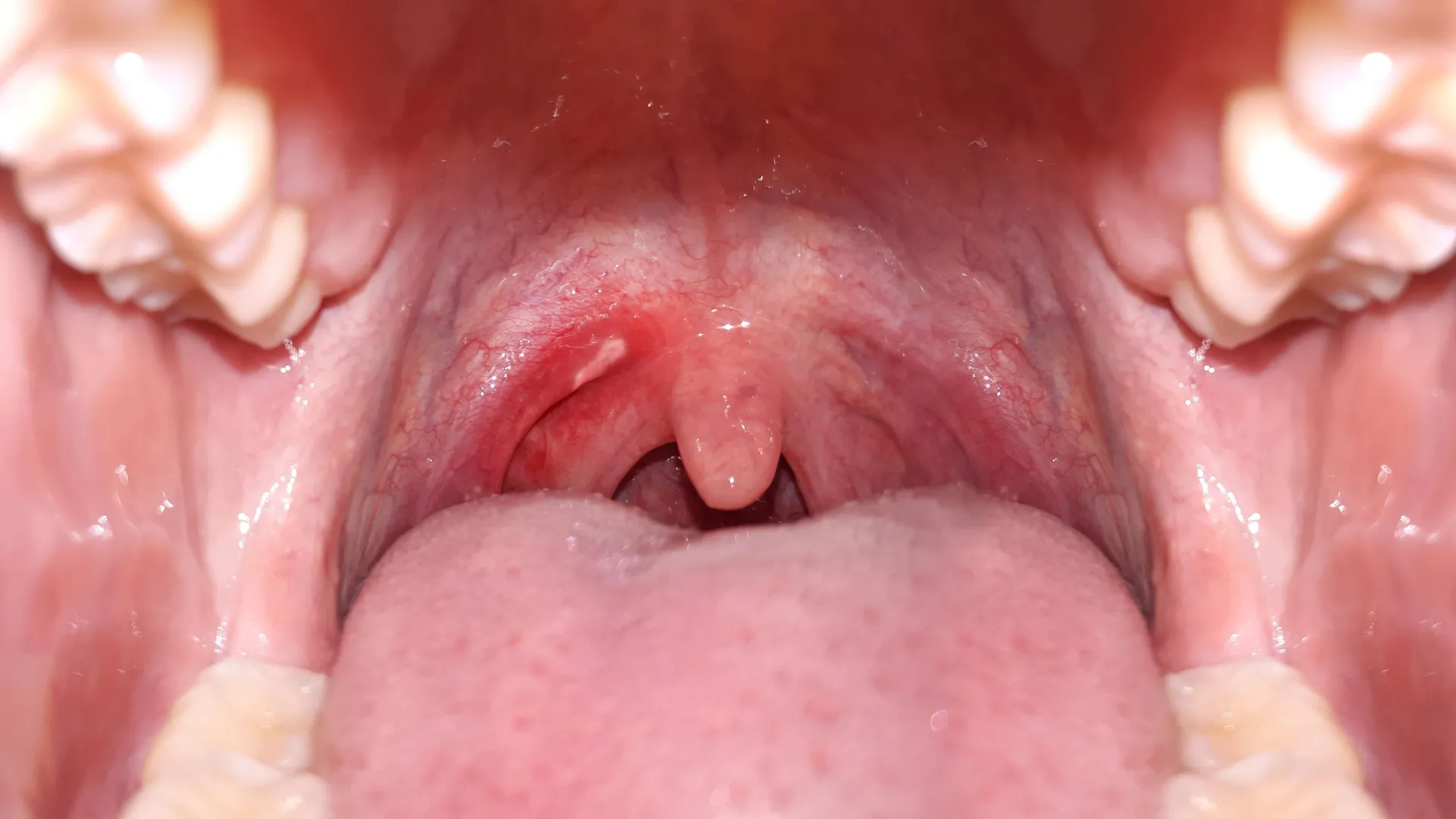
A landmark study published in the open-access journal BMJ Global Health has sounded a dire alarm regarding the escalating rates of mouth cancer in India. The research, which provides one of the most comprehensive looks at the intersection of alcohol consumption and tobacco use in the country, concludes that there is effectively no “safe” threshold for alcohol intake. Even low-level, daily consumption is now definitively linked to a significantly heightened risk of buccal mucosa cancer—the most common form of mouth cancer affecting the soft lining of the cheeks and lips.
The study’s findings are particularly troubling for public health officials, as they reveal that the synergistic relationship between alcohol and chewing tobacco may be responsible for a staggering 62% of all buccal mucosa cancer cases across the nation. As India grapples with nearly 144,000 new diagnoses annually, the medical community is calling for a radical overhaul of regulatory frameworks, particularly concerning the largely unmonitored market of locally brewed alcoholic beverages.
The Scale of the Crisis: A Growing Public Health Burden
Mouth cancer has become the second most common malignancy in India, representing a significant burden on the nation’s healthcare infrastructure. With approximately 143,759 new cases and nearly 80,000 deaths annually, the trajectory of the disease is deeply concerning. Incidence rates have climbed steadily, now hovering just below 15 cases per 100,000 men.
The prognosis for those diagnosed remains bleak. Survival rates are stubbornly low; current data suggests that only 43% of patients survive for five years or longer following their diagnosis. Because the disease often affects the buccal mucosa—the sensitive, pink tissue lining the inside of the cheeks and lips—it is frequently detected at advanced stages, complicating treatment and reducing the likelihood of a successful recovery.
Chronology of the Research: From Data Collection to Scientific Consensus
The journey to these findings began in 2010, as researchers launched a decade-long observational study designed to untangle the complex relationship between lifestyle factors and oral cancer. Spanning from 2010 to 2021, the study recruited 3,706 participants across five major centers in India.
The cohort was divided into two groups: 1,803 individuals already diagnosed with buccal mucosa cancer and 1,903 healthy controls. The demographic profile of the participants was striking, with a significant concentration of cancer cases appearing in younger populations. Nearly 46% of those diagnosed with cancer were between the ages of 25 and 45, highlighting that this is not merely a disease of the elderly, but one that is actively impacting India’s workforce.
Researchers utilized detailed surveys to track the duration, frequency, and specific types of substances consumed. Participants were queried about their history with 11 internationally recognized alcoholic beverages—such as beer, whisky, and vodka—and 30 distinct types of locally brewed, traditional liquors, including apong, bangla, chulli, desi daru, and mahua. By cross-referencing this with detailed histories of tobacco use, the research team was able to map the precise impact of these habits on cancer development.
Supporting Data: The Quantitative Reality of Risk
The data paints a clear, if sobering, picture of how substance use dictates cancer risk. Among the cancer patients surveyed, 781 reported consuming alcohol, whereas only 481 in the healthy control group did so. On average, those with cancer had been using tobacco for approximately 21 years, compared to 18 years for the control group. Furthermore, daily alcohol consumption was notably higher among cancer patients, averaging 37 grams per day versus 29 grams among the control group.
The "No Safe Limit" Finding
Perhaps the most significant revelation of the study is the lack of a "safe" threshold. Even minimal intake—less than 2 grams of alcohol per day—was associated with a measurable increase in risk. Consuming just 9 grams of alcohol daily, roughly equivalent to one standard drink, correlated with a 50% increase in the likelihood of developing buccal mucosa cancer.
Locally Brewed vs. International Brands
While all alcohol intake increased risk, the type of drink mattered significantly. Compared to non-drinkers, those who consumed international brands faced a 72% higher risk of cancer. However, this risk jumped to 87% for those who consumed locally brewed varieties. The researchers suggest that the higher toxicity of local brews—often produced in unregulated environments—may be a primary driver of this disparity.
The Tobacco Synergy
The interaction between alcohol and chewing tobacco is the most lethal component of the equation. Alcohol is thought to act as a solvent, altering the fat content of the buccal mucosa and increasing the permeability of the tissue. This allows the carcinogens found in chewing tobacco to penetrate deeper and more effectively into the cells of the cheek lining. When both substances are used concurrently, the risk of cancer is magnified more than fourfold.
Official Responses and Regulatory Challenges
The unregulated nature of the "country liquor" market in India presents a significant policy hurdle. While the Indian Constitution places alcohol under the State List, allowing regional governments to regulate production and sale, the informal, rural production of spirits remains largely outside the scope of current oversight.
Researchers have noted that these informal brews can be alarmingly dangerous. Some samples provided by study participants contained as much as 90% alcohol content and were frequently contaminated with toxic byproducts such as methanol and acetaldehyde, which are known to be carcinogenic and neurotoxic.
Public health advocates argue that the existing legal framework is too fragmented to address the issue effectively. Because regulations vary significantly from state to state—and often fail to reach rural, unlicensed producers—there is no uniform standard of safety. The study suggests that states with the highest disease prevalence, such as Meghalaya, Assam, and Madhya Pradesh, are precisely the regions where consumption of these potent, unregulated brews is most common. In these areas, alcohol consumption is estimated to be responsible for up to 14% of all buccal mucosa cancer cases.
Implications for Public Health and Future Prevention
The implications of the BMJ Global Health study are profound. If the link between these substances and oral cancer is as strong as the data suggests, the path to reducing the disease burden in India is theoretically clear, though logistically daunting.
A Call for Integrated Policy
The researchers advocate for a unified, national approach to both alcohol and tobacco control. Because the two habits are so intrinsically linked in the daily lives of millions of Indians, prevention strategies that target one without the other are likely to fail. Public health campaigns must pivot toward highlighting the specific, heightened danger of the "double-whammy" effect of using both substances simultaneously.
Screening and Education
Beyond regulation, the study emphasizes the need for earlier intervention. Given that nearly half of the cancer cases in the study occurred in individuals under the age of 45, there is an urgent need for oral cancer screening programs that target younger, high-risk populations. Education initiatives, particularly in rural regions where traditional, high-risk alcohol consumption is common, must focus on the dangers of these unregulated products.
The Path Forward
The researchers conclude with a bold assertion: that consistent, targeted public health action toward the prevention of alcohol and tobacco use could, in theory, largely eliminate buccal mucosa cancer from the Indian landscape. While the road to such a goal involves navigating complex cultural, economic, and political terrains, the study provides the scientific mandate needed to move toward more aggressive, evidence-based policy.
As India looks toward the future of its healthcare system, the findings from this study serve as a vital reminder: the fight against cancer is not just a clinical challenge, but a regulatory and social one. By addressing the unregulated alcohol market and the deeply ingrained habit of chewing tobacco, India has the potential to significantly alter the trajectory of one of its most prevalent and devastating diseases.