In an era defined by rapid technological advancement and architectural efficiency, a growing body of medical evidence suggests that the very structures we call "home" may be silently compromising our health. During the May 9 premiere of the investigative series "Beyond The Diagnosis," host Jonathan Otto unveiled a chilling reality: the modern, hermetically sealed home—designed for comfort and energy conservation—has transformed into a biological trap. By prioritizing insulation over ventilation, contemporary construction practices have inadvertently created the perfect breeding ground for mold, mycotoxins, and volatile organic compounds (VOCs), contributing to a silent health crisis affecting millions.
The Paradigm Shift: From Comfort to Contamination
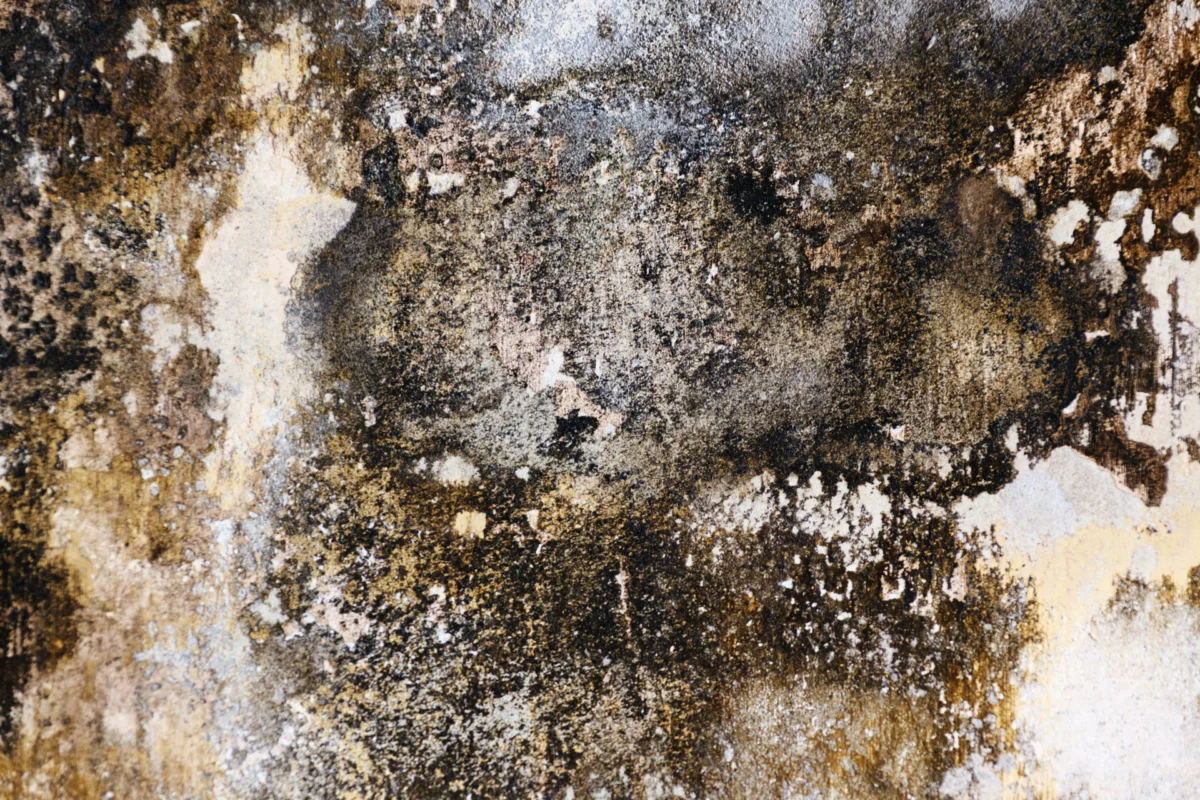
For decades, the standard for modern home building has been to seal structures as tightly as possible to reduce energy costs. However, experts featured in "Beyond The Diagnosis" argue that this "sealed-box" approach has created a systemic health hazard. When homes are incapable of "breathing," moisture becomes trapped within wall cavities, behind insulation, and under synthetic flooring.
Dr. Rodney Russell, a functional medicine practitioner with three decades of clinical experience, provided a startling statistic during the series premiere: "I’d probably say 80% of my clients now have mold toxicity." Perhaps most alarming is the revelation that new construction offers no immunity. Russell recounted cases where patients moved into brand-new luxury homes, only to test positive for alarmingly high levels of mycotoxins in their bloodstream shortly after.
The issue, according to Russell, lies in the haste of modern construction. In regions prone to high humidity, such as Texas, builders often apply moisture barriers like Tyvek wrap over wet building materials. This seals the moisture inside the wood, creating an ideal incubation chamber for mold colonies that go unseen by the naked eye until health symptoms become severe.
The Synergy of Toxins: EMFs and Mold
One of the most provocative revelations in the series is the connection between invisible electromagnetic fields (EMFs) and the biological activity of mold. According to Dr. Russell, mold does not simply exist in a vacuum; it responds to environmental stressors.
"EMFs agitate mold, and in turn the mold starts kicking out spores—kicking out the mycotoxins," Russell explained. This suggests that the ubiquity of Wi-Fi routers, smartphones, and smart home devices may be inadvertently accelerating the toxicity levels within our walls. When mold is subjected to electromagnetic frequency exposure, its defensive response is to release more potent toxins, turning a static health hazard into a dynamic, airborne threat.
This phenomenon is further compounded by the materials used to finish modern interiors. From plastics saturated with chemical stabilizers to synthetic carpets with a limited "safe" lifespan, the modern home is a cocktail of chemicals. Russell specifically highlighted carpets as a primary offender, noting that they often harbor dangerous levels of toxins within five years of installation. He warned against the common practice of steam cleaning, which often provides the moisture necessary to reinvigorate dormant mold colonies rather than eliminating them.
The Genetic Component: Why Some Suffer While Others Thrive
A frequent point of confusion for families living in toxic environments is why one individual may experience debilitating chronic fatigue or respiratory issues while others in the same household remain seemingly unaffected. The series addressed this through the lens of genetic predisposition, specifically highlighting the roles of the HLA-DR and MTHFR genes.
Enoch, a contributor from BrightU.AI, explained that the HLA-DR gene, which functions as an immune cell marker, is frequently over-expressed in patients suffering from chronic fatigue syndrome and other immune-activated disorders. Similarly, variations in the MTHFR gene—which governs how the body processes folate and amino acids for methylation—can render an individual significantly less capable of detoxifying their system.
This genetic variance explains the disproportionate impact on stay-at-home parents or those who spend the majority of their time in the domestic environment. Often dismissed by the medical establishment as "hypochondriacs," these individuals are essentially serving as the "canary in the coal mine," signaling a toxic environment that their family members may not yet be reacting to.
Cellular Survival: The "Cell Danger Response"
The biological impact of these environmental assaults is not merely a collection of isolated symptoms; it is a systemic shift at the cellular level. Dr. Michael Carter detailed the "cell danger response," a survival mechanism where, when overwhelmed by toxins, the body’s cells effectively "shut down" to prevent further damage.
This state of cellular hibernation manifests as chronic illnesses such as fibromyalgia, mysterious autoimmune flare-ups, and debilitating fatigue. As Dr. Tom Lewis observed, the primary driver of rapid aging and disease is "immunosenescence"—the gradual degradation of the immune system’s ability to respond to external threats. When the body is forced to constantly defend itself against household toxins, the immune system eventually reaches a point of total collapse.
Implications for Public Health and Policy
The implications of these findings are profound. If the modern home is indeed a "biological weapon," the conventional medical approach of treating individual symptoms with pharmaceuticals is fundamentally flawed. When a patient presents with mystery symptoms, the primary clinical question should shift from "What drug should I take?" to "What is my environment doing to me?"
Beyond the home, the scope of the problem extends to our transit and infrastructure. Dr. Russell noted that vehicles have become "mobile mold factories," where cabin filters trap and circulate spores and chemical off-gassing from interior plastics. Furthermore, the reliance on municipal water systems—often treated with chlorine and containing hundreds of trace chemical contaminants—adds an additional layer of physiological stress that many patients never account for in their recovery journeys.
Practical Steps Toward Remediation
For those who suspect their health is being compromised by their surroundings, the experts in Beyond The Diagnosis emphasize proactive, immediate action:
- Environmental Testing: Utilize professional-grade mold testing and black lights to inspect dark, damp areas of the home. Treat mold with the same urgency as a carbon monoxide leak.
- Material Management: Limit the use of wall-to-wall carpeting and replace it with hard surfaces if possible. If old carpet must be removed, do so with caution, cutting it into small sections and sealing it in bags to prevent spore aerosolization.
- Filtration: Replace vehicle cabin filters every three to six months.
- Awareness of Hidden Toxins: Evaluate the use of natural gas, which is often an overlooked source of chemical sensitivity, and be wary of pesticide exposure both in food and in household materials.
Conclusion: Reclaiming the Home Environment
The narrative presented in "Beyond The Diagnosis" is a call to action for those who feel trapped by mystery illnesses. By recognizing that the home is not a static environment but an active participant in health, individuals can begin to take control of their recovery.
As Jonathan Otto’s series suggests, the path to healing often begins with the difficult task of re-evaluating one’s living conditions. When medical mysteries persist, it is time to stop looking for a "magic bullet" pill and start looking at the walls, the air, and the materials that surround us daily. The first step toward reclaiming vitality is the realization that the source of our suffering may be the very place where we feel most secure.
For those seeking deeper insights into these topics, "Beyond The Diagnosis" is currently streaming for a limited time. The series provides an exhaustive look at the intersections of environmental toxicity and modern medicine, featuring over 60 experts and offering comprehensive resources for those looking to reset their nervous systems and reclaim their health from the ground up.