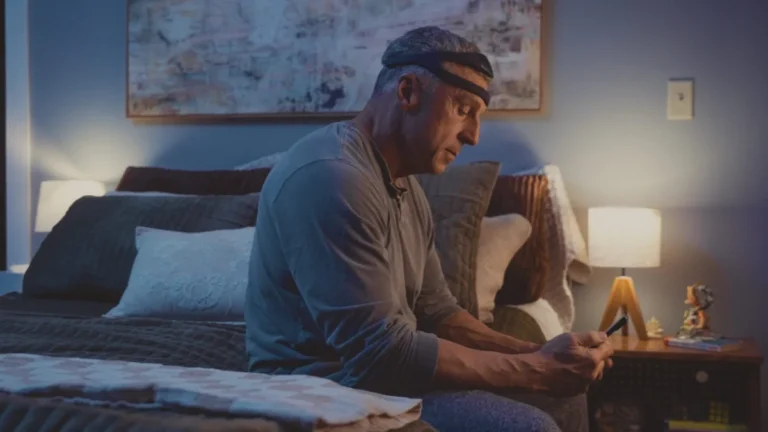
In a significant move to modernize the treatment of Obstructive Sleep Apnea (OSA) within the nation’s military health system, MellingMedical has announced a strategic partnership with TAP Sleep Care, a division of Airway Management. This collaboration is designed to streamline the procurement and distribution of advanced oral appliance therapy (OAT) devices to veterans, active-duty personnel, and their families, ensuring that the Department of Veterans Affairs (VA) and Department of Defense (DoD) remain at the forefront of patient-centered sleep medicine.
Main Facts: A New Standard for Military Sleep Health
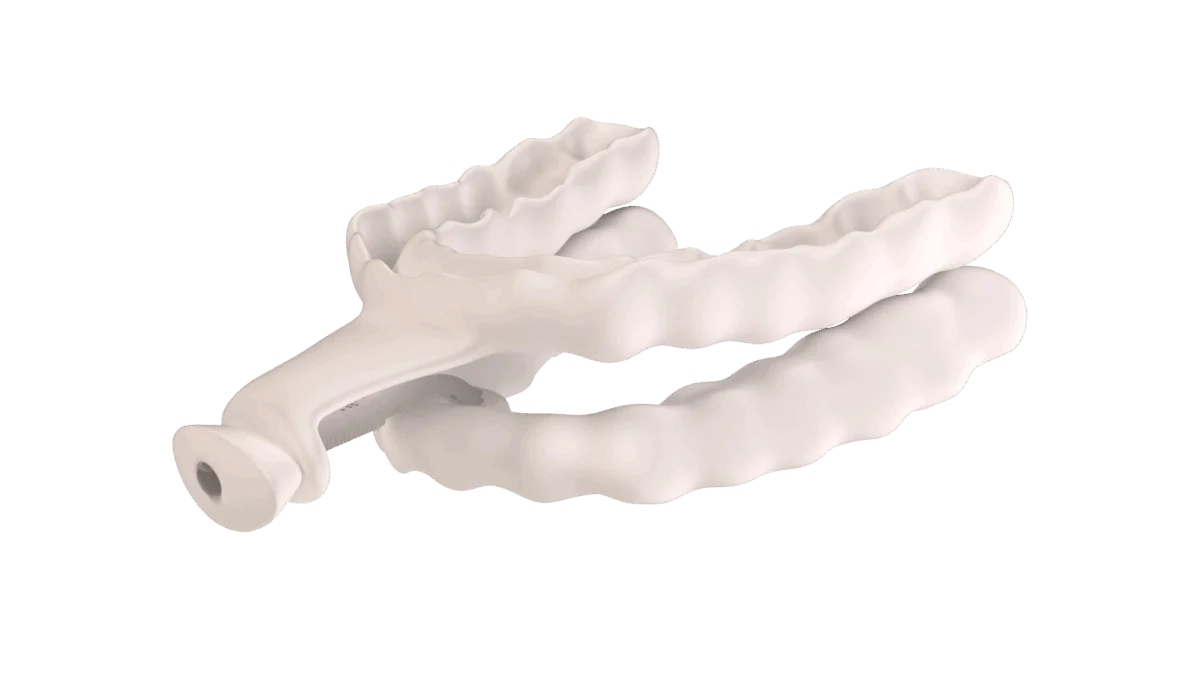
The core of this partnership rests on the integration of TAP Sleep Care’s innovative myTAP and myTAP PAP devices into MellingMedical’s expansive federal contracting network. As a Service-Disabled Veteran-Owned Small Business (SDVOSB) based in Alexandria, Virginia, MellingMedical is uniquely positioned to bridge the gap between cutting-edge medical technology and the complex bureaucratic framework of federal healthcare procurement.
The initiative is directly responsive to the 2025 VA/DoD Clinical Practice Guideline for the Management of Obstructive Sleep Apnea, which has signaled a pivotal shift in clinical standards. The updated guidelines now recognize oral appliance therapy (OAT) as a primary, first-line treatment for patients diagnosed with mild to moderate OSA. By prioritizing OAT, the VA and DoD are moving away from the "one-size-fits-all" reliance on traditional Positive Airway Pressure (PAP) machines, which have historically been plagued by high abandonment rates due to patient discomfort.
The myTAP device is an FDA-cleared, customizable oral appliance that can be precision-fit in approximately 15 minutes, offering an immediate solution for patients. Complementing this, the myTAP PAP nasal pillow mask removes the need for traditional, cumbersome straps and headgear, addressing one of the most common complaints among patients suffering from sleep-disordered breathing.
Chronology of the Partnership and Strategic Alignment
The journey toward this partnership reflects a broader evolution in how the US government addresses the chronic health issues affecting its service members.
- Pre-2024: The VA and DoD clinical landscape was dominated by traditional PAP therapy. While effective for some, the high rate of "non-adherence"—where patients stop using the machine due to mask leaks, skin irritation, or claustrophobia—created a significant backlog in patient care and poor long-term health outcomes.
- Late 2024: The development of the 2025 VA/DoD Clinical Practice Guidelines began to gain traction, with experts emphasizing the clinical efficacy of OAT as a viable alternative for the vast majority of mild-to-moderate OSA cases.
- Early 2025: MellingMedical and TAP Sleep Care initiated discussions to address the logistics of procurement. MellingMedical leveraged its deep experience in navigating the Federal Supply Schedule (FSS) to ensure that the transition to these new devices would be seamless for hospital administrators and clinicians.
- Current Status: With the official announcement of the partnership, the myTAP and myTAP PAP systems are now being integrated into the supply chain, making them available to VA facilities and military hospitals across the country.
Supporting Data: The "Adherence Gap" in OSA Treatment
The urgency of this partnership is rooted in data regarding patient compliance. Sleep apnea is a chronic, life-threatening condition that, if left untreated, increases the risk of hypertension, stroke, heart failure, and diabetes.
According to various studies in the Journal of Clinical Sleep Medicine, adherence to traditional CPAP (Continuous Positive Airway Pressure) therapy—which requires a machine, a tube, and a mask—often fluctuates between 30% and 60%. Many veterans, particularly those with comorbid conditions such as Post-Traumatic Stress Disorder (PTSD), report that the feeling of being "trapped" by a mask exacerbates their anxiety and results in the machine being discarded.
The clinical appeal of the myTAP system lies in its design:
- Patient Preference: Oral appliances are less intrusive, quieter, and portable, making them significantly more likely to be used consistently by active-duty personnel who travel frequently.
- Rapid Customization: The 15-minute fitting process reduces the administrative burden on VA sleep labs, allowing clinicians to treat more patients in a single day.
- Clinical Outcomes: Data provided by Airway Management indicates that patients often report a marked improvement in sleep architecture, reduced daytime somnolence, and improved cognitive function within the first few nights of using the myTAP device.
Official Responses: Voices from the Frontline of Care
The leadership of both organizations views this partnership as a moral imperative as much as a business opportunity.
Chris Melling, founder and CEO of MellingMedical, emphasized the cultural shift required in treating veterans:
"Many veterans, particularly those managing conditions like PTSD, struggle with the restrictive masks and headgear of traditional PAP therapy. This often leads to poor adherence and continued sleep disruptions. TAP Sleep Care’s innovative approach changes that equation. By offering minimally invasive oral appliances that can be precision-fit in just 15 minutes, we are providing a highly effective, first-line alternative that patients actually prefer to use."
Charles Collins, CEO of Airway Management, highlighted the ease of implementation:
"We are excited to partner with MellingMedical to reach more patients who need effective OSA treatment. With myTAP, we are seeing immediate treatment results. Patients often report noticeable improvements in sleep quality, reduced daytime fatigue, and enhanced daily function from the very first nights of use. The myTAP PAP will be an effective solution for those who cannot tolerate straps and cumbersome headgear. This partnership ensures access to life-changing devices quickly and seamlessly through established VA and DoD channels."
Implications: The Future of Federal Healthcare Procurement
The partnership between MellingMedical and TAP Sleep Care holds profound implications for the future of the federal healthcare marketplace—the largest integrated medical system in the United States.
1. Navigating the Regulatory Maze
The federal government’s procurement framework is notoriously complex, characterized by strict regulatory compliance, detailed contracting requirements, and lengthy approval cycles. By partnering with MellingMedical, TAP Sleep Care bypasses the "entry barrier" that often prevents innovative, small-to-medium-sized medical technology companies from supplying the VA. This model serves as a blueprint for other innovators looking to contribute to veteran health.
2. A Shift Toward Patient-Centric Care
The move toward OAT represents a departure from the "machine-first" mentality that has defined sleep medicine for decades. By offering the myTAP and myTAP PAP, the VA is signaling a shift toward patient-centered outcomes. If a patient is more likely to wear an oral appliance than a mask, the clinical outcome—the resolution of apnea—is higher. This is a direct victory for public health.
3. Economic Efficiency
Beyond clinical benefits, the shift to OAT is expected to yield long-term cost savings. While the initial device cost is a factor, the secondary costs associated with untreated OSA—emergency room visits, chronic disease management, and decreased productivity—are significantly higher. By providing a comfortable, durable, and effective solution, the VA is investing in the long-term wellness of the veteran population.
4. Improving Quality of Life for Active-Duty Personnel
For active-duty service members, readiness is everything. Poor sleep hygiene resulting from OSA can impair decision-making, reaction times, and physical endurance. Providing a travel-friendly, effective, and non-intrusive treatment option like the myTAP system ensures that those in the service can maintain their performance standards without being tethered to a bulky CPAP unit.
Conclusion
The collaboration between MellingMedical and TAP Sleep Care is a timely intervention in the world of veteran healthcare. By aligning commercial innovation with the rigorous standards of the 2025 VA/DoD Clinical Practice Guidelines, the partners are not merely distributing medical devices; they are enhancing the quality of life for those who have served. As these devices roll out across the VA and DoD, the focus remains clear: providing faster, more comfortable, and highly effective treatment to ensure every veteran gets the restorative sleep they need to thrive.