











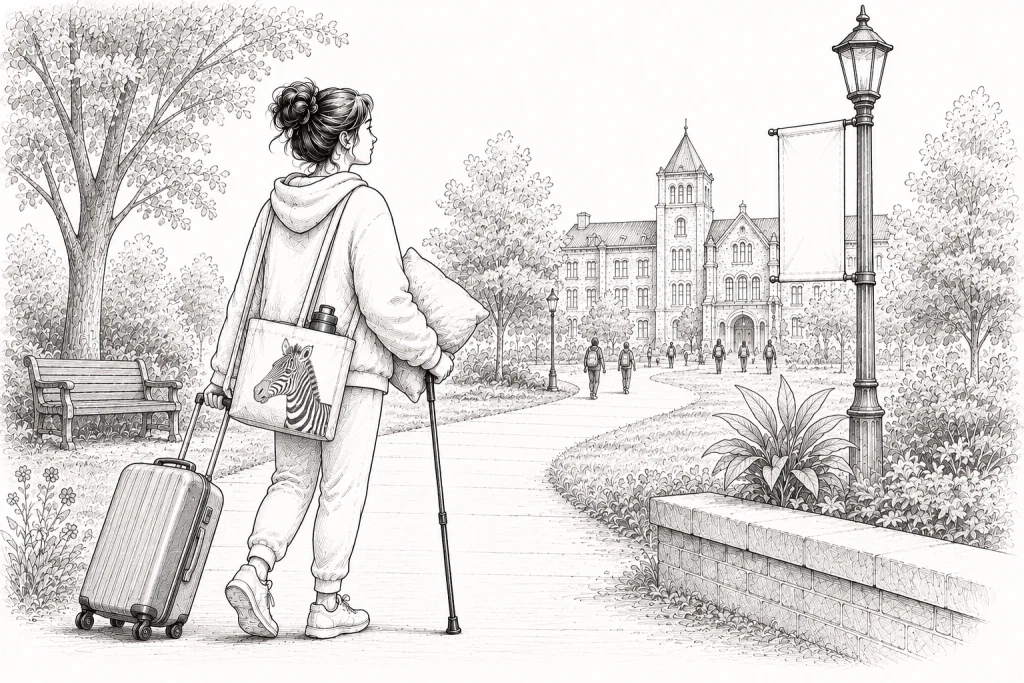
Transitioning to college is a landmark event in a young adult’s life, representing a significant shift toward independence, intellectual exploration, and personal growth. For students living with Ehlers-Danlos Syndrome (EDS) and related hypermobility spectrum disorders (HSD), this transition is layered with unique logistical and physiological complexities. Because EDS is a multisystemic condition, the college experience—often characterized by long walks between buildings, grueling lecture schedules, and rigorous academic demands—requires proactive planning.
By understanding the intersection of disability rights and institutional support, students can transform the college experience from one of constant physical struggle to one of academic flourishing.
The Landscape of EDS in Higher Education: Understanding the Challenges
Ehlers-Danlos Syndrome, a group of genetic connective tissue disorders, often presents with a "hidden" profile. A student may look perfectly healthy while battling systemic symptoms that fluctuate in severity. This unpredictability is the defining challenge of the collegiate experience for those in the community.
Furthermore, EDS rarely travels alone. Many students are simultaneously managing co-occurring conditions, including:
- POTS (Postural Orthostatic Tachycardia Syndrome): Leading to lightheadedness and tachycardia upon standing, making long walks across campus or standing in lines difficult.
- MCAS (Mast Cell Activation Syndrome): Creating dietary and environmental sensitivities that complicate dining hall access and dormitory living.
- Gastrointestinal Dysmotility: Requiring specific dietary accommodations and accessible restroom proximity.
- Neurological Manifestations: Including chronic migraines and sensory processing sensitivities often linked to Autism Spectrum Disorder.
Because the severity of these symptoms can change from day to day, the primary goal of the student is to build an environment that minimizes "energy leakage," ensuring that the majority of their stamina is reserved for learning rather than compensating for physical barriers.
Chronology of Preparation: A Timeline for Success
Effective management of college life begins long before the first syllabus is distributed. Students should adopt a phased approach to their academic transition.
Phase 1: The Pre-Enrollment Phase (6–12 Months Prior)
Before committing to an institution, prospective students should research the campus accessibility infrastructure. This includes evaluating the density of the campus, the proximity of student housing to academic buildings, and the institutional culture surrounding Disability Services (DS). During this time, gather medical documentation that outlines specific limitations rather than just a clinical diagnosis.
Phase 2: The Transition Phase (3–6 Months Prior)
Once enrolled, reach out to the Disability Services office. Even if you believe you can manage without formal accommodations, registering early is a vital insurance policy. "Spoonie" culture emphasizes the importance of energy conservation; having an accommodation letter on file allows you to pivot immediately when a flare-up occurs, rather than waiting weeks for administrative processing.
Phase 3: The Integration Phase (First 2–4 Weeks of Semester)
This period is for "stress testing" your accommodations. Attend your classes, observe the physical layout, and evaluate your energy levels. If an accommodation proves insufficient, return to the DS office immediately to refine your plan. Building rapport with professors early—before any medical crises occur—is essential. Approach these conversations with professionalism, emphasizing your commitment to the coursework and your need for specific adjustments to meet that goal.
Informal vs. Formal Supports: Where to Draw the Line
Not every hurdle requires a formal administrative request. Many students find success by utilizing personal tools to manage their day-to-day comfort.
Strategies for Self-Management
- Movement in Class: If you have permission, discreetly utilize a standing desk, a footstool, or a specialized seat cushion to manage joint pain.
- Sensory and Symptom Management: Carry a "go-bag" equipped with hydration electrolytes (for POTS), noise-canceling headphones (for sensory overload), and temperature-regulating tools like portable fans or cooling towels.
- Academic Proactivity: Use digital tools like audio recorders (with professor permission) or AI-driven transcription software to minimize the physical strain of long-form note-taking.
The Threshold for Formal Accommodations
When should you engage the bureaucracy? A simple litmus test is to ask: "Does this physical or cognitive barrier prevent me from demonstrating my academic mastery?" and "Does this request involve a deviation from standard classroom or testing policy?" If the answer is yes, you are entitled to a formal accommodation.
Formal Accommodations: A Menu of Possibilities
When engaging with the Disability Services office, it is helpful to have a categorized list of needs. Remember that accommodations should be tailored to the individual’s specific symptom profile.
Classroom and Attendance Flexibility
- Attendance Flexibility: Permission for occasional absences due to flare-ups without penalty.
- Recording Lectures: Digital recording for students who cannot keep pace with manual note-taking due to hand fatigue.
- Priority Seating: Ensuring a seat near the door for quick exit or near the front for visual/auditory access.
Testing and Assessment Modifications
- Extended Time: Often 1.5x or 2.0x time to account for processing speed or the need for physical breaks.
- Testing Environment: A distraction-reduced environment to mitigate sensory overload.
- Alternative Formats: Access to digital exams for students who experience severe hand or joint pain during long-form writing.
- Flexible Scheduling: Permission to reschedule exams if a sudden health event occurs, preventing the "all or nothing" pressure of test days.
Housing and Campus Logistics
- Dormitory Placement: Priority access to ground-floor rooms, private bathrooms (essential for MCAS/GI needs), or elevators.
- Dining Hall Adjustments: Working with campus nutritionists to ensure safe, allergen-aware meal options.
- Mobility Assistance: Access to campus shuttle services or the authorization to use specialized mobility aids like canes or wheelchairs without social stigma.
Official Perspectives: The Role of Disability Services
Colleges are legally mandated under the Americans with Disabilities Act (ADA) and Section 504 of the Rehabilitation Act to provide "reasonable accommodations." However, the burden of initiation rests on the student.
Disability Services offices act as the bridge between the medical reality of the student and the academic expectations of the faculty. When requesting an accommodation, provide a comprehensive clinical narrative. If a specific request is denied, it is often due to the university’s concern over "fundamental alteration" of the curriculum. In such cases, ask for an interactive, back-and-forth dialogue. If an alternative is offered, evaluate it against your needs and advocate for further adjustments if the proposed solution does not provide equitable access.
Implications for the Student: Beyond the Degree
The process of navigating disability in a university setting is more than just an academic requirement—it is a training ground for professional life. Learning to advocate for oneself, understanding the limits of one’s body, and utilizing institutional systems are skills that will prove invaluable in the workforce.
Students often fear that disclosing their disability will lead to stigma. However, the modern academic landscape is increasingly aware of neurodivergence and chronic illness. By approaching the university with a sense of partnership rather than confrontation, students with EDS can foster an environment where their intellect is the focus, not their physical condition.
Final Advocacy Tips
- Documentation is Key: Keep a digital folder of all medical documentation and correspondence with the university.
- The "No" is a Starting Point: If a professor or department says no to an accommodation, refer them to the Disability Services office. It is not your job to debate policy; it is the office’s job to enforce it.
- Community Matters: Join campus organizations for students with disabilities. Sharing strategies with peers who face similar challenges provides both emotional support and practical "life hacks" that aren’t found in a handbook.
College is inherently demanding. It should be a place where those demands test your academic mettle, not your ability to survive an inaccessible environment. By preparing early, documenting thoroughly, and advocating relentlessly, you ensure that your education remains the primary focus of your journey. You are there to learn, to grow, and to earn your place—and you have every right to the tools necessary to make that possible.