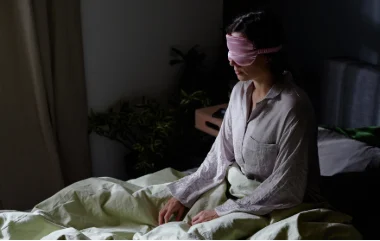









In an era defined by hyper-connectivity and the relentless pace of modern life, the elusive quest for a "good night’s sleep" has become a defining struggle for millions of adults. Recent data analysis from the Centers for Disease Control and Prevention (CDC) paints a stark picture: nearly 13% of U.S. adults now rely on some form of sleep aid—be it prescription medication, over-the-counter (OTC) products, or the burgeoning market of cannabis and cannabidiol (CBD) derivatives—to find rest on a near-daily basis.
As the reliance on these chemical crutches grows, sleep scientists are raising alarms. While the immediate desire for relief is universal, the long-term efficacy and safety profiles of these varied aids differ significantly. The growing reliance on these substances suggests that while the market for sleep solutions is thriving, the underlying epidemic of sleep deprivation remains largely unchecked.
The State of Sleep: A Statistical Reality
The data indicates a widening gap between the human need for restoration and the actual duration of sleep achieved. According to findings from the CDC, 30.5% of American adults report getting less than the recommended seven hours of sleep per night. This chronic sleep deficit is not merely a lifestyle inconvenience; it is a public health crisis linked to increased risks of cardiovascular disease, cognitive decline, and metabolic disorders.
Despite the widespread use of sleep aids, this high percentage of sleep-deprived individuals suggests that pharmacological interventions are often failing to address the root causes of insomnia. Women, according to recent health trends, are statistically more likely than men to utilize sleep aids, though the emerging trend of marijuana use for sleep has leveled the playing field, showing similar adoption rates across genders.
The Rise of Cannabis as a Sleep Aid
Perhaps the most significant shift in the sleep-aid landscape is the normalization of marijuana and CBD. As legislative barriers fall and recreational or medical cannabis becomes accessible across more states, a growing demographic is turning away from traditional pharmaceuticals in favor of what they perceive to be a more "natural" remedy.
A recent survey conducted by the American Academy of Sleep Medicine (AASM) highlights the complexity of this trend. While a notable segment of the population reports subjective improvements in sleep onset and quality after using cannabis, the demographic breakdown is telling. Adults between the ages of 25 and 44 report the highest benefits, and men are more likely than women to perceive a positive impact on their sleep architecture.
However, researchers caution that these subjective reports may be misleading. The allure of cannabis often stems from its sedative effects, which can provide a "quick fix" for falling asleep, but this does not necessarily equate to high-quality, restorative sleep.
The Science of Mixed Results: Why Cannabis Isn’t a Cure-All
The scientific community maintains a cautious stance on cannabis, largely because its effects on sleep remain, in the words of experts, "multifaceted." The research landscape is riddled with conflicting evidence. Some studies suggest that certain cannabinoids may shorten sleep latency—the time it takes to drift off—but at the cost of altering sleep cycles, potentially suppressing REM sleep, which is critical for emotional regulation and cognitive function.
The Placebo Effect and Psychological Perception
A critical component of the cannabis sleep trend is the psychological expectation of relief. A recent pilot study demonstrated that individuals who strongly believed that cannabis would improve their sleep consistently overestimated both how quickly they fell asleep and their total sleep duration. This "expectancy effect" suggests that for some, the benefits of cannabis may be rooted as much in psychology as in physiology.
The Hidden Health Trade-offs
Beyond the efficacy debate, clinicians are increasingly concerned about the long-term health implications of regular cannabis use for sleep. Potential risks identified by medical professionals include:
- Tolerance and Dependence: Over time, users may find they need higher doses to achieve the same sedative effect, leading to a cycle of dependency.
- Interference with REM Sleep: Chronic use has been linked to the suppression of rapid eye movement (REM) sleep, which can lead to daytime grogginess and impaired cognitive performance.
- Interaction with Other Medications: Cannabis can interact poorly with other substances, including alcohol and certain psychiatric medications, creating unpredictable health outcomes.
- Respiratory and Cardiovascular Concerns: Depending on the method of consumption, there are ongoing concerns regarding lung health and cardiovascular strain.
Official Recommendations: The Path Toward Evidence-Based Care
In light of these findings, sleep medicine specialists are urging a shift away from self-medication toward evidence-based, clinician-led treatments. The medical community emphasizes that sleep aids—whether prescription or cannabis-based—should be considered a bridge, not a destination.
Cognitive Behavioral Therapy for Insomnia (CBT-I)
The "gold standard" for treating chronic insomnia, as recognized by the AASM and other leading health organizations, is Cognitive Behavioral Therapy for Insomnia (CBT-I). Unlike medication, which addresses the symptoms, CBT-I targets the underlying thoughts and behaviors that perpetuate sleep issues. By restructuring sleep schedules and addressing the anxiety associated with sleeplessness, CBT-I provides long-term tools for patients, often with more sustainable success than pharmacological interventions.
The Role of Healthcare Providers
Experts stress that chronic sleep issues should never be managed in isolation. If an individual struggles with sleep for more than three months, it is time to consult a healthcare professional. A doctor can screen for underlying conditions such as obstructive sleep apnea, restless leg syndrome, or underlying mental health conditions that might be masquerading as simple insomnia.
Building a Foundation: Healthy Sleep Habits
While medical intervention is necessary for chronic conditions, the foundation of good sleep remains rooted in "sleep hygiene"—a series of lifestyle habits that prime the body for rest. The AASM recommends the following, science-backed practices:
- Consistency: Go to bed and wake up at the same time every day, including weekends. This helps regulate the body’s circadian rhythm.
- Environment: Ensure the bedroom is quiet, dark, and cool. These conditions mimic the natural environment required for the body to transition into deep sleep.
- Digital Detox: Limit screen time at least an hour before bed. The blue light emitted by phones and computers suppresses melatonin production, the hormone responsible for signaling the brain that it is time to sleep.
- Mindful Consumption: Avoid heavy meals, caffeine, and alcohol in the hours leading up to bedtime. While alcohol is a sedative, it is a poor sleep aid that significantly degrades sleep quality throughout the night.
- Relaxation Techniques: Incorporate reading, meditation, or light stretching into a nightly routine to signal to the brain that the day is over.
Implications for Public Health
The reliance on sleep aids is a symptom of a larger, systemic problem. As the modern world continues to demand higher levels of productivity and constant availability, the biological necessity of rest is often sacrificed. The prevalence of 30.5% of adults getting less than seven hours of sleep is not just a personal failure; it is a societal challenge.
If society continues to treat sleep deprivation with quick-fix pills and marijuana, we risk masking deeper health crises. The medical establishment’s shift toward prioritizing sleep health as a pillar of general wellness—on par with nutrition and exercise—is a necessary step. However, this shift requires a cultural change where rest is viewed as a vital necessity rather than a luxury.
The Bottom Line: Moving Toward Sustainable Rest
The data serves as a clear warning: there is no "magic bullet" for sleep. While some individuals find temporary solace in substances, the potential for long-term health trade-offs is significant. The path toward better sleep is rarely found in a bottle or a dispensary, but rather in the deliberate cultivation of healthy habits and, when necessary, the application of proven clinical therapies like CBT-I.
If you find yourself struggling to achieve restorative sleep, do not hesitate to reach out to an AASM-accredited sleep center or a behavioral sleep medicine professional. Recognizing that sleep is not merely an "off-switch" for the day, but a fundamental component of physical and mental vitality, is the first step toward reclaiming your health.
In conclusion, the goal should be a future where individuals are empowered by knowledge and supported by evidence-based medicine, allowing them to move away from the cycle of dependency and toward the natural, restorative sleep that every body requires to function at its best.