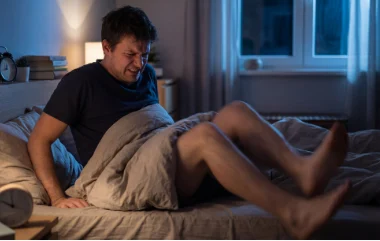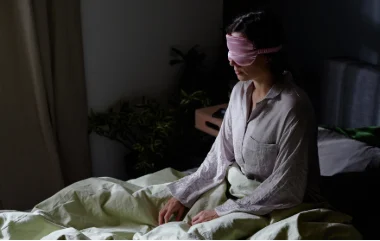












In an era defined by constant connectivity, high-stress professional environments, and the omnipresence of blue-light-emitting devices, the act of "getting a good night’s sleep" has become an increasingly elusive goal for millions. Recent data from the Centers for Disease Control and Prevention (CDC) reveals a startling reality: nearly 13% of U.S. adults are now turning to chemical interventions—ranging from prescription sedatives and over-the-counter (OTC) antihistamines to the rapidly expanding market of marijuana and cannabidiol (CBD) products—to facilitate rest.
This reliance on sleep aids highlights a deepening public health crisis. While these products are widely marketed as solutions, the reality is far more nuanced. Not all sleep aids are created equal, and the growing trend of self-medicating, particularly with cannabis, carries significant, often overlooked risks.
The Scope of the Crisis: A Chronology of Declining Sleep
The trajectory of American sleep habits has been on a steady decline for decades. Historically, sleep was viewed as a passive state; today, it is recognized as a vital biological process essential for cognitive function, emotional regulation, and immune system integrity.
The Current Data Landscape
Data from 2024 indicates that despite the ubiquity of sleep aids, the population remains chronically underslept. An alarming 30.5% of American adults report averaging less than seven hours of sleep per night. The correlation between increased sleep aid usage and persistent sleep deficiency suggests that current interventions are failing to address the root causes of insomnia.
Demographic analysis reveals interesting, if concerning, patterns. Women are statistically more likely than men to seek pharmacological help for sleep. However, the use of marijuana as a sleep aid shows a unique parity; men and women are utilizing cannabis products for rest at near-identical rates. This shift reflects a cultural move toward viewing cannabis not merely as a recreational substance, but as a therapeutic tool for wellness.
The Rise of Cannabis as a Sleep Aid: A Double-Edged Sword
As legislative barriers against marijuana continue to fall across the United States, public perception of its safety and efficacy has shifted. A recent survey conducted by the American Academy of Sleep Medicine (AASM) underscores a growing, complex trend: a significant portion of the adult population is experimenting with THC and CBD to combat nocturnal restlessness.
The Gender and Age Divide
The AASM survey highlights that perceived efficacy is highly subjective and varies significantly across demographics. Interestingly, men were more likely to report that marijuana successfully improved their sleep (39% vs. 28% for women). Furthermore, the 25–44 age demographic emerged as the most likely group to report a positive impact (45%), suggesting that younger-to-middle-aged professionals are the primary drivers of this trend.
The Psychology of Perception
Why do so many people feel marijuana helps, even when clinical evidence remains ambiguous? A recent pilot study suggests a "placebo-adjacent" psychological effect. Participants who held a strong belief that cannabis would improve their sleep consistently overestimated both their sleep duration and the speed at which they drifted off. This indicates that expectation management plays a substantial role in the reported benefits of cannabis, potentially masking the actual physiological impact on sleep architecture.
Clinical Implications: The "Multifaceted" Nature of Cannabis
While the anecdotal evidence is compelling for many users, medical experts urge extreme caution. The effects of cannabinoids on the human sleep cycle are "multifaceted," often disrupting the very stages of sleep they are meant to improve.
The Conflict in Research
Research into cannabis and sleep is currently producing conflicting results. Some studies suggest that cannabinoids may help users fall asleep faster by reducing anxiety levels. Conversely, other studies indicate that long-term use can degrade sleep quality by suppressing Rapid Eye Movement (REM) sleep—the stage of sleep most critical for memory consolidation and emotional processing.
Health Risks and Trade-offs
Beyond the disruption of sleep stages, the use of marijuana and cannabis products is associated with significant, tangible health risks. These include:
- Cognitive Impairment: Long-term use can impact memory and executive function.
- Dependency Risks: A subset of users may develop cannabis use disorder, leading to a cycle where the substance is required just to achieve baseline sleep.
- Respiratory Concerns: For those who smoke or vape cannabis, there are inherent risks to lung health.
- Interactions with Other Medications: Marijuana can interact negatively with common pharmaceuticals, creating a dangerous clinical cocktail.
Official Responses and Expert Recommendations
The consensus among sleep medicine specialists is clear: substances should not be the first line of defense. The AASM and other leading health organizations emphasize that "masking" insomnia with chemicals often delays the diagnosis of underlying sleep disorders, such as obstructive sleep apnea or chronic insomnia, which require targeted, evidence-based treatments.
The Gold Standard: CBT-I
For those suffering from chronic insomnia, the clinical gold standard is Cognitive Behavioral Therapy for Insomnia (CBT-I). Unlike medication, which provides a temporary sedative effect, CBT-I is a structured program that helps patients identify and replace thoughts and behaviors that cause or worsen sleep problems. It focuses on:
- Stimulus Control: Teaching the brain to associate the bed only with sleep.
- Sleep Restriction: Limiting time in bed to improve sleep efficiency.
- Cognitive Restructuring: Challenging the anxiety-inducing thoughts that prevent relaxation.
The Role of Professional Guidance
Healthcare providers urge patients to abandon the "trial-and-error" approach of buying OTC or cannabis products. Instead, patients should seek a formal evaluation. Sleep medicine is a complex field; a primary care physician may refer a patient to a behavioral sleep medicine professional or an AASM-accredited sleep center to perform a polysomnography (sleep study) if necessary.
Lifestyle Foundations: Supporting Better Sleep
While clinical interventions are necessary for some, the foundation of good sleep remains rooted in consistent, healthy habits. The AASM provides a clear framework for sleep hygiene that, while simple, is often neglected in the modern lifestyle:
- Maintain a Consistent Schedule: Going to bed and waking up at the same time every day—including weekends—helps regulate the body’s internal clock.
- Optimize the Sleep Environment: The bedroom should be a sanctuary: cool, dark, and quiet. Investing in blackout curtains or white noise machines can yield significant results.
- Manage Light Exposure: Limiting screen time (phones, tablets, computers) at least 60 minutes before bed is crucial, as blue light inhibits melatonin production.
- Mindful Consumption: Avoiding caffeine and heavy meals in the late afternoon and evening is essential for preventing nocturnal arousal.
- Physical Activity: Regular exercise is a powerful regulator of the circadian rhythm, provided it is not performed too close to bedtime.
The Bottom Line: Moving Toward Sustainable Rest
The data is clear: Americans are increasingly desperate for sleep, and they are willing to turn to a variety of substances to get it. However, the reliance on sleep aids—particularly those without rigorous clinical backing—represents a potential public health blind spot.
Good sleep is not a luxury; it is a pillar of health as fundamental as nutrition and exercise. By shifting the focus away from "quick fixes" and toward evidence-based therapies and robust lifestyle habits, individuals can move toward a more sustainable and healthy relationship with rest. If you are among the millions struggling to find quality sleep, the most effective step you can take is not found in a dispensary or an pharmacy aisle, but in a consultation with a qualified medical professional who can help you reclaim your nights—and, by extension, your days.