










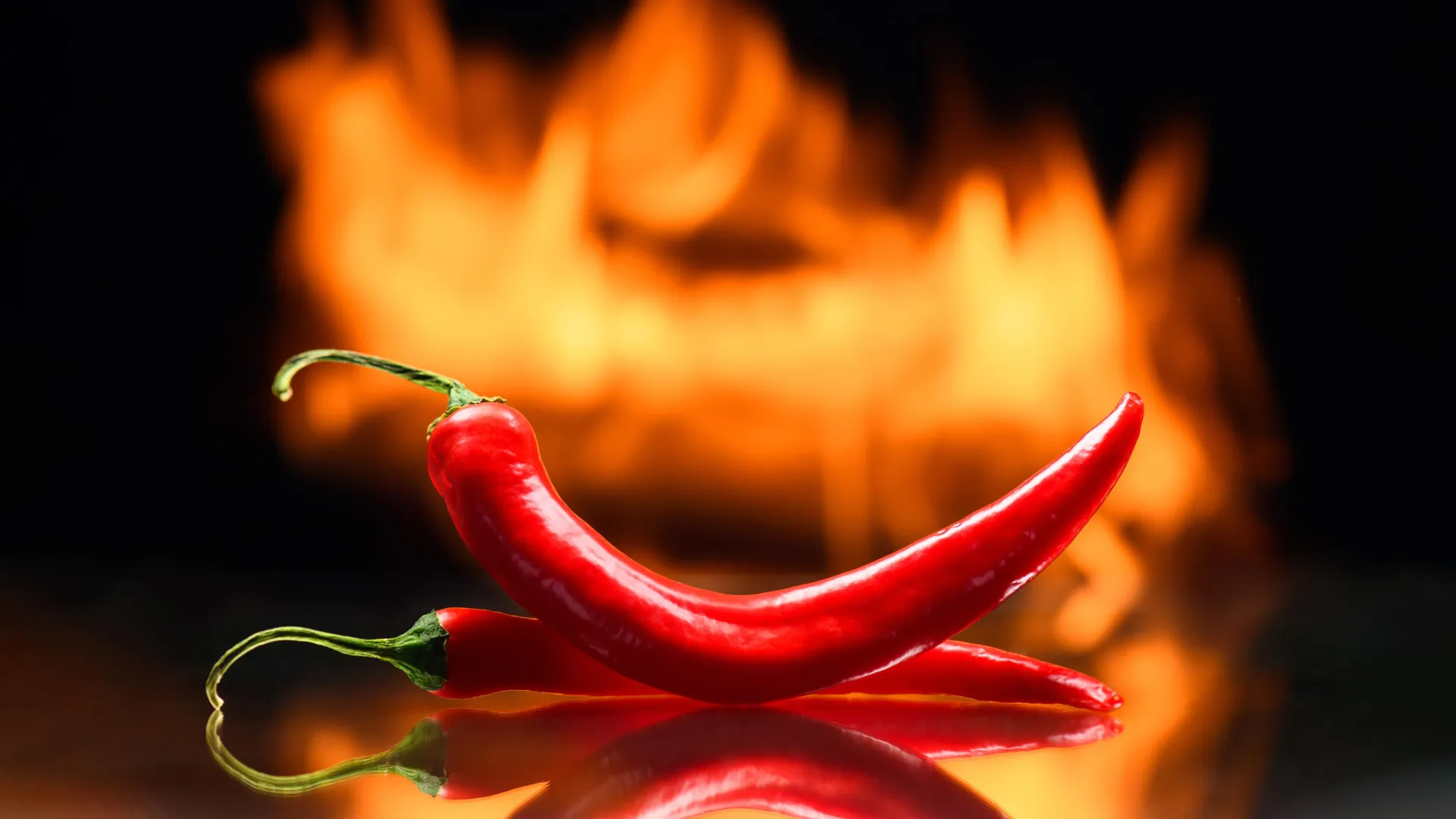
For billions of people across the globe, the inclusion of chili peppers in daily meals is more than just a culinary preference—it is a cultural cornerstone. From the fiery curries of South Asia to the piquant salsas of Mexico and the robust spice blends of sub-Saharan Africa, the chili pepper is a global dietary staple. However, a lingering, contentious question has haunted the scientific community for decades: Does this ubiquitous ingredient, prized for its signature heat, pose a long-term risk to human health, specifically regarding the development of gastrointestinal (GI) cancers?
While laboratory experiments have historically highlighted the anti-inflammatory and potential anticancer properties of capsaicin—the active compound in chili peppers—new evidence suggests a more nuanced, and perhaps troubling, reality. A comprehensive review published in Frontiers in Nutrition has reignited the debate, suggesting that high-level consumption of chili peppers may be linked to an increased risk of certain digestive tract cancers.
Main Facts: The Evidence at a Glance
The recent meta-analysis, which pooled data from 14 observational studies involving over 11,000 participants, offers a sobering look at the potential risks of excessive spice consumption. The primary findings indicate that individuals who consume the highest quantities of chili peppers are approximately 64% more likely to develop gastrointestinal cancers compared to those with minimal intake.
The most significant finding concerns the esophagus. Participants in the high-consumption cohort were nearly three times more likely to develop esophageal cancer than their counterparts who rarely consumed spicy foods. While the data regarding stomach and colorectal cancers were less definitive, researchers noted a trend—a 77% increase in stomach cancer risk among heavy consumers—though this specific figure did not reach statistical significance in the current study.
Crucially, the study authors emphasize that these results are associational, not causal. The distinction is vital: the research identifies a correlation between high spice intake and disease, but it does not definitively prove that the capsaicin molecule itself triggers oncogenesis in humans.
A Chronology of Scientific Inquiry
The scientific fascination with chili peppers began in earnest with the discovery of capsaicin, a lipophilic alkaloid that acts as an agonist for the transient receptor potential vanilloid 1 (TRPV1) ion channel. This receptor is responsible for the sensation of heat and pain in the mouth and throat.
- The Early Era (1980s–1990s): Early research focused primarily on the potential health benefits of capsaicin. Studies published during this period often highlighted its metabolic-boosting effects, its ability to reduce systemic inflammation, and, intriguingly, its capacity to induce apoptosis (programmed cell death) in cancer cells within petri dishes.
- The Shift in Perspective (2000s): As epidemiological data grew, researchers began to notice geographical anomalies. While laboratory results remained largely positive, human observational data from high-consumption regions, such as parts of China and India, began to show higher incidences of esophageal and gastric irritations.
- The Current Decade: The meta-analysis in Frontiers in Nutrition represents a maturation of the field. By moving beyond individual small-scale studies and employing rigorous systematic review methods, scientists have attempted to synthesize the conflicting data that has defined the last thirty years of nutritional research.
Supporting Data: Regional Disparities and the "Dose" Question
One of the most compelling aspects of the recent findings is the stark difference in results across various global regions. The studies indicate that the "chili-cancer link" is not uniform. Data from Asia, Africa, and North America generally reflect a positive correlation between high intake and cancer risk. Conversely, studies conducted in Europe and South America frequently report no such link, or in some instances, suggest a protective effect.
Why Do Results Differ?
Researchers posit that the disparity is likely rooted in a confluence of factors rather than a single biological mechanism:
- Varieties of Peppers: Different regions consume different species of Capsicum. The concentration of capsaicin and the presence of other phytochemicals vary significantly between varieties.
- Preparation Methods: How peppers are prepared—whether raw, dried, pickled, or cooked at high temperatures—can fundamentally change the chemical structure of the food.
- Confounding Variables: In many high-risk regions, high chili consumption often overlaps with other risk factors, including tobacco use, alcohol consumption, and exposure to specific dietary carcinogens like nitrosamines.
- Genetics: Genetic predispositions to chronic inflammation or variations in how the digestive lining repairs itself can influence how different populations respond to long-term chemical irritation.
Why the Esophagus? Investigating the Vulnerability
The esophagus appears uniquely susceptible to the effects of extreme spice. Scientists suspect that the answer lies in the chronic activation of TRPV1 receptors. In individuals who consume vast quantities of spicy food daily, the esophageal lining is subjected to repeated chemical stimulation. This persistent "burning" may lead to chronic irritation, which, over years, could potentially induce cellular damage and increase the rate of tissue turnover, creating a micro-environment where mutations are more likely to occur and persist.
While this remains a hypothesis, it aligns with broader medical knowledge regarding chronic inflammation. Persistent irritation in the GI tract—whether from acid reflux, infection, or diet—is a known precursor to cellular changes that can lead to malignancy.
Official Responses and Clinical Implications
The public health community remains cautious about issuing sweeping dietary changes based on this study. Because the research is observational, it is impossible to isolate chili peppers as the sole culprit.
"We are dealing with a classic ‘dose-response’ question," explains one independent researcher not involved in the study. "We know that in biology, the dose makes the poison. A small amount of capsaicin may provide anti-inflammatory benefits, while an extreme, chronic intake may overwhelm the body’s repair mechanisms."
The "Umbrella" View
Broader "umbrella reviews"—studies that analyze existing systematic reviews—have highlighted the paradoxical nature of spicy foods. When looked at through a macro lens, the same compounds linked to potential GI risks have been associated with a lower risk of cardiovascular disease and premature death. This suggests that the health impact of chili peppers may be highly context-dependent.
The Bigger Picture: Navigating Future Dietary Choices
For the average consumer, these findings do not necessitate a wholesale removal of chili peppers from the diet. Instead, they underscore the importance of moderation and the need for a holistic approach to gastrointestinal health.
Implications for the Future
- Long-term Longitudinal Studies: Future research must track participants over decades, controlling for lifestyle variables like smoking and alcohol, to determine if chili consumption is a direct driver of cancer or simply a marker for other behaviors.
- Defining "High" Consumption: There is currently no standardized definition of "excessive" chili intake. Establishing a threshold—the point at which the potential benefits of capsaicin are eclipsed by the potential risks of chronic irritation—is a critical next step for nutritionists.
- Personalized Nutrition: As we learn more about how genetics influence the way we process different compounds, the guidance on spicy food may eventually move toward personalized recommendations based on individual susceptibility to esophageal or gastric irritation.
Conclusion
The relationship between chili peppers and cancer remains one of the most intriguing puzzles in nutritional science. While the recent review provides a cautionary signal for those who consume extremely high levels of spicy food, it is far from a death knell for the chili pepper.
Until more rigorous, randomized controlled trials are conducted, the best approach for the global population is one of balanced consumption. For most, the chili pepper remains a flavor-enhancing ingredient that brings joy and potential health benefits to the table. However, those with a history of digestive issues or those who consume peppers in quantities that cause persistent, painful irritation should be mindful of the emerging evidence. Science continues to illuminate the path forward, but for now, the message is clear: enjoy the spice, but respect the limits of your body.