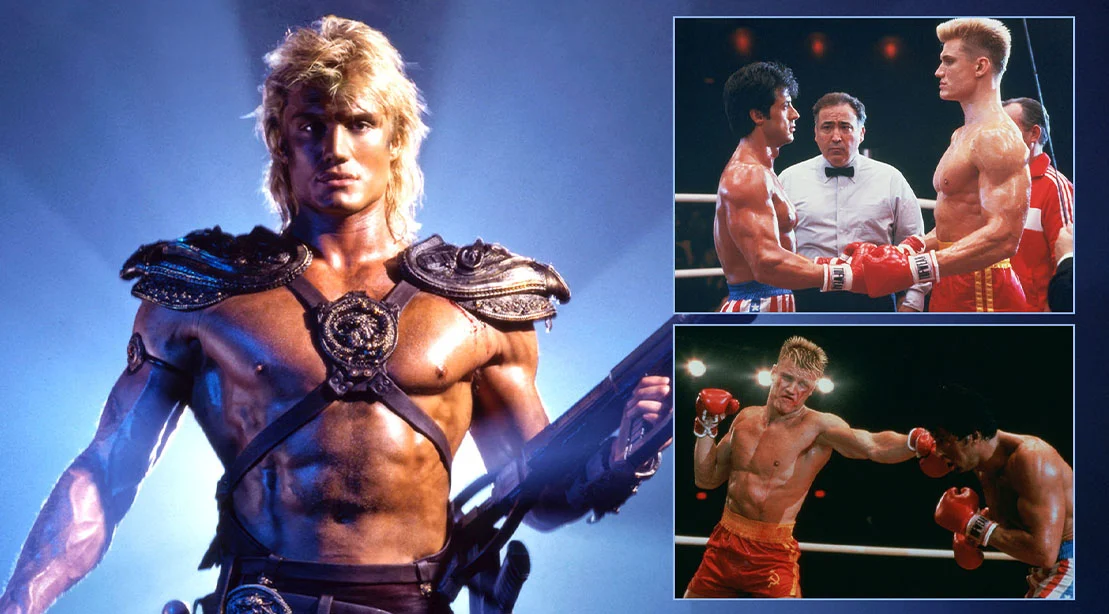
For decades, the world has known Dolph Lundgren as a titan of the silver screen. Standing at a towering 6’5”, he carved his place in cinematic history by embodying the invincible: the relentless Ivan Drago in Rocky IV, the cosmic hero He-Man in Masters of the Universe, and the lethal Gunner Jensen in The Expendables. Yet, behind the chiseled physique and the persona of the indestructible action hero, Lundgren has been quietly waging a war far more harrowing than any scripted conflict.
Following a grueling, decade-long battle with cancer—a secret struggle that nearly claimed his life—Lundgren has emerged not just as a survivor, but as a beacon of resilience. His new autobiography, Fights Worth Fighting: Finding Strength in Struggle, serves as both a memoir and a manifesto for those navigating their own health crises. By peeling back the layers of his legendary career, Lundgren reveals that his greatest strength was never his physical prowess, but his unwavering refusal to surrender when the prognosis was bleak.
Beyond the Action Hero: A Life of Intellectual Depth
To categorize Dolph Lundgren simply as an "action star" is to overlook the man behind the muscles. Born in Sweden, Lundgren was a standout athlete who excelled in ice hockey and martial arts, eventually becoming a fourth-dan black belt and a European champion in 1980 and 1981. However, his intellect proved as formidable as his physical form. Lundgren earned a master’s degree in chemical engineering and was awarded a prestigious Fulbright Scholarship to MIT—a trajectory that suggests a life in academia or research, rather than the bright lights of Hollywood.
Instead, fate intervened. With over 100 credits to his name on IMDb, Lundgren has been one of the most prolific figures in the industry for over 30 years. From his breakout performance opposite Sylvester Stallone in 1985 to his role in the cult classic Universal Soldier franchise, he has cultivated an image of stoic strength. Yet, as he reflects in his latest work, the transition from the lab to the set was a choice driven by a need to channel his immense creative energy. "I think it would have been frustrating for me [to be a teacher]," he tells Muscle & Fitness. "I had that creative side, and a lot of energy. I think I made the right choice."
Chronology of a Crisis: A Decade in the Shadows
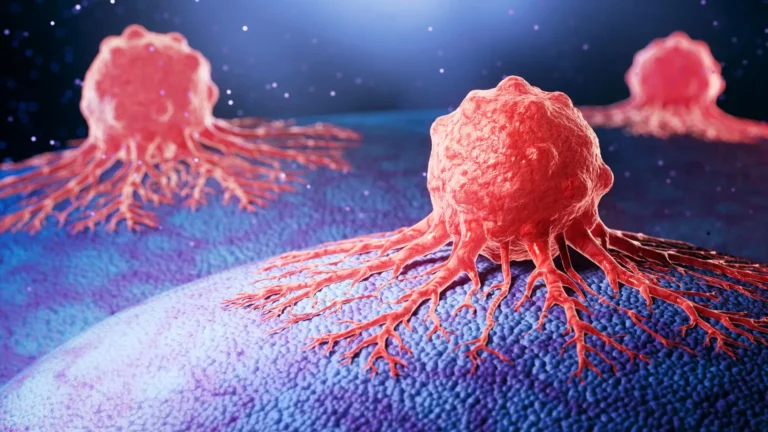
The story of Lundgren’s health began in 2015, following a routine training session. The discovery of blood in his urine served as the initial warning sign. Medical testing subsequently confirmed the presence of a cancerous tumor in his kidney. The initial surgery appeared successful, and for a time, the star believed the danger had passed.
However, the reality of the disease proved more insidious. In 2020, follow-up examinations revealed that the cancer had returned, with several new tumors identified in close proximity to the original site. The situation escalated when a malignant, inoperable tumor was discovered in his liver.
The treatment path was punishing. Lundgren underwent rigorous drug infusions every three weeks, all while dealing with the debilitating side effects of medication, including severe blood clots. The toll was so significant that, at one point, his medical team delivered a crushing prognosis: the cancer had continued to spread, and he was advised to spend his remaining time with his family. The hero who had saved the fate of Planet Eternia was suddenly facing the most definitive, final battle of his own life.
The Turning Point: The Power of a Second Opinion
In the face of a terminal diagnosis, many would have retreated from the public eye. Lundgren, however, chose a different path. He sought an alternative opinion at UCLA Health, a decision he now credits with saving his life. Under the care of Dr. Alexandra Drakaki, a new approach was taken: the team analyzed tissue samples and identified a specific mutation previously associated with lung cancer.
This scientific breakthrough was the turning point. By tailoring a treatment protocol to target this specific genetic marker, the medical team achieved the impossible. The tumors began to shrink—some by as much as 90 percent. This reduction allowed the medical team to surgically remove or destroy the remaining cancerous tissues through ablation—a procedure utilizing heat, cold, or lasers to eradicate the malignancy. By late 2024, the actor was officially declared cancer-free, marking the conclusion of a harrowing, decade-long ordeal.
Lessons in Resilience: The "Fights Worth Fighting"
Lundgren’s book is more than a recap of his medical history; it is a meditation on the human spirit. Reflecting on the writing process, he likens the experience to a therapeutic journey. "You’re going back and re-examining your life," he notes. "It was good for me, because it was a way for me to appreciate the young man who set out from Sweden on some sort of adventure, pay my respects to him to some degree, and internally, just kind of feel good about myself."
His message is clear: when faced with an overwhelming challenge, one must advocate for oneself. "I was reluctant to do it at first," he admits regarding the decision to seek a second opinion. "I ended up being smart enough to just go ahead and get a second opinion. I just had a feeling about it… it turned out to be the right decision." He hopes that his transparency will empower others—whether they are facing a medical diagnosis or personal hardship—to keep fighting.
Staying the Course: Fitness at 68
Even at 68, Lundgren remains a powerhouse of discipline. His commitment to physical fitness has been a cornerstone of his recovery. "It’s very important, as you get older, to keep your muscle mass, keep your testosterone level up," he says. Lundgren maintains a consistent regimen, training three times per week and blending traditional weightlifting with his lifelong passion for karate.
He emphasizes that strength training was not just a vanity project, but a functional necessity that carried him through the darkest days of his treatment. "Those treatments were quite tough, so the strength training really helped me." He advocates for a balanced approach to wellness, noting that even 30 minutes of physical activity—provided it is done "away from your computer"—can yield significant benefits for both the body and the mind.
The Broader Implications: A Legacy of Inspiration
Dolph Lundgren’s journey offers a profound lesson on the intersection of physical strength and mental fortitude. In a culture that often views action stars as caricatures of invincibility, Lundgren has demonstrated that true strength is found in vulnerability and the willingness to ask for help.
His upcoming documentary, Dolph: Unbreakable, set to stream on October 6, 2026, promises to provide a deeper look at the man who has survived where others might have failed. By sharing his struggle, he has redefined what it means to be a hero. He is no longer just the man who stood up to Rocky Balboa; he is the man who stood up to a terminal diagnosis and won.
For those interested in his journey, Fights Worth Fighting is currently available, and fans can continue to follow his advocacy for health and fitness on his social media platforms. Lundgren’s life remains a testament to the idea that no matter how steep the odds, there is always a fight worth winning—provided one has the courage to start.
For more information on Dolph Lundgren’s book, click here. To keep up with his daily training and recovery, follow him on Instagram.