







By Our Staff Writer, drawing on insights from Rachel Noia, MS, CCC-SLP
Wallingford, Conn. – The indelible mark left by the COVID-19 pandemic on global health systems is often discussed in terms of patient mortality, vaccine development, and economic disruption. Yet, beneath these macro narratives lies a profound and often unacknowledged truth: the immense emotional toll borne by frontline healthcare professionals. Rachel Noia, MS, CCC-SLP, a Clinical Specialist in Dysphagia Education at Gaylord Specialty Healthcare, offers a searingly honest perspective from the trenches of rehabilitation, illuminating the "emotional labor" that forms the invisible backbone of patient care in a post-COVID world. Her experiences, deeply personal yet universally resonant, highlight a critical dimension of healthcare that defies conventional metrics but defines its very essence.
The pandemic thrust healthcare workers into an unprecedented crucible, forcing them to confront not only a deadly, enigmatic virus but also the rawest forms of human suffering, fear, and grief. Noia’s narrative, steeped in the realities of a Speech-Language Pathologist’s (SLP) daily life, peels back the layers of medical professionalism to reveal the profound emotional landscape that clinicians navigate. It’s a landscape where professional duty intertwines with personal vulnerability, where moments of triumph are shadowed by inescapable despair, and where the silent acts of compassion become the most meaningful interventions of all. This article delves into Noia’s insights, expanding on the chronology of the pandemic’s impact, supporting data on healthcare worker well-being, official responses to this crisis, and the enduring implications for the future of healthcare.
The Main Facts: Beyond Physical Recovery, The Weight of Emotional Labor
At the heart of Rachel Noia’s reflection is the assertion that rehabilitation, while outwardly focused on physical strength, skill acquisition, and independence, is fundamentally intertwined with "emotional labor." This concept, often discussed in sociology regarding service industries, takes on a uniquely profound meaning in healthcare. For Noia and her colleagues, it means consistently managing and displaying emotions in a way that is congruent with the demands of their role, even when their internal emotional state is vastly different. It’s the ability to project calm, hope, and unwavering professionalism, even when faced with unimaginable suffering or personal anguish.
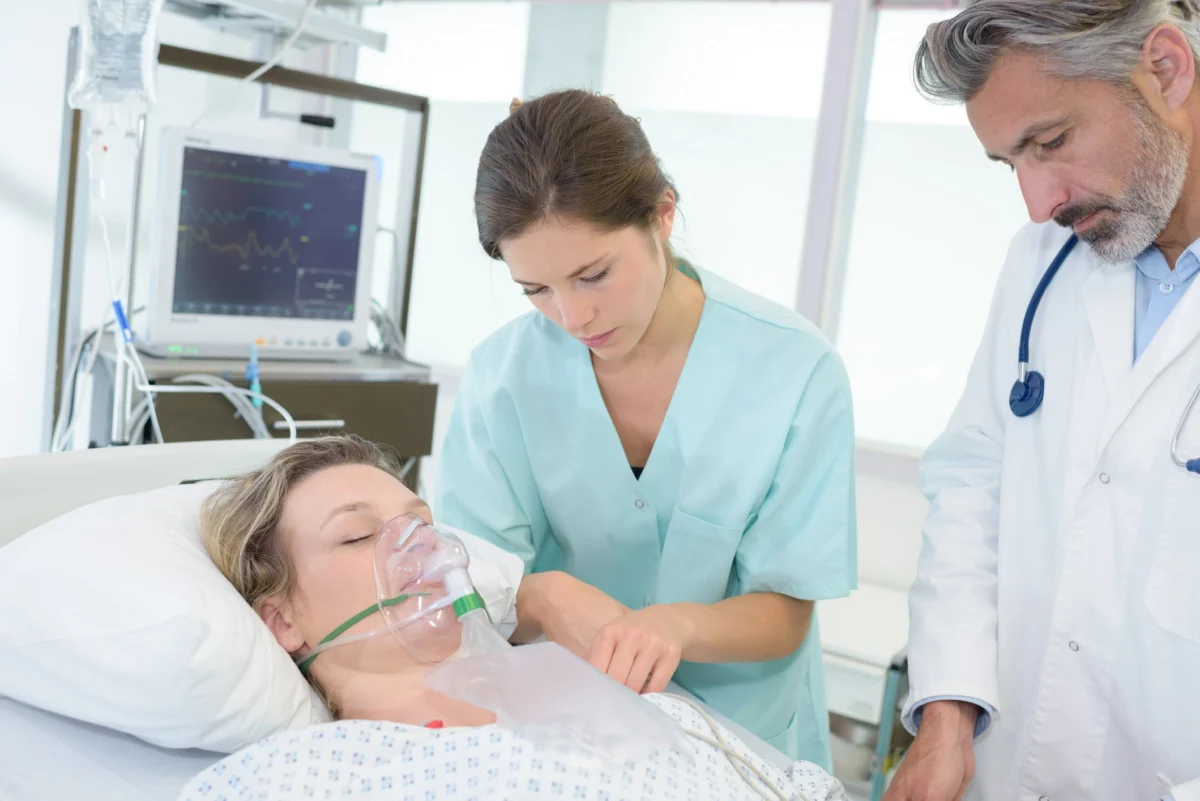
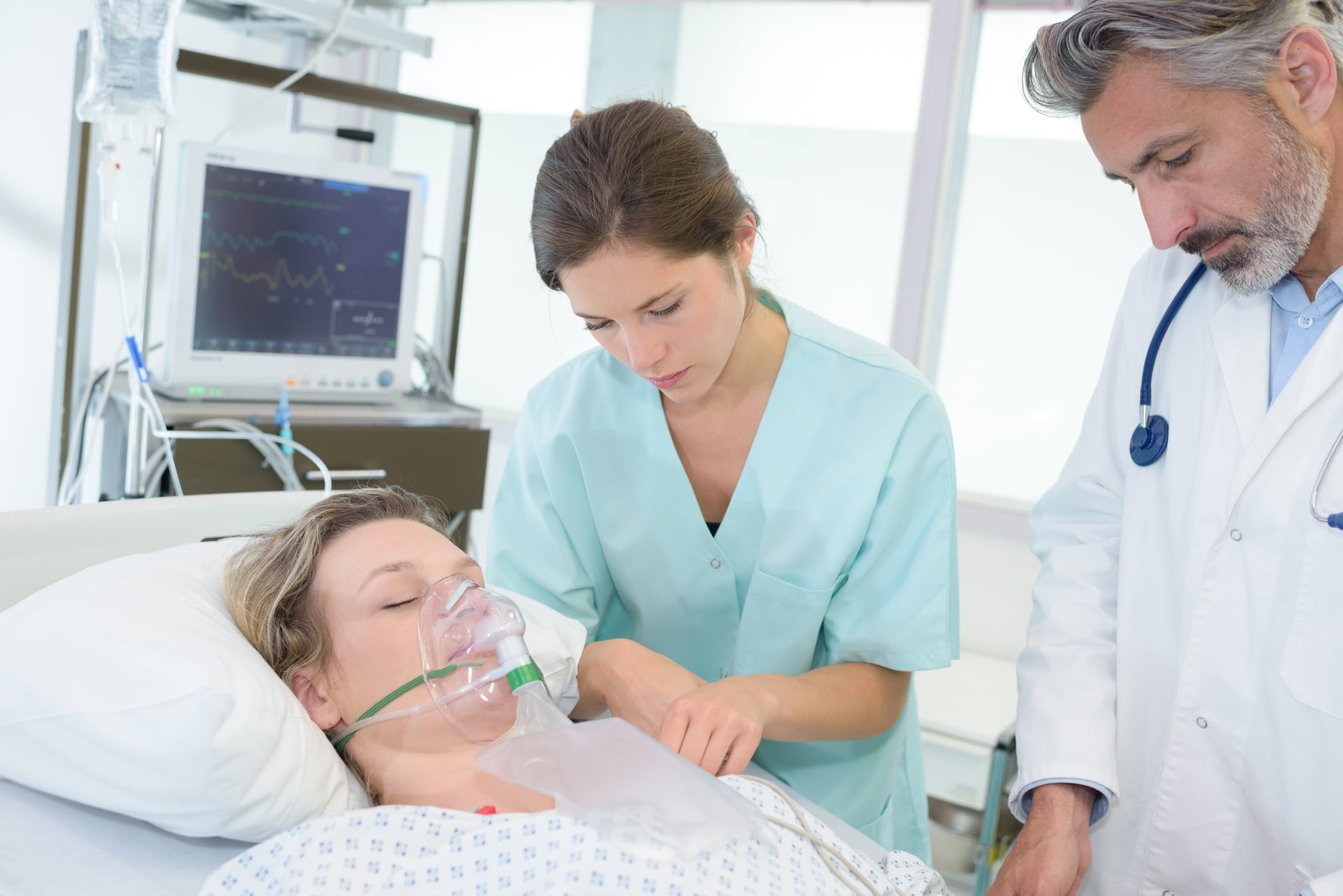
Noia recounts a particularly searing memory: the sight of a beloved colleague, a dedicated patient care technician, reduced to an unresponsive, ventilator-dependent patient, "almost melting into her hospital bed, ravaged by COVID." This visceral image encapsulates the pandemic’s brutal reality and the personal stakes involved for healthcare workers who saw their peers, friends, and family succumb to the virus. For an SLP, tasked with restoring fundamental human functions like speaking, swallowing, and cognitive clarity, the weight of such cases is immense. It’s the sacred responsibility of helping patients "speak again, eat again, remember their children’s names" – a task Noia describes as "heavy," "profound," and "sacred."
The core challenge, as Noia articulates, is the constant demand for emotional compartmentalization. Healthcare professionals become adept at placing intense emotions on a "shelf" – a temporary mental space – to ensure that each patient receives 100% of their attention. This isn’t a dismissal of feeling, but a necessary survival mechanism to function effectively in a high-stakes environment. However, this "shelf" is never permanent. The stored emotions invariably resurface, sometimes unexpectedly, long after the shift ends, during a family outing, or in the quiet hours of the night. This highlights the hidden, unquantifiable cost of compassion and dedication in a system that often prioritizes measurable outcomes above all else.
Chronology: A Journey Through the Pandemic’s Shifting Tides
The COVID-19 pandemic unfolded in distinct phases, each presenting unique challenges for healthcare professionals, particularly for specialists like Speech-Language Pathologists.
Pre-Pandemic Realities (Before Early 2020): Before the global health crisis, SLPs already played a vital role in rehabilitation, addressing communication, swallowing (dysphagia), and cognitive disorders resulting from strokes, traumatic brain injuries, progressive neurological diseases, and cancer. Their work, though demanding, generally operated within established protocols and predictable patient profiles. Emotional challenges were present, but the sheer scale and virulence of COVID-19 introduced an entirely new paradigm of stress and trauma.
The Onset and Early Shock (Early 2020): The initial wave of COVID-19 brought unprecedented chaos. Hospitals rapidly transformed, converting wards into intensive care units, and staff grappled with evolving understanding of the virus, scarcity of personal protective equipment (PPE), and overwhelming patient loads. SLPs, accustomed to close patient interaction, suddenly faced layers of PPE, communication barriers, and the terrifying prospect of contagion. Many were redeployed or had to adapt their practices to virtual care where possible, or to high-acuity settings where their skills in managing ventilated patients and those with tracheostomies became even more critical. The uncertainty was palpable, and fear was a constant companion.
The Peak of the Crisis and Personal Impact (Mid-2020 to Early 2021): This period saw the pandemic rage, pushing healthcare systems to their breaking point. It was during this time that Rachel Noia experienced the profound shock of treating her colleague. The memory, "forever etched into my brain," speaks to the blurring lines between professional and personal life that characterized this era. Her colleague, once a vibrant caregiver, was now "reduced to a ventilator, unresponsive," her body "ravaged by COVID." Noia vividly recalls the internal conflict: "Where to begin? How to begin? Checking my feelings at the door, I entered." This moment encapsulates the daily struggle of clinicians to maintain professional composure while confronting the devastating reality of the virus affecting someone they knew and respected.
For SLPs, the challenges were multifaceted. Prolonged intubation and ventilation, common for severe COVID-19, led to widespread dysphagia (swallowing difficulties), often severe, requiring extensive rehabilitation. Patients also presented with significant voice and speech impairments (aphonia, dysphonia, vocal fold paresis) due to laryngeal trauma from intubation or generalized weakness. Perhaps most insidiously, "COVID brain fog" – cognitive-linguistic deficits affecting memory, attention, executive function, and problem-solving – became a prevalent issue, directly impacting patients’ ability to return to independent living and work. SLPs were at the forefront of addressing these complex, interconnected issues.
The Rehabilitation Arc and Lingering Effects (Late 2021 Onwards): As acute care transitioned to long-term recovery, rehabilitation facilities like Gaylord Specialty Healthcare became critical. The journey of Noia’s colleague from ventilator dependence to "full recovery" was a testament to the dedication of the entire rehabilitation team. "Slowly, day by day, pieces of her regenerated and strengthened. The person I knew began to reconfigure." This period involved intensive, multidisciplinary therapy, with SLPs guiding patients through the painstaking process of relearning to swallow safely, regain their voice, and sharpen their cognitive abilities.
However, even with successful physical recovery, the emotional echoes persisted. Noia confesses, "I don’t think that I truly understood until years later how much I had compartmentalized all of that fear, uncertainty, imagery, and sadness I faced while treating her." This delayed recognition of emotional burden is a common thread among healthcare professionals, underscoring the long-term psychological impact of sustained trauma and the necessity of coping mechanisms that, while vital in the moment, defer the processing of grief and stress. The colleague’s eventual return to her family marked a hopeful ending, yet the "load" carried by Noia and others remained, subtly shaping their professional identities.
Supporting Data: Quantifying the Unseen Toll
Rachel Noia’s personal reflections are powerfully supported by a growing body of research detailing the mental health crisis among healthcare workers post-COVID. While compassion and emotional labor are difficult to quantify directly, their absence or mismanagement has tangible, negative consequences for both clinicians and patients.
The Scope of Emotional Labor: Sociologist Arlie Hochschild first introduced the concept of "emotional labor" in 1983, defining it as the management of feeling to create a publicly observable facial and bodily display. In healthcare, this means consistently demonstrating empathy, reassurance, and positivity, even when personally exhausted, grief-stricken, or frustrated. This constant emotional regulation is taxing, leading to emotional exhaustion, a core component of burnout. Studies show that professions requiring high emotional labor, particularly those involving suffering, are at higher risk of burnout.
Burnout and Mental Health Crisis: Numerous reports and studies have documented alarming rates of burnout, depression, anxiety, and post-traumatic stress disorder (PTSD) among healthcare workers globally during and after the pandemic.
- A 2021 study published in JAMA Network Open found that nearly one in three healthcare workers reported symptoms of depression and anxiety during the pandemic.
- Surveys by the American Medical Association (AMA) and other professional bodies indicated that burnout rates, already high before COVID-19, significantly worsened, with many contemplating leaving the profession.
- SLPs were not immune. The American Speech-Language-Hearing Association (ASHA) reported members experiencing increased stress, anxiety, and ethical dilemmas due to the pandemic, particularly concerning resource allocation and patient safety.
The Impact on SLP-Specific Roles: The unique challenges faced by SLPs during COVID-19 further intensified emotional labor:
- Dysphagia Management: Caring for patients with severe dysphagia post-intubation often involves difficult conversations with families about feeding tubes, aspiration risk, and quality of life. The emotional weight of potentially denying a patient oral intake or witnessing aspiration events is significant.
- Communication Barriers: Intubated or tracheostomized patients cannot speak. SLPs facilitate alternative communication, but the frustration and fear experienced by patients unable to communicate their basic needs or fears is profound, and caregivers absorb much of this emotional distress.
- Cognitive Rehabilitation: Addressing "brain fog" requires immense patience and empathy. Patients often struggle with self-awareness of their deficits, leading to frustration, anger, or despair, which SLPs must navigate with sensitivity and resilience.
- Moral Injury: This concept, distinct from PTSD, describes the psychological distress that results from actions, or lack of them, which violate one’s own moral or ethical beliefs. Many healthcare workers experienced moral injury during the pandemic when they felt unable to provide adequate care due to systemic failures, resource shortages, or overwhelming patient numbers, contributing to deep-seated emotional wounds.
The "Shelf" and Delayed Processing: Noia’s metaphor of the "shelf" aligns with psychological concepts of suppression and dissociation, coping mechanisms that are effective in acute trauma but can lead to delayed onset of symptoms. The "shelf comes down" when the immediate threat subsides, allowing previously compartmentalized emotions to surface, often unexpectedly, highlighting the need for ongoing mental health support for years after the crisis.
The Unmeasurable Value of Compassion: Noia poignantly notes, "There is no productivity metric, billing code, or quality outcome that measures compassion." This stark reality underscores a systemic flaw. Healthcare systems, driven by efficiency and reimbursement, often fail to recognize or reward the profound impact of empathetic care. Yet, as Noia asserts, these moments of compassionate connection are "often at the heart of rehabilitation," forming the most meaningful work clinicians do. The absence of such metrics means that the significant emotional energy expended remains largely invisible and undervalued, contributing to burnout and a sense of professional isolation.
Official Responses: Acknowledging the Crisis, Navigating the Gaps
Recognizing the severe toll on their workforce, healthcare institutions, professional organizations, and governments have initiated various responses, though their efficacy and reach remain subjects of ongoing debate.
Healthcare System Initiatives: Many hospitals and healthcare networks have implemented programs aimed at supporting staff mental well-being. These include:
- Employee Assistance Programs (EAPs): Offering confidential counseling services.
- Peer Support Programs: Connecting staff with colleagues who have shared similar experiences.
- Resilience Training: Workshops focused on stress management, mindfulness, and coping strategies.
- Debriefing Sessions: Structured opportunities for teams to process traumatic events.
- On-site Mental Health Professionals: Providing readily accessible psychological support.
However, accessibility, stigma, and time constraints often limit the effectiveness of these programs. Many clinicians, particularly those with demanding schedules, find it difficult to engage in these services, or fear professional repercussions if they admit to struggling.
Professional Organization Support: Organizations like the American Speech-Language-Hearing Association (ASHA) have provided resources tailored to SLPs, including:
- Clinical Guidelines: Adapting practices for telehealth and COVID-19 patient management.
- Webinars and Educational Materials: Addressing ethical dilemmas, infection control, and mental health.
- Advocacy: Lobbying for better working conditions, fair reimbursement, and mental health support for members.
These efforts have been crucial in providing professional guidance and a sense of community, but they often lack the direct, intensive mental health intervention required for deep-seated trauma.
Government and Policy Responses: In some regions, governments allocated specific funding or enacted legislation to support healthcare workers during the pandemic. Examples include:
- Emergency Funding: To bolster healthcare infrastructure and staffing, indirectly alleviating pressure on existing staff.
- Mental Health Parity Laws: Reinforcing coverage for mental health services, though access remains an issue.
- Recognition and Appreciation Campaigns: While boosting morale, these rarely translate into tangible systemic changes or direct mental health interventions.
Despite these efforts, a comprehensive, sustained national strategy to address healthcare worker burnout and moral injury remains largely elusive. The focus has often been on immediate crisis management rather than long-term systemic change to support the emotional well-being of the workforce. The "Great Resignation" in healthcare, where many professionals left the field citing burnout and dissatisfaction, underscores the inadequacy of current responses.
Implications: Reshaping Healthcare for a More Empathetic Future
Rachel Noia’s perspective is more than a personal account; it’s a clarion call for a fundamental re-evaluation of how healthcare is structured, valued, and sustained. The implications of recognizing emotional labor are far-reaching, impacting workforce stability, patient care, and the very definition of healing.
Long-Term Impact on the Healthcare Workforce: The experiences of the post-COVID era will undoubtedly shape the future of healthcare. A new generation of clinicians will enter the field acutely aware of its psychological demands. Without robust support systems and a culture that prioritizes well-being, the exodus of experienced professionals will continue, exacerbating staffing shortages and potentially compromising patient care. Investing in the mental health of healthcare workers is not just an ethical imperative but a strategic necessity for workforce retention and resilience.
Redefining "Rehabilitation" and "Healing": Noia’s narrative forcefully argues for an expanded definition of rehabilitation. It must explicitly include emotional and psychological recovery as integral components, alongside physical and cognitive restoration. True healing encompasses the patient’s mental well-being, their sense of dignity, and their ability to process trauma. This requires a holistic approach where SLPs, alongside other therapists, are equipped not only with clinical skills but also with training in psychological first aid and trauma-informed care.
The Imperative for Systemic Change: The "shelf" metaphor underscores the unsustainable nature of current demands on healthcare workers. Systemic changes are needed to create a healthier work environment:
- Adequate Staffing Levels: Reducing overwhelming workloads is crucial to allow clinicians time for self-care and to provide comprehensive, empathetic care.
- Workload Management: Implementing realistic patient-to-staff ratios and reducing administrative burdens.
- Mandatory Mental Health Breaks: Integrating wellness breaks and access to mental health support as a standard part of professional practice.
- Culture of Psychological Safety: Creating environments where clinicians feel safe to express their struggles without fear of judgment or professional repercussions.
- Valuing Emotional Labor: Developing ways to acknowledge and support emotional labor, even if it cannot be easily billed. This could involve protected time for debriefing, mentorship programs, and leadership training that emphasizes empathy.
Patient Outcomes and Satisfaction: The connection between clinician well-being and patient care is undeniable. A burned-out, emotionally exhausted clinician is less likely to provide optimal, empathetic care. Conversely, a supported and resilient workforce can deliver higher quality care, fostering better patient outcomes and satisfaction. Patients, too, benefit when their caregivers are present, compassionate, and attuned to their emotional needs.
Public Awareness and Support: Rachel Noia’s powerful account serves as a vital call to public awareness. Understanding the full scope of healthcare work—beyond the visible medical procedures—fosters greater empathy for clinicians. This public understanding can, in turn, drive political will and societal support for policies that better protect and sustain those who care for us in our most vulnerable moments.
Rachel Noia concludes by reflecting that these profound experiences "forever stay with us, mold us, and quietly shape us into the clinicians we were meant to be. It is the price and the privilege of a career in healthcare." Her words resonate as a testament to the enduring human spirit within the medical profession. As we move further into a post-COVID era, her insights serve as a crucial reminder that true recovery—for both patients and providers—demands a compassionate reckoning with the unseen burden of emotional labor, ensuring that those who heal us are themselves healed and supported. The challenge now is to translate this profound understanding into tangible, lasting change, making compassion not just an unmeasurable act, but a recognized and celebrated cornerstone of healthcare.
Rachel Noia, MS, CCC-SLP, is a Clinical Specialist in Dysphagia Education at Gaylord Specialty Healthcare, Wallingford, Conn, a provider of complex medical care and rehabilitative services. Noia, who specializes in medically complex dysphagia management and inpatient rehabilitation, received her Master’s Degree in Communication Disorders from Southern Connecticut State University. Her professional interests include ethical considerations in dysphagia care, pneumonia prevention, and palliative dysphagia management. She is also a certified dementia practitioner.