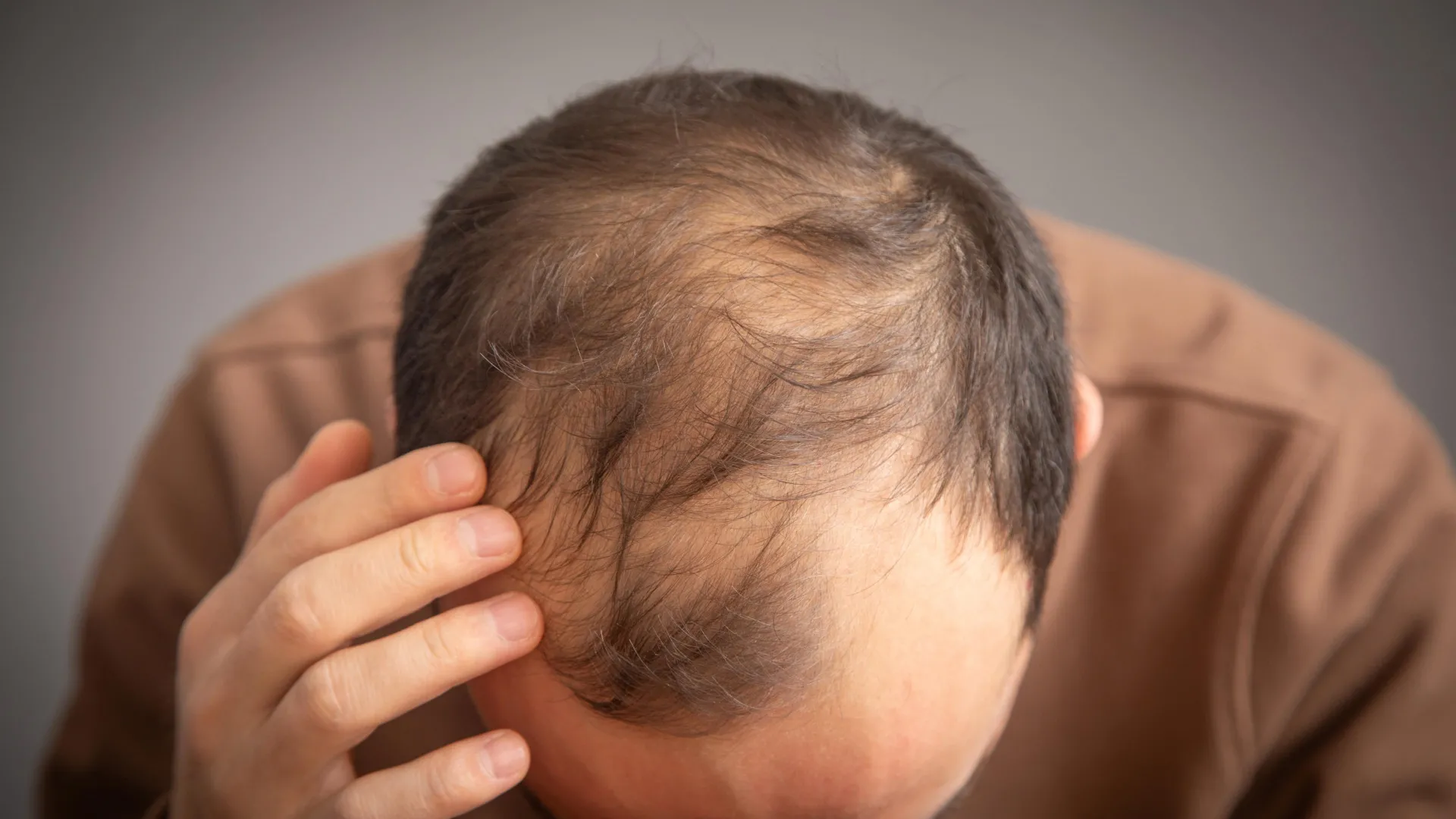
For millions of Americans navigating the complexities of type 2 diabetes and the challenges of obesity, the arrival of GLP-1 receptor agonists—marketed under names like Ozempic, Wegovy, and Zepbound—has been nothing short of transformative. These medications have fundamentally altered the landscape of metabolic health, offering unprecedented results in weight management and glycemic control. However, as the popularity of these drugs has surged, so too have anecdotal reports of a distressing side effect: hair thinning and loss.
Until now, the medical community largely dismissed this phenomenon as a secondary consequence of rapid physiological changes, specifically the stress placed on the body by swift weight loss. But a groundbreaking study from NYU Langone Health, published September 3 in the Journal of Investigative Dermatology, suggests the story is far more complex. The research provides the first scientific evidence of a genetic bridge between GLP-1 medications and androgenetic alopecia, the most common form of male-pattern baldness, suggesting that some users may be biologically predisposed to shedding hair as a direct result of their treatment.
The Genetic Investigation: Decoding the GLP1R Gene
At the heart of the study is the GLP1R gene, which dictates the body’s natural production of glucagon-like peptide-1 (GLP-1) receptor proteins. These proteins are the biological "locks" that GLP-1 medications target to stimulate insulin release and suppress appetite.
Researchers led by Dr. Lynn Petukhova, an assistant professor in the Ronald O. Perelman Department of Dermatology and the Department of Population Health at NYU Grossman School of Medicine, sought to determine if the activity of this gene serves as a biological indicator for hair loss. By mapping the genetic patterns associated with higher levels of GLP-1 receptor proteins and overlaying them with the genetic architecture of men suffering from androgenetic alopecia, the team identified a startling correlation.
The study indicates that men who carry the genetic variants responsible for higher natural expression of GLP-1 receptor proteins are significantly more likely to experience hair loss. Even when controlling for other physiological variables, the data revealed a persistent 7 percent increased risk of androgenetic alopecia directly linked to the genetic pathway activated by these medications.
Chronology of a Growing Concern
The rise of GLP-1 agonists is one of the most significant medical stories of the 21st century. Since the FDA approval of semaglutide (Ozempic) in 2020, prescriptions have tripled, with surveys suggesting that roughly 12 percent of the American population has utilized these drugs for weight loss.
A Timeline of the Hair Loss Paradox:
- 2020–2021: Early adoption of GLP-1 agonists leads to widespread reports of rapid weight loss. Alongside these successes, patients begin flooding online forums and dermatological clinics with reports of hair thinning.
- 2022–2023: Medical consensus attributes the hair loss to "telogen effluvium"—a form of temporary hair shedding caused by extreme stress, nutritional deficiencies, or rapid systemic changes common in rapid weight loss.
- 2024: The NYU Langone study shifts the narrative. By utilizing massive genetic databases (eQTLGen and the Complex Traits Genetics group), researchers provide the first evidence that the hair loss might not just be a byproduct of weight loss, but an underlying genetic interaction with the medication itself.
The researchers note that while hair thinning often reverses once a patient’s weight stabilizes, the genetic predisposition identified in this study suggests that for some, the damage may be more deeply rooted in their biological response to the drug’s mechanism of action.
Analyzing the Data: Ruling Out Confounders
One of the most rigorous aspects of the NYU Langone study was the team’s determination to isolate the GLP-1 effect from other potential causes of hair loss. Medical researchers often struggle with "confounding variables"—external factors that might create a false correlation.
Eliminating Hypertension
High blood pressure is a known culprit in hair follicle degradation, as it can restrict the vital blood flow required to sustain healthy hair growth. When the research team adjusted their statistical models to account for hypertension, the 7 percent increased risk remained statistically significant, confirming that blood pressure issues were not the primary driver of the GLP-1-linked shedding.
Insulin Resistance and Testosterone
The team further examined whether insulin resistance—the core metabolic issue treated by these drugs—or fluctuations in testosterone levels could explain the hair loss. Again, the analysis showed that neither condition accounted for the link. The persistence of the 7 percent risk regardless of these factors strongly supports the hypothesis that the GLP-1 signaling pathway has a direct, independent impact on the hair follicle life cycle.
"Our study provides the first genetic link between GLP-1 use and an increased risk of male-pattern hair loss," Dr. Petukhova stated. "It is an association that has been long suspected by clinicians but until now, had not been demonstrated through a rigorous scientific lens."
Implications: The Future of Personalized Prescribing
The discovery of this genetic marker opens the door to a new era of "precision dermatology" in the context of metabolic medicine. If doctors can identify who is at risk before they ever pick up their first prescription, they can better manage patient expectations and mitigate side effects.
Potential for Genetic Screening
Dr. Petukhova envisions a future where patients undergo a simple genetic screening prior to initiating GLP-1 therapy. "If future experiments prove successful, some men, and possibly women, could be screened and benchmarked for their risk of hair loss," she explains.
Proactive Treatment Strategies
For those identified as "high risk" by a genetic screen, the solution may not be to abandon weight-loss therapy, but to adopt a "combination therapy" approach. This could involve the prophylactic use of hair-growth stimulants like minoxidil (Rogaine) or other pharmacological interventions designed to bolster hair follicle health while the patient undergoes metabolic treatment.
However, the team stresses that more research is needed to determine the precise mechanism by which GLP-1 activity interferes with follicle growth. Furthermore, while this study focused on men—as male-pattern hair loss is better documented in existing genetic databases—the researchers are eager to investigate whether this same genetic connection manifests in female patients, who represent a significant portion of the GLP-1 user demographic.
Official Responses and Ethical Considerations
The study’s findings are bolstered by the scale of the data utilized. By drawing on information from over 200,000 individuals, the research team ensured that their findings were robust and representative.
However, the researchers have been transparent regarding potential conflicts of interest. Several of the study’s co-investigators, including Drs. Jerry Shapiro and Kristen Lo Sicco, have previously served as investigators for hair loss pharmaceuticals and devices manufactured by major industry players like Pfizer and Regen Labs. Dr. Lo Sicco has also served as a paid consultant for various pharmaceutical firms.
NYU Langone Health has emphasized that all such relationships are managed in strict accordance with institutional policies to ensure the integrity of the research. Despite these industry ties, the study’s publication in the Journal of Investigative Dermatology—a peer-reviewed, high-impact publication—serves as a testament to the validity of the methodology and the significance of the findings.
Conclusion: A Nuanced Path Forward
As the medical community continues to embrace GLP-1 agonists as a frontline defense against the global obesity epidemic, the priority must remain on patient well-being. The realization that these life-changing drugs carry a genetic risk for hair loss does not negate their value; rather, it highlights the need for a more nuanced, patient-centered approach to prescribing.
For the estimated 50 percent of white American males over the age of 50 who already face the prospect of androgenetic alopecia, this study provides a crucial piece of the puzzle. It validates their experiences and points toward a future where metabolic health does not come at the expense of physical appearance. As research continues to advance, the goal remains clear: to provide patients with the tools they need to improve their longevity and health, while empowering them with the information necessary to protect their quality of life.