











As we traverse the decades, the silent erosion of physical capability often goes unnoticed until it manifests as a struggle to climb a flight of stairs or a lapse in balance. Building and maintaining strength is not merely a vanity project for the gym-going population; it is an essential pillar of longevity. Shortly after the age of 30, the body begins a natural, gradual decline in muscle mass and bone density. Left unchecked, this progression can lead to sarcopenia (the degenerative loss of skeletal muscle) and osteoporosis, conditions that significantly impair quality of life.
However, the trajectory of aging is not set in stone. Through targeted resistance training, individuals can effectively offset these age-related challenges. Among the various tools in a longevity practitioner’s arsenal, the wall sit stands out as a deceptively simple yet highly revealing metric of functional leg strength. We spoke with Dr. Reuben Chen, a Board-Certified Sports Medicine Physician and Chief Medical Advisor at Sunrider International, to decode what your wall sit duration says about your current fitness and future mobility.
The Main Facts: Defining the "Top-Tier" Benchmark
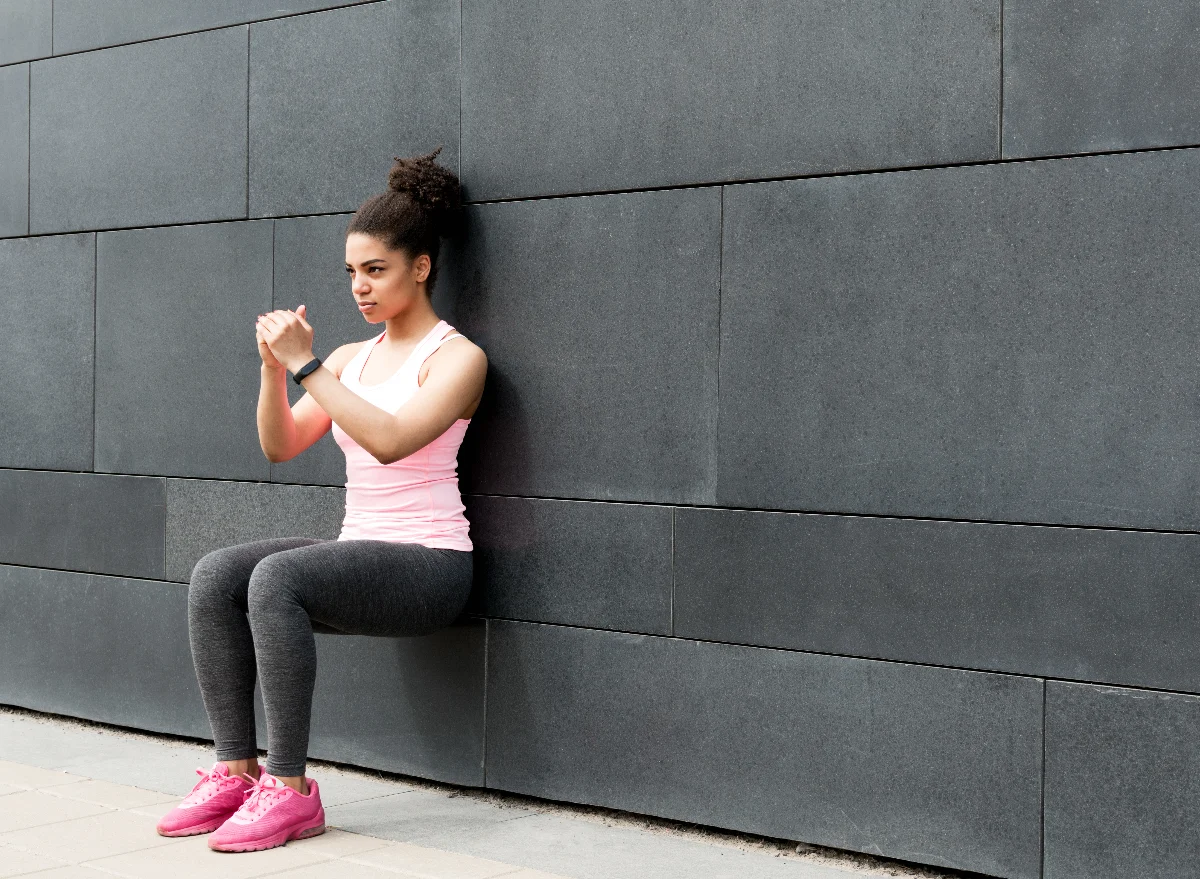
The wall sit is an isometric exercise that requires the user to maintain a squatting position against a flat vertical surface. While the movement appears static, it demands profound muscular endurance from the lower body.
According to Dr. Chen, the "ideal" time for a wall sit is highly contextual, varying by age, sex, and individual fitness history. However, general population benchmarks suggest that the average person can hold the position for approximately 20 to 40 seconds. Those who can surpass the 40-second mark are considered to have above-average leg strength compared to their peers.
The gold standard—the "top-tier" status—is achieving a sustained hold of 90 seconds or more. If an individual over the age of 60 can achieve this, it serves as a powerful indicator of excellent muscular endurance, functional mobility, and physical independence. Conversely, those struggling to maintain the position for 20 to 30 seconds are likely experiencing below-average leg strength, signaling a clear opportunity for targeted intervention.
Chronology: The Progressive Impact of Aging on Muscle
To understand why the wall sit is such a vital test, one must look at the timeline of human physical decline.
- The Third Decade (Age 30+): The physiological clock begins to tick. Muscle mass starts to decrease at a rate of 3% to 5% per decade. This is often accompanied by a decrease in metabolic rate and a gradual reduction in bone mineral density.
- The Fourth and Fifth Decades: If sedentary habits take hold, the "use it or lose it" principle accelerates. The stabilizer muscles around the knees and hips begin to weaken, leading to altered gait patterns and a higher risk of joint discomfort.
- The Sixth Decade and Beyond: This is the critical window where sarcopenia can impact daily living. Tasks such as rising from a low chair, carrying groceries, or navigating uneven terrain become tests of functional strength.
The wall sit serves as a longitudinal tracker. By testing yourself annually, you can observe whether you are maintaining your "functional age" or if the natural decline is outpacing your training efforts.

Supporting Data: Why Isometric Training Matters
Isometric exercises like the wall sit offer specific benefits that dynamic lifting (like standard squats or leg presses) cannot replicate. When you hold a wall sit, you are training the muscles to resist gravity while under constant tension. This creates a sustained stimulus for the quadriceps, hamstrings, glutes, and calves.
The Anatomy of the Burn
The "burn" experienced during a wall sit is the result of metabolic stress and the accumulation of lactic acid, which the muscles must learn to process efficiently. Because the muscles are in a constant state of contraction, blood flow to the area is temporarily restricted. This forces the muscle fibers to rely on local energy stores and improves their endurance capacity.
Core Stability and Proprioception
While the legs are the primary focus, the wall sit is a total-body engagement exercise. To keep the back flat against the wall and the knees at the correct angle, the core muscles (the transverse abdominis and obliques) must remain engaged. This builds the foundational stability required for balance, which is the primary defense against falls in older adulthood.
Official Perspective: Insights from Dr. Reuben Chen
Dr. Reuben Chen emphasizes that the wall sit is not just a test of strength, but a test of "functional independence."
"When we talk about longevity," Dr. Chen explains, "we aren’t just talking about living longer; we are talking about living with capability. A 90-second wall sit is indicative of a neuromuscular system that is capable of managing body weight effectively under stress. It is a proxy for how your body will handle the demands of gravity as you age."
Dr. Chen notes that the key to improvement lies in consistency. "If you are in that 20-to-30-second range, do not be discouraged. The beauty of isometric training is that it is highly adaptable. By performing wall sits three times a week, adding just five seconds to your hold time each session, most individuals can climb from the ‘below-average’ category to the ‘above-average’ category within a matter of months."
How to Execute the Perfect Wall Sit
To ensure the test is accurate and safe, form is paramount. An improper wall sit provides little benefit and can place unnecessary strain on the patellar tendons.
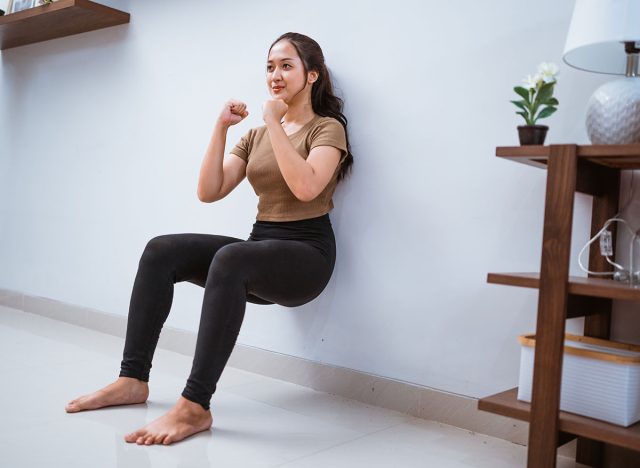
- Placement: Stand approximately two feet away from a sturdy wall, facing away from it.
- The Descent: Lean your back against the wall and slide down until your thighs are parallel to the floor.
- The Angles: Ensure your knees are directly above your ankles, forming a 90-degree angle. If your feet are too far forward or tucked too far back, you shift the load away from the intended muscle groups.
- Alignment: Keep your back flat against the wall, head neutral, and shoulders relaxed. Avoid pressing your hands against your thighs for support; keep your arms at your sides or crossed over your chest.
- The Hold: Breathe steadily. Do not hold your breath, as this can cause blood pressure spikes. Focus on maintaining the 90-degree angle until your form breaks.
Implications: The Path to Functional Longevity
The implications of these findings extend far beyond the gym. Strengthening the lower body via the wall sit creates a "buffer" against the frailty that often defines the later years.
Fall Prevention
Falls are a leading cause of injury among seniors. The wall sit reinforces the knee joint and hip stabilizers, providing the necessary strength to recover if you trip or lose your balance.
Metabolic Health
The quadriceps and glutes are the largest muscle groups in the body. By keeping them strong, you increase your resting metabolic rate. Large, active muscles act as a "glucose sink," helping the body regulate blood sugar more effectively, which is critical in preventing or managing type 2 diabetes.
Quality of Life
Functional strength allows for a life of spontaneity. Whether it is playing with grandchildren, traveling, or participating in hobbies that require physical stamina, the ability to move with confidence is the cornerstone of a fulfilling life.
Closing Thoughts
The wall sit is more than a simple test; it is a diagnostic tool for your physical future. If you find yourself unable to hit the 40-second mark, treat it as a call to action. Incorporate wall sits into your routine, pair them with adequate protein intake to support muscle synthesis, and stay consistent. By dedicating just a few minutes a week to this isometric challenge, you are actively investing in the mobility and independence of your future self.
Disclaimer: Before beginning any new exercise regimen, especially if you have pre-existing knee or back conditions, consult with a physician or a qualified physical therapist to ensure the movements are appropriate for your specific health profile.