








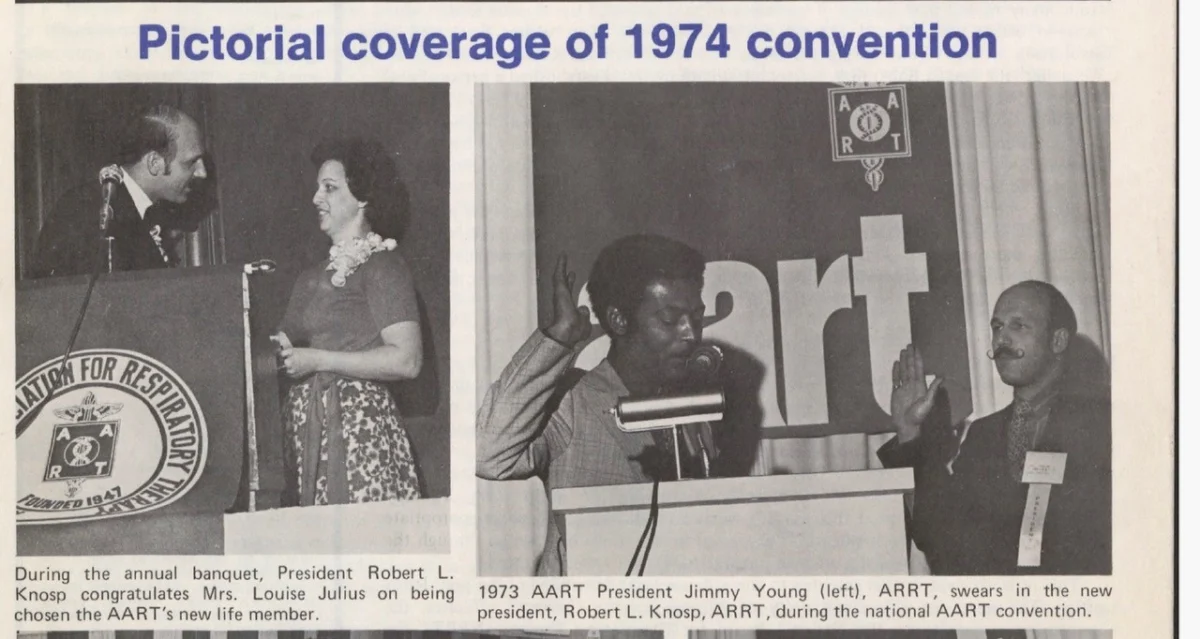
The Jimmy A. Young Award stands as the pinnacle of achievement within the respiratory care profession. Named in honor of the late AARC president—a man whose life was synonymous with dedication, advocacy, and the elevation of the respiratory therapist (RT) role—the award recognizes individuals who have not merely practiced, but who have fundamentally shaped the landscape of the profession through sustained, lasting contributions.
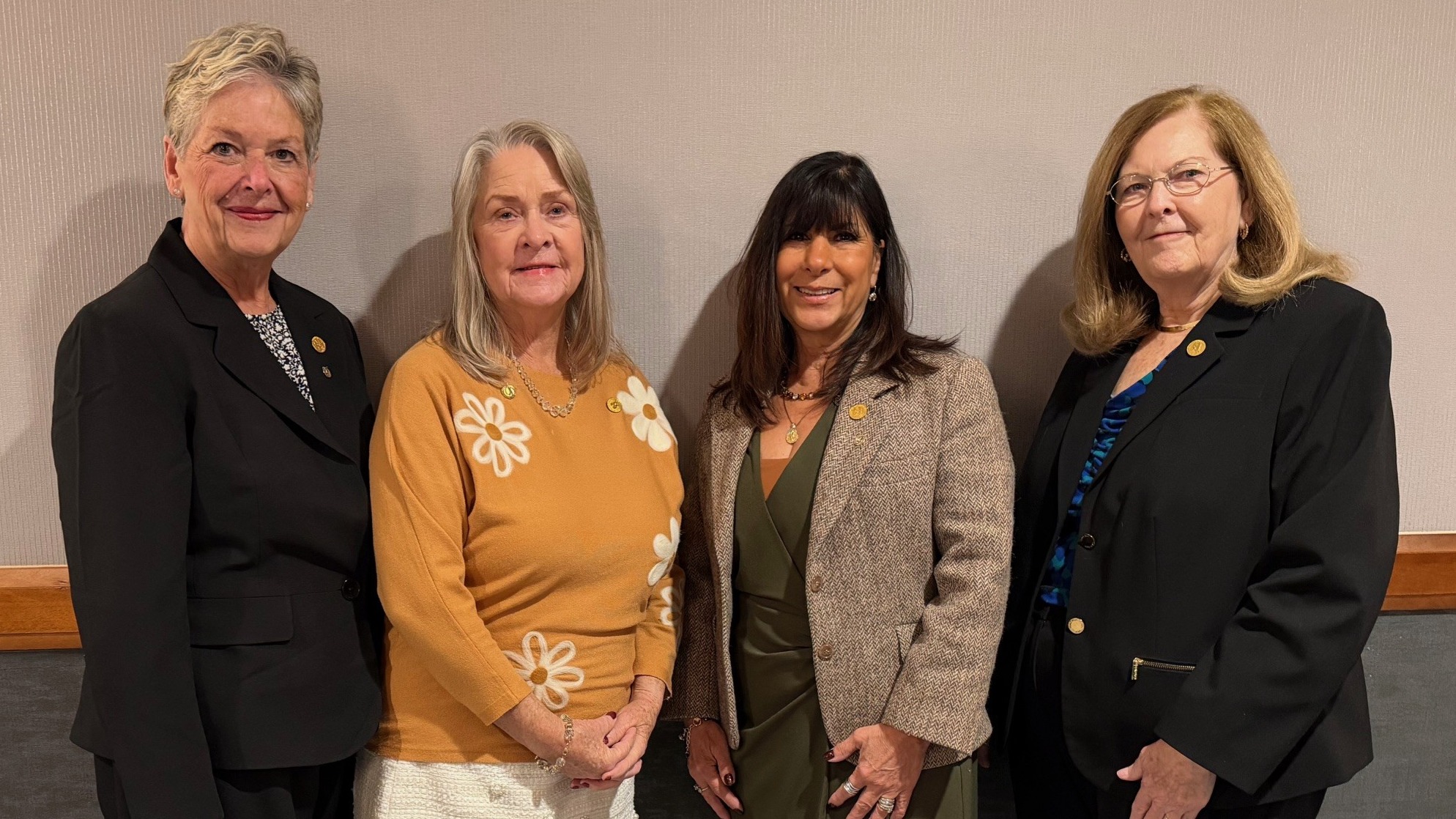
Recently, Lisa Weisenberger, AARC Director of Content and Communications, facilitated a profound, retrospective dialogue with four of the five women to have ever received this prestigious honor. The roundtable featured Dianne Lewis, MS, RRT, FAARC (2025); Trudy Watson, BS, RRT, FAARC (2018); Margaret Traband, MEd, RRT, FAARC (2011); and Teresa Volsko, MBA, MHHS, LSSBB, RRT, FAARC (2020). The discussion, which also honored the legacy of Louise Julius—the first female recipient in 1988, who shared the honor with her husband, John—provided an intimate look at the evolution of respiratory care, the dismantling of gender-based barriers in medicine, and a roadmap for the next generation of clinicians.
The Legacy of Service: Defining a Career
For these recipients, the path to the Jimmy A. Young Award was never paved with the ambition of accolades. Instead, it was built on a foundation of "service-first" philosophy.
Dianne Lewis, the 2025 recipient, traced her journey back to the formative days in the House of Delegates. Her work on the Clinical Practice Guidelines Steering Committee remains a benchmark for the profession. "My group wrote and published the first clinical practice guideline for the association," Lewis recalled. This milestone was not just an administrative success; it was a clinical revolution. By standardizing the methodologies of respiratory care, Lewis and her peers ensured that patients across the United States—regardless of their geography—received a consistent, high-quality standard of care.
Margaret Traband, who entered the AARC in 1972, echoed this sentiment of grassroots development. "We began with our state societies," Traband noted. "You don’t do it looking for what else you need to check off a list to get an award. You’re just moving ahead where you think you can do the most good." This perspective highlights the intrinsic motivation that defines the most successful leaders in the field: a focus on institutional improvement rather than personal vanity.
Chronology: A Half-Century of Evolution
The evolution of the respiratory care profession over the last 50 years is a story of professionalization, shifting from a technical support role to an essential, evidence-based pillar of modern medicine.
- The 1970s: The Formative Years. This era was marked by the birth of structured clinical research. As Traband highlighted, the "Journal Clubs" of this decade were the crucibles of modern RT practice. Therapists were not merely executing orders; they were studying the latest research, debating methodologies, and refining clinical approaches.
- The 1980s: Recognition and Partnership. The 1988 recognition of Louise and John Julius marked a turning point in how the AARC viewed leadership, acknowledging that the most significant strides were often the result of collaborative, dual-career dedication.
- The 2010s: The Rise of Specialized Advocacy. The recognition of Margaret Traband (2011) and Trudy Watson (2018) signaled an era where the AARC began to honor leaders who had spent decades in institutional, state, and national leadership, influencing policy and education.
- The 2020s: Systemic Integration and Future-Proofing. With the awards of Teresa Volsko (2020) and Dianne Lewis (2025), the profession has moved into an era of high-level administrative, educational, and scientific leadership, where RTs are expected to master not just clinical skills, but business management, process improvement, and complex organizational strategy.
Breaking the Glass Ceiling: From Competition to Collaboration
The history of the Jimmy A. Young Award mirrors the broader history of women in healthcare. While the respiratory therapy workforce is now comprised of a strong female majority, the corridors of leadership were once exclusively male.
Teresa Volsko provided a striking assessment of how the culture of mentorship has transformed over the decades. "In 1979, if you were invited to the table, you didn’t dare bring another woman up with you because there was only one or two seats," Volsko explained. The environment was, by necessity, hyper-competitive for women.
Today, that landscape has been radically reshaped. The participants emphasized that the modern goal of leadership is to expand the table itself. "Now we have the power to change that landscape from being competitive to really lifting each other up," Volsko added. This shift in leadership style—from gatekeeping to "sponsoring"—is perhaps the most significant cultural evolution the profession has seen. By actively identifying and nurturing talent, these leaders are ensuring that the next generation of RTs does not face the same isolation they once encountered.
Supporting Data: The Dual Reality of the Modern RT
The profession currently stands at a critical juncture. Data suggests a period of unprecedented growth, yet it is shadowed by systemic challenges that threaten to undermine the gains of the past.
The Demand-Supply Gap
As noted by Dianne Lewis, the outlook for job opportunities in the coming decade remains robust. Advances in mechanical ventilation, the increasing prevalence of chronic respiratory diseases, and the critical nature of RTs in intensive care units have solidified the profession’s necessity. However, Trudy Watson highlighted a glaring logistical hurdle: "finding the students to fill the seats in the classroom." Without a steady pipeline of new talent, the sector risks a staffing crisis that could limit the quality of care.
The Post-Pandemic Burnout Crisis
The strain of the COVID-19 pandemic left an indelible mark on the respiratory workforce. Burnout is no longer a peripheral concern; it is a central issue for professional longevity. Traband offered a poignant reflection on how therapists can sustain their passion in the face of fatigue: "The further away you get from the bedside, the less positive reinforcement happens. Take the time to reflect at the end of the day. Know that you’ve alleviated breathlessness and calmed patients. Steep in that moment." This focus on the "human element" serves as a vital psychological tool for clinicians facing the daily grind of high-acuity medicine.
Official Recommendations: A Roadmap for New RTs
The roundtable concluded with a set of core principles that these award-winning leaders believe are essential for any therapist looking to build a career of impact.
1. Master the Art of Networking
Trudy Watson emphasized that clinical excellence, while necessary, is insufficient on its own. Therapists must be known entities. "Get involved so your name is known and you are trusted within your own organization," she advised. This extends beyond the hospital walls to regional and national organizations, such as the American Lung Association, where the influence of an RT can be amplified.
2. Be Over-Prepared
Margaret Traband’s philosophy remains rooted in the "Journal Club" ethos. In an era of rapid technological advancement, remaining static is equivalent to falling behind. "Being over-prepared is status quo for most of us," Traband noted. "You have to be well-versed, so you don’t come off half-prepared." This diligence builds the credibility required to advocate for the profession in front of physicians, administrators, and policymakers.
3. Lead from the Bedside
Teresa Volsko challenged the misconception that leadership requires a title change. Many RTs believe their influence is limited by their designation as "staff." Volsko argues the opposite: "Don’t let the fact that you have the title of a clinical respiratory therapist stop you from doing great things. Lead where you are." Whether it is implementing a new safety protocol, mentoring a student, or leading a clinical investigation, leadership is a behavior, not a position.
Implications: The Future of the Profession
The Jimmy A. Young Award is far more than a physical trophy or a line on a resume; it is a manifestation of the evolution of the profession itself. As these four leaders demonstrated, the future of respiratory care is inextricably linked to three forces: clinical excellence, a commitment to mentorship, and the courage to claim space in the broader medical hierarchy.
The implications for the AARC and the respiratory community are clear. To thrive, the profession must continue to bridge the gap between education and practice, aggressively recruit the next generation, and foster an environment where leadership is shared rather than hoarded. As these trailblazing women have shown, the most effective way to honor the legacy of leaders like Jimmy A. Young is to ensure that the next generation of respiratory therapists is even more empowered, prepared, and connected than the last.