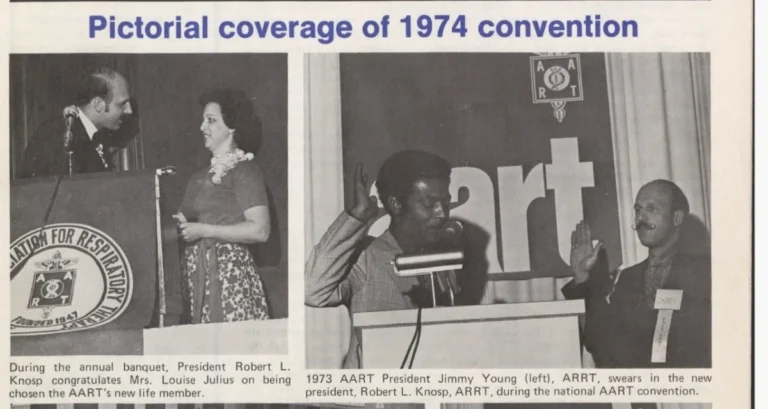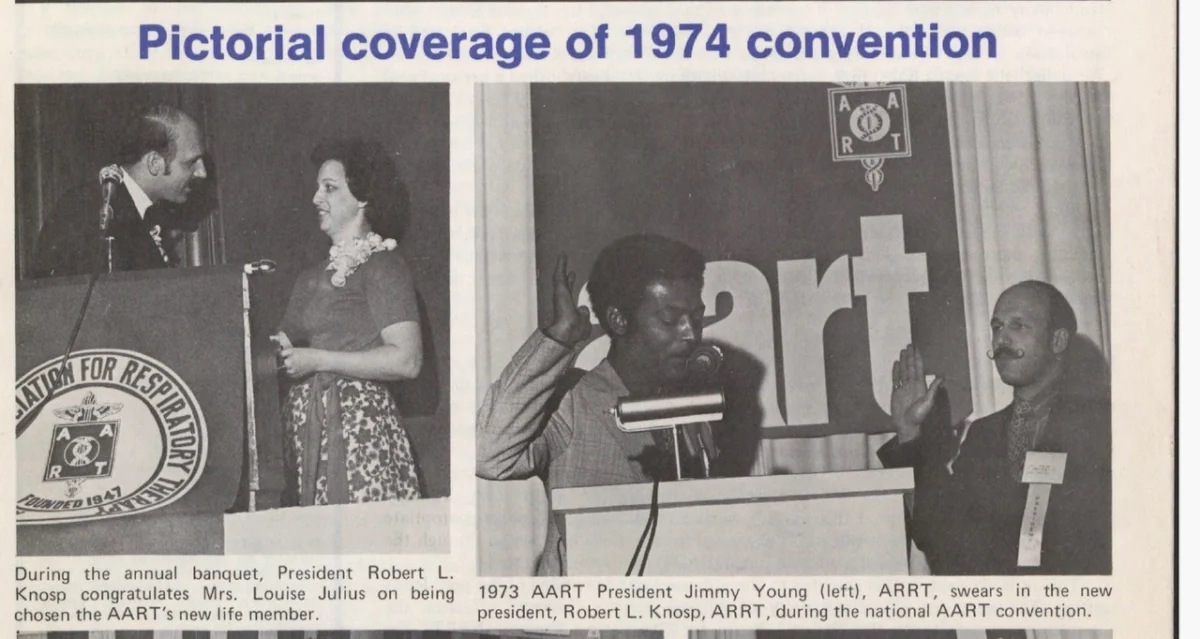
The landscape of modern respiratory care is built upon the foundational contributions of visionaries who dared to look beyond the bedside to shape the future of medicine. At the pinnacle of this professional recognition stands the Jimmy A. Young Award, the highest honor bestowed by the American Association for Respiratory Care (AARC). Named in memory of the late AARC president—a man whose life was synonymous with the advancement of the profession—this award does not merely celebrate clinical proficiency; it honors individuals who have dedicated their lives to the sustained, transformative advocacy of respiratory care.
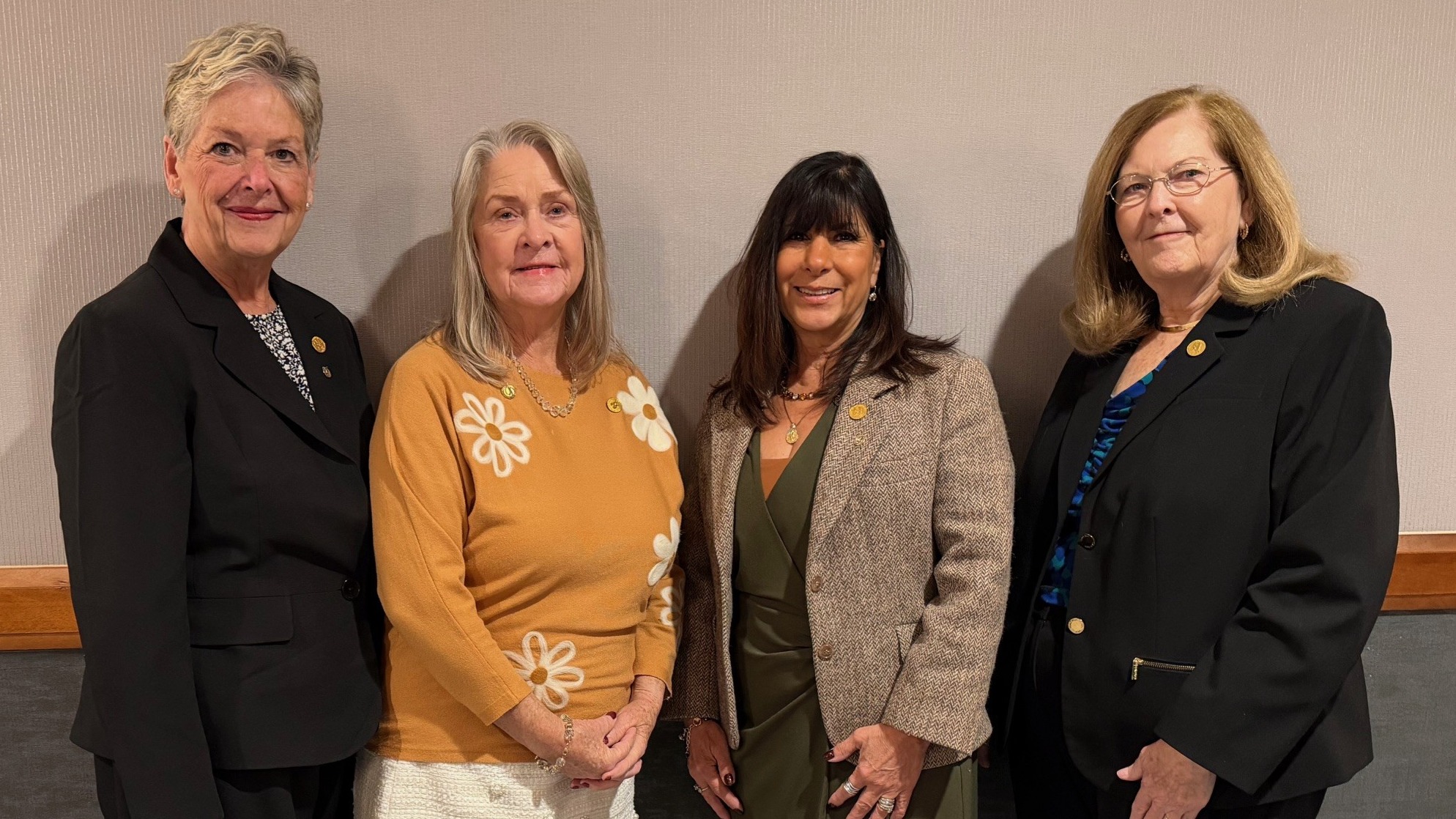
In a recent, unprecedented retrospective, Lisa Weisenberger, the AARC’s Director of Content and Communications, facilitated a profound dialogue with four of the five women to have ever received this prestigious honor: Dianne Lewis, MS, RRT, FAARC (2025); Trudy Watson, BS, RRT, FAARC (2018); Margaret Traband, MEd, RRT, FAARC (2011); and Teresa Volsko, MBA, MHHS, LSSBB, RRT, FAARC (2020). The conversation, which also acknowledged the legacy of the late Louise Julius (the 1988 co-recipient alongside her husband, John), serves as both a historical record and a roadmap for the next generation of respiratory therapists (RTs).
A Chronology of Advocacy and Leadership
The history of the Jimmy A. Young Award is a reflection of the profession’s own evolution. From its inception, the award has sought to identify leaders who prioritize long-term systemic impact over short-term accolades.
The Foundation of Clinical Standards
For Dianne Lewis, the 2025 recipient, the journey toward this recognition was rooted in the rigorous demands of the House of Delegates. Her work on the Clinical Practice Guidelines Steering Committee remains a cornerstone of her legacy. "My group wrote and published the first clinical practice guideline for the association," Lewis reflects. This wasn’t just an academic exercise; it was a watershed moment that standardized the delivery of respiratory care, ensuring that patients across the United States—regardless of their hospital’s size or location—received evidence-based, high-quality treatment.
The Grassroots Movement
Margaret Traband, who began her journey with the AARC in 1972, provides a vital perspective on the importance of local governance. She argues that true leadership is rarely about the pursuit of awards, but rather the pursuit of excellence within the state society. "You don’t do it looking for what else you need to check off a list to get an award," Traband notes. "You’re just moving ahead where you think you can do the most good." This philosophy—that national leadership is an extension of community service—has been the hallmark of those who have shaped the AARC’s policy agenda for decades.
Breaking the Glass Ceiling: A Structural Shift
Historically, the medical field, and specifically the high-stakes environment of intensive care and respiratory support, was dominated by men at the leadership level. The women who have received the Jimmy A. Young Award represent a generation that had to navigate, and ultimately dismantle, significant structural barriers.
The Evolution of Mentorship
Teresa Volsko, the 2020 recipient, offers a candid assessment of the professional culture that existed as late as the 1980s. "In 1979, if you were invited to the table, you didn’t dare bring another woman up with you because there were only one or two seats," she explains. This "scarcity mindset" was not necessarily a reflection of malice, but a survival tactic in an industry where women were consistently marginalized.
However, the tide has shifted. Volsko highlights the current era as one defined by "intentional inclusion." The current generation of leaders has pivoted from a competitive posture to a collaborative one. "Now we have the power to change that landscape from being competitive to really lifting each other up," she says. This shift has not only made the profession more equitable but has also fostered a more robust talent pipeline, ensuring that the best minds are leading, regardless of gender.
Professional Data and the Future Demand
The current state of respiratory therapy is a paradox of opportunity and pressure. Data from the AARC and federal labor bureaus indicate that while the demand for respiratory therapists will continue to rise throughout the 2030s, the profession faces significant hurdles in recruitment and retention.
The Recruitment Challenge
Trudy Watson, the 2018 recipient, highlights the "seat-filling" crisis. While the clinical need for RTs has exploded—largely driven by an aging population and the long-term respiratory impacts of global health crises—the academic pipeline is struggling to keep pace. "The challenge is finding the students to fill the seats in the classroom," Watson notes. Without a consistent influx of new, energized talent, the profession risks burnout among the existing workforce, who are being asked to do more with less.
Sustaining the Workforce
The post-pandemic era has brought the issue of "compassion fatigue" and burnout to the forefront of the AARC’s agenda. The recipients emphasize that the further an RT moves into management or academia, the more detached they become from the core mission: the patient. Traband offers a poignant reminder for those in the trenches: "Take the time to reflect at the end of the day. Know that you’ve alleviated breathlessness and calmed patients. Steep in that moment." This emotional anchoring is viewed by these leaders as the only sustainable way to survive a career in high-acuity medical environments.
Official Responses and Strategic Wisdom
The wisdom distilled from these four leaders provides a three-pronged strategy for any respiratory therapist looking to grow their influence and longevity in the field.
1. Mastering the Art of Networking
Trudy Watson emphasizes that influence is built on trust, and trust is built on visibility. "Get involved so your name is known and you are trusted within your own organization," she advises. This involves not only internal hospital committees but active participation in related organizations such as the American Lung Association. By bridging the gap between clinical care and public health advocacy, RTs can position themselves as indispensable subject matter experts.
2. The Mandate of "Over-Preparation"
Traband advocates for a return to the intellectual rigor of the "Journal Clubs" that defined the 1970s. She warns against the dangers of being "half-prepared" in a clinical setting. "Being over-prepared is status quo for most of us," she says. In an era where information is instantaneous, the value of the therapist lies in their ability to synthesize that information and apply it precisely to the patient’s clinical presentation.
3. Leading from the Bedside
Perhaps the most significant takeaway from Volsko’s perspective is the decoupling of "leadership" from "management." Many therapists mistakenly believe they must leave clinical practice to become a leader. Volsko disagrees: "Don’t let the fact that you have the title of a clinical respiratory therapist stop you from doing great things. Lead where you are." By modeling excellence at the bedside, therapists can mentor peers, improve patient outcomes, and influence hospital culture without ever having to step into a corporate office.
Implications for the Future of Respiratory Care
The Jimmy A. Young Award is far more than a decorative trophy; it is a symbol of professional maturity. The collective history of recipients like Lewis, Watson, Traband, and Volsko underscores that the future of respiratory care relies on a specific blend of three qualities: clinical excellence, tireless mentorship, and the courage to advocate.
As the medical field moves into a more technologically integrated future, the human element—the ability to assess, advocate, and act—remains the RT’s greatest asset. These four women have successfully navigated decades of technological and social change, proving that the profession’s strength is not found in its machines, but in its people.
For the next generation of respiratory therapists, the path is clear. It involves looking beyond the immediate task list, engaging with professional societies, and understanding that every interaction with a patient is an opportunity to lead. As these trailblazers have demonstrated, the seat at the table is waiting, but it is up to the individual to pull it up, take their place, and ensure that they invite the next generation to sit alongside them.