










Pancreatic cancer remains one of the most formidable challenges in modern oncology. Known for its aggressive nature and notorious resistance to conventional therapies, it has long frustrated researchers and clinicians alike. However, a pioneering study from the University of Chicago, published in the journal Science Advances, may have finally identified a way to penetrate the biological armor of these deadly tumors. By repurposing a common probiotic bacterium as a microscopic "drug factory," researchers have developed a novel therapeutic platform—BifidoSumIL-2—that turns the tumor’s own environment against itself.
The "Cold" Tumor Problem: A Fortress Against Immunity
To understand the significance of this breakthrough, one must first understand why pancreatic cancer is so lethal. Modern cancer immunotherapy, which has revolutionized the treatment of melanoma and lung cancer, relies on "waking up" the body’s immune system to recognize and eliminate malignant cells.
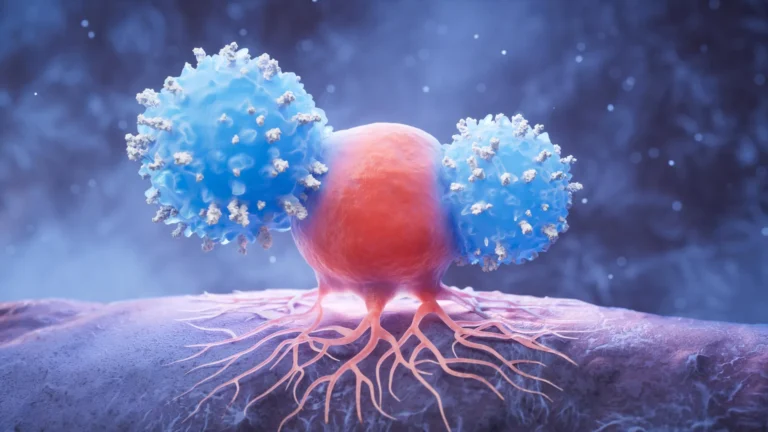
Pancreatic tumors, however, create what oncologists call a "cold" tumor microenvironment. These tumors are surrounded by a dense, fibrotic barrier and a chemical landscape that actively excludes or suppresses immune cells. Effectively, the tumor builds a wall that prevents T cells—the body’s "search and destroy" units—from ever reaching their target. Standard systemic treatments, such as intravenous IL-2 (a potent immune-stimulating protein), have historically failed in this context because the protein is distributed throughout the entire body. When given systemically, IL-2 often fails to reach the tumor in sufficient concentrations and can trigger severe, life-threatening side effects by overstimulating the immune system in healthy organs.
The Innovation: Engineering a Bacterial Trojan Horse
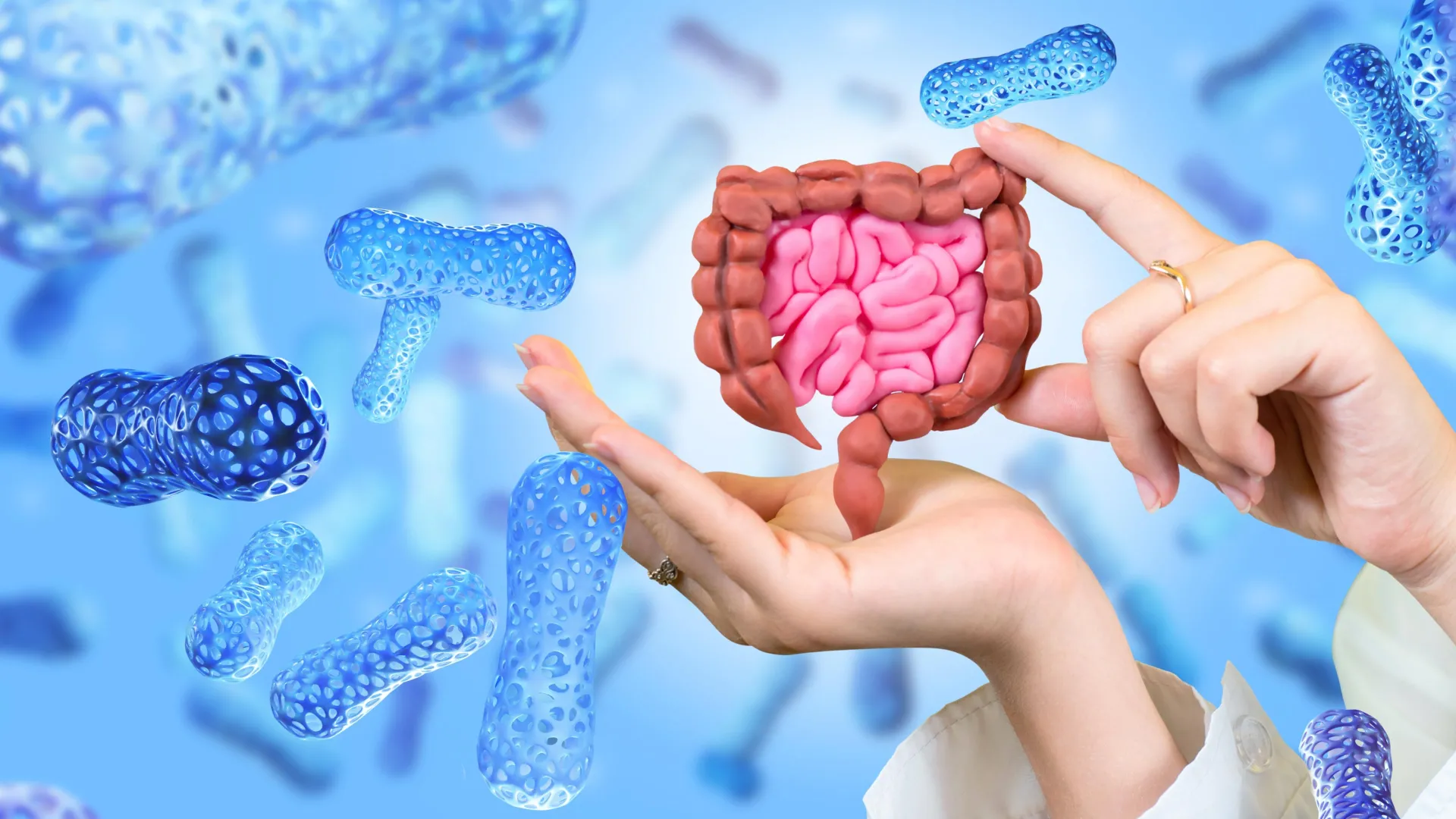
The University of Chicago team, led by Dr. Ralph Weichselbaum and Dr. Mark Mimee, sought a way to bypass these systemic limitations. Their solution was to use Bifidobacterium longum, a probiotic bacterium naturally found in the human gut, as a targeted delivery vehicle.
The strategy hinges on the unique biological characteristics of solid tumors. Pancreatic tumors are often poorly vascularized, leading to regions of hypoxia—areas with very little oxygen. Unlike healthy tissue, which is oxygen-rich and hostile to anaerobic bacteria, the center of a pancreatic tumor is an ideal breeding ground for Bifidobacterium.
"A big unmet medical need has been pancreatic cancer, and so that was going to be our mountain to climb," explained Dr. Ralph Weichselbaum, the Daniel K. Ludwig Distinguished Service Professor and Chair of Radiation and Cellular Oncology.
The researchers engineered Bifidobacterium to produce a modified form of interleukin-2, dubbed "SumIL-2." Unlike standard IL-2, which can inadvertently stimulate regulatory T cells—cells that actually shield the tumor from the immune system—SumIL-2 is designed to specifically activate the potent, cancer-killing CD8+ T cells. By placing the "factory" for this protein directly inside the tumor, the researchers ensure that the immune-stimulating signal is concentrated exactly where it is needed most, minimizing systemic toxicity.
Chronology of the Discovery
The path to this discovery was a multi-year effort that required the convergence of disparate scientific disciplines.
- Early Phase (Conceptualization): Researchers identified the need for a tumor-homing vehicle that could navigate the hypoxic conditions of pancreatic ductal adenocarcinoma.
- Genetic Engineering Phase: Under the guidance of Dr. Mark Mimee, an expert in synthetic biology, the team spent years refining the genetic tools necessary to modify Bifidobacterium. "It’s not the easiest organism to work with," Dr. Mimee noted. "It’s anaerobic, it grows slowly, and the genetic tools for manipulating it are much more limited compared to model bacteria like E. coli."
- Preclinical Testing: Once the engineered strain, BifidoSumIL-2, was successfully developed, the team moved to animal models. The goal was to confirm that the bacteria would selectively colonize tumors while being cleared by the immune system in healthy organs.
- Validation: In mouse models, the team observed that BifidoSumIL-2 successfully "set up shop" within the tumor, began producing SumIL-2, and initiated a localized immune response that slowed tumor growth.
- Combination Efficacy Trials: The final stage of the published research involved testing the bacterial therapy in tandem with existing standard-of-care treatments, demonstrating that the bacteria act as a force multiplier for chemotherapy, radiotherapy, and anti-PD-L1 immunotherapy.
Supporting Data: Synergy and Survival
The results of the study were striking. When BifidoSumIL-2 was administered as a monotherapy, it successfully slowed the progression of pancreatic tumors. However, the true potential of the approach was revealed during combination studies.
The researchers found that when the bacterial treatment was paired with radiotherapy or chemotherapy, the tumor microenvironment underwent a fundamental shift. The bacteria effectively "warmed up" the cold environment, allowing an influx of CD8+ T cells to infiltrate the tumor mass.
Data from these experiments indicated:
- Tumor Regression: The combination of BifidoSumIL-2 with standard treatments led to significantly greater tumor shrinkage than any of the treatments used in isolation.
- Survival Benefits: Subjects treated with the combined approach demonstrated longer survival rates, suggesting that the therapy not only kills current cancer cells but may also establish a more durable immune surveillance against recurrence.
- Safety Profile: Because the bacteria are obligate anaerobes, they are rapidly cleared from oxygen-rich healthy tissues. Throughout the study, the researchers reported that the probiotic-based delivery system maintained a favorable safety profile, avoiding the massive inflammatory responses usually associated with systemic IL-2 delivery.
Official Perspectives on the "Bugs as Drugs" Movement
The research is a flagship example of the growing "bugs as drugs" movement, a field that seeks to harness the human microbiome for therapeutic purposes.
"This was a highly interdisciplinary effort," said Dr. Mark Mimee. "We had to bring together people who understand bacteria, people who understand tumors, and people who understand the immune system to make something like this possible."
The collaborative nature of the project reflects a broader trend in oncology, where the focus is shifting from "one-size-fits-all" drugs to intelligent, biological delivery systems. The University of Chicago team emphasizes that this is not just about adding another drug to the arsenal; it is about changing the fundamental logic of how we deliver immunotherapy. By moving the site of production from a laboratory vial to the interior of the tumor, scientists are effectively giving the immune system a "local" advantage.
Implications for Future Cancer Care
While the current results are highly promising, the researchers remain cautious about the road ahead. BifidoSumIL-2 has yet to enter human clinical trials, and several critical questions must be addressed.
Future investigations will need to determine the long-term persistence of the bacterial colonization, the potential for off-target effects, and the most effective delivery routes—whether intravenous injection or potentially even oral administration. Furthermore, the team is looking to expand the scope of their research to see if BifidoSumIL-2 can be paired with the latest generation of pancreatic cancer treatments, such as KRAS inhibitors, which target the genetic mutations driving the malignancy.
The implications for patients are profound. If successful in clinical trials, this approach could offer a new lease on life for patients with pancreatic cancer, a disease that currently sees few long-term survivors. Moreover, the "plug-and-play" nature of the bacterial platform means that once the delivery system is perfected, it could potentially be adapted to treat other "cold" solid tumors, including those found in the breast, colon, and ovaries.
As the medical community looks toward the future, the University of Chicago continues to position itself at the epicenter of this research. With the upcoming opening of the AbbVie Foundation Cancer Pavilion in April 2027—Chicago’s first freestanding cancer pavilion—the institution is clearly signaling its intent to bridge the gap between translational laboratory discoveries and direct, life-saving patient care.
For now, the "mountain to climb" remains steep, but with BifidoSumIL-2, researchers have finally found a way to start the ascent. By turning the tumor’s own environment into a site of localized immune activation, science is proving that sometimes the smallest organisms can provide the biggest solutions to our greatest medical challenges.