Published: September 14, 2026
In our increasingly sedentary digital age, the human body often pays the price for hours spent hunched over keyboards and screens. Chronic neck stiffness, upper back knots, and shoulder tension have become modern-day epidemics, affecting millions of professionals and remote workers alike. While many seek out yoga for spiritual grounding or physical conditioning, there is a growing demand for "functional yoga"—practices designed specifically to address the anatomical consequences of our daily habits.
On September 14, 2026, a new, highly accessible 15-minute therapeutic yoga routine was released, aimed at providing targeted relief for those suffering from upper-body discomfort. This guide explores the mechanics, methodology, and therapeutic implications of this sequence, which prioritizes gentle, restorative movement over high-intensity strain.
The Anatomy of Tension: Why We Need Targeted Relief
Understanding the "Tech-Neck" Phenomenon
The primary driver behind the rising prevalence of shoulder and neck pain is postural strain. Prolonged periods of sitting, combined with the forward-leaning head position required to view laptops and mobile devices, place significant stress on the trapezius and levator scapulae muscles. When these muscles remain in a contracted state for hours, they develop "trigger points"—small, hyper-irritable spots within a taut band of muscle that we often perceive as "knots."
The Philosophy of the 15-Minute Practice
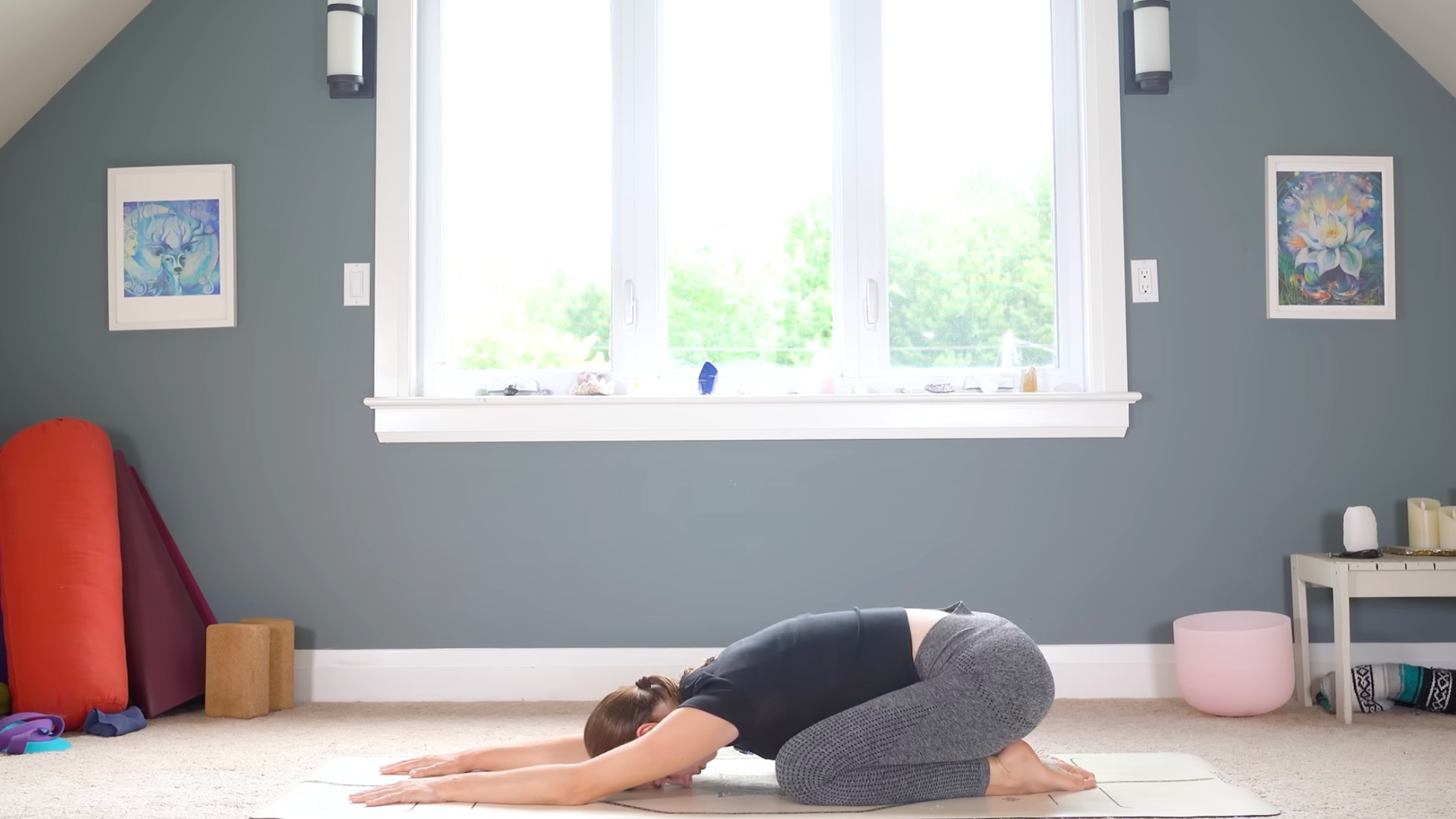
Unlike vigorous Vinyasa flows, this specific routine—developed by Yoga with Kassandra—is categorized as therapeutic. The core philosophy centers on the nervous system’s ability to "unlearn" tension. By utilizing passive stretching, the routine encourages the parasympathetic nervous system to activate, signaling the muscles that it is safe to release their protective grip. The 15-minute duration is strategic: it is short enough to fit into a standard workday break, yet long enough to facilitate a genuine physiological shift in muscle tone.
A Chronological Breakdown of the Practice
The sequence follows a deliberate progression, moving from the most supported positions (reclined) to active, upright movements, and finally settling into deep, passive release.
Phase 1: Reclined Foundation (0:00–5:00)
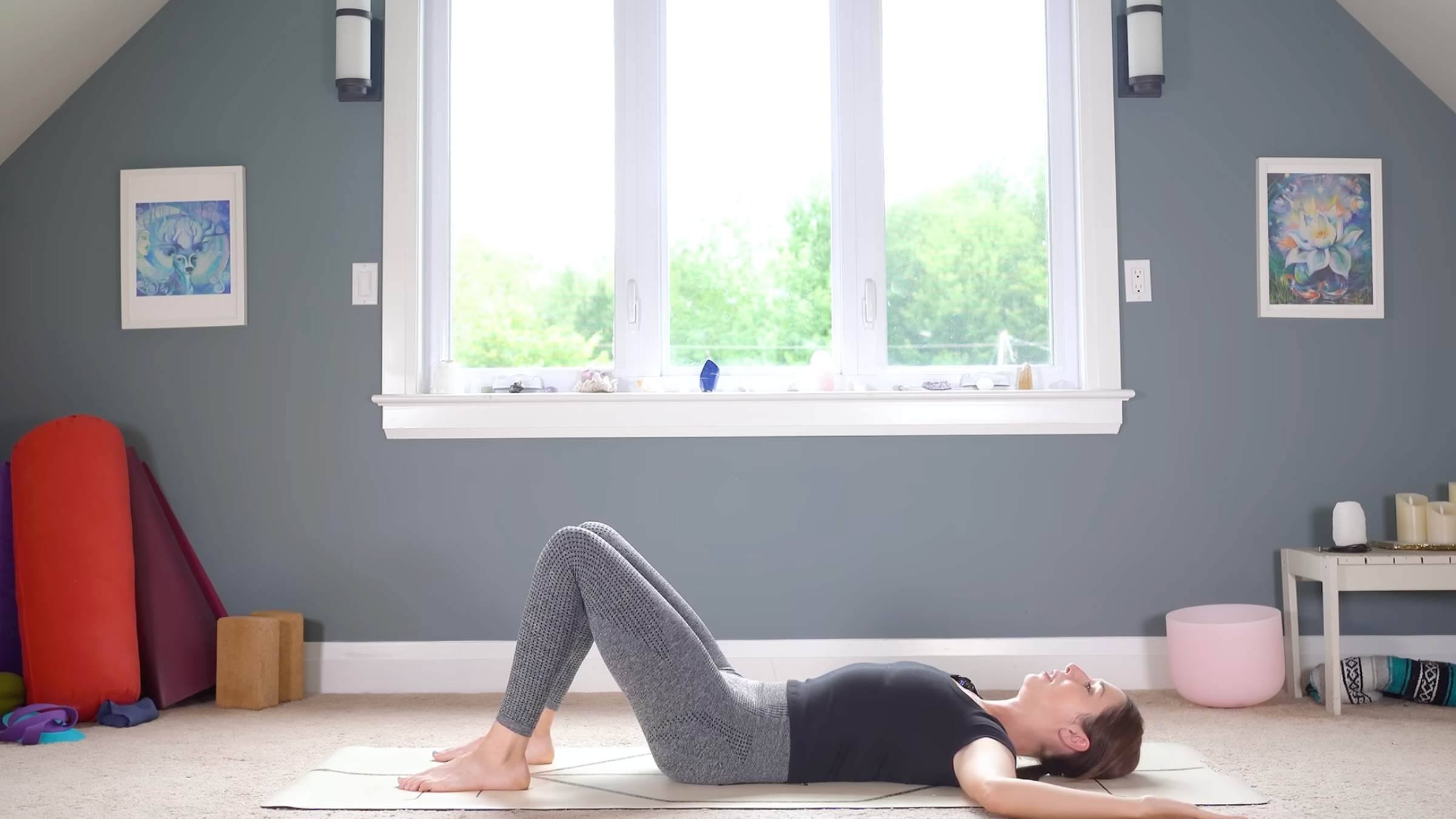
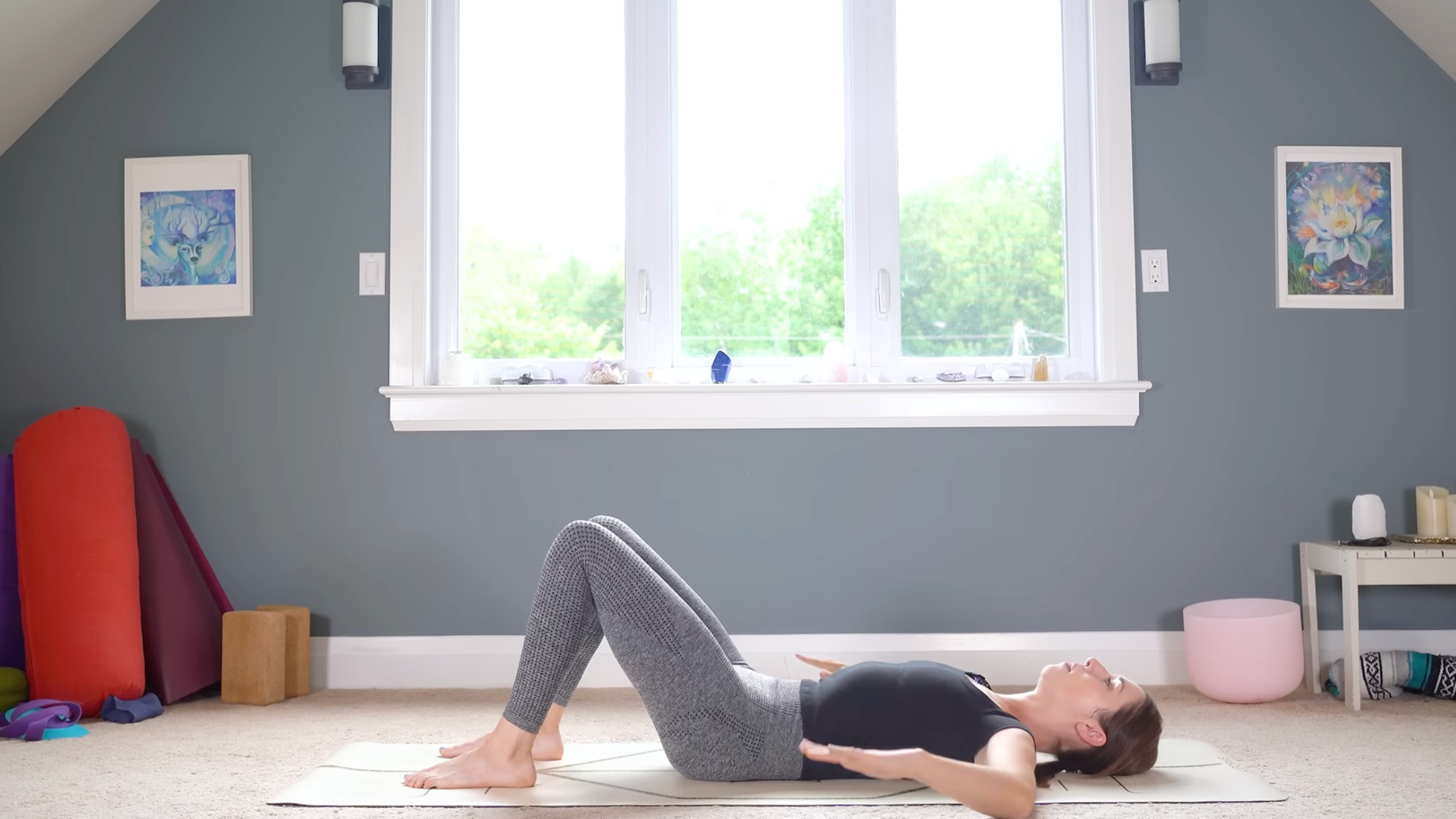
The practice begins on the floor, effectively removing the load of gravity from the spine.
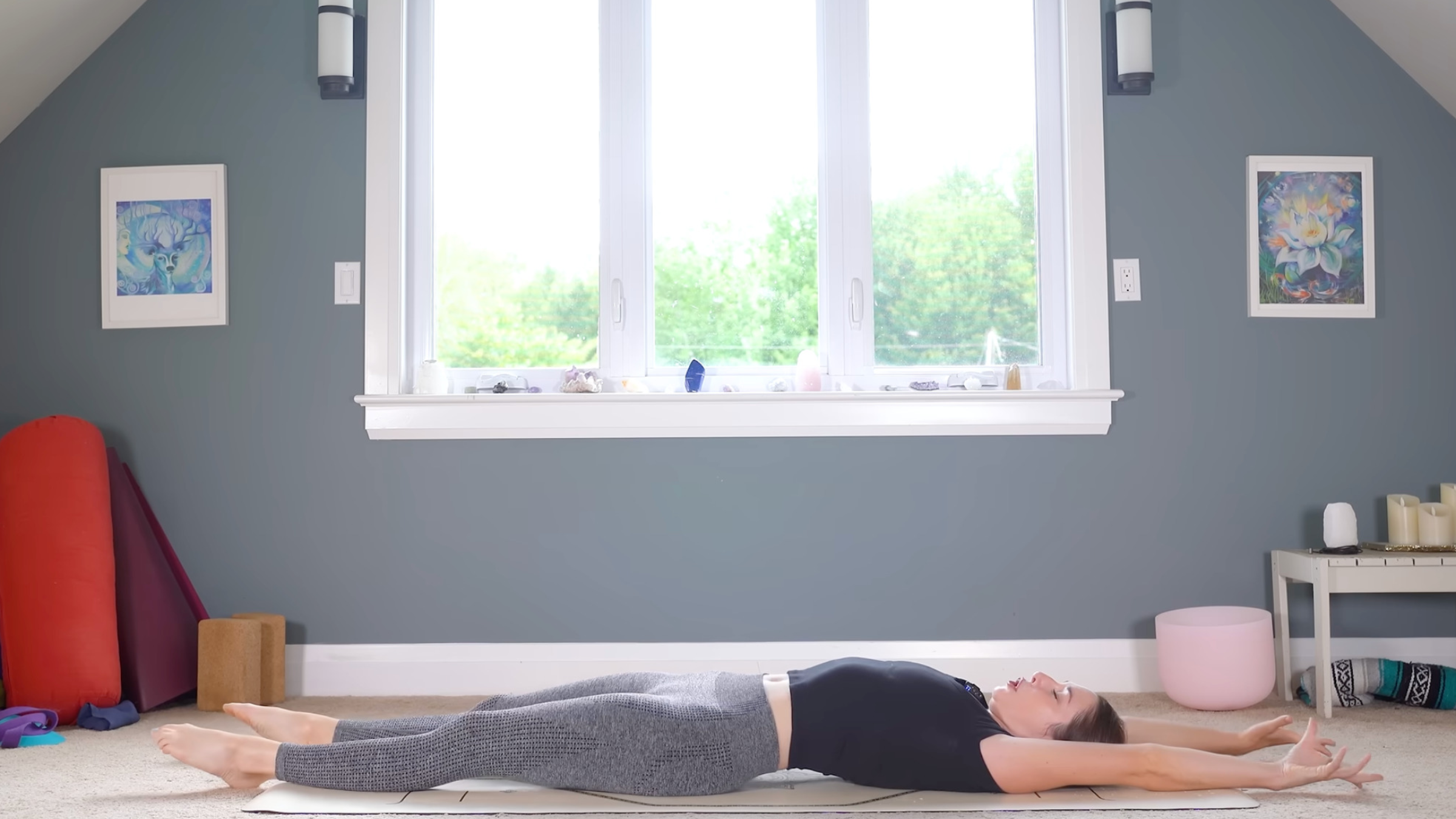
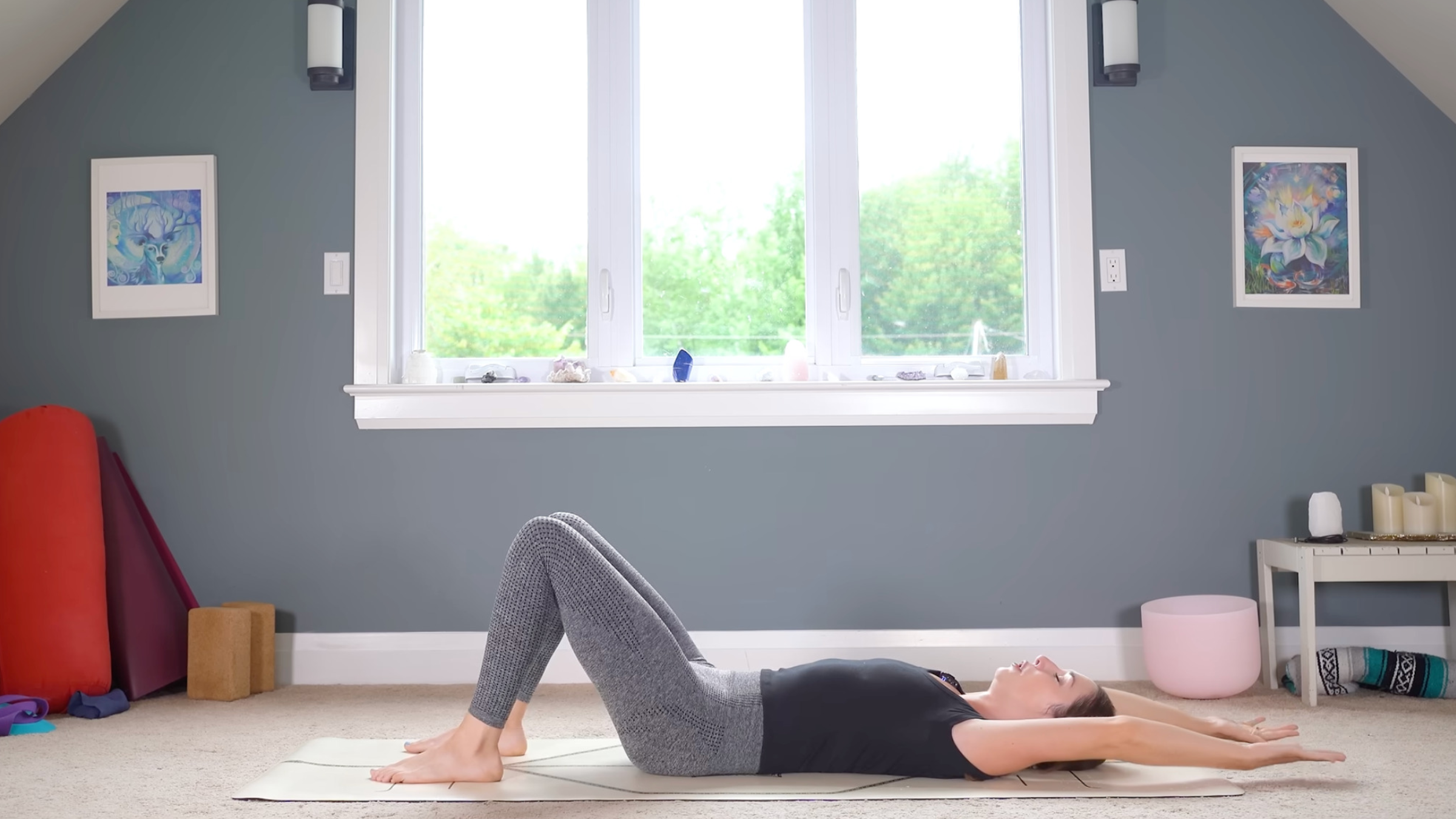
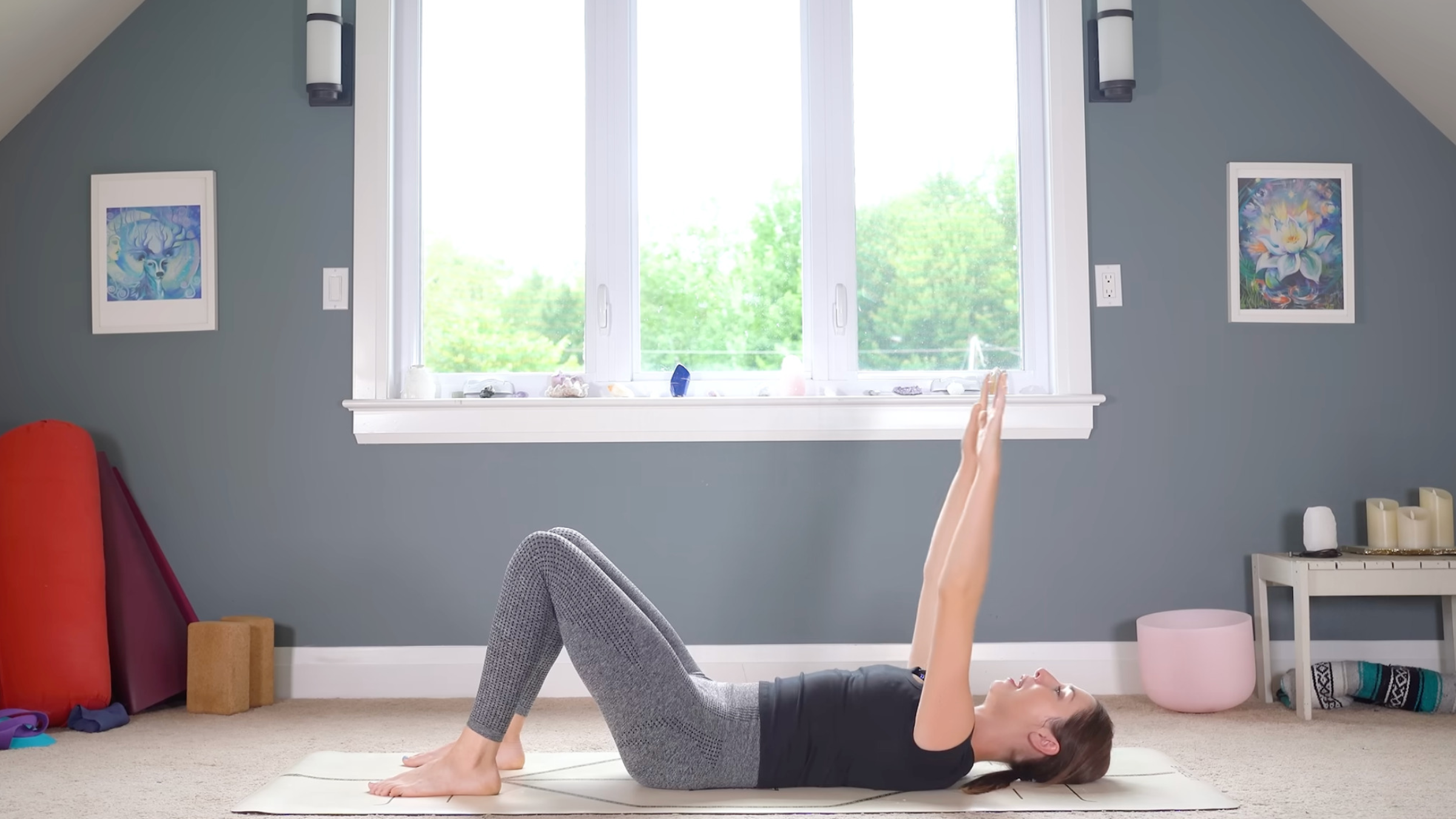
- The Reclined Shoulder Stretch: By lying flat with knees bent and feet grounded, the practitioner creates a stable base. Reaching the arms overhead serves to lengthen the latissimus dorsi and the muscles surrounding the shoulder blades.
- Cactus Arm Articulation: Transitioning into "cactus arms" (bent at 90-degree angles) allows for external rotation of the shoulders. The rhythmic movement of lifting and lowering the arms helps to lubricate the shoulder joint and encourages the pectorals—often tight from desk work—to open.
Phase 2: Spinal Rotation and Lateral Release (5:00–8:00)
Once the shoulders have been primed, the routine moves into rotational work.
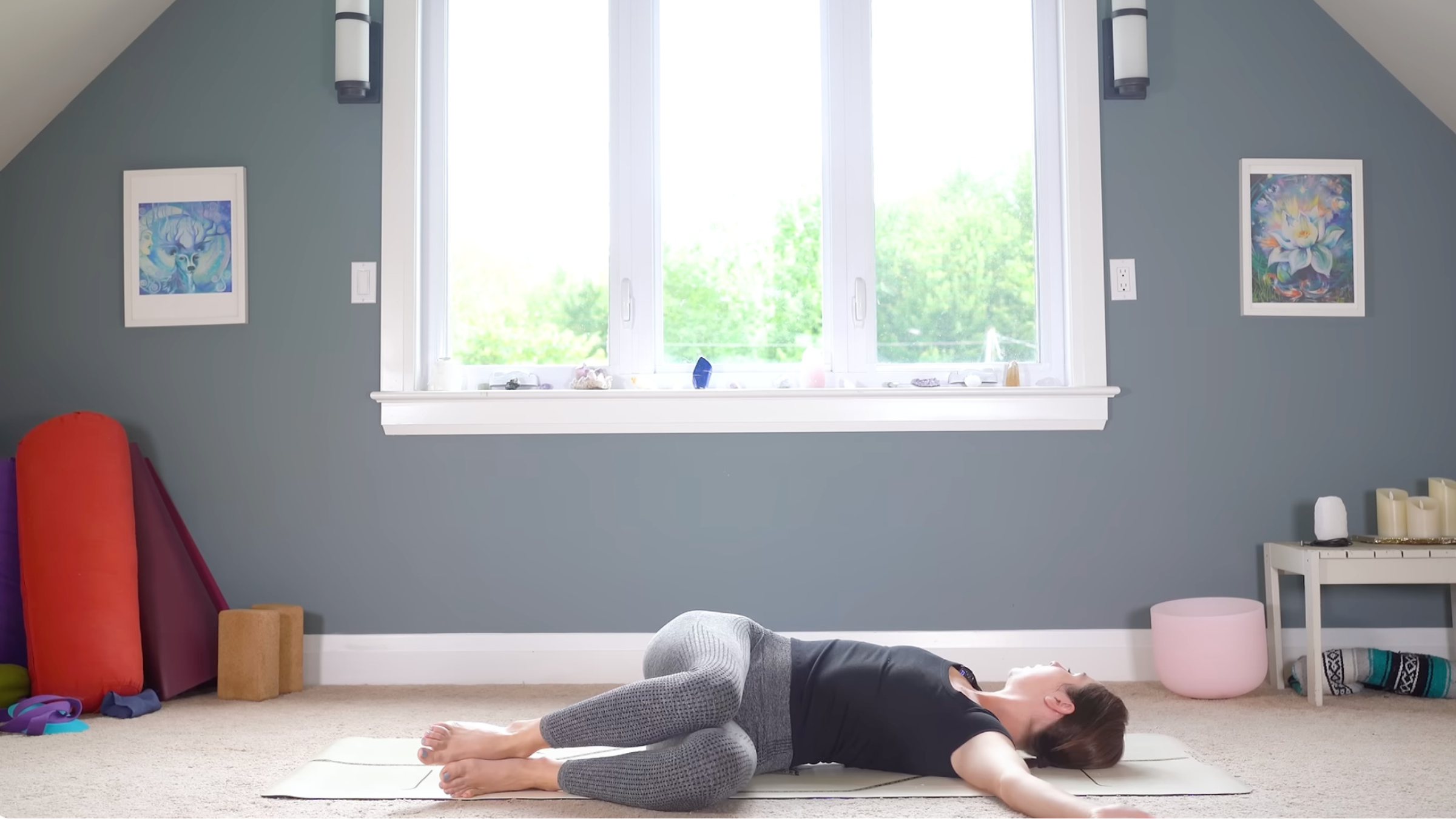
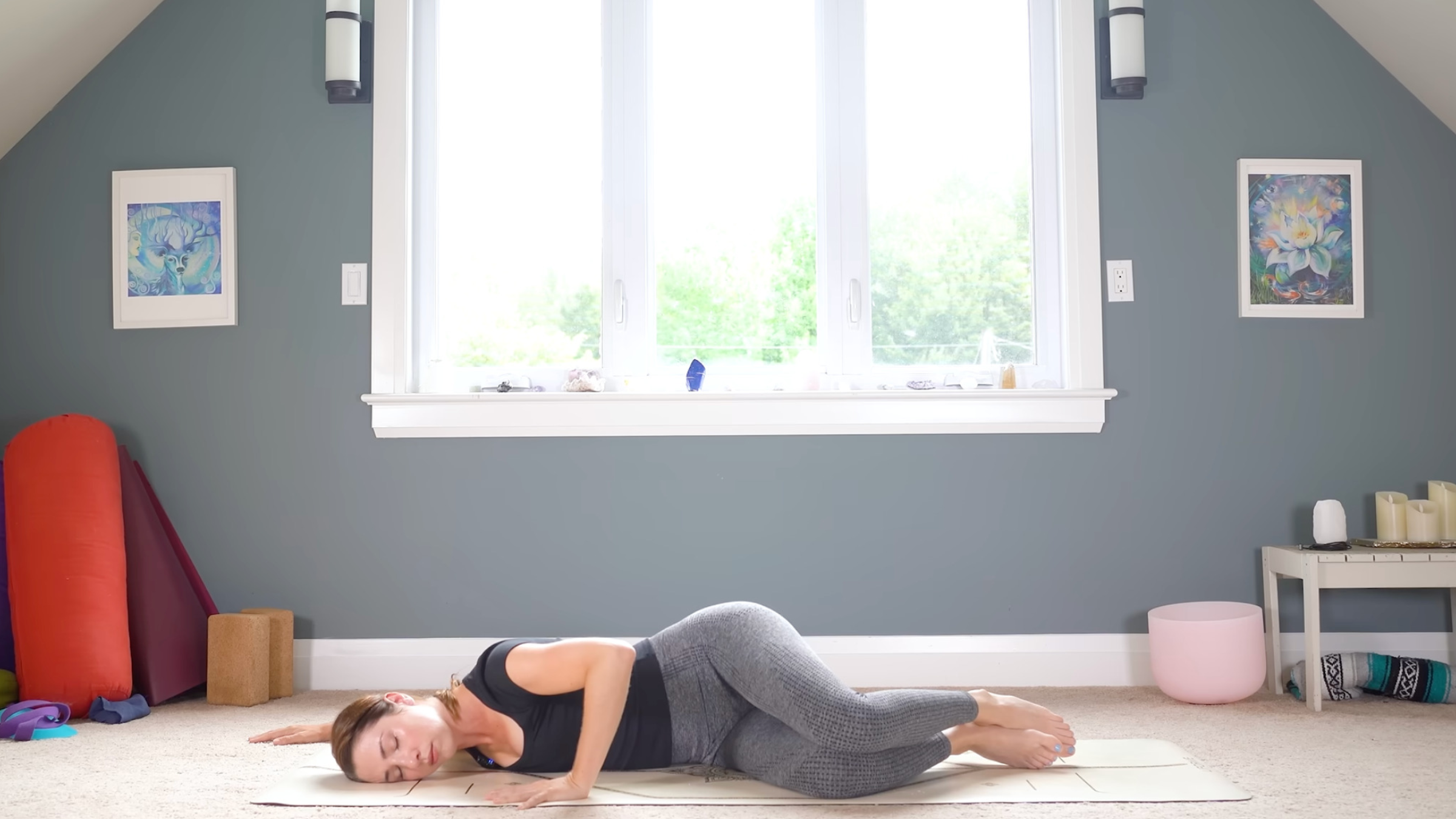
- Reclined Twists: These are essential for mobilizing the thoracic spine. By shifting the hips and stacking the knees, the practitioner facilitates a gentle release in the mid-back. Looking away from the knees adds a crucial element of cervical (neck) rotation, promoting mobility that is often lost during long periods of looking straight ahead.
Phase 3: Transitioning to Upright Mobility (8:00–12:00)
As the body warms, the practitioner moves to a seated position to introduce more active, gravity-assisted stretches.
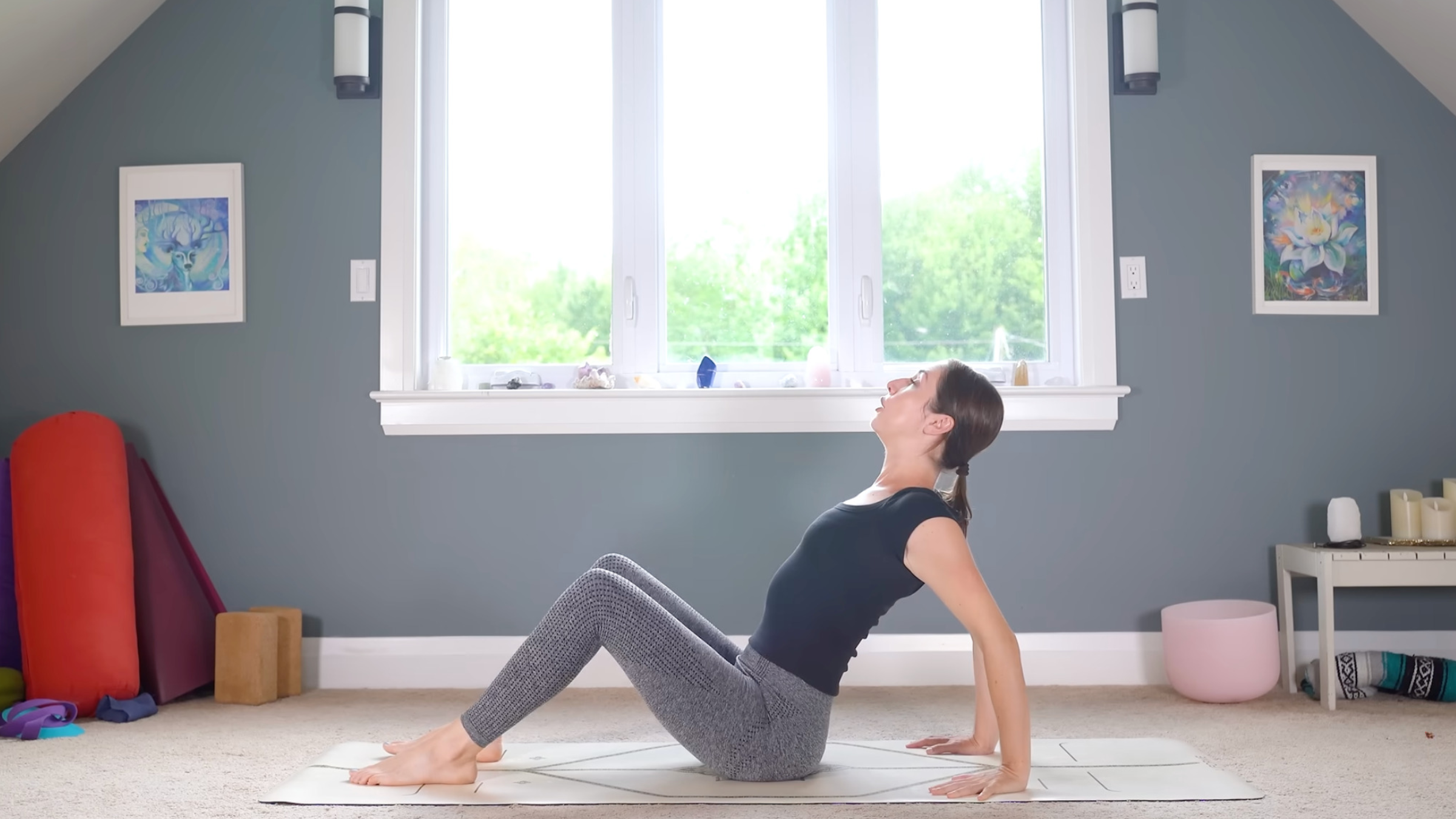
- Seated Shoulder Squeezes: This movement acts as a mild corrective exercise. By placing hands behind the body and drawing the shoulder blades together, the practitioner engages the rhomboids, effectively "undoing" the slumped-shoulder posture.
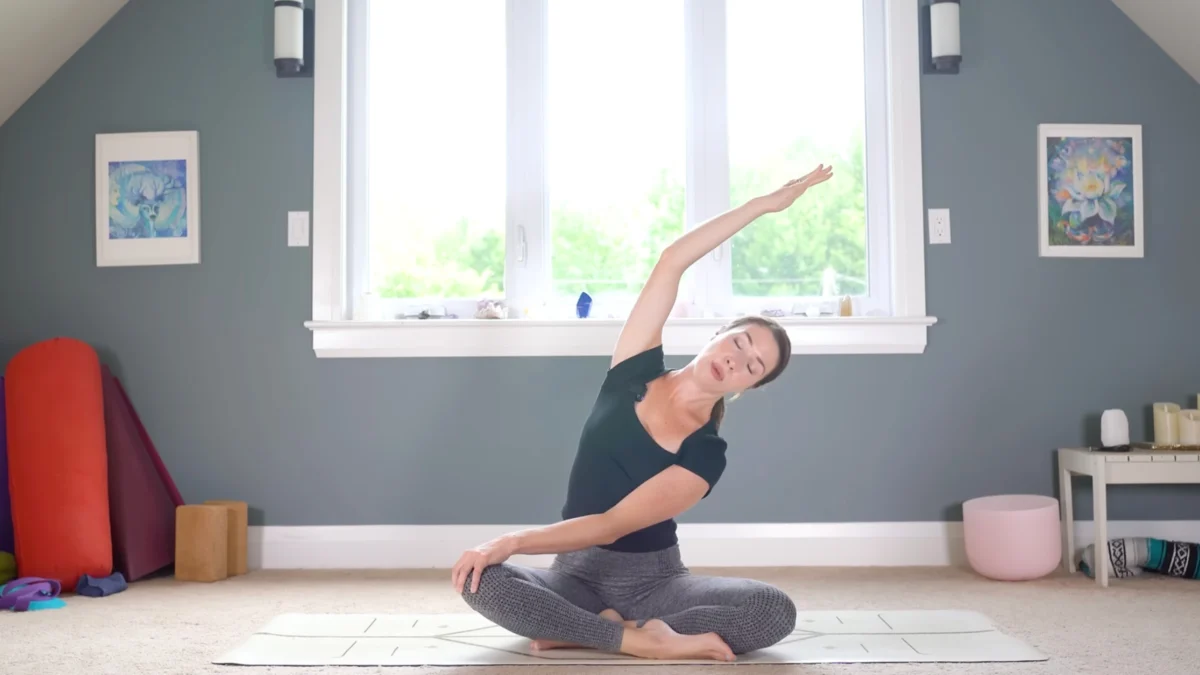
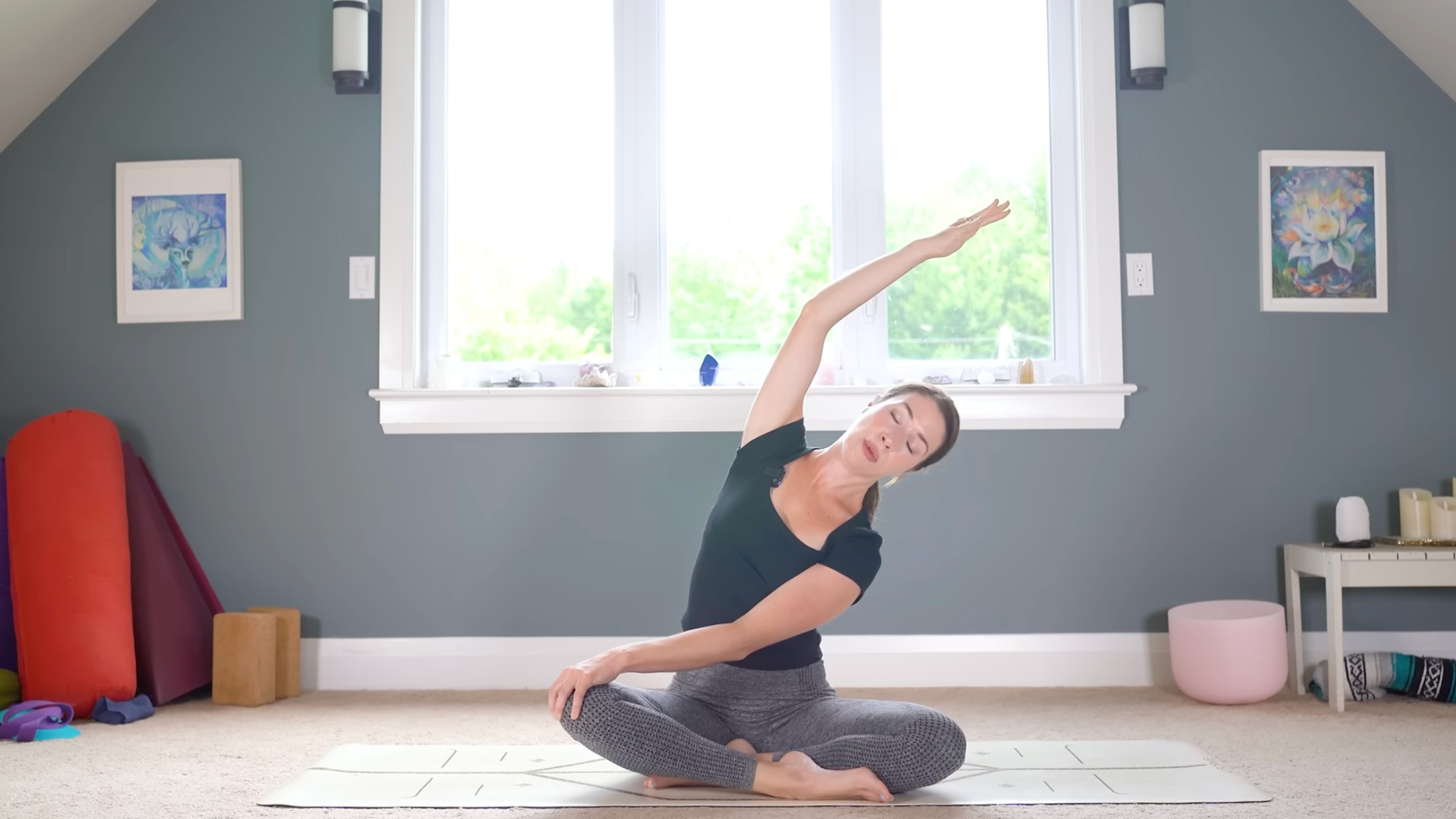
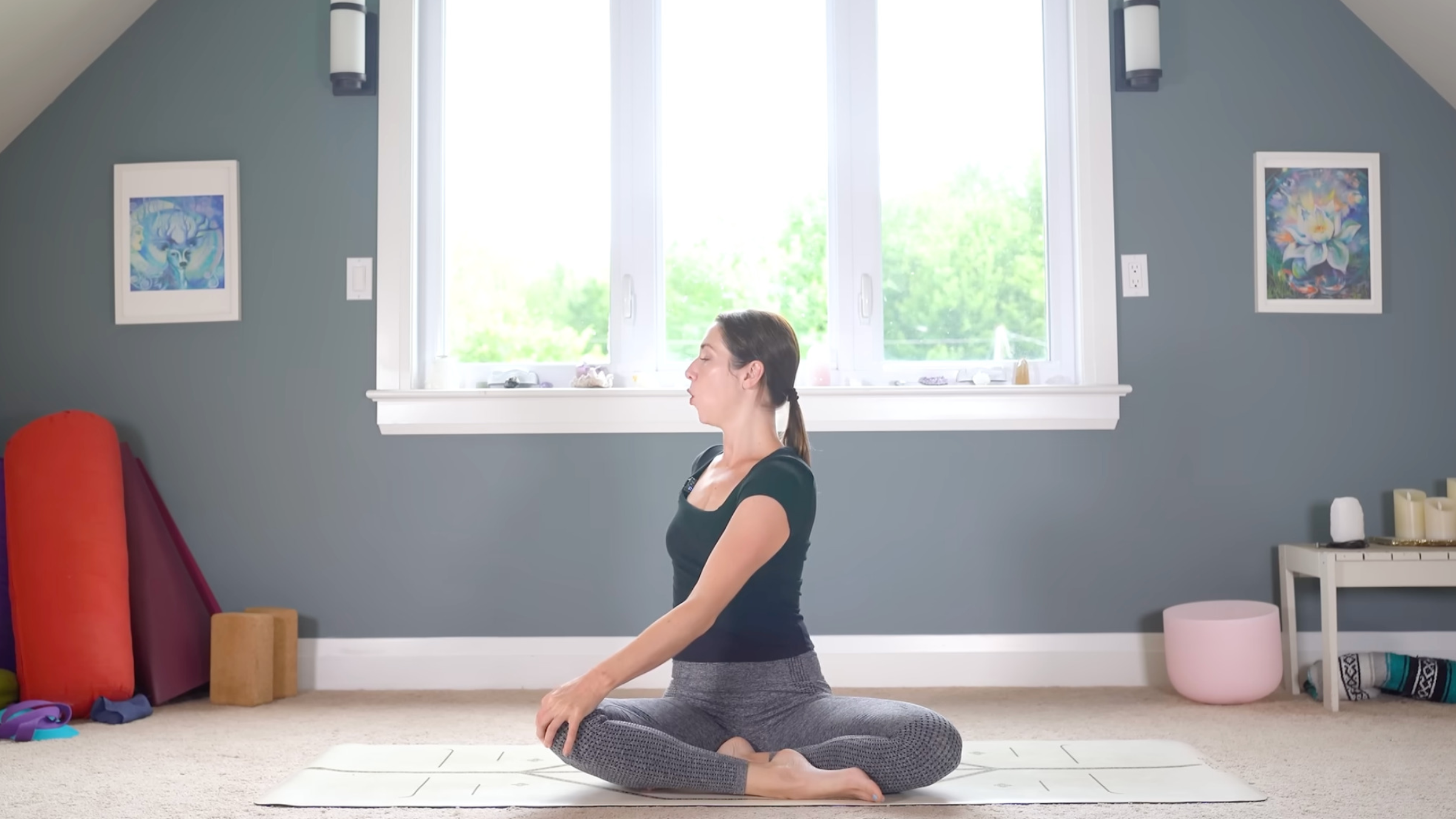
- Side Bending and Twists: These poses target the intercostal muscles and the neck’s lateral stabilizers. Using the opposite hand on the knee as a "lever" provides safe traction, allowing for a deeper stretch along the side of the neck and torso.
Phase 4: Final Integration (12:00–15:00)
The routine concludes by addressing the posterior chain and the chest.
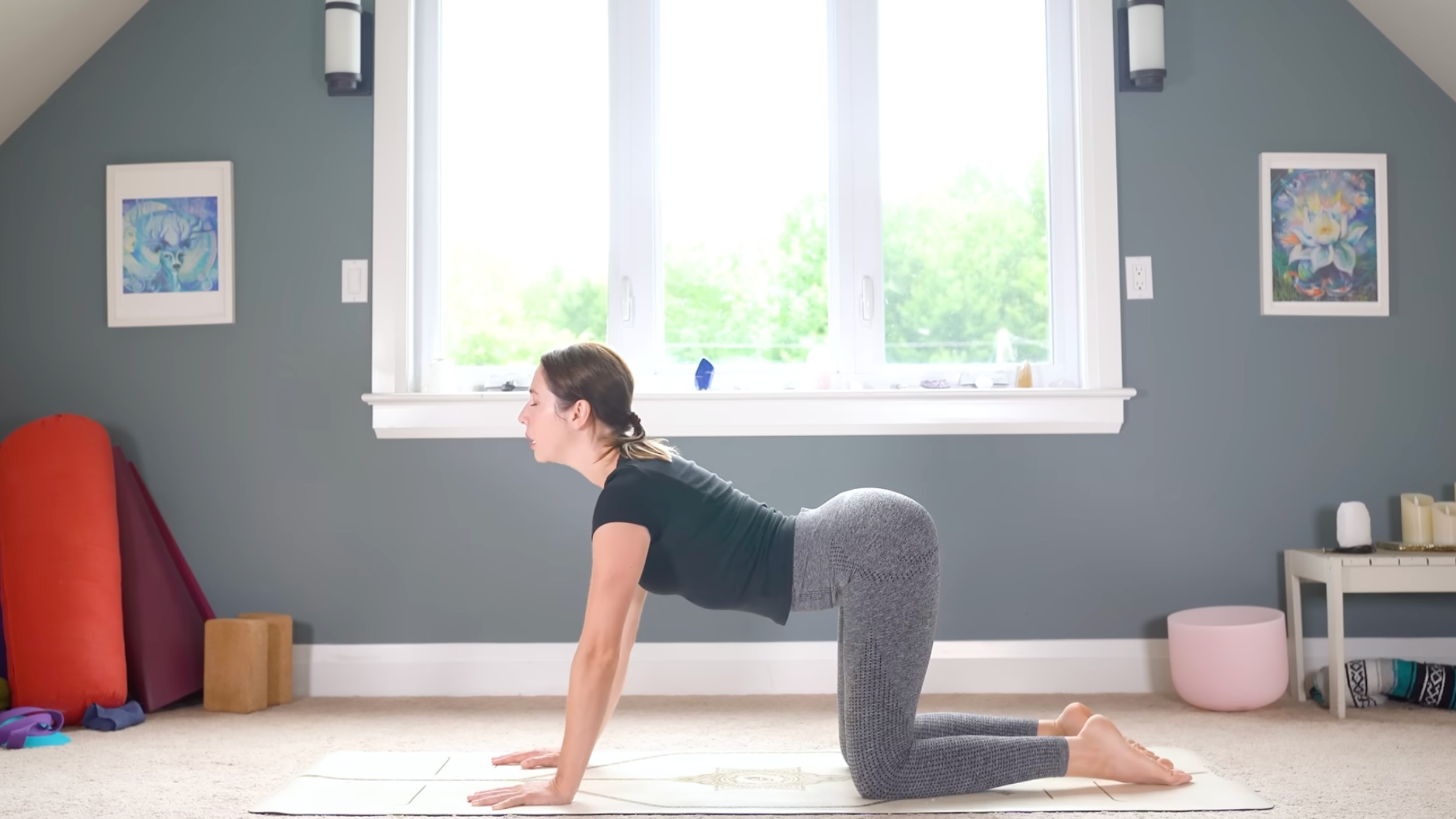
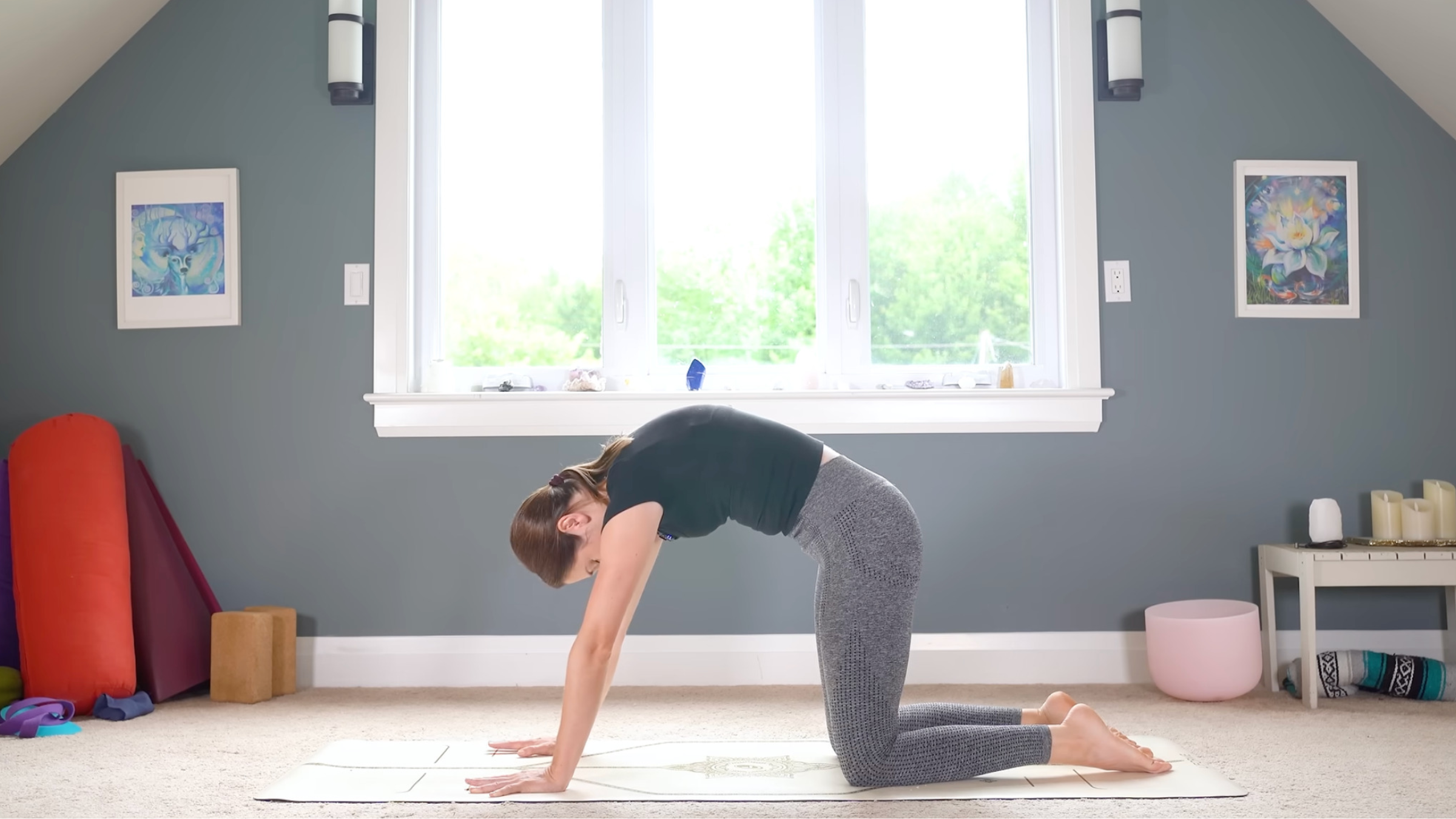
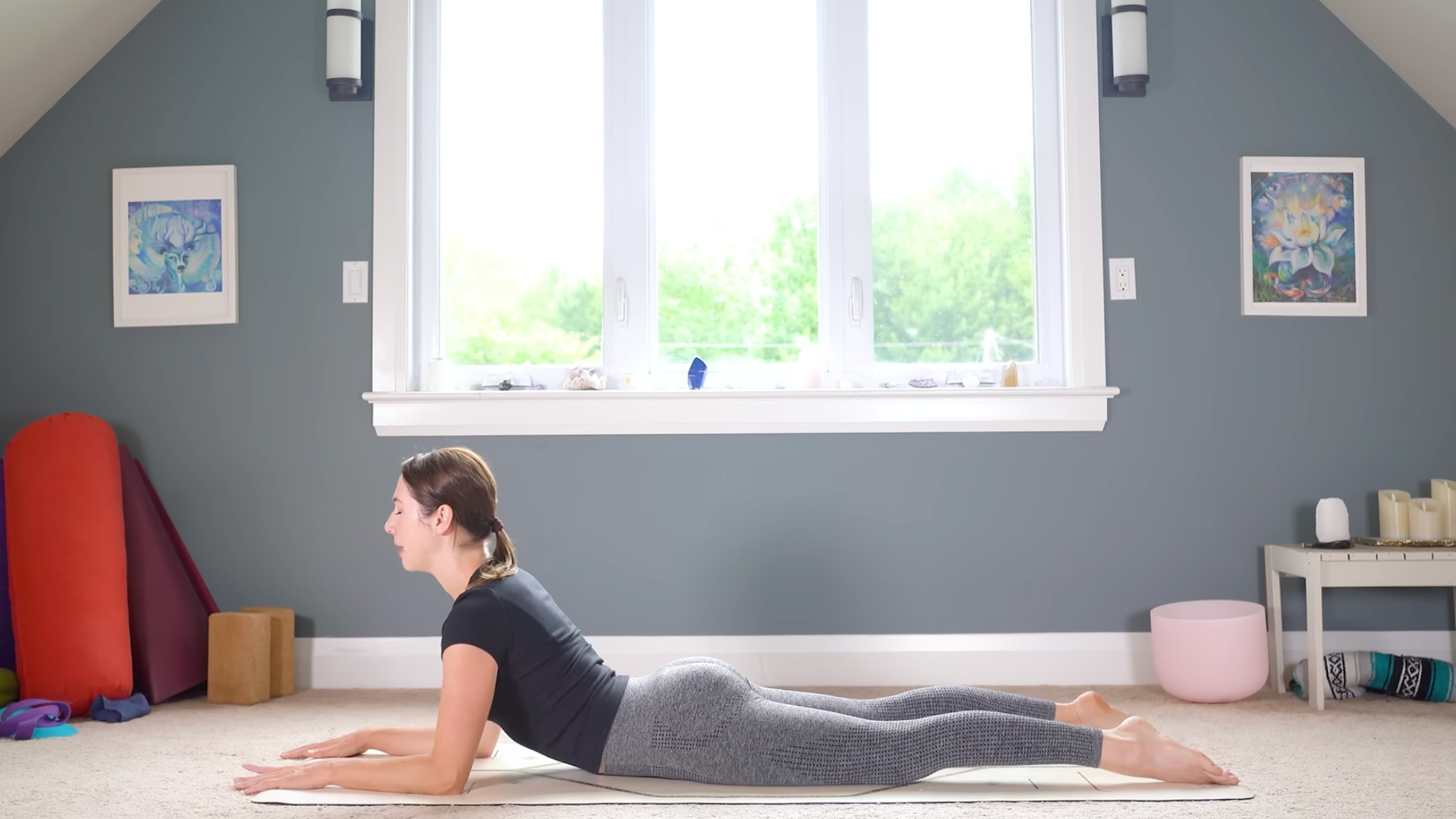
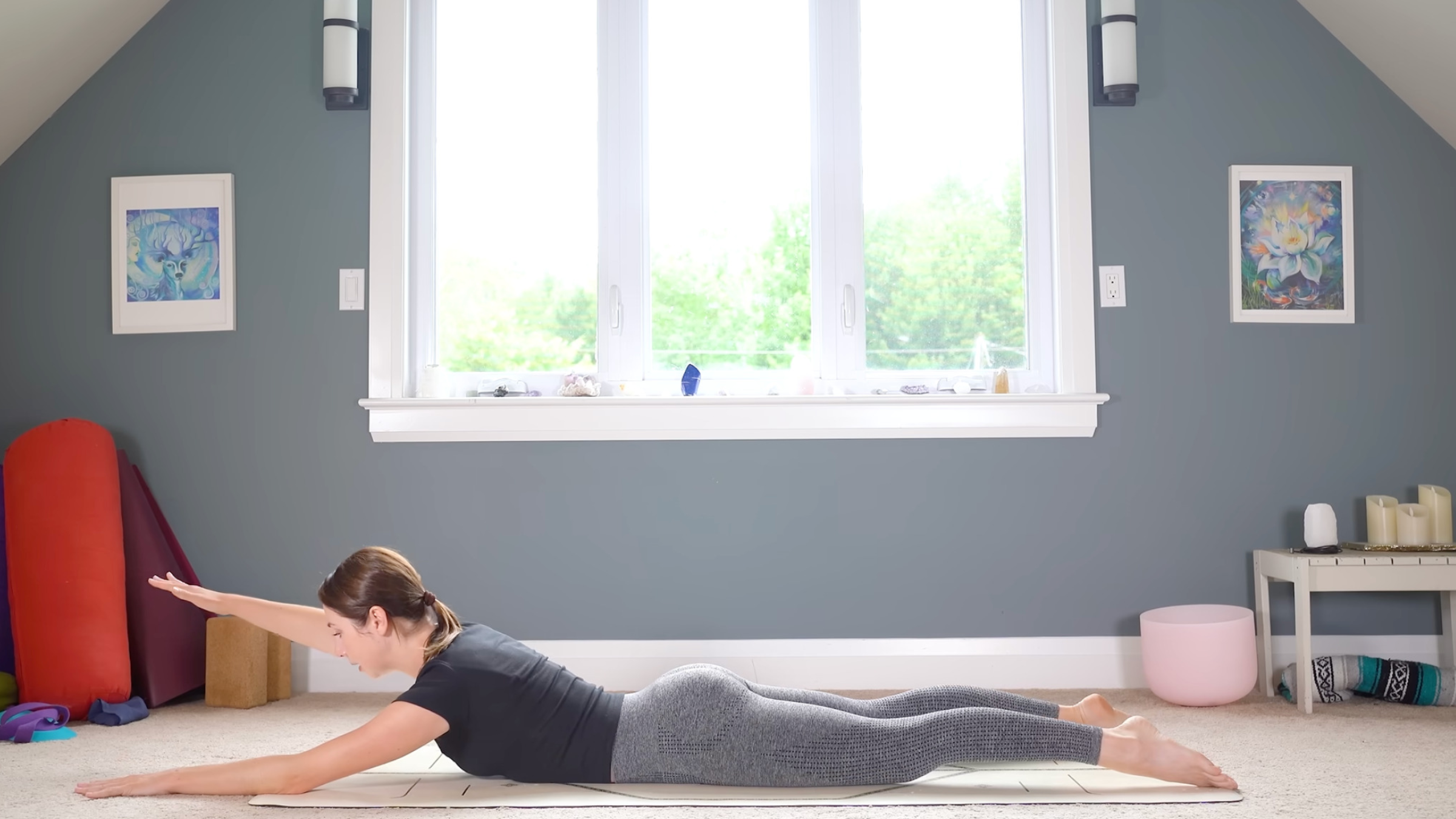
- Cat-Cow and Sphinx: Moving to hands and knees allows for spinal flexion and extension. The subsequent transition to Sphinx Pose creates a gentle, non-aggressive backbend that opens the chest cavity.
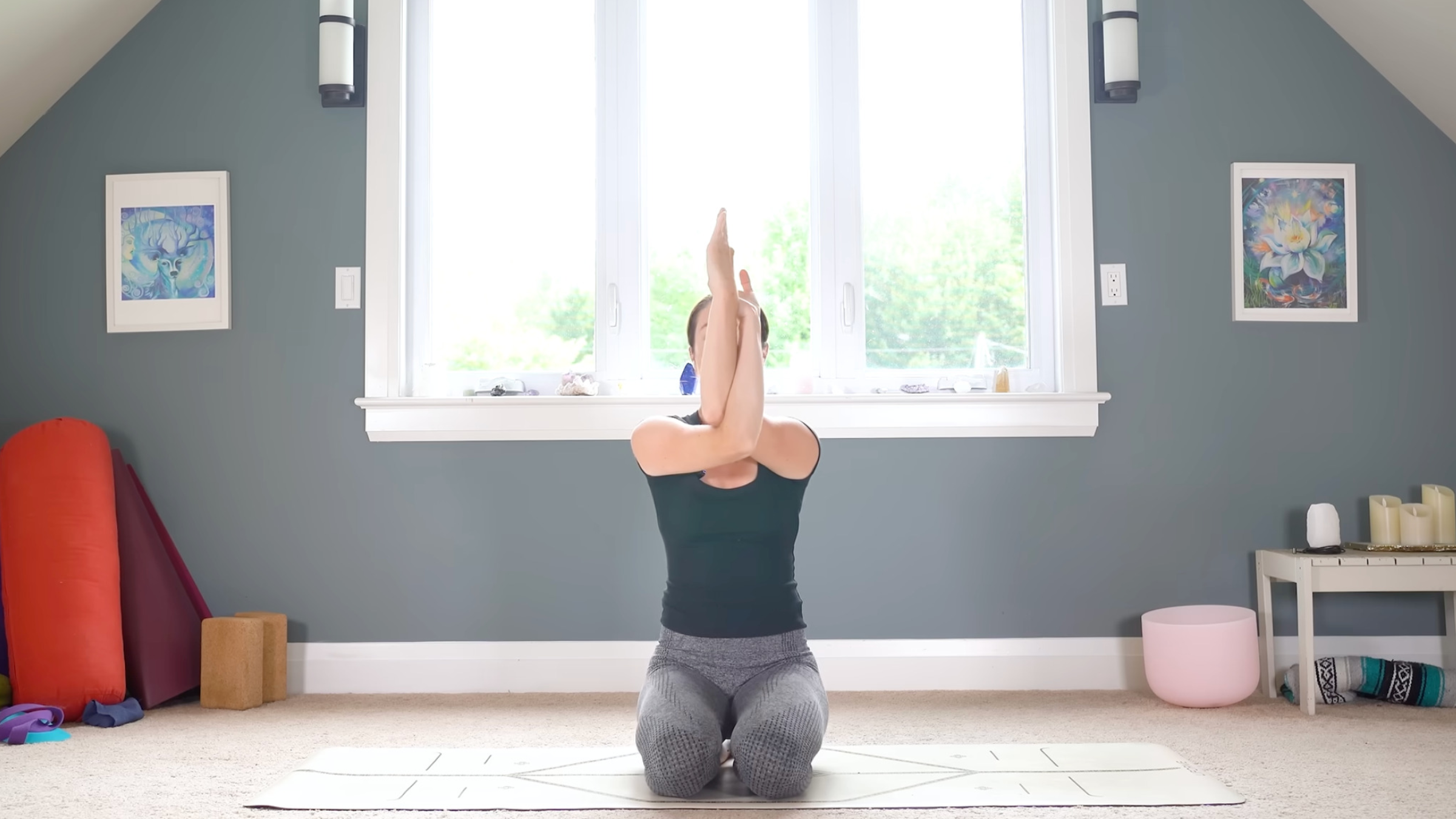
- Broken Wing and Eagle Arms: These poses represent the "peak" of the shoulder release. By focusing on the deep tissues of the rotator cuff and the space between the shoulder blades, these final stretches leave the upper body feeling both relaxed and aligned.
Supporting Data: The Efficacy of Low-Intensity Movement
While the routine is meditative, its benefits are grounded in biomechanics. Clinical studies on office-based workers have consistently shown that short, frequent "micro-breaks" involving static stretching significantly reduce the incidence of musculoskeletal disorders.
Research suggests that:
- Tissue Hydration: Movement within the shoulder capsule promotes the circulation of synovial fluid, which acts as a lubricant for the joints.
- Fascial Release: The slow, held poses in this routine target the fascia—the connective tissue that often "mats" together due to lack of movement.
- Stress Reduction: The combination of rhythmic breathing and gentle movement has been proven to lower cortisol levels, the stress hormone that often causes individuals to "hold" tension in their neck and jaw.
Implications for Daily Wellness
The emergence of this 15-minute sequence highlights a shift in how we approach wellness in 2026. Rather than viewing physical therapy or yoga as an "add-on" to be performed at a studio, the trend is moving toward integrative mobility.
Professional and Personal Benefits
- Increased Productivity: By addressing physical discomfort, workers can maintain focus for longer durations without the distraction of nagging pain.
- Prevention of Chronic Injury: Proactive stretching prevents the transition from acute stiffness to chronic issues like cervical radiculopathy or rotator cuff tendonitis.
- Accessibility: By removing the requirement for props (such as blocks or straps), the barrier to entry is lowered, encouraging consistent daily practice.
A Note on Safety
While the routine is designed to be gentle, experts caution that any practice targeting the neck and shoulders should be approached with mindfulness. "Listen to the body" is not just a yoga mantra; it is a physiological necessity. If a stretch causes sharp, shooting pain—rather than a dull, productive ache—it is a signal to back off. The goal of this 15-minute session is to create "relief," not to force range of motion through aggressive pressure.
Conclusion: Integrating the Routine into Your Life
The 15-minute neck and shoulder routine presented here serves as a powerful tool in the arsenal of modern health maintenance. By dedicating a small fraction of the day to intentional movement, the physical toll of our modern, high-tech environment can be mitigated.
As we continue to navigate a world that demands more from our bodies while offering less movement, practices that emphasize gentle recovery will remain essential. Whether you are a dedicated yogi or someone seeking a simple solution to the "three o’clock slump" of shoulder tightness, this sequence offers a clear, effective path to comfort.
Remember: The most effective practice is the one you do consistently. Even if you cannot perform the entire 15-minute cycle, selecting two or three poses from the routine during a lunch break can be enough to reset your posture and improve your physical well-being for the remainder of the day.