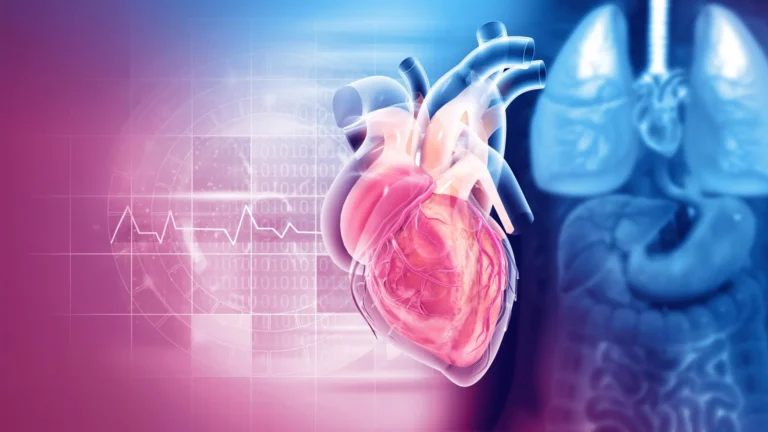









For the past several years, the global scientific community has grappled with a rare but persistent question: Why do a small number of adolescent and young adult males experience heart inflammation, known as myocarditis, following mRNA-based COVID-19 vaccination? While these vaccines have saved millions of lives, the rare instances of cardiac side effects have remained a subject of intense investigation.
Now, a landmark study led by researchers at Stanford Medicine has provided the first clear biological roadmap explaining this phenomenon. By identifying the specific cellular interactions that trigger inflammation, the researchers have not only solved a medical mystery but have also pointed toward a potential therapeutic strategy to mitigate the risk, potentially making future mRNA-based therapies even safer.
The Core Discovery: A Two-Stage Immune Cascade
The Stanford research, published on December 10 in Science Translational Medicine, reveals that the risk of myocarditis is not the result of a single faulty mechanism, but rather a coordinated, two-stage immune "misfire."
The study, led by senior author Joseph Wu, MD, PhD—director of the Stanford Cardiovascular Institute—and lead author Xu Cao, PhD, explains that the process begins when the mRNA vaccine activates a primary immune responder: the macrophage. Upon encountering the vaccine, these macrophages release high levels of a signaling protein called CXCL10.
This is the first stage. In the second stage, the surge of CXCL10 acts as a recruitment signal for T cells. Once activated by the presence of CXCL10, these T cells release a potent inflammatory cytokine known as IFN-gamma (interferon-gamma). The combination of these two proteins—CXCL10 and IFN-gamma—creates a "perfect storm" that causes immune cells to infiltrate heart tissue, leading to the inflammation and damage that characterizes vaccine-associated myocarditis.
Chronology of the Research
The path to this discovery was a multi-year effort that bridged laboratory biology and clinical data.
- Early Observations (2021–2022): As vaccination programs rolled out globally, clinicians began reporting rare cases of myocarditis, primarily in males aged 30 and younger, appearing one to three days after the second dose.
- Data Synthesis: The Stanford team began by analyzing blood samples from vaccinated individuals, comparing those who developed myocarditis with those who did not. This initial screening identified the two "suspects": CXCL10 and IFN-gamma.
- In Vitro Verification: Using lab-grown human immune cells, the team confirmed that macrophages exposed to the vaccine produce CXCL10, which subsequently triggers T cells to produce IFN-gamma.
- Animal Models: The researchers vaccinated young male mice, documenting increased cardiac troponin—a standard clinical marker for heart muscle damage—and observing immune cell infiltration (macrophages and neutrophils) in the heart tissue.
- Testing Protective Compounds: Recognizing that the cytokine response was the root cause, the team tested the soy-derived compound genistein. They found that pre-treating models with the compound effectively blunted the inflammatory response without compromising the vaccine’s primary immune-boosting function.
Supporting Data: Understanding the Risk
Despite the recent findings, it is essential to contextualize these risks within the broader safety record of mRNA technology. Billions of doses of COVID-19 vaccines have been administered worldwide, and the public health consensus remains that the benefits of vaccination far outweigh the risks.
Statistical Context
The rarity of vaccine-associated myocarditis is underscored by the following data:
- Incidence Rates: The condition occurs in approximately one in 140,000 individuals after the first dose.
- Increased Risk Post-Second Dose: This rate increases to roughly one in 32,000 following the second dose.
- The Demographic Disparity: The highest risk is observed in males aged 30 and younger, where the incidence reaches approximately one in 16,750.
Clinical Outcomes
Dr. Joseph Wu emphasizes that most cases of vaccine-associated myocarditis are mild and transient. "It’s not a heart attack in the traditional sense," Wu notes. "There’s no blockage of blood vessels. When symptoms are mild and the inflammation hasn’t caused structural damage, we simply observe the patients to ensure they recover."
Furthermore, the risk of developing myocarditis from a natural COVID-19 infection is estimated to be roughly 10 times higher than the risk associated with the vaccine. Beyond heart inflammation, COVID-19 carries a host of other severe health risks, including long-term organ damage and mortality, reinforcing the medical community’s stance on the necessity of vaccination.
Implications of the Discovery
The identification of CXCL10 and IFN-gamma as the culprits behind this inflammation opens doors for both immediate clinical observation and long-term pharmaceutical innovation.
A Potential Role for Genistein
Perhaps the most intriguing part of the study is the role of genistein. Having previously studied this soy-derived compound for its anti-inflammatory properties, Dr. Wu’s team found that it effectively reduced heart injury in laboratory models.
While the researchers caution against using over-the-counter supplements—as the form used in the study was highly purified and concentrated—the discovery suggests that pharmacological interventions could eventually be used to protect high-risk individuals. "It’s reasonable to believe that the mRNA-vaccine-induced inflammatory response may extend to other organs," Wu said. "If that is true, then a protective strategy like this could have broader applications."
Broader Scientific Impact
This research is not merely about COVID-19. As mRNA technology expands into other areas—such as cancer vaccines and treatments for rare genetic diseases—understanding the body’s inflammatory "brakes and balances" is critical.
"Your body needs these cytokines to ward off viruses. It’s essential to the immune response but can become toxic in large amounts," Dr. Wu explained. By identifying how these cytokines become excessive, scientists can refine the delivery mechanisms or formulations of future mRNA therapies to ensure they elicit the necessary immune protection while minimizing the potential for localized inflammatory damage.
Official Responses and Public Health Context
The medical community has received these findings as a vital step forward in vaccine safety transparency. By shifting the conversation from "why is this happening" to "how can we block it," the Stanford team has provided a blueprint for how modern medicine can evolve to handle the nuances of new, rapid-response technologies.
The research also highlights a significant bias in how we track medical side effects. Dr. Wu pointed out that because COVID-19 vaccines received such intense public and media scrutiny, heart inflammation—which can also occur after other vaccines—was tracked and diagnosed with a high degree of precision. "If you get achy muscles or joints from a flu vaccine, you just blow it off," Wu noted. The Stanford study provides the framework to potentially identify similar mechanisms in other medical interventions that have historically been overlooked.
Looking Ahead
The path forward involves further clinical studies to determine if these protective strategies can be safely integrated into vaccine protocols. As the field of mRNA technology continues to mature, the ability to tailor immune responses will be a hallmark of the next generation of vaccines.
For now, the message from researchers at Stanford remains clear: the vaccines have been a crucial tool in mitigating a global crisis, and the discovery of this biological pathway serves to strengthen the medical community’s ability to protect patients, refine safety protocols, and build better vaccines for the future.
Funding and Support: This research was supported by the National Institutes of Health (grants R01 HL113006, R01 HL141371, R01 HL141851, R01 HL163680, and R01 HL176822) and the Gootter-Jensen Foundation.