In a landmark shift for cardiovascular medicine, the American College of Cardiology (ACC) and the American Heart Association (AHA) have unveiled their most comprehensive update to clinical cholesterol management guidelines since 2018. Announced on March 28 at the ACC’s 75th Annual Scientific Session in New Orleans, these recommendations represent a fundamental evolution in how clinicians identify, assess, and treat the silent drivers of heart disease.
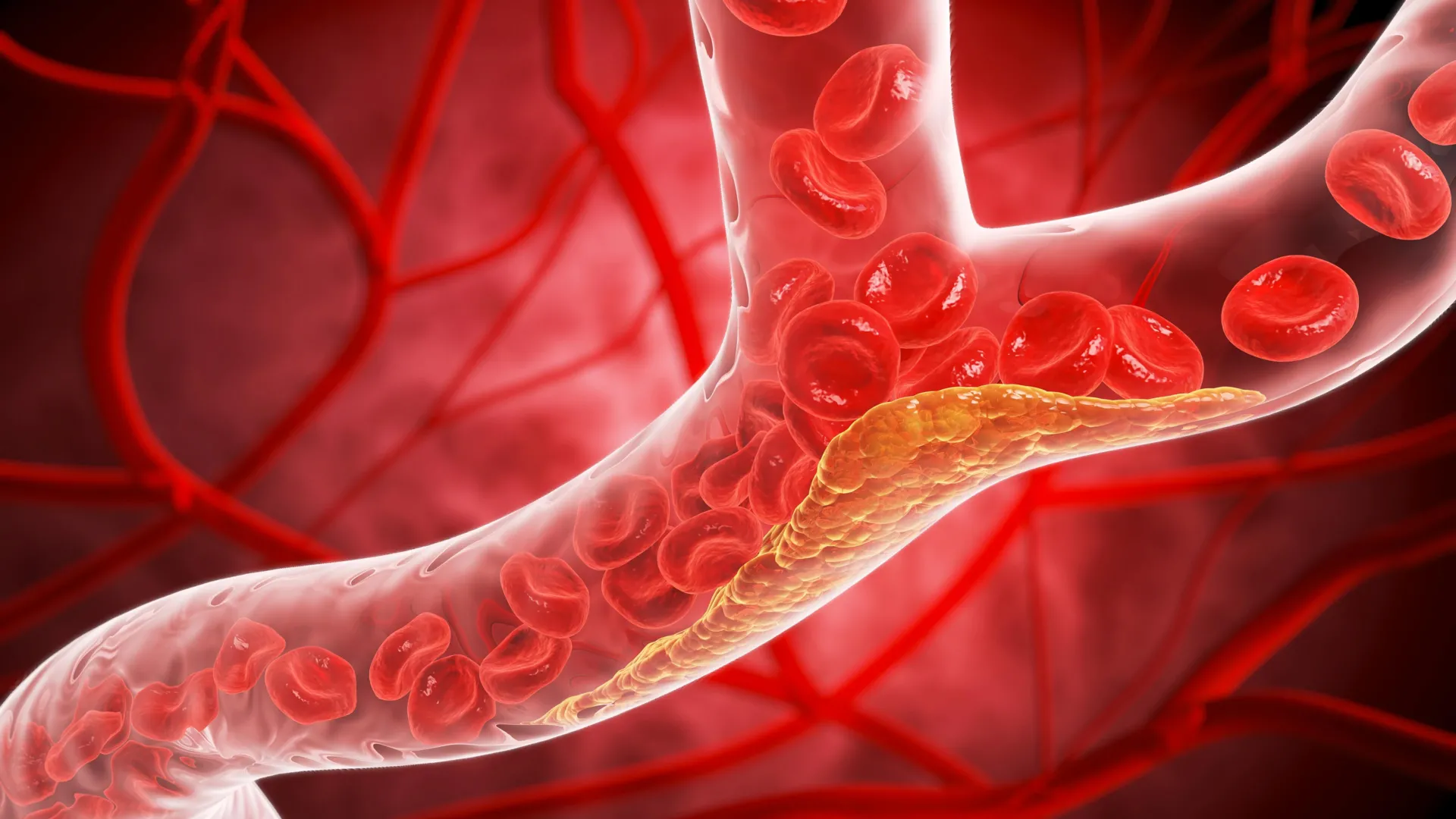
The guidelines, published simultaneously in the Journal of the American College of Cardiology and Circulation, arrive at a critical juncture. With approximately one in four American adults living with elevated low-density lipoprotein (LDL) cholesterol—the primary culprit behind the arterial hardening known as atherosclerosis—the medical community is pivoting from a reactive stance to a proactive, lifelong prevention model.
The Evolution of Cardiovascular Risk Assessment
For decades, the standard for heart health was rooted in mid-life intervention. However, the new guidance signals a departure from this "wait-and-see" approach. By integrating more granular data and expanding the scope of risk factors, the new framework aims to intercept cardiovascular disease (CVD) long before it manifests as a catastrophic event, such as a heart attack, stroke, or congestive heart failure.
The Chronology of Modern Prevention
The path to these updated guidelines has been paved by nearly a decade of research. Following the 2018 guidelines, the scientific community began to recognize that the cumulative burden of "bad" cholesterol is not merely a snapshot of a patient’s current health, but a lifelong tally. The release of the 2026 guidelines is complemented by the paper "The ABCs of Cardiovascular Disease Prevention: Communicating What We Know in 2026," published in the American Journal of Preventive Cardiology. This body of work underscores a transition toward personalized medicine, where individual genetic predispositions, inflammatory markers, and even pregnancy history serve as critical inputs for treatment plans.
Redefining Risk: The PREVENT Calculator
Perhaps the most significant technical advancement in the 2026 guidelines is the introduction of the Predicting Risk of Cardiovascular Disease EVENTs (PREVENT) calculator.
The legacy models, which dominated the field for years, were primarily designed for patients aged 40 and older and relied on a relatively narrow set of variables. The new PREVENT model, however, is a massive leap forward in both scope and precision. Built on data from 6.6 million individuals—an exponential increase over the 26,000 subjects used in previous iterations—the tool offers a more robust estimation of both 10-year and 30-year risks.
Crucially, the PREVENT calculator lowers the age of assessment to 30, acknowledging that the biological damage caused by hyperlipidemia begins early. By incorporating markers such as kidney function and blood sugar levels, the calculator provides a holistic view of systemic health, allowing clinicians to identify "at-risk" younger patients who may have previously been categorized as low-risk.
The Science of "Risk Enhancers"
The guidelines emphasize that LDL cholesterol levels cannot be viewed in a vacuum. To refine treatment decisions, the committee has codified a series of "risk enhancers"—secondary indicators that provide context to a patient’s primary lipid panel.
These indicators include:
- Inflammatory Markers: Measuring high-sensitivity C-reactive protein (hsCRP) to gauge systemic inflammation.
- Genetic Predisposition: A one-time assessment for Lipoprotein(a) [Lp(a)], which can increase heart disease risk by 40% at levels of 125 nmol/L and double it at 250 nmol/L.
- Family and Reproductive History: Clinicians are now directed to consider factors like premature menopause, gestational diabetes, and preeclampsia. These life events are now recognized as early warning signs for future vascular risk.
- Underlying Conditions: Rheumatoid arthritis, HIV, and chronic kidney disease are explicitly identified as factors that necessitate more aggressive monitoring.
Targeted Treatment: Lowering the Bar
The 2026 guidelines set aggressive, tiered targets for LDL-C, reflecting a growing consensus that for cholesterol, "lower is better."
- General Population: The optimal target remains below 100 mg/dL for those without known cardiovascular disease.
- Intermediate Risk: Patients in this bracket are advised to strive for levels below 70 mg/dL.
- High-Risk Individuals: For those with existing atherosclerosis or established high-risk profiles, the target is reduced to less than 55 mg/dL.
The guidelines also diversify the pharmacological arsenal. While statins remain the cornerstone of therapy, the new document provides clear pathways for incorporating ezetimibe, bempedoic acid, and injectable PCSK9 inhibitors. These options are vital for patients who demonstrate statin intolerance or for those who require a multi-drug regimen to reach their specific physiological targets.
Official Perspectives: The Philosophy of Prevention
Dr. Roger S. Blumenthal, chair of the guideline writing committee and director of the Johns Hopkins Ciccarone Center for the Prevention of Cardiovascular Disease, underscores the urgency of this update. "We know that lower LDL cholesterol levels are better when it comes to reducing the risk of heart attacks, strokes, and congestive heart failure," Dr. Blumenthal stated during the presentation in New Orleans. "We also know that bringing elevated lipids and blood pressure down in young adults supports optimal heart and vascular health throughout a person’s life."
This sentiment is echoed by Dr. Seth Martin, a member of the writing committee, who emphasizes the long-term societal impact. "Shifting the paradigm toward proactive prevention strategies earlier in life can meaningfully change the trajectory of cardiovascular disease and lead to better health outcomes for people decades later," Dr. Martin noted.
The Role of Lifestyle: The Bedrock of Health
Despite the high-tech advancements in diagnostics and the expansion of pharmaceutical options, the 2026 guidelines maintain a steadfast commitment to foundational lifestyle modifications. The committee estimates that 80% to 90% of cardiovascular disease risk is linked to modifiable factors.
The "big five" pillars of prevention remain unchanged:
- A balanced, heart-healthy diet.
- Regular, consistent physical activity.
- Strict avoidance of tobacco products.
- Prioritization of restorative sleep.
- Management of body weight.
These lifestyle changes are not presented as alternatives to medication, but as the mandatory first step in a comprehensive management plan. The guidelines argue that when lifestyle interventions are paired with precision medicine, the potential to eradicate premature heart disease is well within reach.
Implications for the Future
The implications of the 2026 guidelines are far-reaching. By mandating earlier screenings for genetic conditions like familial hypercholesterolemia—now recommended for children as young as nine—the medical system is moving toward a model of lifelong cardiac surveillance.
Furthermore, the editorial accompanying the guidelines hints at a future even more aggressive than the current recommendations. Referencing the VESALIUS-CV clinical trial, experts suggest that for patients with moderate atherosclerosis, the "new normal" may soon involve even lower thresholds for LDL-C. This suggests that the 2026 update is not an endpoint, but a milestone in a rapidly accelerating field of preventive cardiology.
Conclusion: A Proactive Future
The 2026 ACC/AHA guidelines represent a definitive shift toward a more individualized, data-driven approach to heart health. By lowering the age of assessment, leveraging the massive data set of the PREVENT calculator, and focusing on aggressive lipid-lowering targets, the medical community is moving to stop heart disease before it starts.
For the millions of Americans affected by lipid disorders, these guidelines offer more than just a set of rules; they offer a roadmap for longevity. As medicine continues to advance, the integration of genetic testing, advanced imaging, and personalized risk assessment will ensure that heart health is no longer a matter of chance, but a matter of design. Through shared decision-making between patients and clinicians, the goal is clear: to ensure that the "ABCs of prevention" become the standard of care for every adult, regardless of their current risk profile.