









Prostate cancer has long remained a fortress against the most promising advancements in oncology: immunotherapy. While treatments like checkpoint inhibitors have revolutionized the survival landscape for patients with melanoma, lung, and kidney cancers, they have largely failed to penetrate the defenses of the prostate.
Now, a groundbreaking study published in Nature Biomedical Engineering reveals a paradigm-shifting strategy. Researchers have developed an experimental RNA-targeting technology that effectively "re-lengthens" the molecular instructions inside cancer cells. By doing so, they have transformed historically "immune-cold" prostate tumors—those that evade detection by the immune system—into targets that are highly visible and vulnerable to immune-mediated destruction.
The Challenge of the "Immune-Cold" Tumor
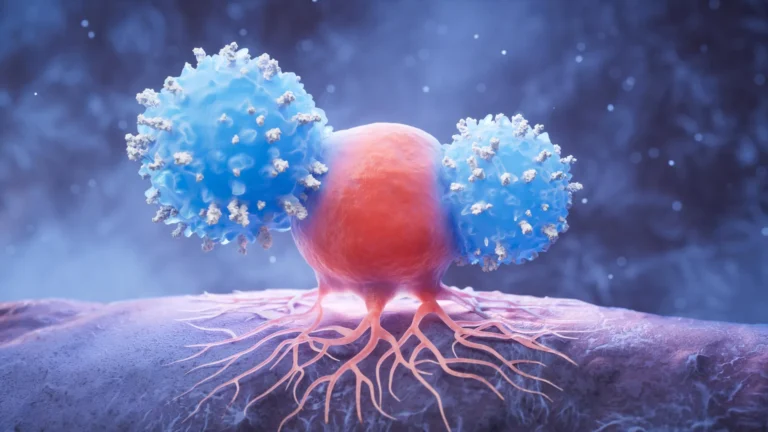
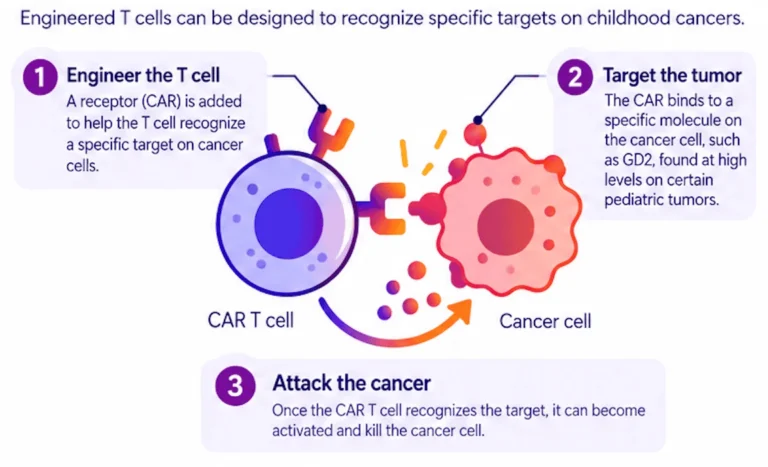
To understand the significance of this discovery, one must first grasp the anatomy of an immune-cold tumor. The immune system, specifically the T cells, functions as the body’s search-and-destroy squad. Under normal conditions, T cells patrol the body, scanning for markers on cell surfaces that indicate infection or malignancy.
Prostate tumors, however, are masters of camouflage. They attract very few T cells, creating a hostile, desolate environment where the immune system is effectively locked out. Without the infiltration of these critical immune cells, conventional immunotherapies—which are designed to "release the brakes" on the immune system—have no active fighters to unleash. They are, in essence, trying to fire a weapon that has no ammunition.
The newly developed technology addresses this fundamental flaw by manipulating the internal genetic machinery of the cancer cell, effectively stripping away its invisibility cloak and turning the tumor into a beacon that draws T cells in.
A Chronology of Discovery: From Brain Cancer to Breakthrough
The seeds of this discovery were sown over a decade ago. In 2012, Eric J. Wagner, PhD, a co-author of the current study and a professor of Biochemistry and Biophysics at the University of Rochester Medicine, was investigating glioblastoma, a highly aggressive form of brain cancer.
During his research, Wagner and his team observed a peculiar phenomenon: the messenger RNA (mRNA) in tumor cells was systematically shorter than it was in healthy cells. mRNA is the essential courier of genetic information, transcribing instructions from DNA to the cell’s protein-making machinery.
The Survival Strategy of Shortened mRNA
As Wagner’s team delved deeper, they realized this wasn’t an anomaly, but a sophisticated survival mechanism. In the cellular world, mRNA length is tied to stability. Much like a smaller, more compact animal has less surface area to lose heat or be targeted by predators, shortened mRNAs are remarkably stable. They are less likely to be degraded by cellular enzymes, allowing them to remain active for extended periods.
This prolonged activity allows cancer cells to churn out excessive amounts of specific proteins, fueling their growth and allowing them to operate outside of normal cellular regulatory checkpoints. This discovery set the stage for a 12-year journey to understand how these shortened transcripts could be reversed to neutralize cancer’s advantage.
The Mechanism: CRISPR-Cas13 as a Molecular Architect
The collaborative team, led by researchers at the Duke University School of Medicine, focused on a specific protein known as SPSB1. In prostate cancer, the mRNA responsible for producing SPSB1 is chronically shortened, leading to an overproduction of the protein. This excess, in turn, facilitates the degradation of the MHC-1 complex—the very "ID card" that allows immune cells to recognize a cell as a threat.
Re-lengthening the Genetic Code
To restore the immune signal, the researchers turned to CRISPR. Unlike traditional CRISPR-Cas9, which is famous for "cutting" DNA, the team utilized a CRISPR-Cas13 system. This system was engineered not to sever the genetic material, but to act as a molecular scaffold.
By attaching to a specific sequence of the SPSB1 mRNA, the CRISPR tool prevents the cell from shortening the "tail" of the molecule. By keeping the mRNA at its natural, longer length, the production of the harmful SPSB1 protein is significantly curtailed. With SPSB1 levels brought back to a normal range, the cell is once again able to express the MHC-1 complex. The tumor’s "ID card" is restored, and the immune system can finally identify the malignant cells for what they are.
Supporting Data and Preclinical Success
In laboratory models and mice studies, the results were unequivocal. Once the MHC-1 complex was restored via the CRISPR-Cas13 intervention, the prostate tumors showed a massive influx of T cells.
"We saw a robust increase in immune cell infiltration," the researchers noted in their report. "The T cells were not only entering the tumor microenvironment but were actively engaging and destroying the cancer cells."
Crucially, the team conducted an exhaustive analysis to ensure that this gene-editing approach did not cause "off-target" effects—a common concern with CRISPR technologies. The study found no evidence of unintended genetic editing, suggesting that the tool is highly specific and potentially safe for clinical application. The combination of the CRISPR-Cas13 tool and traditional immune checkpoint therapy resulted in a synergistic effect, where the tumor was unable to mount a defense against the renewed immune onslaught.
Official Responses and Expert Perspectives
Dr. Eric J. Wagner, who also serves as co-director of the Center for RNA Biology at the University of Rochester, views this as a watershed moment for immunotherapy.
"Immune therapy is a monumentally different way to treat cancer, and a great way because you don’t have to give patients terrible drugs that kill the cancer but harm healthy cells in the process," Wagner stated. "The problem is that some cancers respond well to immune therapy, but others develop resistance or don’t respond at all. Our tool strengthens the immune system’s ability to make the cancer go away."
Wagner emphasized the intelligence of cancer as an adversary, noting that while tumors evolve quickly, they are constrained by biological rules. "Cancer is super smart at evolving, but it’s not a magician," he said. "If we can hit it with immunotherapy and another synergistic drug that pumps up the immune response, we could potentially cure it. It won’t be able to evolve fast enough."
Implications for Future Oncology
The implications of this research extend far beyond prostate cancer. Because the "shortened mRNA" phenomenon appears to be a common thread in various malignancies, the technology may be applicable to a wide range of "cold" tumors that currently remain resistant to standard immunotherapy.
Next Steps: Testing in Pancreatic Cancer
The momentum from this discovery has already led to new research initiatives. Wagner’s team, supported by pilot funding from the Wilmot Cancer Institute and the Roswell Park Comprehensive Cancer Center, is currently shifting their focus toward pancreatic cancer.
Pancreatic cancer is notoriously resistant to conventional treatments, and it is frequently described as having an extremely dense, immune-suppressive environment. If the CRISPR-Cas13 re-lengthening technique can successfully turn the tide in pancreatic tumors, it would represent a massive breakthrough for one of the deadliest forms of cancer.
Conclusion: A New Era of Targeted Precision
The success of this study underscores the importance of basic, curiosity-driven research. What began as an observation of RNA length in brain cancer 12 years ago has culminated in a precise, molecularly engineered solution for prostate cancer.
While clinical trials in humans are the necessary next step to confirm these findings, the ability to "re-lengthen" mRNA represents a novel class of therapeutic intervention. By bridging the gap between genetic architecture and immune recognition, researchers are finally beginning to see a path forward for patients who, until now, had very few options. As the team moves toward testing this technology in other difficult-to-treat cancers, the scientific community remains optimistic that this "immune magnet" could soon be a standard tool in the oncologist’s arsenal.