










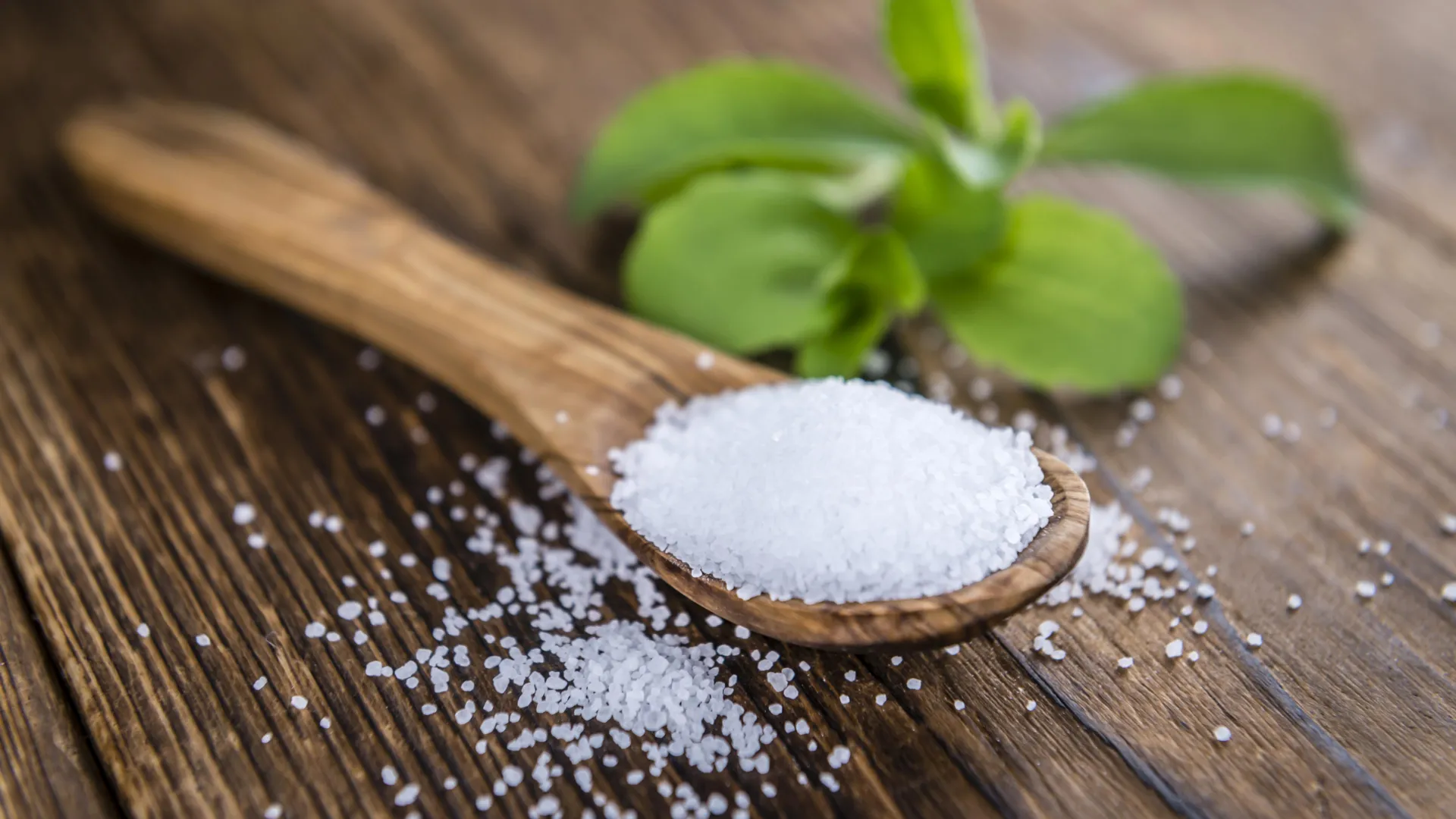
For decades, the global shift toward "diet" beverages and sugar-free alternatives has been driven by a singular, seductive promise: the ability to satisfy a sweet tooth without the caloric penalty. As public health initiatives have waged war against sugar-induced obesity, non-nutritive sweeteners (NNS) like sucralose and stevia have become dietary staples for millions. Yet, as the prevalence of obesity and metabolic syndrome continues to climb despite the widespread adoption of these sugar substitutes, the scientific community is beginning to ask a provocative, uncomfortable question: Are we inadvertently trading one metabolic crisis for another?
A groundbreaking study published in Frontiers in Nutrition provides a sobering look at this possibility. By tracking mice across multiple generations, researchers have discovered that commonly consumed sweeteners may do more than just provide a zero-calorie hit; they may fundamentally alter the gut microbiome and gene expression in ways that ripple through an organism’s lineage.
The Metabolic Paradox: A Growing Scientific Inquiry
The logic behind non-nutritive sweeteners is straightforward: by bypassing traditional metabolic pathways associated with sugar, one can avoid the rapid spikes in blood glucose and insulin that contribute to weight gain and type 2 diabetes. However, the disconnect between the rise of "diet" products and the stagnation of global metabolic health has caught the attention of researchers worldwide.
"We found it intriguing that despite the growing consumption of these additives, the prevalence of obesity and metabolic disorders such as insulin resistance has not declined," says Dr. Francisca Concha Celume of the Universidad de Chile, the lead author of the recent study. "This does not mean that sweeteners are responsible for these trends, but it raises the question of whether they influence metabolism in ways we do not yet fully understand."
The research team set out to investigate if these sweeteners act as "metabolic disruptors," potentially interfering with the body’s internal signaling systems—specifically those governed by the gut microbiome and epigenetic markers.
Chronology of the Study: From Intake to Transgenerational Impact
To isolate the variables, the researchers utilized a controlled animal model, which allowed for precise monitoring of dietary intake and environmental factors. The study was structured to capture both direct impacts and potential hereditary consequences.
Phase I: Initial Exposure
The experiment began with 47 mice, divided into three cohorts. One group acted as the control, receiving only plain water. The other two groups were given water infused with either sucralose or stevia at dosages calibrated to mimic typical human consumption patterns. This phase was designed to establish a baseline for how these substances affect the primary subjects.
Phase II: The Hereditary Test
Crucially, the study did not stop with the initial mice. The original subjects were bred for two successive generations. Neither the first-generation offspring nor the second-generation descendants were exposed to the sweeteners; they were provided only with plain water. This experimental design was essential for determining whether the metabolic shifts observed in the parents could be passed down, suggesting an epigenetic influence—a change in how genes are "turned on" or "off"—rather than just a transient digestive response.
Supporting Data: Gut Health and Genetic Signatures
The researchers employed a multi-faceted diagnostic approach to understand the physiological changes within the mice. By analyzing fecal samples, glucose tolerance tests, and gene activity, the team built a comprehensive picture of how these sweeteners alter the internal biological landscape.
The Microbiome Shift
The analysis revealed that both sucralose and stevia caused a noticeable shift in the gut microbiome. While the overall diversity of gut bacteria increased, the quality of that diversity was problematic. Both sweetener groups showed a significant reduction in the concentration of short-chain fatty acids (SCFAs).
SCFAs are metabolic powerhouses produced by gut bacteria that play a critical role in maintaining the integrity of the intestinal barrier and regulating immune responses. A decrease in these compounds is often linked to systemic inflammation and reduced metabolic efficiency.
Genetic Expression and Inflammation
The team focused on five specific genes known to be involved in inflammatory pathways and metabolic regulation within the liver and intestines. The findings were stark:
- Sucralose: Induced a significant increase in the activity of pro-inflammatory genes while suppressing genes essential for healthy metabolism.
- Stevia: Also altered gene expression, though the impact was notably less severe and shorter-lived than that of sucralose.
Perhaps most concerning was the "memory" of these changes. The study found that even in generations never exposed to the sweeteners, the microbial disruptions and genetic shifts persisted, suggesting that the initial parental exposure left a lingering footprint on the biological health of the offspring.
Sucralose vs. Stevia: A Comparative Analysis
While both sweeteners are often grouped together in the public imagination as "natural" or "synthetic" alternatives to sugar, the study highlights that they do not share identical biological profiles.
The effects of sucralose were found to be more persistent and aggressive. In the first generation of offspring, male descendants of sucralose-exposed mice showed impaired glucose tolerance—a classic precursor to insulin resistance. By the second generation, this impairment evolved into elevated fasting blood sugar in both male and female descendants of the sucralose group, and female descendants of the stevia group.
"The effects associated with sucralose were stronger and more persistent," noted the research team. The sucralose-exposed mice also exhibited a rise in potentially pathogenic bacterial strains within their fecal samples, further suggesting that the sweetener may be creating an environment in the gut that favors harmful microbes over beneficial ones.
Implications for Human Health
While it is tempting to translate these findings directly to human health, Dr. Concha Celume and her team are careful to emphasize the limitations of the research. Mice are not humans, and their metabolic responses, while similar in many ways, are not identical.
Are We Facing a Silent Crisis?
The researchers note that the mice in the study did not develop full-blown diabetes. Instead, they exhibited "subtle changes" in how their bodies regulated glucose and in the inflammatory signals sent to their organs. The danger, according to the researchers, lies in the cumulative effect of these subtle shifts.
"It is possible that such changes could increase susceptibility to metabolic disturbances under certain conditions, such as a high-fat diet," Dr. Concha Celume explained. In a modern environment where highly processed, high-fat, and high-sugar diets are the norm, the added stress of non-nutritive sweeteners might be the tipping point that pushes a vulnerable individual toward metabolic disease.
The Need for Nuance
The study does not claim that sucralose or stevia are toxic poisons. Rather, it challenges the long-held assumption that because these substances are "non-nutritive" (meaning they don’t contain calories), they are biologically inert. The data suggest they are, in fact, highly bioactive, capable of interacting with the microbiome and influencing gene expression in ways that could have generational consequences.
Official Responses and Future Outlook
The scientific community has reacted with cautious interest. Nutritionists and endocrinologists have long suspected that the gut microbiome acts as a "second brain," and any substance that alters its composition warrants rigorous, long-term scrutiny.
Public health organizations, which have historically promoted sugar-free sweeteners as a tool for weight management, may now face pressure to re-evaluate their guidelines. The research underscores a fundamental shift in nutritional science: we must move beyond counting calories and begin considering the biological signal of everything we ingest.
A Call for Moderation
The authors of the study stress that their goal is not to incite fear, but to advocate for a more informed approach to nutrition.
"The goal of this research is not to create alarm, but to highlight the need for further investigation," says Dr. Concha Celume. "It may be reasonable to consider moderation in the consumption of these additives and to continue studying their long-term biological effects."
As the scientific community continues to peel back the layers of how non-nutritive sweeteners interact with our internal biology, the message for the average consumer remains clear: there is no free lunch in nutrition. While diet sodas and sugar-free snacks offer a path to lower caloric intake, they are not necessarily free from biological consequences. For now, the safest approach may be to view these sweeteners not as a dietary panacea, but as substances that—like everything else—should be consumed with mindfulness, awareness of their potential long-term impacts, and, above all, moderation.