In the high-stakes world of oncology, immunotherapy has emerged as a revolutionary frontier. By empowering the body’s own immune system to recognize and destroy malignant cells, drugs known as immune checkpoint inhibitors have transformed the prognoses for patients with melanoma, lung, and kidney cancers. Yet, for a subset of patients—particularly those diagnosed with fibrolamellar carcinoma (FLC)—this promise has remained largely out of reach.
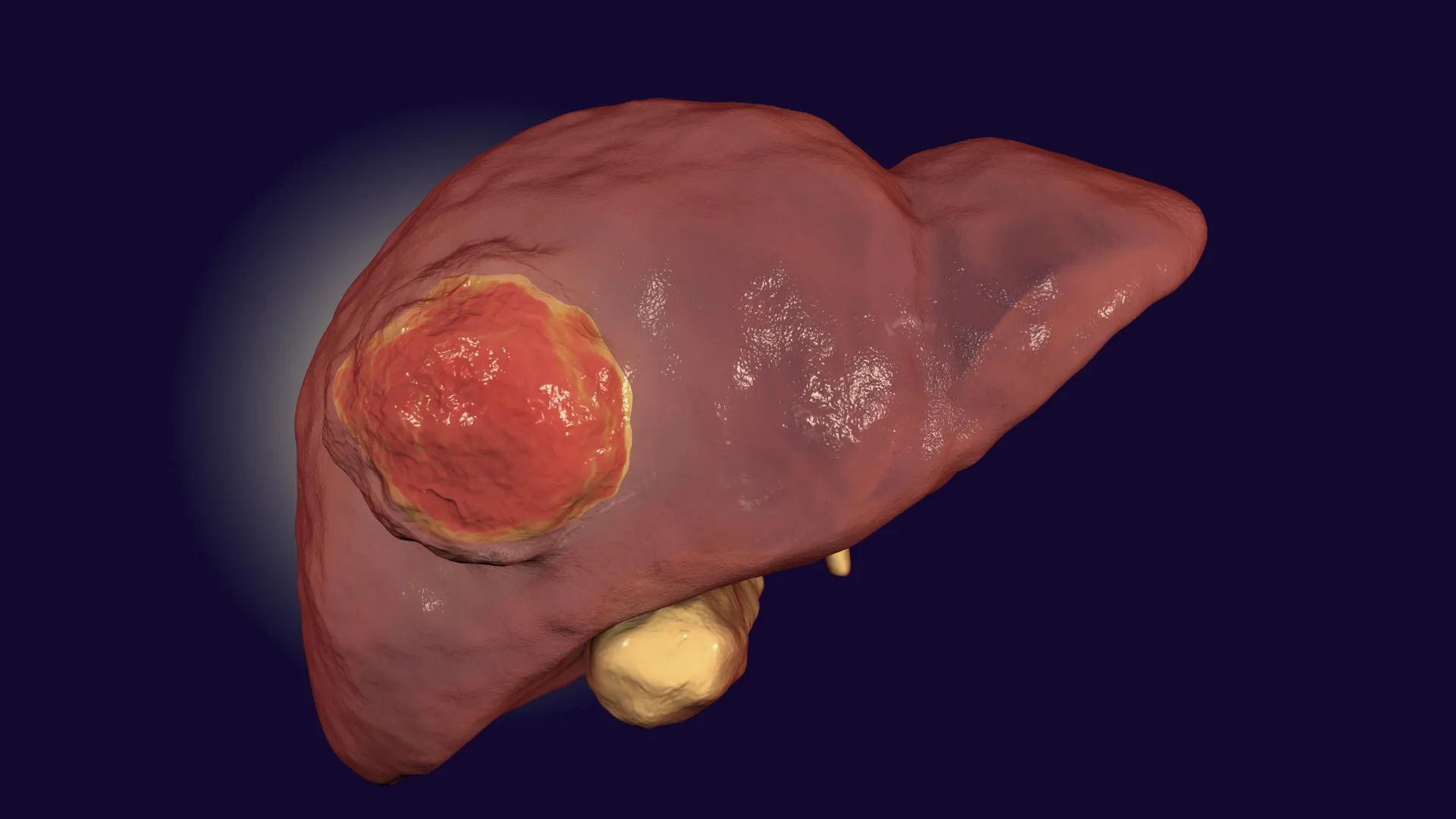
A rare, aggressive form of liver cancer that disproportionately strikes children and young adults, FLC has long been characterized by its resistance to standard treatment protocols. With no current cure and a high likelihood of discovery only after metastasis, the clinical landscape for these patients is often bleak. However, a landmark study published in the journal Gastroenterology has revealed a potential breakthrough: researchers have identified a biological mechanism that prevents the immune system from attacking FLC, and more importantly, they have identified an FDA-approved drug capable of overriding that defense.
The Challenge of a Silent Invader
Fibrolamellar carcinoma accounts for approximately 2% of all liver cancer cases worldwide. Because it often develops in individuals with no history of liver disease, it lacks the early warning signs that lead to routine screenings. By the time a patient presents with symptoms, the cancer has frequently disseminated to other organs, drastically limiting the window for surgical intervention.
For years, the scientific community has puzzled over why immune checkpoint inhibitors—the "gold standard" for modern immunotherapy—fail to elicit a response in FLC patients. The prevailing theory was that the tumors were simply "cold," meaning they did not provoke an immune reaction. However, the new research suggests the reality is more nuanced: the immune system is trying to fight the cancer, but it is being physically and chemically barred from the front lines.
The Mechanism of T-Cell Exclusion
The study, led by a collaborative team including Praveen Sethupathy, chair of the Department of Biomedical Sciences at Cornell’s College of Veterinary Medicine, and Dr. Venu Pillarisetty, a surgical oncologist at the University of Washington, utilized cutting-edge technology to peer into the "tumor microenvironment."
Using single-nucleus transcriptomics—a sophisticated method that isolates the nucleus of individual cells to identify active gene expression—the team mapped the internal architecture of FLC tumors with unprecedented resolution. They discovered that FLC tumors engage in a process known as T-cell exclusion.
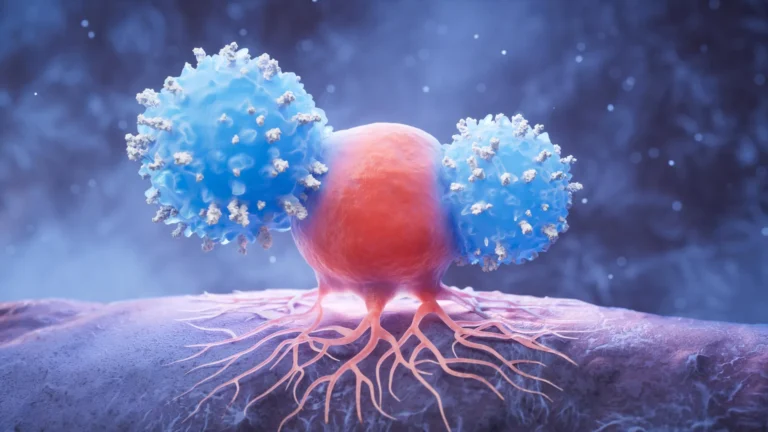
In a healthy immune response, T cells are the "soldiers" that identify and eliminate threats. In the context of FLC, however, the tumor manipulates its surrounding environment to create a barrier. Researchers found that stellate cells—normal liver cells that the cancer essentially "hijacks"—are reprogrammed to secrete fibrous proteins. These proteins form the thick, characteristic fibrous bands that give FLC its name.
More significantly, these altered stellate cells transmit chemical signals that act as a diversion, luring T cells away from the cancer cells and trapping them within the dense, inert fibrous bands. By isolating the T cells in these "dead zones," the tumor renders the body’s natural defense mechanism useless.
A Repurposed Solution: The Role of AMD3100
The discovery of this "diversion tactic" led the researchers to a pivotal question: could they block the signaling that lures T cells away from their target?
The team turned their attention to AMD3100, an FDA-approved drug already in use for mobilizing stem cells in patients with certain blood disorders. When the researchers treated patient tumor tissue with AMD3100 in the lab, they observed a remarkable shift. The drug successfully interrupted the communication between the stellate cells and the T cells. Without the misleading chemical signals, the T cells were able to bypass the fibrous traps and migrate into the heart of the tumor.
When the researchers combined AMD3100 with immune checkpoint inhibitors, the effect was amplified. The T cells not only reached the tumor cells but were successfully activated to begin the destruction process, leading to a significant increase in tumor cell death.
The Power of Single-Nucleus Transcriptomics
The success of this research is largely attributed to the adoption of advanced single-nucleus transcriptomics. As Andreas Stephanou, a co-first author and doctoral candidate at Cornell, noted, the tumor microenvironment was previously a "black box."
"It wasn’t until we were able to use this technology that the picture of the tumor microenvironment began to clear up for us," Stephanou explained. By looking at the transcriptome of every individual cell within the tumor, the team was able to distinguish between the cancer cells, the hijacked stellate cells, and the trapped immune cells. This granular level of detail allowed the researchers to pinpoint the exact molecular "handshake" that was keeping the immune cells at bay.
Implications for Future Clinical Practice
The identification of AMD3100 as a potential therapeutic agent offers a shortcut through the traditionally long and expensive drug development cycle. Because the drug is already approved for human use and possesses a known safety profile, the path to clinical trials is significantly shorter than it would be for a novel compound.
"Our results provide among the first indications of why a type of immunotherapy called immune checkpoint inhibition hasn’t worked well in these patients," said Sethupathy. "And even if this particular drug isn’t the end-all-be-all, it teaches us that this T-cell exclusion phenomenon is an important one to tackle in fibrolamellar carcinoma."
The research team is now actively seeking liver cancer specialists and clinical partners to initiate trials to evaluate this strategy in humans. If successful, this could provide a lifeline for patients who have exhausted all other treatment options.
A Broader Understanding of Treatment Resistance
While the primary focus of this study is fibrolamellar carcinoma, the implications of T-cell exclusion extend far beyond this rare disease. Many other cancers that have proven resistant to immunotherapy—including pancreatic, prostate, and certain brain cancers—share similar structural characteristics.
The "fibrous band" architecture identified in FLC may be a common strategy used by other tumors to create a "fortress" against the immune system. By proving that this barrier can be chemically breached, the Cornell and University of Washington team has provided a blueprint for how to potentially "warm up" other cold tumors.
The Road Ahead
Despite the optimism surrounding these findings, the researchers remain cautious. Laboratory results, while promising, must be validated through rigorous human clinical trials to ensure that the drug is effective and safe in a complex, living system.
"We still haven’t pinpointed exactly how these fibrous bands contribute to the tumor’s progression in every case," Stephanou added, emphasizing that the biology of cancer is rarely simple. However, the study serves as a masterclass in modern medical research: by integrating high-tech genomic mapping with the repurposing of existing pharmaceuticals, scientists are uncovering ways to outsmart cancer’s most sophisticated defenses.
The study, which was supported by the Fibrolamellar Cancer Foundation, represents a collaborative effort between top-tier research institutions and a testament to the power of targeted, mechanism-based investigation. For the young patients and families affected by FLC, this discovery provides something that has been in short supply: a tangible, evidence-based reason for hope.
As the medical community turns its eyes toward the next phase of this research, the focus will shift from the laboratory bench to the clinical ward. In the fight against cancer, every wall breached and every barrier bypassed is a victory. With AMD3100, researchers may have just found the key to the fortress that has kept FLC patients in the dark for far too long.