For decades, the gold standard for diagnosing obstructive sleep apnea (OSA) has been the "one-night stand" of medical testing: a single, often uncomfortable night spent in a sterile laboratory environment hooked up to a web of sensors. However, groundbreaking research from Flinders University is challenging this long-standing clinical paradigm, suggesting that the snapshot provided by a single night of sleep monitoring may be inherently flawed.
The study, recently published in npj Digital Medicine, reveals that obstructive sleep apnea is not a static condition; it is a dynamic, fluctuating disorder. By analyzing sleep patterns over several weeks rather than a single evening, researchers have uncovered significant night-to-night variations that lead to a substantial number of missed or incorrect diagnoses. This discovery carries profound implications for the millions of people living with undiagnosed or mismanaged sleep disorders.
The Core Problem: The Myth of the "Typical" Night
Obstructive sleep apnea occurs when the muscles in the back of the throat relax, causing the airway to collapse and breathing to repeatedly stop and start during sleep. While clinicians have long suspected that sleep quality can vary, the diagnostic process has remained tethered to the "polysomnography" (PSG) model.
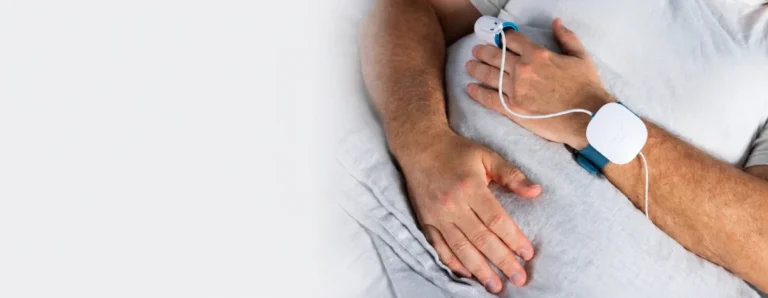
The Flinders University study sought to test the reliability of this model by conducting a prospective clinical trial involving approximately 100 adults who had been referred to clinics for suspected OSA. Instead of relying solely on the traditional overnight lab study, the research team employed a dual approach: they compared standard, one-night polysomnography against multi-night monitoring conducted in the patients’ own homes using "low-burden" wearable technology.
The results were stark. The study demonstrated that sleep apnea severity can fluctuate considerably from one evening to the next. When patients were monitored over an extended period, the "true" severity of their condition often differed from the reading captured during a single night. This suggests that a patient might be classified as having mild apnea on one night, only to present with moderate or severe symptoms the next.
Chronology of the Clinical Trial
The trial was structured to isolate the variables that contribute to diagnostic error. The process followed a rigorous timeline:
- Initial Referral and Baseline: Participants were recruited upon their referral to sleep clinics, ensuring a demographic that represented real-world patients rather than a controlled study group.
- Laboratory Phase: Each participant underwent a standard, professional-grade polysomnography session in a clinical sleep lab. This served as the "control" or traditional diagnostic method.
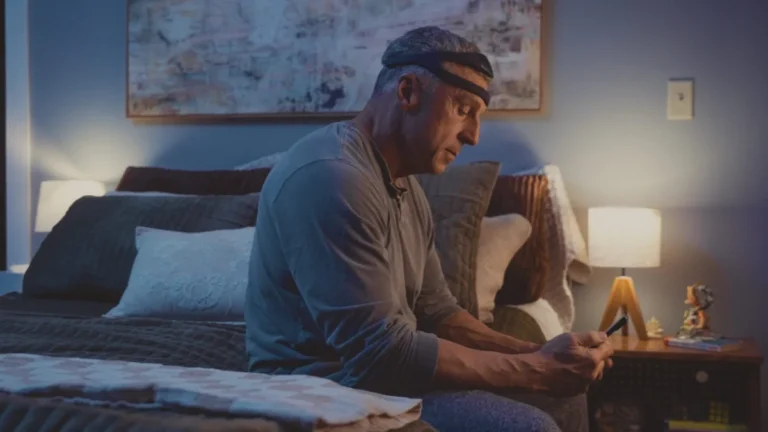
- Home Monitoring Phase: Over the course of several weeks, participants utilized low-burden, non-intrusive monitoring devices while sleeping in their own beds. This phase allowed researchers to compile a longitudinal dataset, capturing the natural variation of sleep patterns in a familiar environment.
- Comparative Analysis: Researchers mapped the data from the single-night lab test against the multi-night home data. By layering these datasets, the team identified the "diagnostic gap"—the instances where the lab test failed to reflect the findings of the home monitoring.
Supporting Data and The "First-Night Effect"
One of the most compelling aspects of the Flinders study is the confirmation of the "first-night effect." For many patients, the act of sleeping in a laboratory—a strange environment filled with equipment, technicians, and sensors—actually alters their sleep architecture.
The study noted that patients who were classified differently between the two assessments often experienced poorer sleep quality in the laboratory setting. This phenomenon suggests that the very act of testing for sleep apnea can inadvertently mask or distort the condition.
"Our findings show that sleep apnea can vary considerably from one night to the next, so if you only measure it once, you may not capture the true severity of the condition," says Dr. Bastien Lechat, lead author of the study and a sleep expert at FHMRI Sleep Health.
Furthermore, the data indicates that for a significant percentage of the cohort, a single-night measurement resulted in a misclassification. For some, the single night led to an underestimation of their apnea, effectively delaying necessary treatment. For others, it may have provided an inflated sense of the problem or missed the subtle, intermittent nature of their breathing disruptions.
Official Perspectives: The Expert View
The academic and medical communities have begun to weigh in on the implications of these findings. Dr. Sutapa Mukherjee, a professor in respiratory and sleep medicine at Flinders University and a senior consultant at the Southern Adelaide Local Health Network, emphasizes that these diagnostic errors are not merely a result of human error or faulty equipment.
"These findings help explain why misdiagnosis occurs," Dr. Mukherjee explains. "It’s not just measurement error—it reflects real differences in how sleep apnea presents from night to night."
The medical consensus is shifting toward the idea that we have been viewing sleep apnea through a "keyhole" rather than a panoramic window. By limiting our view to one night, we lose the ability to see the longitudinal trends that define the patient’s actual health risk.
Clinical Implications: A New Era of Personalized Medicine
The shift toward multi-night testing represents a significant leap forward in the field of sleep medicine. The implications of this research are twofold: they affect immediate diagnostic accuracy and long-term patient health outcomes.
1. Cardiovascular Risk Assessment
Previous research has established a strong correlation between high night-to-night variability in sleep apnea and an increased risk of cardiovascular disease. The Flinders study suggests that by monitoring these fluctuations, clinicians can identify high-risk patients who might otherwise have been labeled as "low risk" based on a single, average night of sleep. This could allow for earlier intervention in patients who are prone to systemic complications like hypertension or heart rhythm disorders.
2. Personalized Treatment Plans
For clinicians, this research opens the door to truly personalized medicine. If a patient’s sleep apnea is highly variable, treatment approaches—such as the titration of CPAP (Continuous Positive Airway Pressure) machines or the use of oral appliances—can be adjusted to account for those fluctuations. Instead of a "one-size-fits-all" pressure setting, clinicians could theoretically design treatments that accommodate the patient’s most symptomatic nights.
3. Patient Accessibility and Comfort
The use of "low-burden" technology is perhaps the most practical takeaway for the average patient. By shifting away from the need for a laboratory stay, the diagnostic process becomes more accessible, less expensive, and more accurate. Patients who are uncomfortable in clinical settings can be monitored in their own homes, leading to data that is more reflective of their daily reality.
The Road Ahead: Transforming Diagnostic Protocols
As the medical community digests these findings, the question remains: will this research trigger a change in global diagnostic guidelines?
For decades, the convenience of a single-night test has been its primary selling point. However, as the cost of wearable technology drops and the sophistication of home-based monitoring rises, the "one-night" model is becoming increasingly difficult to justify.
The Flinders University study serves as a clarion call for clinicians to move beyond the snapshot. While multi-night monitoring requires more data analysis and potentially different insurance billing models, the clinical benefits of improved diagnosis and reduced risk of secondary illness are undeniable.
For the millions of people currently struggling with fatigue, snoring, and the persistent health issues associated with sleep apnea, this research offers a promise of better care. It means that the next time a patient expresses concern about their sleep quality, the response may no longer be a single night of observation, but a more comprehensive, longitudinal look at their health, leading to more informed, more accurate, and ultimately more effective personalized care.
As Dr. Lechat concluded, "For patients, this means a better chance of getting a diagnosis that truly reflects their condition, and for clinicians, it opens the door to more informed and personalized care."
The nights ahead for sleep medicine look increasingly bright, as the industry moves away from the limitations of the past and toward a future where the full, multi-night picture of human sleep finally comes into focus.