Main Facts: Unraveling the Post-Stroke Enigma
Despite significant advancements in acute stroke care, a perplexing paradox has long troubled neurologists: up to half of all patients suffering from ischemic stroke experience poor neurological recovery, even after the primary, life-threatening clot has been successfully removed. This enduring mystery, often manifesting as a phenomenon known as "no reflow," leaves patients with debilitating long-term impairments, profoundly impacting their quality of life.
Now, groundbreaking research emerging from a collaboration between the University of Colorado Boulder (CU Boulder) and the University of Antwerp in Belgium offers a compelling explanation. Published in the prestigious journal PNAS, the study reveals that the brain’s own intricate defense mechanisms can, paradoxically, backfire, triggering the formation of insidious micro-clots in smaller blood vessels. These microscopic blockages persist long after the initial obstruction is cleared, continuing to starve brain tissue of vital oxygen and nutrients, thereby hindering recovery.
At the heart of this complex process lies the von Willebrand factor (vWF), a protein traditionally recognized for its crucial role in stopping bleeding. However, the research indicates that under the turbulent conditions following a stroke and clot removal, coupled with a heightened inflammatory response, vWF transforms into a "Jekyll and Hyde" protein. It becomes overactive, stretching out and indiscriminately attracting platelets to form new clots, creating an orchestrated chaos within the microvasculature.
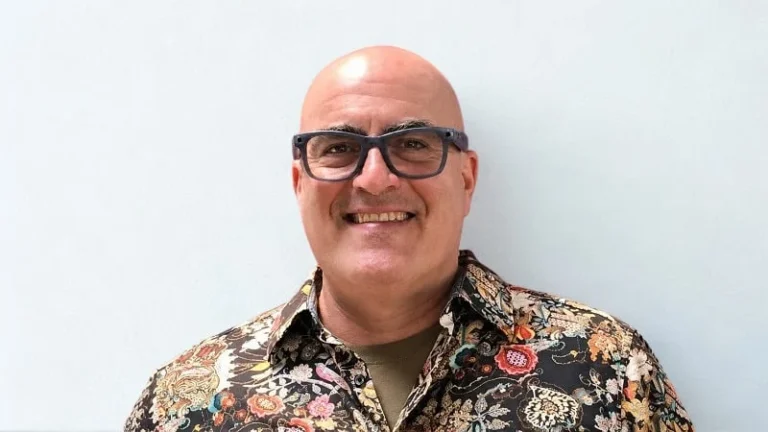
This collaborative effort, spearheaded by Debanjan Mukherjee, an assistant professor of mechanical engineering at CU Boulder, and Frederik Denorme, an assistant professor of biology at the University of Antwerp, not only illuminates the mechanisms behind "no reflow" but also points to promising new therapeutic targets. The prospect of leveraging existing drugs to combat these persistent micro-clots offers a beacon of hope for significantly improving outcomes for millions of stroke survivors worldwide.
A Silent Epidemic: The Challenge of Ischemic Stroke
Ischemic stroke, caused by a blockage in the blood vessels supplying the brain, is a global health crisis of staggering proportions. Each day, approximately 21,000 individuals worldwide fall victim to this devastating condition, facing immediate threats of severe disability or even death. The consequences are dire: neurons, deprived of oxygen, begin to die within minutes, leading to rapid neurological damage that can manifest as paralysis, speech difficulties, cognitive impairment, and a host of other life-altering deficits.
In recent decades, medical science has made remarkable strides in the acute treatment of ischemic stroke. The advent of thrombolytic drugs, commonly known as clot-busters, and sophisticated mechanical thrombectomy tools has revolutionized emergency care. These interventions aim to swiftly restore blood flow to the brain, salvaging as much viable tissue as possible. For many patients, these treatments are life-saving and disability-reducing.
However, the reality for a significant portion of stroke survivors remains grim. Despite the successful removal of the primary clot and the apparent restoration of blood flow, a substantial cohort – nearly half – never achieve a full neurological recovery. These individuals often endure chronic impairments, necessitating long-term rehabilitation and profoundly impacting their independence and quality of life. This persistent burden underscores the urgent need for a deeper understanding of the post-reperfusion phase of stroke and for novel strategies to enhance recovery. The "no reflow" phenomenon, where macro-perfusion is restored but micro-perfusion remains compromised, has stood as a formidable barrier to further progress, a critical unanswered question in stroke pathophysiology. This new research offers a compelling explanation for this insidious adversary, potentially unlocking new pathways to a more complete recovery.
Chronology of Discovery: Tracing the Path to Micro-Clots
The journey to unraveling the mystery of "no reflow" involved a meticulous, multi-disciplinary approach, blending advanced imaging techniques with sophisticated computational modeling and human biological insights.
The Initial Observation: A Puzzling "No Reflow"
Doctors have long been acutely aware that even after clearing a major cerebral artery, full blood flow to the affected brain region doesn’t always materialize. This clinical observation, termed "no reflow," has been a source of immense frustration. While the large vessel appears patent, the smaller downstream capillaries and arterioles remain obstructed or dysfunctional, preventing the necessary oxygen and nutrients from reaching the starved brain cells. The precise mechanisms driving this localized microvascular failure, however, remained elusive.
It was this persistent clinical enigma that brought together two distinct but complementary scientific minds: Debanjan Mukherjee, a mechanical engineer specializing in the physics of blood flow at CU Boulder, and Frederik Denorme, a biologist at the University of Antwerp, whose research focuses on the intricate biological processes that unfold "life after the clot." Their collaboration was born from a shared recognition that the prevailing dogma – that simply removing the main clot would resolve all problems – was demonstrably incomplete. "The dogma used to be that you just need to get rid of that blood clot and then all problems should be solved," Denorme stated, reflecting on the historical perspective. "We now know that is not the case." This understanding fueled their joint quest to peer deeper into the post-reperfusion brain.
Real-Time Insights: Observing the Brain in Motion
To directly observe the microvascular events in the brain after clot removal, the research team turned to sophisticated animal models. Using a technique called intravital microscopy, they conducted experiments on mice that had experienced an ischemic stroke, subsequently undergoing endovascular thrombectomy – a procedure mirroring the mechanical clot removal used in human patients. This cutting-edge microscopy allowed them to visualize, in real time, the intricate dance of blood flow and cellular behavior within the brain’s microvasculature during the crucial hour immediately following the procedure.
What they witnessed was both stunning and revelatory. While blood flow did indeed resume after the thrombectomy, it did so in an unexpectedly chaotic and disorganized manner. Instead of a smooth, directed stream, the researchers observed blood flowing haphazardly, in fits and starts, and, most remarkably, even reversing course at certain points. "We saw it with our own eyes. Blood that was flowing left all of a sudden flowed right and vice versa," Denorme recounted, conveying the profound impact of this direct observation. "It was remarkable." This chaotic flow pattern was a clear visual manifestation of the "no reflow" phenomenon, but the underlying cause of this microvascular dysfunction still needed to be identified.
Simulating the Microcosm: Pinpointing the Culprit
The next critical step involved understanding why this chaotic flow was occurring and what molecular players were involved. Mukherjee’s FLOWLab at CU Boulder, renowned for its expertise in fluid dynamics, recreated these complex scenarios using advanced computer simulations. In parallel efforts, his lab has also employed 3D artificial brain models filled with simulated blood to mimic the post-stroke environment. These powerful computational and experimental tools allowed the researchers to dissect the physics of blood flow at a microscopic level, identifying the precise conditions under which micro-clots would form.
These detailed investigations converged on a specific protein: von Willebrand factor (vWF). VWF is a large, multi-domain glycoprotein well-known for its essential role in hemostasis, the process of stopping bleeding. Normally, vWF circulates in the blood vessels in a coiled, compact state, like a ball of string. It waits for distress signals – such as a cut or vessel injury – that prompt it to unfold, stretch out into long threads, and then bind to platelets and damaged vessel walls, initiating clot formation to prevent blood loss.
However, in the context of a stroke and subsequent clot removal, the researchers discovered a different trigger. "If there is some kind of fluid motion induced after the clot is removed, it can stretch out that ball into an extended thread that attracts platelets, forms new clots and blocks flow even after the original culprit clot is gone," Mukherjee explained. The turbulent, haphazard blood flow observed after primary clot removal created the mechanical forces necessary to unfold vWF, activating it inappropriately and leading to the formation of secondary, obstructive micro-clots in the very vessels that were supposed to be reperfused.
The Inflammatory Nexus: A "Perfect Storm"
The plot thickened with the discovery of inflammation’s critical role in exacerbating this process. The brain’s response to the trauma of a stroke is inherently inflammatory, a protective mechanism gone awry. The study revealed that this inflammatory cascade interferes with the body’s natural safeguards that normally keep vWF’s clotting activities in check. This dual assault – mechanical activation of vWF by turbulent flow combined with inflammatory disruption of its regulation – creates what the authors aptly termed "a perfect storm" of collateral damage within the delicate microvasculature. The combined effect significantly amplifies the formation and persistence of these detrimental micro-clots, perpetuating tissue damage.
From Bench to Bedside: Confirming Human Relevance
Crucially, the researchers extended their investigations beyond animal models and simulations. They analyzed blood samples from human stroke patients at the University of Washington in St. Louis, seeking to determine if similar phenomena occurred in humans. Their findings provided compelling evidence that the same underlying mechanisms were indeed at play. This corroboration between animal models, computational simulations, and human data significantly strengthens the clinical relevance of their discoveries. "We are the first to really show in this hyperacute phase of stroke what is happening with these cells inside blood vessels," Denorme highlighted, emphasizing the novelty and importance of their real-time observations.
While further research is needed to pinpoint why "no reflow" affects some stroke patients more severely than others, the study offered an intriguing clue: patients with higher blood levels of Interleukin 6 (IL-6), a prominent pro-inflammatory cytokine, exhibited greater overactivity of von Willebrand factor and experienced worse long-term outcomes. This correlation strongly suggests that IL-6 could serve as a biomarker, identifying patients at higher risk for micro-clot formation and poor recovery, thereby opening avenues for personalized therapeutic interventions.
Supporting Data and Scientific Rigor
The strength of this research lies not only in its innovative findings but also in the rigorous scientific methodology employed and the prestige of its publication. The study’s appearance in PNAS (Proceedings of the National Academy of Sciences of the United States of America) signifies its recognition as a high-impact contribution to science, having undergone an exacting peer-review process by leading experts in the field. This ensures the validity, reproducibility, and significance of the reported results.
The multi-faceted approach adopted by the CU Boulder and University of Antwerp teams provided a comprehensive view of the "no reflow" phenomenon. Intravital microscopy, a cornerstone of their animal model experiments, allowed for unprecedented, dynamic visualization of cellular and molecular events within living brain tissue. Unlike traditional post-mortem analysis, this technique provided real-time insights into the chaotic blood flow patterns and micro-clot formation, offering direct evidence of the physiological changes occurring in the hyperacute phase of stroke. The ability to "see it with our own eyes" offered a level of empirical data that static observations simply cannot match.
Complementing these biological observations were the sophisticated computational fluid dynamics (CFD) simulations conducted in Mukherjee’s FLOWLab. These simulations are not merely theoretical exercises; they are powerful predictive tools that can model the complex interplay of blood viscosity, vessel geometry, and shear forces at a micro-scale. By recreating the turbulent flow conditions post-thrombectomy, the computational models precisely implicated von Willebrand factor. This synergy between experimental biology and theoretical physics provided a robust framework for identifying the mechanical triggers of vWF activation. The 3D artificial brain models, another tool in their arsenal, offered a controlled environment to isolate variables and validate aspects of the simulations, further solidifying the link between fluid mechanics and protein behavior.
The identification of specific molecular players, von Willebrand factor and Interleukin 6, is a critical step towards developing targeted therapies. The detailed characterization of vWF’s transition from a coiled, benign state to an extended, pro-thrombotic thread under specific flow conditions represents a significant advance in our understanding of its mechanobiology. Furthermore, the elucidation of inflammation’s role, particularly the link with IL-6, provides a potential diagnostic biomarker. The correlation between higher IL-6 levels and increased vWF overactivity, leading to worse patient outcomes, offers a tangible, measurable parameter that could inform clinical decision-making.
While the study meticulously details the mechanisms of micro-clot formation, the authors responsibly acknowledge that more research is necessary to understand the full spectrum of the "no reflow" phenomenon. Specifically, future investigations will need to delve into the reasons why some stroke patients are more susceptible to these persistent micro-clots than others, potentially uncovering genetic predispositions or other physiological factors. Despite these open questions, the study’s comprehensive data, robust methodology, and significant findings lay a strong foundation for future translational research, moving the field closer to more effective stroke treatments.
Official Responses and Expert Commentary
The findings presented in PNAS have generated considerable excitement within the scientific and medical communities, offering a long-awaited explanation for a vexing clinical problem. The lead researchers themselves articulated the profound implications of their discovery, emphasizing its potential to reshape stroke care.
Debanjan Mukherjee, co-author and assistant professor of mechanical engineering at CU Boulder, underscored the immediate impact of their findings: "We now have a way to explain why so many of these patients are not seeing neurological improvements." This statement highlights the closure this research brings to a long-standing mystery, providing a mechanistic understanding for why current treatments, though life-saving, often fall short of full recovery. Mukherjee further emphasized the forward-looking aspect of their work: "Our findings also point to a new potential target for therapeutics that could be extremely impactful for stroke patients." This perspective is crucial, as it shifts the focus from merely understanding the problem to actively seeking solutions.
Frederik Denorme, senior author and assistant professor of biology at the University of Antwerp, echoed this sentiment, particularly marveling at the direct observations made during their experiments. His description of the blood flowing "haphazardly, in fits and starts, even reversing course" as "remarkable" conveys the sheer surprise and significance of witnessing the "no reflow" phenomenon unfold in real-time. Denorme also succinctly captured the complex interplay of factors driving micro-clot formation, describing the combined effect of mechanical forces and inflammation as "a perfect storm." This vivid imagery communicates the convergence of multiple detrimental pathways leading to sustained brain damage.
The researchers’ statements reflect a blend of scientific rigor and clinical optimism. Their work challenges the traditional "get the clot out and all problems are solved" paradigm, urging the medical community to consider the subsequent microvascular complications as an equally critical phase of stroke management. The identification of von Willebrand factor and the inflammatory compound Interleukin 6 as key players provides concrete, actionable targets. This level of detail is invaluable, moving beyond generalized hypotheses to specific molecular pathways that can be therapeutically modulated. The collective "official response" from the research team is one of significant breakthrough, laying the groundwork for a paradigm shift in how post-stroke recovery is understood and treated.
Implications: A New Dawn for Stroke Recovery
The implications of this groundbreaking research extend far beyond academic understanding, promising a transformative impact on clinical practice and patient outcomes. By providing a clear mechanistic explanation for "no reflow," the study opens up entirely new avenues for therapeutic intervention that could dramatically improve the lives of millions of stroke survivors.
Reshaping Treatment Paradigms
The most immediate implication is the challenge it poses to the existing dogma of stroke treatment. For years, the primary focus has been on rapid reperfusion – restoring blood flow as quickly as possible. While this remains critically important, this research unequivocally demonstrates that successful reperfusion of the main artery is often insufficient. A multi-pronged approach is now evidently necessary, one that not only clears the initial obstruction but also actively addresses the subsequent microvascular dysfunction and micro-clot formation. This calls for a fundamental reshaping of stroke treatment paradigms, moving towards combination therapies that tackle both macro- and micro-level pathologies.
Targeting Existing Drugs: A Faster Path to Patients
Perhaps one of the most exciting aspects of this discovery is the potential for rapid translation into clinical practice. The researchers noted a crucial detail: "Notably, several such drugs already exist and are approved for use for other disorders." This means that instead of embarking on the lengthy and expensive process of developing entirely new pharmaceutical agents, clinicians might be able to repurpose existing medications. Drugs that target von Willebrand factor, or those that modulate inflammatory pathways (such as anti-IL-6 agents or broad-spectrum anti-inflammatories), could be quickly evaluated for their efficacy in preventing post-stroke micro-clots. The advantage of repurposing is immense: these drugs have already undergone extensive safety trials, significantly shortening the development timeline and potentially bringing effective treatments to patients much sooner. This accelerates the bench-to-bedside translation, offering a tangible hope for immediate impact.
Personalized Medicine for Stroke
The finding that stroke patients with higher levels of Interleukin 6 (IL-6) experience more vWF overactivity and worse long-term outcomes is a significant step towards personalized stroke medicine. This suggests the possibility of using biomarkers like IL-6 to identify patients at high risk for developing "no reflow" and persistent micro-clots. In the future, a simple blood test upon admission could help stratify patients, allowing clinicians to tailor treatment strategies. High-risk individuals could receive prophylactic or concurrent therapies targeting vWF or inflammation alongside their primary clot-busting treatments, optimizing their chances for a more complete recovery and minimizing the risk of debilitating long-term impairments.
The Road Ahead: From Research to Clinical Practice
While the current findings are profoundly promising, the journey from pioneering research to routine clinical practice requires further rigorous investigation. The next crucial steps will involve large-scale clinical trials to test the efficacy and safety of potential therapeutic interventions in human patients. These trials will need to precisely define optimal dosages, timing, and patient populations for any new adjunctive treatments.
However, the foundation laid by the CU Boulder and University of Antwerp teams is robust. By demystifying the "no reflow" phenomenon and pinpointing the key molecular players, they have illuminated a clear path forward. As Denorme aptly concluded, "It’s early days. But now that we have a lead on what drives these micro-clots, we have a promising new avenue to explore for improving recovery." This new understanding heralds a new dawn for stroke recovery, offering the tangible hope of significantly reducing disability and improving the quality of life for countless individuals affected by this devastating condition.