









By Calin Van Paris | Published September 16, 2026
In our modern, chair-centric world, the human hip has become an overlooked casualty of comfort. We spend hours tethered to our desks, our commutes, and our couches, inadvertently locking one of the most vital junctions of the human anatomy into a state of chronic constriction. As a yoga practitioner of two decades, I have observed a recurring pattern: the modern body is increasingly characterized by "sedentary stiffness," a condition that radiates from the pelvis to the lower back and beyond.
To understand why our hips feel perpetually tight, we must move beyond the superficial notion of "stretching." We must examine the anatomy of the pelvis, the influence of the psoas, and the holistic connection between our physical mobility and our emotional well-being.
The Anatomy of the Anchor: Understanding Hip Complexity
The hips are not merely ball-and-socket joints; they are the architectural anchors of the human body. Serving as the primary nexus between the upper and lower body, the pelvic girdle bears the weight of our entire torso while facilitating the complex mechanics of movement, balance, and stabilization.
When we speak of "hip tightness," we are rarely referring to a single, isolated point of tension. Instead, we are describing a systemic issue involving a web of interconnected structures. The muscles influencing this region include:
- The Hip Flexors: Including the psoas and the iliopsoas, which connect the lumbar spine to the femur. These are the first to suffer from prolonged sitting.
- The Gluteal Complex: The gluteus maximus, medius, and minimus, which often become inhibited or "lazy" due to lack of activation.
- The Quadriceps: Specifically the rectus femoris, which crosses both the hip and the knee joint.
- The Adductors: The inner thigh muscles that play a crucial role in pelvic stability.
- The Sartorius: The longest muscle in the body, which acts as a secondary flexor and rotator.
When these muscles are chronically contracted, the pelvis loses its neutral alignment. This can lead to a domino effect of discomfort: the hamstrings overcompensate, the lower back bears the brunt of the imbalance, and the overall quality of life begins to diminish.
The Emotional Landscape of the Pelvis
Beyond the biomechanical data, there is a long-standing yogic tradition—supported by contemporary somatic therapy—that the hips act as a repository for emotional stress. In many cultures, the pelvic region is associated with our "root," our survival instincts, and our sense of security.
When we experience stress, the body’s "fight or flight" response is triggered. This physiological reflex often causes us to unconsciously tighten our pelvic floor and hip flexors. Over time, these muscles remain in a state of high-alert contraction. By consciously working to release these muscles through targeted yoga, we are not just stretching fibers; we are signaling to our nervous system that it is safe to let go of stored tension.
Chronology of Tension: How Sedentary Habits Degrade Mobility
The trajectory of hip decline usually follows a predictable timeline for the average office worker:
- Phase One (The Acute Phase): Within the first two hours of sitting, blood flow to the glutes begins to stagnate, and the psoas begins to shorten.
- Phase Two (The Adaptive Phase): After several months of repetitive sedentary behavior, the body begins to "remodel" the fascia (the connective tissue surrounding muscles) to accommodate the shortened position. This makes standing up straight feel like an effort.
- Phase Three (The Chronic Phase): The hips become functionally "locked." This manifests as lower back pain, knee instability, or a reduced range of motion in walking and running.
Breaking this cycle requires a daily commitment to movement. The following five poses are designed to reverse this chronology, systematically opening the hips and restoring the body’s natural alignment.
Five Essential Poses for Hip Mobility
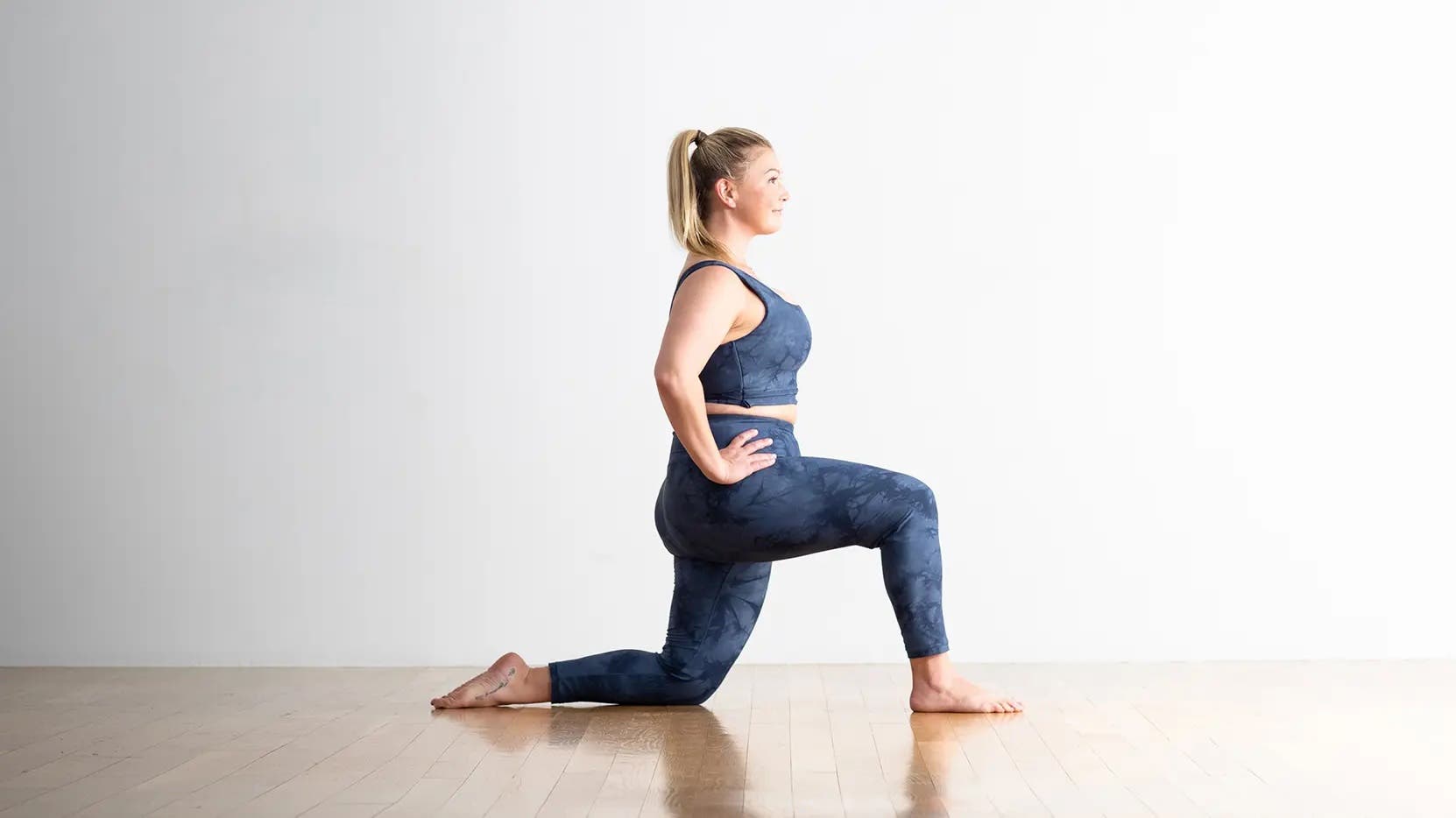
1. Low Lunge (Anjaneyasana)
The Low Lunge is the antidote to the "chair-sitting" syndrome. By extending the back leg, you directly address the psoas, which is almost certainly tight from hours at a desk.
- The Mechanism: As you sink into the front knee, you lengthen the hip flexors of the back leg.
- The Benefit: It simultaneously strengthens the stabilizers of the front hip, creating a balanced approach to mobility.
2. Wide-Legged Standing Forward Bend (Prasarita Padottanasana)
This pose acts as a full-body reset. By hinging at the hips—rather than rounding the spine—you engage the posterior chain.
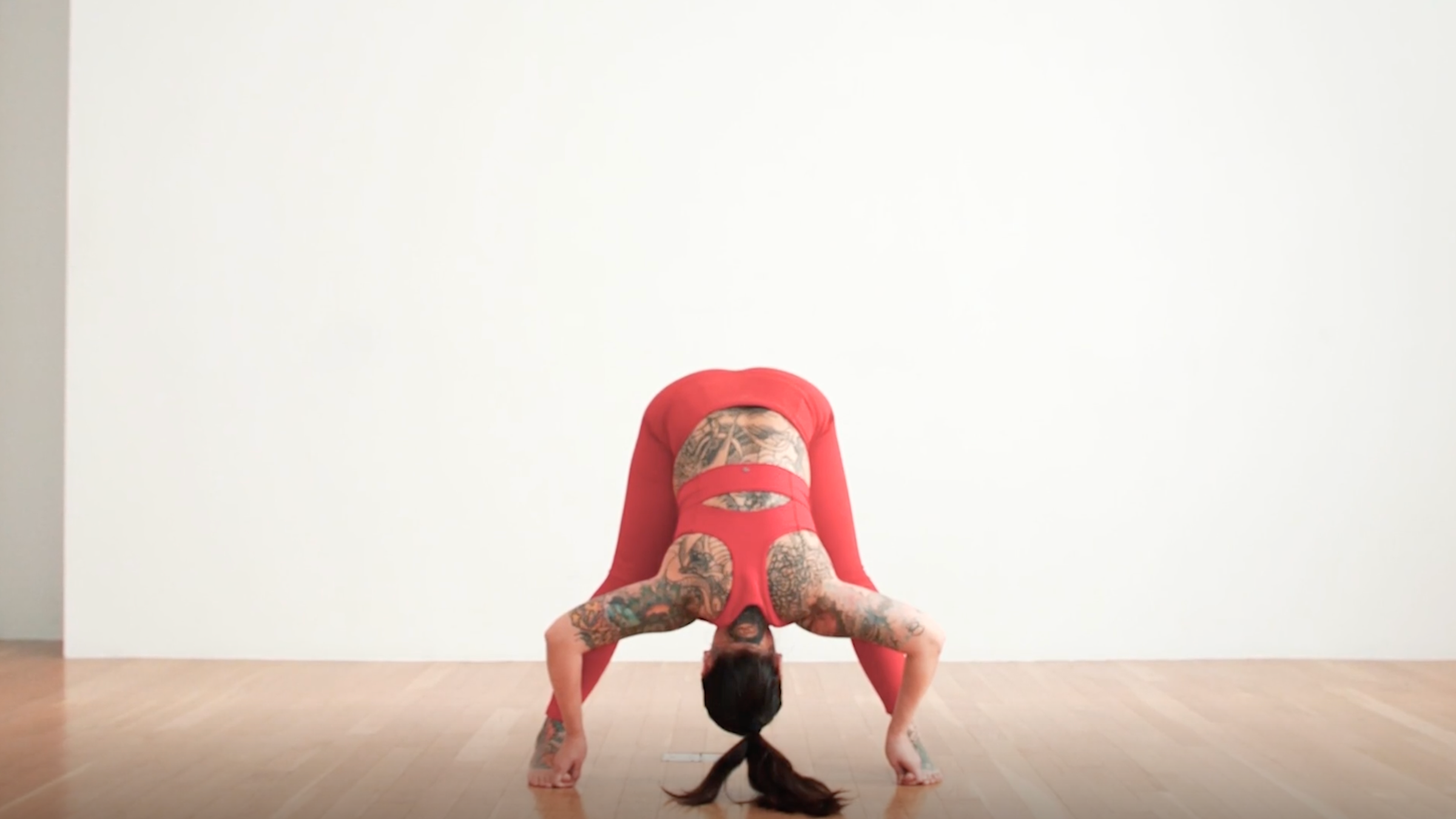
- The Mechanism: The wide stance places the femur in a position that stretches the adductors and the deep rotators of the hip.
- The Benefit: It provides a profound release for the lower back, which is often the first area to signal that the hips are tight.
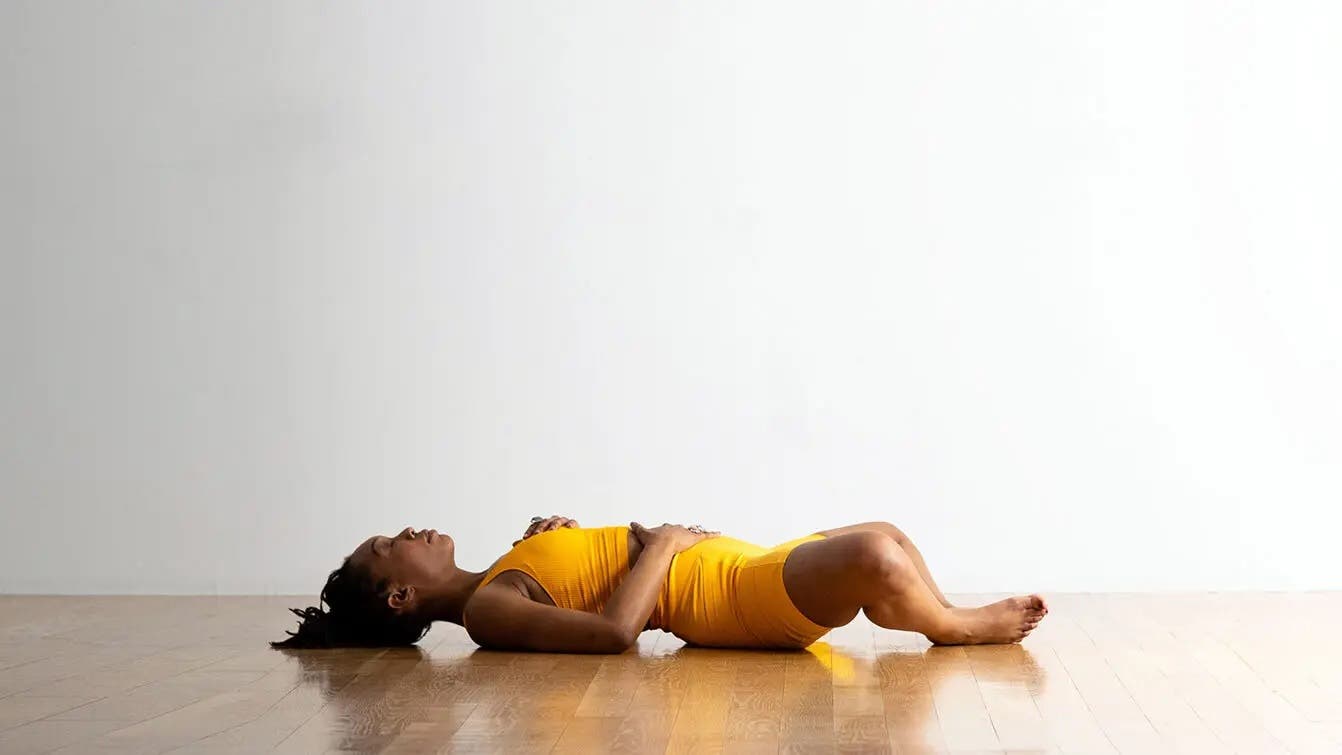
3. Reclining Bound Angle Pose (Supta Baddha Konasana)
Sometimes, the best way to release a muscle is to surrender to gravity entirely.
- The Mechanism: By bringing the soles of the feet together and letting the knees fall outward, you allow the inner thighs to stretch passively.
- The Benefit: This is a restorative shape. By using blocks or bolsters under the knees, you eliminate the need for the muscles to "hold" the pose, allowing for deep, parasympathetic nervous system engagement.
4. Bridge Pose (Setu Bandha Sarvangasana)
While often categorized as a backbend, Bridge Pose is a superior hip-opening tool.
- The Mechanism: By lifting the hips, you actively stretch the front of the pelvis, which is the direct opposite of the "slumped" sitting position.
- The Benefit: It reverses the kyphotic (hunching) curve of the upper back while simultaneously opening the hip flexors.
5. Half Lord of the Fishes (Ardha Matsyendrasana)
Twists are essential for spinal health, but they are also potent tools for pelvic mobility.
- The Mechanism: The rotation of the spine requires the hip joints to stabilize. This pose targets the gluteal muscles and the piriformis.
- The Benefit: It improves internal and external rotation of the hips, which are often the first planes of motion to be lost as we age.
Supporting Data and Physiological Implications
Medical research into sedentary behavior supports the necessity of these movements. A study published in the Journal of Orthopaedic & Sports Physical Therapy indicates that prolonged hip flexion is directly correlated with lower extremity dysfunction.
Furthermore, the implications of these stretches extend beyond physical flexibility. When we improve hip mobility, we enhance our gait efficiency. A more mobile pelvis allows for a longer stride, better shock absorption through the legs, and a reduction in the compressive forces applied to the lumbar intervertebral discs.
Official Recommendations and Best Practices
To integrate these practices into your daily life, consider the following "mobility hygiene" rules:
- Consistency Over Intensity: You do not need to push into pain. A gentle, consistent stretch held for three to five minutes (especially in restorative poses) is more effective than a forced, aggressive stretch held for thirty seconds.
- The Use of Props: Do not view blocks, straps, or bolsters as "crutches." They are tools that allow your muscles to feel secure enough to fully relax. If your body senses tension, it will naturally contract to protect the joint; props remove that fear response.
- Listen to the "Heart": As mentioned earlier, opening the hips is often an emotional experience. It is not uncommon to feel sudden waves of frustration, relief, or sadness during deep hip work. Acknowledge these sensations as part of the release process.
Final Thoughts: The Path Forward
Your hips are your foundation. By dedicating time to these five poses, you are not merely engaging in a workout; you are investing in the long-term integrity of your skeletal structure and the regulation of your nervous system.
Whether you are a seasoned yogi or someone who has spent the last decade in an office chair, the path to improved mobility is open to you. Start slowly, breathe deeply, and remember that with every degree of hip opening, you are creating a little more space for your life to unfold. In a world that forces us to sit, choosing to move is, perhaps, the most radical act of self-care you can perform.