










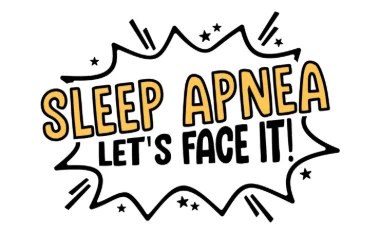
In the quiet of the night, millions of Americans struggle for breath, often unaware that their disrupted sleep is a chronic, life-altering medical condition. Obstructive Sleep Apnea (OSA) has long been shrouded in misconceptions, frequently dismissed as mere snoring or characterized by outdated stereotypes that portray it as a condition exclusively affecting older, overweight men. To dismantle these harmful myths and address the staggering diagnostic gap, the advocacy organization Project Sleep has launched "Sleep Apnea: Let’s Face It!", a year-round initiative dedicated to humanizing the condition and providing a roadmap for those trapped in the silence of undiagnosed sleep disorders.
As the nation approaches Sleep Apnea Education Week (April 18–26), the campaign is intensifying its efforts, calling upon patients, clinicians, and families to participate in a collective push for better understanding, timely intervention, and systemic change.
The Hidden Crisis: Main Facts and Diagnostic Hurdles
Sleep apnea is not merely a nuisance; it is a serious chronic medical condition that can lead to severe long-term health consequences, including hypertension, cardiovascular disease, stroke, and type 2 diabetes. Despite its prevalence, the condition remains critically under-recognized. Current data suggests that more than 80 million adults in the United States are affected by sleep apnea, yet an estimated 80% of those individuals remain undiagnosed.
The primary obstacle to treatment is the lack of public awareness regarding the symptoms. While the stereotypical image of a "loud snorer" persists, the reality of sleep apnea is far more nuanced. Common indicators include:
- Nocturnal Symptoms: Gasping or choking sounds during sleep, witnessed apnea events, and frequent nighttime awakenings.
- Daytime Manifestations: Persistent, unexplained fatigue, morning headaches, irritability, difficulty concentrating, and mood disturbances.
Because symptoms can manifest differently across genders, ethnicities, and body types, many patients find themselves misdiagnosed or dismissed by healthcare providers. Project Sleep’s initiative seeks to bridge this gap by educating the public on these diverse presentations, ensuring that those who need care can advocate for it effectively.
Chronology: A Movement Toward Empowerment
The "Sleep Apnea: Let’s Face It!" campaign is the culmination of years of advocacy work aimed at transforming the patient journey.
- Foundation Phase: Project Sleep began building its educational infrastructure, including the "Sleep Apnea Squad" series, to provide peer-to-peer support and expert-led guidance. This digital repository of podcasts, toolkits, and videos created a community for patients to discuss CPAP (Continuous Positive Airway Pressure) comfort and daily living strategies.
- The Launch of the Awareness Campaign: Recognizing that systemic change requires visible, public advocacy, the organization launched the "Let’s Face It!" initiative to bring the faces of real patients into the light, effectively "shattering" the stigma associated with the diagnosis.
- Strategic Alignment: By centering the campaign around Sleep Apnea Education Week, Project Sleep ensures that the conversation hits a crescendo each April. This year, the focus moves toward specialized discussions, such as the upcoming panel on women’s health, scheduled for Tuesday, April 21, 2026, at 2 p.m. EDT.
- Ongoing Advocacy: Beyond the week of awareness, the campaign remains a permanent fixture, providing resources that are accessible 365 days a year, ensuring that late-night diagnosis or sudden symptoms are met with immediate, high-quality information.
Supporting Data: Why Visibility Matters
The statistics surrounding sleep apnea are not just numbers; they are a call to action. With a four-out-of-five ratio of undiagnosed to diagnosed cases, the healthcare system is missing a massive opportunity for preventative medicine.
The campaign encourages participants to utilize the official "Sleep Apnea: Let’s Face It!" sign. By sharing photos with the hashtag #SleepApneaLetsFaceIt, individuals provide a visual testament to the diversity of the patient population. This is vital because visibility drives policy and medical training. When clinicians see that sleep apnea affects women, younger adults, and people of all body types, they are more likely to include sleep assessments in routine physicals.
Furthermore, Project Sleep has curated a library of free infographics and fact sheets. These tools are designed for both patients to use during doctor visits and for clinics to display in waiting rooms, serving as a silent but powerful advocate for those who may be too tired or overwhelmed to initiate the conversation themselves.
Official Perspectives: Expert Advocacy
The campaign is led by individuals who possess both the professional expertise and the personal experience necessary to navigate this complex landscape. Emma Cooksey, Project Sleep’s Sleep Apnea Program Manager and a vocal patient advocate, has been a driving force behind the "Sleep Apnea Squad."
Cooksey emphasizes that the patient experience often involves feeling "dismissed" or "misunderstood" by medical professionals who rely on outdated diagnostic markers. Her work focuses on:
- Patient Autonomy: Equipping patients with the language to describe their symptoms accurately.
- Clinical Engagement: Encouraging doctors to move beyond the "standard patient" profile when screening for sleep-disordered breathing.
- Community Support: Normalizing the use of CPAP and other therapies through shared, positive, and honest experiences.
The upcoming panel, Women and Sleep Apnea, underscores the campaign’s commitment to addressing gender-specific health inequities. Women are historically under-diagnosed due to the misconception that OSA is a "man’s disease," often resulting in women receiving treatments for anxiety or depression while their underlying sleep disorder remains untreated.
Implications: Building a Supportive Future
The success of the "Let’s Face It!" campaign has profound implications for the future of public health. By normalizing the discussion, Project Sleep is effectively reducing the "cost of silence"—the physical, mental, and economic tolls of untreated sleep apnea.
The Shift in Diagnostic Culture
When awareness increases, the speed of diagnosis increases. Earlier intervention prevents the secondary conditions associated with sleep apnea, such as high blood pressure and cognitive decline. This shift from reactive treatment to proactive management could save the healthcare system billions in long-term care costs while significantly improving the quality of life for millions of individuals.
Strengthening the Patient-Provider Relationship
The campaign serves as a bridge. By providing patients with evidence-based toolkits, the initiative empowers them to enter their doctor’s office as partners in their care. When a patient presents with clear, documented, and researched information, the physician is better equipped to order the correct tests—such as home sleep apnea tests or in-lab polysomnography—without delay.
Combating Stigma through Community
Perhaps most importantly, the campaign combats the shame that often accompanies a chronic illness. For many, the diagnosis feels like a personal failure. By highlighting the stories of "real people" from all walks of life, the campaign fosters a sense of belonging. As more people share their experiences, the "unknown" nature of the condition disappears, replaced by a sense of community and collective progress.
Conclusion: How to Get Involved
As the calendar turns toward April 18, the opportunity to participate in the "Sleep Apnea: Let’s Face It!" campaign is open to everyone. Whether you are a patient, a caregiver, or a healthcare provider, your voice contributes to the movement.
- Participate in the Photo Campaign: Download the official sign, take a photo, and share your personal "why" on social media using #SleepApneaLetsFaceIt.
- Attend the Broadcasts: Join the Sleep Apnea Squad series on April 21 to gain insights into gender-specific diagnosis and treatment.
- Spread the Word: Utilize the downloadable materials to educate your workplace, school, or clinic.
Sleep apnea is a formidable challenge, but it is one that can be managed effectively with the right tools and support. By facing it head-on, we can ensure that millions of Americans stop struggling for breath and start reclaiming their nights—and their lives.
To join the mission and learn more, visit Project Sleep’s official website. The journey to better health begins with a single, shared story. It is time to face the facts: you are not alone, and help is available.