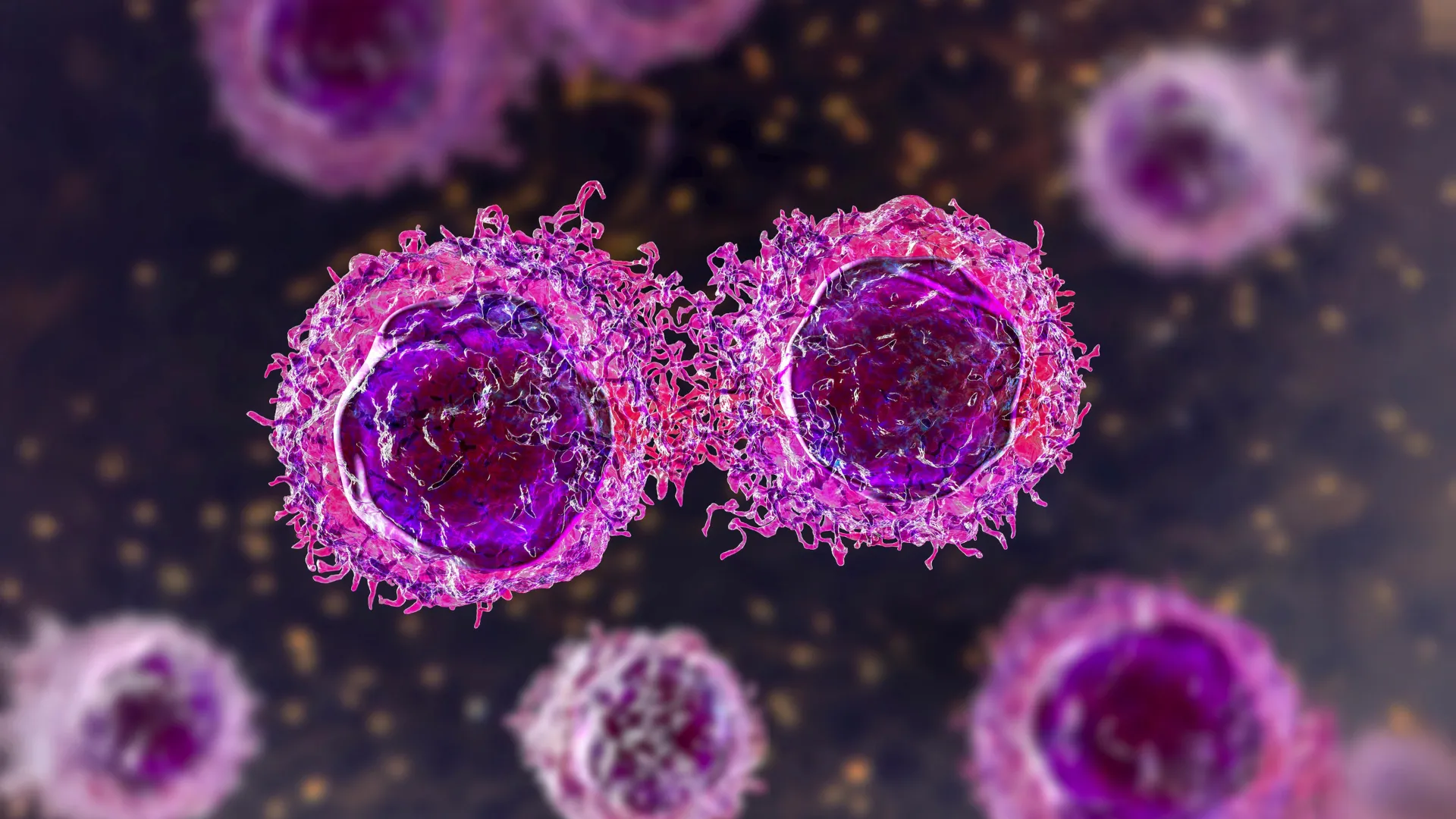
In the complex battlefield of the human body, cancer cells are masters of disguise. For decades, oncologists have grappled with the frustrating reality that even the most aggressive immune responses often fail to eradicate malignant tumors. While researchers have long suspected that cancer cells employ "camouflage" to remain invisible to T-cells and other immune defenders, the precise mechanics of this deception have remained elusive.
A groundbreaking study published on August 7, 2026, in Science Advances has finally pulled back the curtain on this biological illusion. Researchers at the Sanford Burnham Prebys Medical Discovery Institute, in collaboration with institutions across North America, have identified a specific mechanism by which the tumor microenvironment—a chaotic ecosystem of cells, blood vessels, and nutrients—enables cancer to build a dense, sugar-rich protective coating. This discovery not only explains why high blood sugar levels may exacerbate cancer progression but also unveils a promising new therapeutic target that could strip away the tumor’s defenses, rendering it vulnerable to the immune system.
The Biophysical Mechanics of Deception
At the heart of this study is the glycocalyx, a dense, sugar-derived layer that coats the surface of cells. In healthy biology, the glycocalyx is vital for cell signaling and protection. However, in the context of oncology, this coating acts as a physical barrier that prevents immune cells from making the necessary contact to identify and destroy cancerous cells.
Lead author Dr. Kevin Tharp, an assistant professor in the Cancer Metabolism and Microenvironment Program at the Sanford Burnham Prebys NCI-Designated Cancer Center, approached this problem through the lens of biophysics. Having previously investigated how mechanical pressure alters mitochondrial function, Dr. Tharp posited that the physical stiffness of a tumor—which is characteristically denser than healthy surrounding tissue—is not merely a byproduct of growth, but an active driver of the cancer’s metabolic reprogramming.
"Primary tumors are typically stiffer than their surrounding tissue," explains Dr. Tharp. "This led me to hypothesize that the biophysical properties of cells influence the altered metabolic programs that everyone observes in tumors."
Chronology of Discovery: From Stiffness to Sugar
The research team employed a rigorous experimental design to isolate the variables that contribute to this phenomenon. By placing cells in controlled environments that simulated both the physical stiffness of a tumor and the softer, more compliant environment of healthy tissue, the researchers were able to observe how physical force interacts with metabolic input.
The study moved beyond the limitations of standard laboratory culture. Recognizing that standard growth media often fail to replicate the complex nutrient composition found in the human body, the team formulated a "physiological medium" to test the cells under both normal and hyperglycemic (high blood sugar) conditions.
The results were stark:
- The Physical Trigger: Cells placed in stiff environments exhibited different metabolic profiles compared to those in soft environments, confirming that mechanical stress influences how cells process energy.
- The Metabolic Shift: When these cells were exposed to excess glucose within a physiological medium, their internal machinery underwent a transformation.
- The Sugar Coating: The researchers observed a significant thickening of the glycocalyx. This thickening occurred specifically when the cells were grown in the physiological medium, suggesting that the "human-like" nutrient environment was a necessary co-factor for the cancer’s immune-evasion strategy.
Supporting Data: HSF1 as the Architect of Camouflage
To uncover the molecular driver behind this sugar-thickening process, the researchers turned their attention to the proteome—the entire set of proteins expressed by the cells. They identified Heat Shock Factor 1 (HSF1) as the primary culprit.
HSF1 is widely recognized in biology for its role in cellular stress responses, helping cells survive extreme temperatures or oxidative damage. However, in the context of cancer, HSF1 appears to take on a more sinister function. The study revealed that when cancer cells are subjected to hyperglycemia and the mechanical stress of the tumor microenvironment, HSF1 is upregulated. This protein then coordinates the synthesis of glycoconjugates—the building blocks of the glycocalyx—effectively "weaving" a thicker, more impenetrable shield.
Crucially, the team demonstrated that when HSF1 was absent, the cancer cells failed to produce the same protective sugar layer, even under high-glucose conditions. This finding positions HSF1 not just as a survival protein, but as a structural architect of the cancer’s camouflage.
Official Responses and Scientific Context
The scientific community has lauded the study for bridging the gap between metabolic syndrome and oncology. As global rates of type 2 diabetes and metabolic syndrome continue to climb, the clinical implications of this research are becoming increasingly urgent.
"We observed that changing the physiological media composition and changing the available metabolites for those tumor cells reveals distinct biology for normal and tumor cell metabolism," Dr. Tharp noted during a press briefing. "What we found is a plausible mechanism by which hyperglycemia directly contributes to immune evasion."
By establishing a direct causal link between blood sugar levels and the physical protection of tumors, the study offers a clear explanation for why patients with metabolic syndrome often face worse outcomes. It confirms that the systemic environment—the "soil" in which the cancer grows—dictates the virulence of the disease just as much as the genetic mutations within the cancer cells themselves.
Implications for Future Cancer Therapy
The most significant takeaway from the Science Advances report is the potential for new drug discovery. By targeting HSF1, researchers believe they can chemically "strip" the glycocalyx from cancer cells.
If successful, this strategy would essentially unmask the tumor. Once the sugar coating is removed, the immune system—including T-cells and natural killer cells—would once again be able to recognize and bind to the malignant cells, potentially triggering an immune-mediated destruction of the tumor.
This approach holds particular promise for metastatic disease. Metastatic cancer cells, which often travel through the bloodstream and colonize distant organs, rely heavily on their glycocalyx to survive the hostile environment of circulation and avoid detection by the immune system. A drug that targets HSF1 could potentially stop metastatic progression in its tracks.
Furthermore, this research suggests that dietary management and the control of blood sugar could become an integral part of cancer care. While doctors have long recommended a healthy diet for patients, this study provides a specific, biochemical rationale for managing hyperglycemia as an active strategy to improve the efficacy of existing immunotherapies.
Conclusion: A New Frontier in Oncology
The discovery that cancer cells use a sugar-based "invisibility cloak" orchestrated by HSF1 represents a major milestone in our understanding of tumor biology. It transforms the way we view the interaction between the body’s metabolic state and the cancer’s survival strategies.
As the team at Sanford Burnham Prebush moves toward the next phase of research, the focus will likely shift to developing small-molecule inhibitors of HSF1. If these findings hold up in clinical trials, the oncology field may soon have a powerful new tool in its arsenal—a way to tear down the walls that keep the immune system at bay, allowing the body’s natural defenses to do the work they were designed to do.
For the millions of patients battling cancer, this research offers more than just academic insight; it offers the promise of a future where tumors are no longer able to hide in plain sight, making the path to recovery clearer, more accessible, and significantly more effective.
The study was supported by the National Institutes of Health, the National Cancer Institute, the National Foundation for Cancer Research, the Canada Excellence Research Chair in Glycomics, and the Ovarian Cancer Research Alliance.