In a significant policy shift scheduled to take effect in the fall of 2026, the United States Department of Agriculture (USDA) has announced an aggressive update to the stocking requirements for retailers authorized to accept Supplemental Nutrition Assistance Program (SNAP) benefits. The new mandate is designed to compel small grocers and convenience stores to offer a broader array of perishable, nutrient-dense staples. While the administration frames the move as a long-overdue commitment to improving the nutritional quality of the food environment for low-income Americans, policy experts and food advocates are sounding alarms, suggesting the rule may inadvertently—or intentionally—destabilize small businesses and limit program access for vulnerable populations.
The Core Mandate: Redefining "Staple Foods"
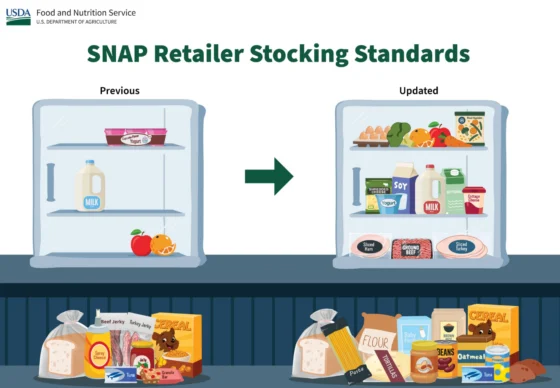
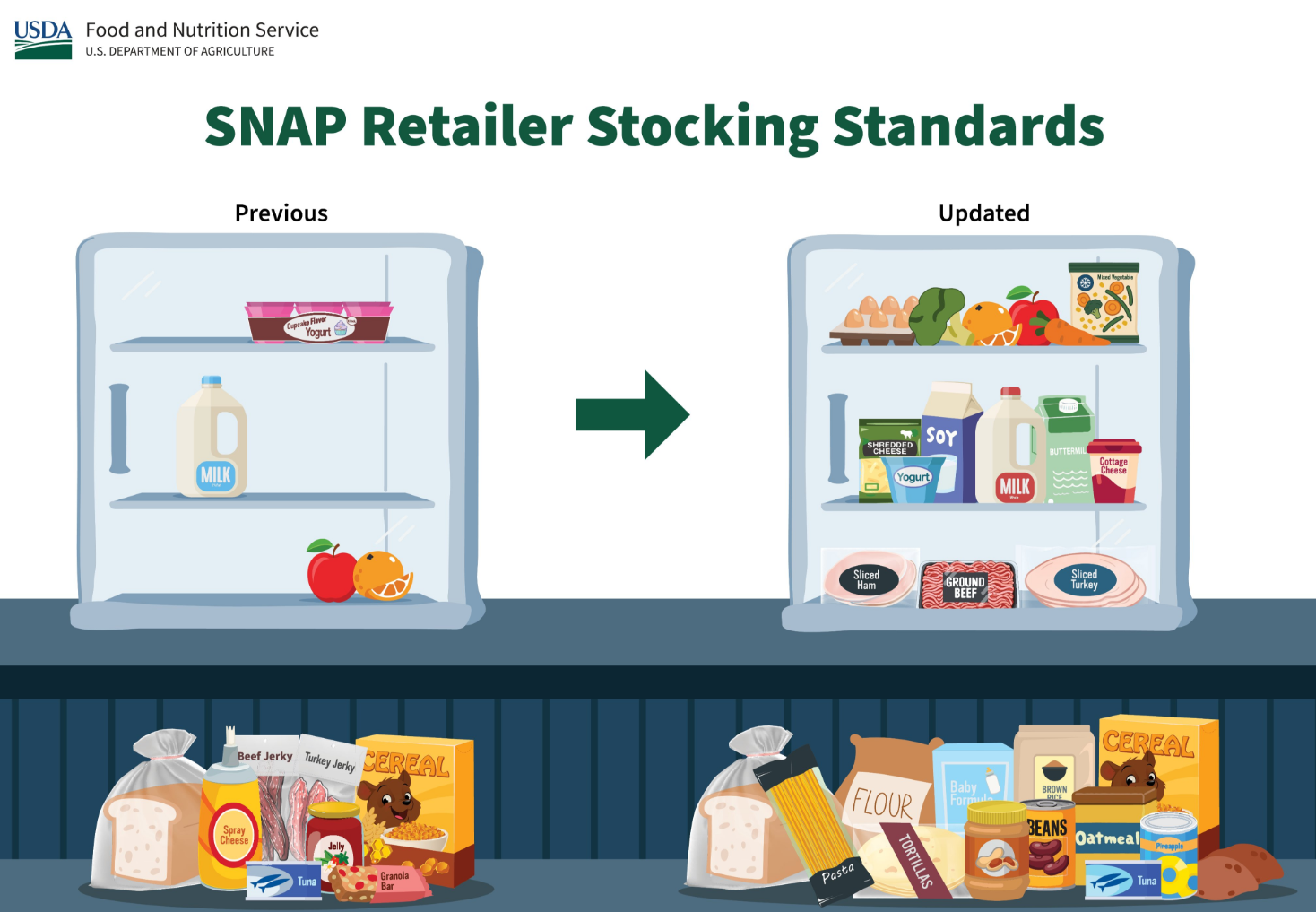
At the heart of the USDA’s updated rule is a fundamental change in how the agency defines a "staple food." Under previous guidelines, authorized retailers were required to maintain a minimum of three varieties of items across four core categories: protein, grains, dairy, and fruits/vegetables.
The new regulations, detailed in the Federal Register notice released in May 2026, more than double this threshold. Retailers will now be required to stock at least seven varieties of items within each of the four designated categories. Furthermore, the USDA has moved to close long-standing loopholes that allowed retailers to count highly processed convenience items—such as snack bars, jerky, cheese dips, and fruit spreads—toward their compliance quotas. These items, while still eligible for purchase using SNAP benefits, will no longer satisfy the store’s legal obligation to provide "staple" food access.
For the corner store owner or the rural grocer operating on razor-thin margins, the implications are stark. The mandate requires a significant increase in the inventory of perishable goods, which carry higher spoilage risks and demand more sophisticated cold-chain infrastructure.
A Chronology of Regulatory Pressure
The 2026 update is not an isolated event but the culmination of a decade-long push to tighten the oversight of SNAP-authorized retailers.
- 2016-2020: The USDA began implementing more rigorous data collection regarding store stocking habits, identifying a surge in the number of convenience stores—rather than traditional supermarkets—applying for and receiving SNAP authorization.
- 2021-2025: The Food and Nutrition Service (FNS) intensified its audit process. During this period, the agency took enforcement action against nearly 3,200 retailers for failing to meet stocking standards at the time of their application or failing to maintain those standards post-authorization.
- May 7, 2026: The USDA officially announced the "Stocking Standards Final Rule," setting the implementation deadline for the fall of 2026.
- May 20, 2026: Critics and public health experts, including researchers from the Harvard T.H. Chan School of Public Health, began circulating data highlighting that a disproportionate number of existing SNAP retailers are small-scale, non-traditional food vendors, raising concerns about the feasibility of the new rules.
Supporting Data: The Retail Landscape
The challenge of this new rule lies in the diversity of the current retail landscape. Historically, the USDA has allowed a wide variety of store types to participate in SNAP to ensure that beneficiaries—particularly those in "food deserts" or rural areas without access to large supermarkets—have a place to spend their benefits.
Data from the Economic Research Service (ERS) reveals that an increasing percentage of the 240,000+ stores currently authorized to accept SNAP are convenience stores. These outlets are often designed for high-volume, non-perishable snack sales. By requiring these stores to stock seven varieties of fresh produce, dairy, and proteins, the USDA is effectively forcing a business model pivot.
Proponents argue this is the necessary "stick" to force the market to provide healthier options. However, the data suggests that small stores often lack the floor space, refrigeration, and consumer demand to support large inventories of perishables. Without subsidies or support for infrastructure upgrades, these stores face a binary choice: comply and risk financial insolvency, or forfeit their SNAP authorization, which could lead to a sudden reduction in the number of locations where recipients can redeem their benefits.
Official Responses and Administrative Stance
The USDA maintains that the policy is a common-sense approach to public health. By mandating the availability of "real food," the administration aims to curb the prevalence of "junk-food-only" shopping trips in areas where fresh produce is otherwise unavailable.
"The update to our stocking standards is about ensuring that every SNAP participant has access to the building blocks of a healthy diet," a spokesperson for the FNS noted during the rollout. "We are eliminating the loopholes that allowed retailers to remain authorized while offering little more than chips, soda, and candy."
However, the administration’s focus on enforcement has drawn sharp criticism. The fact that the FNS has disqualified or sanctioned over 3,000 stores in recent years suggests that the agency’s priority is as much about policing the program as it is about nutritional outcomes. Critics argue that the agency is using "nutritional health" as a pretext to reduce the overall footprint of the SNAP program by making it logistically and financially impossible for smaller, more accessible retailers to continue participating.
The Critical Perspective: Why Experts Are Skeptical
The Center for Science in the Public Interest (CSPI) and the Food Research & Action Center (FRAC) have been vocal in their opposition, not necessarily to the idea of healthy food, but to the methodology of this rule.
The "Nutrition Gap"
The most significant criticism leveled against the rule is that it contains no actual nutritional quality requirements. While a store must now carry seven varieties of "protein" or "fruits and vegetables," the regulation does not specify the quality or health value of those items. A store could technically comply by stocking canned fruits with high sugar content or highly processed, sodium-heavy protein options. As the CSPI noted, "The irony is not lost on us that the administration says ‘eat real food’ but won’t require stores to stock it."
The Economic Burden on Small Grocers
FRAC has highlighted that these standards disproportionately impact independent, neighborhood-based groceries. For a large chain supermarket, maintaining these standards is a matter of standard inventory management. For a family-owned bodega, it represents a substantial operational hurdle. If these stores drop out of the SNAP program due to the inability to meet these requirements, the result is not better health for the community—it is the creation of new food deserts where residents must travel further to find any food at all.
Implications for SNAP Recipients
The ultimate impact of the 2026 rule remains to be seen, but the implications for program participants are profound.
- Access vs. Health: While the policy aims to increase access to healthy foods, it may lead to a decrease in the number of total participating retailers. If the nearest store to a low-income family loses its SNAP license, that family may face significant transportation barriers, effectively reducing their access to all food, not just healthy food.
- Affordability: The mandate assumes that if a store stocks fresh produce, the SNAP recipient will purchase it. It ignores the reality of price sensitivity and cultural food preferences. If fresh produce is stocked but sits on the shelf due to high prices or lack of demand, the grocer will likely pass the losses on to the consumer, or stop participating in the program entirely.
- A Mechanism for Attrition: Many observers view this policy as a "stealth" measure to reduce program participation. By making it difficult for the supply side of the SNAP ecosystem to function, the government can effectively reduce the number of people served without ever cutting the benefits themselves.
Conclusion
The USDA’s 2026 stocking standards represent a pivotal moment in the administration of the nation’s largest nutrition assistance program. On the surface, the rhetoric of "real food" and improved health outcomes is appealing. However, a deeper examination reveals a complex, potentially counterproductive regulatory landscape. By prioritizing a "one-size-fits-all" stocking mandate over a more nuanced, localized approach to nutritional access, the federal government risks alienating the very small businesses that serve the most vulnerable populations.
As the fall 2026 deadline approaches, the retail industry, food advocates, and anti-hunger organizations will be watching closely to see whether this policy leads to a healthier food environment or a contraction of the social safety net. For now, the "real food" mandate stands as a controversial test of whether government regulation can successfully influence consumer behavior, or if it will simply create new hurdles for the millions of Americans who rely on SNAP to put food on their tables.