The American Association for Respiratory Care (AARC) has long stood as the cornerstone of professional standards, education, and advocacy for respiratory therapists (RTs) across the United States. At the heart of its recognition program lies the Jimmy A. Young Award, the association’s highest honor. Named in memory of the late AARC president whose life’s work fundamentally shaped the profession, the award is reserved for individuals who have made transformative, sustained contributions to the field.
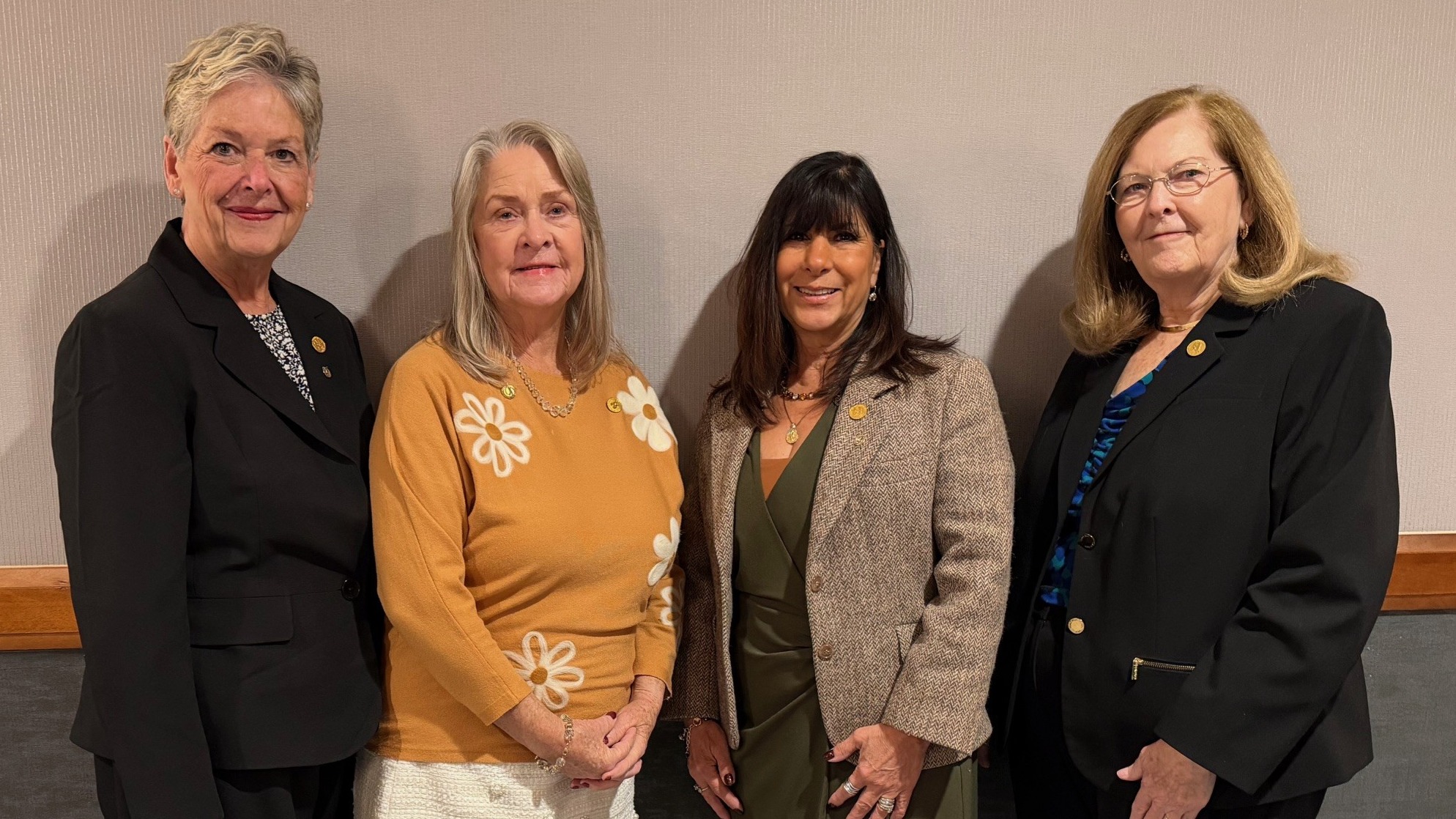
In a landmark retrospective, Lisa Weisenberger, AARC Director of Content and Communications, facilitated a profound conversation with four of the five women who have earned this prestigious distinction: Dianne Lewis, MS, RRT, FAARC (2025); Trudy Watson, BS, RRT, FAARC (2018); Margaret Traband, MEd, RRT, FAARC (2011); and Teresa Volsko, MBA, MHHS, LSSBB, RRT, FAARC (2020). Together, these leaders represent a tapestry of experience that spans decades, offering a masterclass on navigating high-stakes medical environments, dismantling systemic barriers, and shaping the future of respiratory medicine.
The Legacy of the Jimmy A. Young Award
The Jimmy A. Young Award is not merely a trophy; it is a recognition of a lifetime of service. To understand its significance, one must look at the criteria: sustained contributions that alter the trajectory of the profession. Whether through clinical practice guidelines, educational reform, or legislative advocacy, recipients are chosen for their ability to leave the profession stronger than they found it.
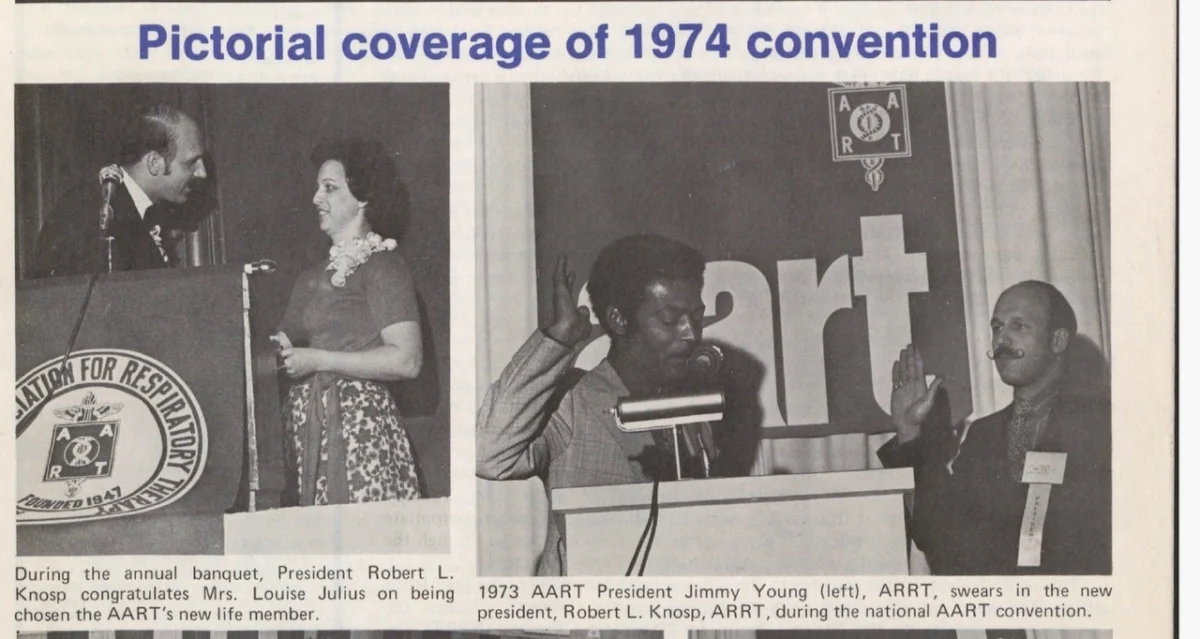
While the honor has been bestowed upon many, the stories of the women who have received it are particularly poignant, as they often had to navigate a landscape that was historically dominated by men. The only other female recipient in the award’s history is Louise Julius, who was honored alongside her husband, John, in 1988—a testament to the collaborative nature of the field’s early pioneers.
A Chronology of Advocacy: From Local Roots to National Impact
The professional journeys of these four women share a common thread: a refusal to wait for permission to lead.
Dianne Lewis (2025 Recipient)
Dianne Lewis’s career is defined by her influence on clinical standardization. Her trajectory began within the AARC’s House of Delegates, where she recognized that for respiratory therapy to be taken seriously as a medical specialty, it required evidence-based consistency. Her pivotal work on the Clinical Practice Guidelines Steering Committee led to the publication of the association’s first formal clinical practice guidelines. "My group wrote and published the first clinical practice guideline for the association," Lewis noted. This achievement was a watershed moment, effectively establishing a national standard of care that saved countless lives and professionalized the bedside role.
Margaret Traband (2011 Recipient)
Joining the AARC in 1972, Margaret Traband represents the foundational era of the profession. Her advice to current practitioners is rooted in the philosophy of "local-first" leadership. "We began with our state societies," Traband explained. "You don’t do it looking for what else you need to check off a list to get an award. You’re just moving ahead where you think you can do the most good." Her career reflects this ethos—a steady, unyielding commitment to doing the work because it is necessary, not because it is recognized.
Trudy Watson (2018 Recipient)
Trudy Watson’s career has been marked by her ability to bridge the gap between respiratory therapy and broader public health initiatives. By engaging with organizations like the American Lung Association, Watson expanded the influence of the RT beyond the hospital walls. Her leadership is a study in the power of networking and visibility, proving that the most effective advocates are those who are trusted by both their peers and their partners in the healthcare ecosystem.
Teresa Volsko (2020 Recipient)
Teresa Volsko serves as the bridge to the modern era of respiratory care. Her focus on Lean Six Sigma and healthcare systems management showcases the evolution of the RT from a bedside practitioner to a hospital executive. Volsko’s perspective on the shift in culture within the AARC highlights the transition from a competitive, scarcity-based mindset to one of collaborative mentorship.
Supporting Data: The Shift in the Medical Landscape
Historically, the respiratory therapy profession was heavily male-led, despite the workforce being composed largely of women. This paradox created a "glass ceiling" that persisted well into the late 20th century.
The data shared by these leaders suggests a profound cultural pivot. In the late 1970s and early 1980s, the "seat at the table" was a limited commodity. As Volsko recalled, "If you were invited to the table, you didn’t dare bring another woman up with you because there was only one or two seats."
Today, that landscape has been fundamentally altered. The inclusion of these four women as Jimmy A. Young Award recipients represents a significant move toward meritocratic leadership. The data points to a growing number of women in administrative roles, academic deanships, and national committee chair positions within the AARC, reflecting a wider trend in medicine toward gender parity in leadership.
Official Responses and Reflections on Leadership
When asked about the current state of the profession, these four leaders offered a unified message of optimism tempered by realism. They addressed the challenges of the post-pandemic era, including the pervasive issue of burnout.
"The further away you get from the bedside, the less positive reinforcement happens," Traband noted. "Take the time to reflect at the end of the day. Know that you’ve alleviated breathlessness and calmed patients. Steep in that moment."
The leaders also addressed the recruitment crisis. While the demand for RTs is projected to grow significantly over the next decade, the challenge lies in the "classroom pipeline." Watson emphasized that the industry must be proactive in showcasing the dynamic, high-tech nature of the profession to attract the next generation of students.
Implications: A Roadmap for the Next Generation
The retrospective concluded with a three-part roadmap for new RTs who aspire to make a difference:
- Master the Art of Networking: Do not remain an island. Involvement in your hospital and professional organizations is the only way to build the trust necessary for career advancement.
- Be Over-Prepared: Clinical excellence is the currency of this profession. Whether in "Journal Clubs" or bedside emergencies, being the most prepared person in the room is the surest way to gain respect.
- Lead from the Bedside: Leadership is an action, not a job title. An RT can lead by implementing new protocols, mentoring new staff, or advocating for patient needs. One does not need a promotion to be a leader.
The Future: A Collective Vision
The legacy of the Jimmy A. Young Award recipients is a testament to the fact that the future of respiratory care relies on a delicate balance: the technical precision of the clinician and the bold, visionary leadership of the advocate.
As the medical field continues to evolve, the lessons offered by Lewis, Watson, Traband, and Volsko serve as a guiding light. Their stories demonstrate that while the technology and the environment of healthcare will inevitably change, the core tenets of the profession—service, continuous learning, and the willingness to lift others up—remain constant.
For the young respiratory therapist beginning their journey today, the path is no longer as narrow as it was for those who came before. The table has been expanded, the ceiling has been raised, and the responsibility to lead is now a shared endeavor. By embracing the challenges of the present and honoring the history of the past, the next generation of RTs is well-positioned to carry the torch of respiratory care into a new, brighter era.
Ultimately, these women have proven that a career in respiratory care is not just about managing the mechanics of breathing—it is about breathing life into the profession itself. Through their sustained commitment, they have ensured that the AARC remains a vibrant, evolving organization capable of meeting the complex medical demands of the 21st century.