












For many, the realization arrives not with a bang, but with a quiet, unsettling stumble. One day, you drop a pen or try to play with a grandchild on the carpet, and as you look to rise, you realize the floor has become a "different country"—a place that is easy to enter but increasingly difficult to leave.
Getting up off the floor is a fundamental human movement pattern that many people begin to lose in their 60s. Often, this decline happens so gradually that it goes unnoticed until the ability is severely compromised. However, according to experts in longevity and physical conditioning, this is not an inevitable consequence of aging. It is a skill, and like any other, it can be maintained or rebuilt with the right approach.
The Physiology of the "Floor Gap"
As we cross the threshold into our 60s, our bodies undergo several physiological changes that directly impact our ability to navigate the transition from floor to standing.
The Decline of Fast-Twitch Fibers
Muscle mass naturally begins to decline after age 60, a process known as sarcopenia. Crucially, the body tends to lose fast-twitch muscle fibers first. These are the "power" fibers responsible for explosive movements and rapid positional changes—exactly the muscles required to generate the force needed to propel oneself upward from a seated or kneeling position.
The Erosion of Mobility
Hip mobility is the "use it or lose it" component of aging. Decades of sitting in office chairs or on soft sofas shorten the hip flexors and stiffen the pelvic girdle. When these joints lose their range of motion, the body can no longer drop into a deep, stable squat. Consequently, getting down to the floor becomes a "controlled fall" rather than a fluid, muscular descent.
The Wrist and Balance Factor
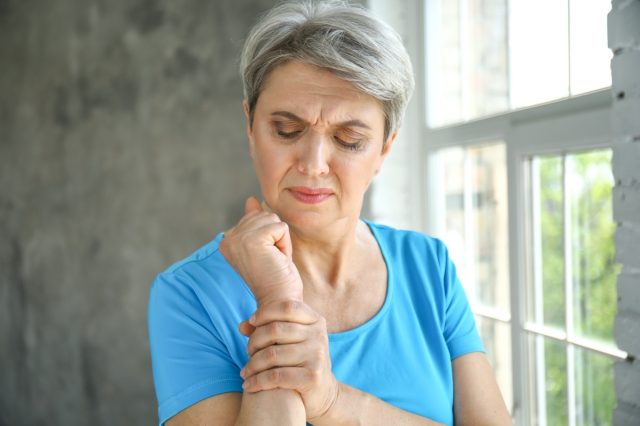
Modern life—largely spent typing on keyboards or tapping on screens—has left many with weakened, stiff wrists. When you attempt to push yourself off the floor, your wrists are the primary load-bearing joints. If they lack the strength or stability, the brain will naturally inhibit the movement, leading to a loss of confidence. Furthermore, the vestibular system, which governs balance, slows down. Each transition between sitting, kneeling, and standing is a complex balancing act; if your internal gyroscope is lagging, you will likely feel shaky, further cementing the fear of falling.

The Longevity Link: What the Science Says
The ability to get off the floor is more than just a matter of convenience; it is a clinical marker of health. A landmark study, often referred to as the "Sitting-Rising Test" (SRT), has provided compelling evidence linking floor mobility to all-cause mortality.
In this assessment, researchers observe how easily a person can lower themselves to the floor and rise again without using their hands or knees for support. The scoring system is simple: points are deducted for every hand, knee, or elbow used for assistance. The findings were stark: individuals who scored low on the test were found to have a significantly higher risk of mortality over the following years compared to those who could perform the movement with ease.
While the test itself is an assessment, the implication is clear: the physical strength, flexibility, and coordination required to get off the floor are the same attributes required to maintain independence, avoid accidental falls, and recover from them should they occur.
A Three-Step Protocol for Rebuilding Ability
As a personal trainer with nearly 40 years of experience, including two decades as a director at TRAINFITNESS, I have observed that most clients can regain this critical mobility by practicing three specific movements daily. These exercises target the exact weak points—the hips, the legs, and the wrists—that tend to fail first.
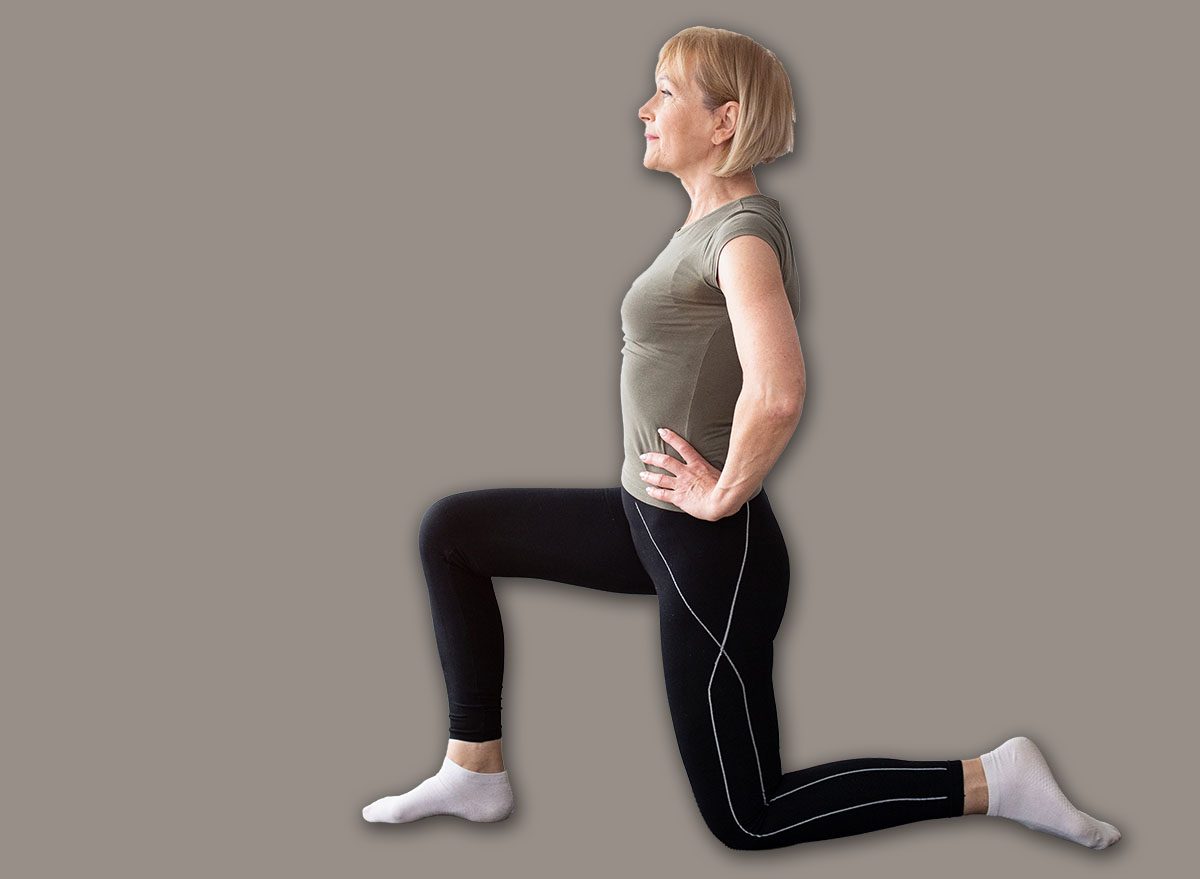
1. The Half-Kneeling Rise
This exercise mimics the most efficient way to stand up from the floor. It forces you to stabilize your core while using your glutes and quads to drive upward.
- How to do it: Start in a kneeling position on a soft surface. Step one foot forward so your knee is at a 90-degree angle. Lean slightly forward and use your front leg to push your body upward into a standing position. Slowly reverse the motion to return to the floor.
- Form Tip: The "descent" is where the strength is built. Move as slowly as possible on the way down to maximize muscle recruitment.
- Volume: Two sets of 6 to 8 repetitions on each side.
2. The Supported Deep Squat Hold
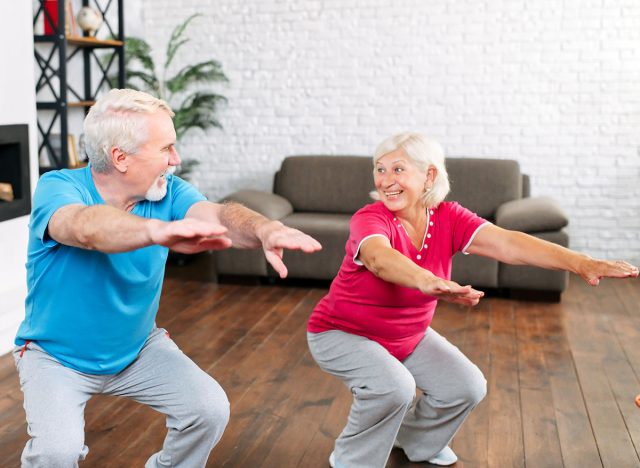
To get up, you must first be able to get down. This move restores the necessary range of motion in the ankles, knees, and hips.
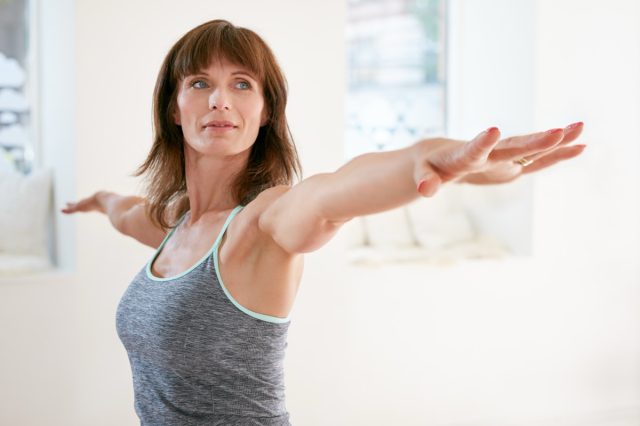
- How to do it: Stand facing a sturdy chair or a wall. Hold onto the support for balance and slowly lower your hips toward your heels, keeping your heels firmly planted on the floor. Hold this deep squat position for 15 to 20 seconds.
- Form Tip: If your heels lift, place a rolled-up towel or a book under them to provide a stable base while your mobility improves.
- Volume: 2 to 3 rounds of a 15–20 second hold.
3. The Wall Press-Up (Wrist Preparation)
This movement builds the upper-body strength required to support your weight through your hands, a crucial skill for those who find the "no-hands" approach currently out of reach.
- How to do it: Stand at arm’s length from a wall. Place your hands on the wall at shoulder height. Keeping your body in a straight line from heels to head, bend your elbows to lower your chest toward the wall, then push back to the starting position.
- Form Tip: Keep your core engaged to ensure your hips don’t sag. Focus on keeping your wrists straight and stable.
- Volume: 2 sets of 10 to 15 slow repetitions.
Ensuring Safety During Training
Before beginning any new exercise routine, especially if you have a history of heart conditions, joint replacements, or severe balance issues, consult with your GP or a physiotherapist.
For the first few weeks, always practice near a piece of furniture you can grab if needed. This provides a "safety net" that allows your brain to relax, which is essential for proper movement. If you experience sharp, stabbing pain in your joints, stop immediately. A "muscle burn" is the desired effect, but sharp, localized pain is a warning sign that you have pushed too far.

Chronology of Progress
Consistency is the cornerstone of this program. Because this is a neuromuscular skill, short daily doses are vastly more effective than one long, grueling weekly session.
- Weeks 1–2: Focus on mastering the pattern. You will likely feel a sense of improved stability. The "maneuver" of getting into a half-kneel will begin to feel like a natural posture.
- Weeks 3–4: You should notice the "depth" of your squat improving. You may find you need less assistance from the chair or wall. Wrist confidence begins to grow as the soft tissues adapt to the load.
- Week 6 and Beyond: Many practitioners find they can now get up from the floor using only one hand for support—a massive improvement from where they started. For some, the goal of "no-hands" becomes a reality.
The Broader Implications: Independence and Quality of Life
The physical benefits of these exercises—increased leg strength, better hip mobility, and improved wrist stability—are undeniably valuable. However, the most significant gain is often psychological.
The fear of falling, and more specifically, the fear of not being able to get back up, can be paralyzing. It leads many to limit their activities, avoid social settings, and reduce their physical exploration of the world. By mastering these three simple movements, you replace that fear with competence.
When you know that you possess the strength and technique to navigate the floor, the world opens up again. You can play with grandchildren, engage in gardening, or reach for items under the bed without hesitation. You aren’t just training for a test; you are training for the freedom to move through your later years with the same confidence you had at 40. The floor is no longer a different country—it is simply part of your home.