







Introduction: The Barometric Burden
For millions of individuals living with progressive, chronic health conditions, the weather is not merely a conversational pleasantry or a logistical inconvenience. It is a physiological catalyst. While the general population may check the forecast to decide between a coat or an umbrella, those living with conditions such as Ehlers-Danlos Syndrome (EDS), rheumatoid arthritis, or fibromyalgia often monitor barometric pressure readings with the precision of a meteorologist.
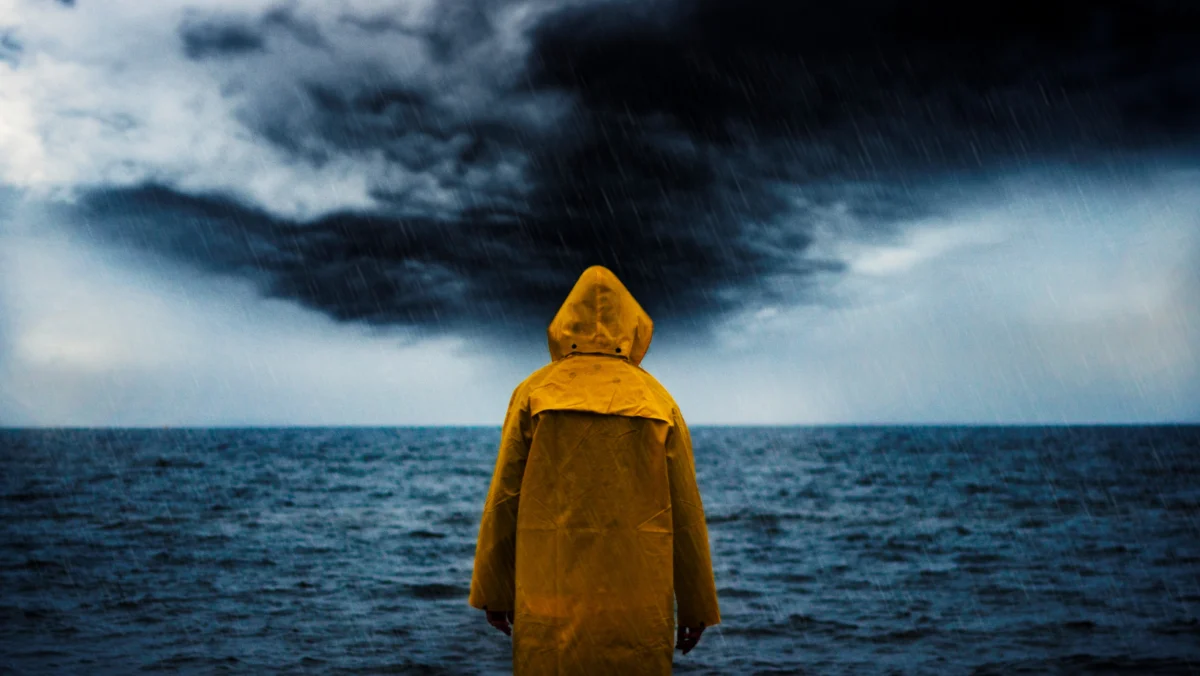
As Ellen Lenox Smith, a prominent advocate for those living with chronic, painful conditions, poignantly notes, the horizon’s darkening clouds often signal more than just rain; they signal a descent into a period of heightened physical vulnerability. For these individuals, the "storm" is both external and internal, creating a unique intersection where meteorology meets human physiology.
Main Facts: The Science of Atmospheric Sensitivity
The phenomenon of weather-related pain is rooted in the concept of barometric pressure—the weight of the atmosphere pressing down on the Earth’s surface. When a storm approaches, the barometric pressure drops.
The Physiological Reaction
For a healthy body, the tissues and joints are generally able to adjust to these fluctuations. However, for those with chronic inflammatory or connective tissue disorders, the body struggles to adapt. As the external pressure decreases, the soft tissues in the body—tendons, muscles, and scar tissue—may expand slightly. In a body already prone to inflammation or joint instability, this expansion can press against nerves and sensitive areas, triggering a cascade of symptoms:
- Systemic Inflammation: The body’s immune response can be triggered, leading to increased swelling.
- Neurological Distress: Pressure changes often manifest as debilitating migraines or "brain fog."
- Musculoskeletal Vulnerability: Increased fluid pressure within joints can lead to subluxations (partial dislocations) or full dislocations, particularly in patients with hypermobility spectrum disorders.
Chronology: A Cycle of Resilience
Living with a progressive condition requires a strict, disciplined routine to maintain a baseline of functionality. The daily chronology of a patient often looks like this:
1. The Proactive Morning
Before the day begins, individuals must engage in "maintenance protocols." This includes dietary management to ensure metabolic stability, a regimen of core-strengthening exercises to stabilize joints, and targeted medication to manage systemic inflammation. This is the "control" phase of the day.
2. The Atmospheric Shift
As the barometer begins to fall, the patient experiences an immediate, involuntary shift in their physical state. Fatigue, which may have been manageable in the morning, intensifies. The body becomes "heavy," and the effort required to perform basic tasks—like walking or navigating a kitchen—triples.
3. The Storm’s Arrival
Once the weather event hits, the challenge transitions from internal management to external survival. A snowy path is no longer just a cold walkway; it is a hazardous obstacle course where a single slip could result in a catastrophic joint injury. Rain and mud create uneven surfaces that threaten the stability of someone whose joints are already prone to sliding out of place.
4. The Recovery Phase
When the weather clears, the process of returning to a "normal" baseline begins. This is not instantaneous; the body must work to reduce the inflammation caused by the atmospheric pressure shift, leading to a period of recovery that can last for days after the sun returns.
Supporting Data: Chronic Pain in the Public Sphere
While historically dismissed as "anecdotal," the link between weather and pain is gaining significant traction in clinical research.
The "Cloudy with a Chance of Pain" Study
A landmark study conducted by the University of Manchester, titled Cloudy with a Chance of Pain, tracked over 13,000 participants over 15 months. The results provided a scientific bridge between weather patterns and pain intensity. Participants consistently reported increased pain on days with higher humidity, lower pressure, and higher wind speeds.
Implications for Disability
Data from the Bureau of Labor Statistics and health organizations suggest that chronic pain is a leading cause of disability worldwide. For the demographic of patients dealing with systemic conditions, environmental factors represent an "invisible" barrier to accessibility. While ADA (Americans with Disabilities Act) compliance focuses on structural accessibility, it does not account for the fluctuating physical capabilities of those whose bodies are inherently reactive to the environment.
Official Responses and Clinical Perspectives
Medical professionals are increasingly acknowledging the validity of weather-related pain, moving away from the outdated notion that it is psychosomatic.
The Shift in Rheumatology
Rheumatologists and pain management specialists are now incorporating environmental awareness into their patient education. Dr. Elena Rodriguez, a specialist in autoimmune disorders, notes: "We are moving toward a more holistic view of the patient. If we know a patient is sensitive to barometric pressure, we can adjust their treatment plan to include ‘rescue’ protocols during inclement weather, such as increased anti-inflammatory support or modified activity expectations."
The Advocacy Voice
Advocates like Ellen Lenox Smith emphasize that the medical community must do more to validate the lived experience of the patient. "It is heartbreaking to have that intense reminder that my body is far from normal," Smith writes. The official response from the advocacy community is clear: patients need tools—not just medication, but social support and workplace flexibility—to manage the days when the atmosphere itself turns against them.
Implications: The Psychology of Endurance
The implications of living with weather-sensitive chronic pain extend far beyond the physical; they strike at the heart of identity and mental health.
Defining Life Beyond the Condition
The greatest challenge for a patient is the struggle to not let their disability define their identity. When a storm makes one’s condition impossible to ignore, it creates a psychological "identity crisis." The work of maintaining a sense of purpose during a flare-up is, in itself, a full-time job.
Empowerment Through Agency
The shift from helplessness to empowerment occurs when patients focus on what they can control. This includes:
- Radical Self-Compassion: Accepting that a "bad day" is not a personal failure, but a biological reaction to a storm.
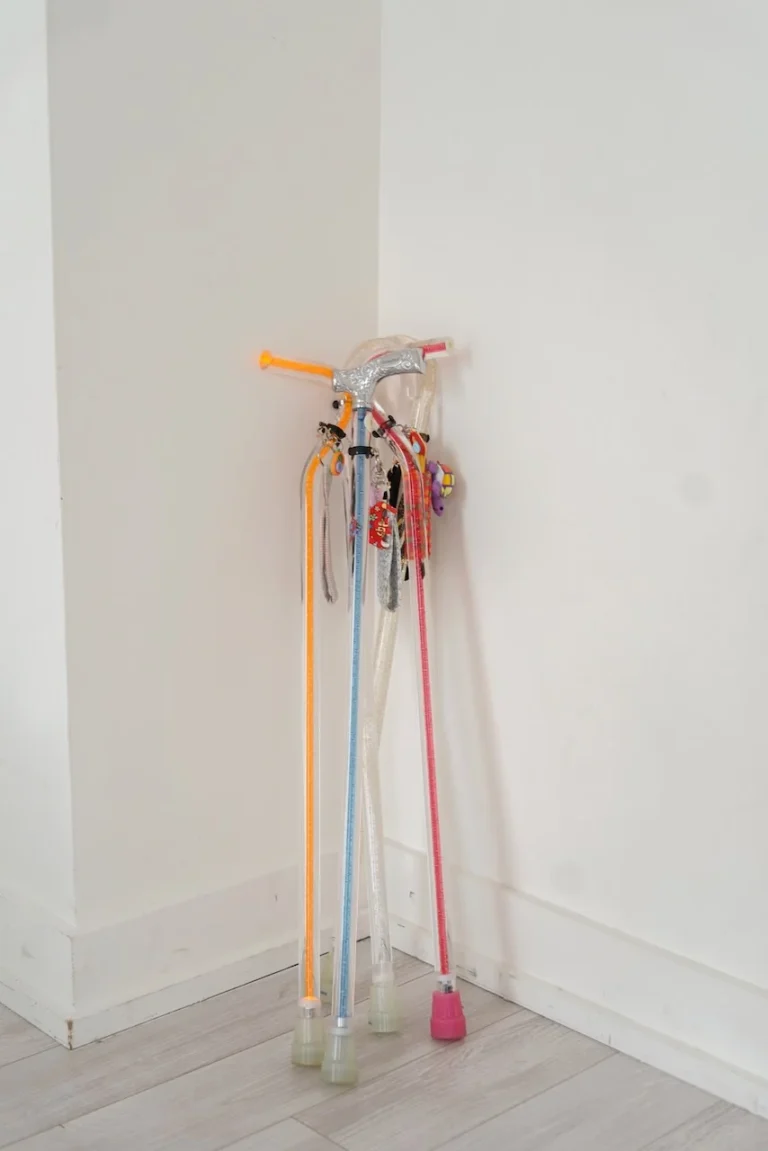
- Environmental Adaptation: Utilizing assistive devices, such as high-traction footwear or specialized mobility aids, to navigate the hazards of snow and rain.
- Strategic Energy Management: Learning to "pace" activities, saving energy for the periods when the barometer stabilizes.
A Call for Societal Understanding
The broader implication of this reality is the need for increased societal empathy. When a coworker or family member claims they are having a "bad day" due to the weather, the common impulse is to dismiss it as a metaphor. However, for the chronic pain community, it is a literal, physiological event. Acknowledging this reality is the first step toward creating more inclusive environments—both in the workplace and in our personal lives.
Conclusion: Waiting for the Sun
Living with a progressive condition is an exercise in endurance. It is a life lived in the margins of environmental comfort, where the simple act of existing requires constant navigation of atmospheric volatility.
Yet, as Smith reflects, there is a profound strength in the process of surviving these storms. By focusing on the elements within our control—nutrition, movement, and mindset—patients continue to define their lives by their resilience rather than their limitations.
"We may be disabled, but we are also fighters," Smith concludes. As the clouds gather and the pressure drops, the goal remains the same: to find the inner strength to hold the line, to endure the discomfort, and to remain steadfast until the sun, once again, peeks through the clouds. May we all find the grace to be kind to ourselves and others, recognizing that we are all, in our own way, weathering storms that others cannot see.