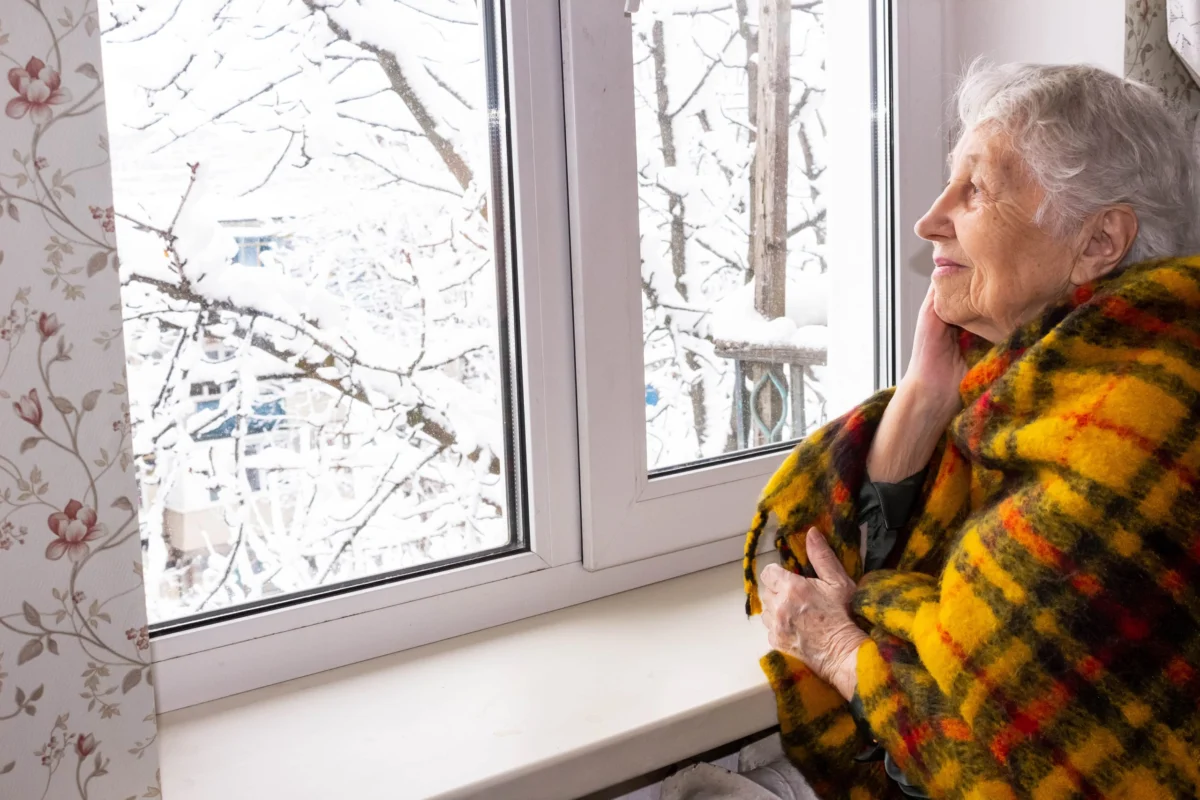
As a massive winter weather system sweeps across the United States, an estimated 200 million people across 35 states are bracing for what promises to be a challenging weekend of sub-zero temperatures, heavy snowfall, and treacherous ice. While the arrival of winter often evokes nostalgic memories of childhood sledding hills and neighborhood snowball fights, the reality of navigating these conditions as an older adult requires a shift in strategy.
For the aging population, the "snow day" is no longer a reprieve from school, but a period that demands deliberate planning, heightened safety awareness, and a proactive approach to physical health. As temperatures plummet, the Alliance for Aging Research emphasizes that prioritizing safety over convenience is not just a suggestion—it is a vital necessity.
The Reality of Winter Hazards: Main Facts
The primary danger during extreme cold events is the physiological strain placed on the human body. As we age, our bodies lose some of the natural efficiency required to regulate internal temperature. This makes older adults significantly more susceptible to hypothermia—a condition where the body loses heat faster than it can produce it—and frostbite, which can cause permanent damage to extremities.
Furthermore, the physical act of clearing snow is a high-intensity exercise that poses hidden risks. The combination of lifting, twisting, and the vasoconstriction caused by cold air can put immense strain on the cardiovascular system. According to health experts, the goal of any winter storm plan should be to minimize exposure, reduce physical exertion, and ensure that essential resources are accessible without the need for hazardous travel.
A Chronological Approach to Storm Preparation
Successful navigation of a winter storm begins long before the first snowflake touches the ground. By following a structured timeline, older adults can eliminate the panic of last-minute errands.
Phase 1: The Pre-Storm Inventory (48–72 Hours Prior)
In the days leading up to a forecasted event, take a systematic inventory of your home.
- Medical Readiness: Ensure you have at least a one-week supply of all prescription medications. Do not wait until the roads are icy to visit the pharmacy.
- Pantry Stocking: Focus on non-perishable items that do not require extensive preparation, such as soups, canned proteins, and healthy snacks. Ensure you have plenty of shelf-stable water.
- Utility Check: Confirm that your heating system is functional. Ensure that backup heating sources, such as space heaters, are in safe, working condition and kept away from flammable materials.
Phase 2: The "Hunker Down" Strategy (The Day Of)
Once the weather arrives, the priority shifts to staying indoors.
- Routine Adjustment: Accept that your normal schedule may need to be paused. If you usually attend an exercise class or social gathering, prioritize staying indoors during the peak of the storm.
- Communication: Check in with family members or neighbors. Ensure they know your plans and have a method to contact you if power outages occur.
Supporting Data: Why Caution is Essential
Medical data consistently shows a spike in emergency room visits for both orthopedic injuries and cardiac events during winter storms. The "heart attack risk" associated with shoveling is well-documented in medical literature.
The combination of the cold—which narrows blood vessels—and the intense physical exertion of shoveling creates a "perfect storm" for the heart. For individuals with pre-existing conditions, high blood pressure, or a history of cardiovascular disease, the exertion of moving heavy, wet snow can exceed the heart’s capacity to deliver oxygen, leading to significant distress.
Additionally, falls remain the leading cause of injury among the elderly. Icy walkways and hidden patches of snow are a constant threat. Even a minor fall in freezing temperatures can lead to fractures, which are complicated by the logistical difficulty of getting help during a storm.
Official Recommendations and Professional Advice
Health professionals and emergency management agencies recommend a "Safety First" framework for those choosing to venture outside. Katie Riley, Vice President of Communications at the Alliance for Aging Research, stresses that your health is far more valuable than a clear driveway.
Dressing for Survival
If you must go outside, how you dress is critical. The "layering principle" remains the gold standard:
- Base Layer: Moisture-wicking synthetic or wool fabrics that keep sweat away from the skin.
- Insulating Layer: A thick sweater or fleece to trap body heat.
- Outer Layer: A windproof and waterproof jacket to protect against the elements.
- Extremities: Always wear a hat, as a significant amount of body heat is lost through the head. Gloves and warm, non-slip footwear are mandatory to prevent frostbite and falls.
Smart Shoveling: A Tactical Approach
If you are physically cleared by your doctor to shovel, use techniques that minimize strain:
- Warm Up: Spend five to ten minutes doing light stretches indoors before stepping into the cold. Cold muscles are prone to tears and strains.
- Push, Don’t Lift: Use the shovel to push the snow to the side whenever possible. If you must lift, keep the shovel close to your body and bend at the knees, not the waist.
- The "One-Inch" Rule: Lift only small amounts of snow at a time. Never fill the shovel to capacity.
- Pace Yourself: Take frequent breaks. If you feel short of breath, lightheaded, or experience chest pain, stop immediately and head indoors.
Implications for Long-Term Health
The implications of ignoring these precautions extend beyond the duration of the storm. A single fall or a cardiac event triggered by overexertion can lead to long-term hospitalizations, physical therapy, and a reduction in independent living capability.
Conversely, embracing a mindset of "planned inactivity" during severe weather is a sign of wisdom, not weakness. By acknowledging the limits of our bodies as we age, we can protect our long-term health.
Final Thoughts: The Value of Preparation
Winter weather is an inevitable part of the seasonal cycle, but it does not have to be a source of trauma. The key to navigating these next few days—and the remainder of the winter season—lies in the synthesis of preparation, awareness, and the willingness to ask for help.
Reach out to neighbors or local youth groups to see if someone can assist with snow removal. Utilize digital tools to keep in touch with loved ones, and keep your phone charged. Remember, the goal is to watch the beauty of the snowfall from the safety and warmth of your living room, protected from the hazards of the cold.
As the mercury drops this weekend, prioritize your well-being. Your health is worth the effort of staying inside, staying warm, and staying safe. By taking these steps, you ensure that you are ready for the spring thaw when it finally arrives, fully recovered and prepared to enjoy the warmer months ahead.