











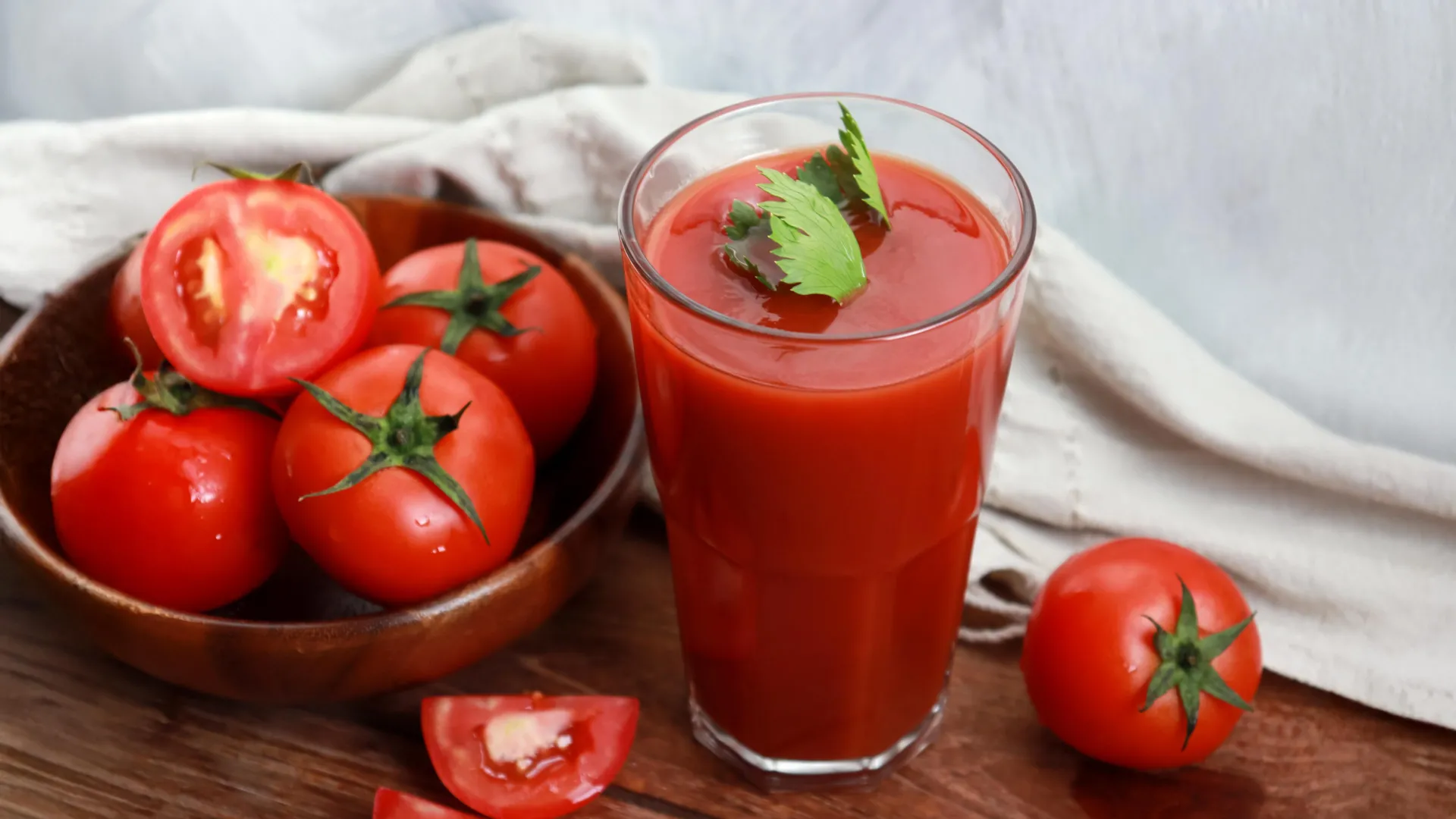
In the ongoing battle against chronic disease, modern medicine has traditionally leaned heavily on pharmacological interventions. However, a burgeoning field of nutritional science—known as "functional food" research—is increasingly focusing on the potential for everyday dietary choices to serve as potent tools for physiological regulation. A significant leap in this field has been made by researchers at The Ohio State University, who recently demonstrated that a specially formulated tomato-soy juice can significantly reduce markers of systemic inflammation in adults living with obesity in as little as four weeks.
The study, recently published in the prestigious journal Molecular Nutrition & Food Research, suggests that by leveraging the synergistic power of specific plant compounds, we may be able to modulate the body’s inflammatory response, potentially mitigating the risks associated with long-term metabolic health conditions.
The Core Findings: A Targeted Nutritional Intervention
Chronic inflammation is a silent driver of many of the world’s most pervasive health conditions, including cardiovascular disease, type 2 diabetes, and certain types of cancer. When the immune system remains in a state of persistent, low-grade activation, it can damage healthy tissues and exacerbate metabolic dysfunction.
The Ohio State research team, led by Jessica Cooperstone, an associate professor of horticulture and crop science, sought to determine if a concentrated, food-based intervention could effectively "dampen" this process. The study focused on a custom-designed beverage containing high levels of lycopene—a carotenoid that gives tomatoes their vibrant red hue—and soy isoflavones, plant compounds that act as phytoestrogens.
In a controlled clinical trial involving 12 adults with obesity, participants consumed two 6-ounce cans of the tomato-soy juice daily for four weeks. Following a washout period, they transitioned to a control tomato juice lacking the high-concentration additive profile. The results were striking: blood samples taken at the conclusion of the study showed significant reductions in three key proteins associated with systemic inflammation—Interleukin (IL)-5, IL-12p70, and granulocyte-macrophage colony-stimulating factor (GM-CSF). While a reduction in tumor necrosis factor alpha (TNF-a) was also observed, it did not reach the threshold for statistical significance, underscoring the nuanced way different markers respond to dietary change.
A Scientific Chronology: From Prostate Health to Systemic Inflammation
The journey to these findings did not begin in a vacuum. The roots of this research date back years, anchored in earlier epidemiological observations linking diets rich in tomato and soy products to lower incidences of prostate cancer.
The Foundation of the Research
Years ago, Ohio State researchers began experimenting with tomatoes bred specifically for enhanced lycopene content. When combined with soy isoflavone extract, this "functional beverage" became a primary focus of the team’s laboratory and clinical investigations. Preliminary studies at the university had already suggested that regular consumption of the juice correlated with lower prostate-specific antigen (PSA) levels in men diagnosed with prostate cancer.
Testing the "Food-as-Medicine" Hypothesis
Moving beyond cancer-specific endpoints, the team pivoted to examine the systemic impact of these compounds on inflammation. The hypothesis was clear: could these specific phytochemicals, when consumed in a concentrated form, act as a bridge between standard nutrition and therapeutic medicine?
"The idea is, can we use food-based interventions to modulate inflammation?" said Jessica Cooperstone. "And can we test this in a rigorous way so that we can really see this is affecting inflammation, versus just saying something is anti-inflammatory?"
This rigorous approach led to the current four-week trial. By using a controlled, low-carotenoid tomato juice as a comparison, the researchers were able to isolate the biological activity of the enhanced formula, providing a robust dataset that validates the role of diet in cellular regulation.
Supporting Data: Metabolites and the Biological "Fingerprint"
One of the most compelling aspects of the study was the team’s move beyond inflammatory proteins. Researchers analyzed urine samples to track changes in metabolites—the chemical byproducts produced when the body processes nutrients.
The metabolite analysis revealed a dual-layered effect. While both the enhanced juice and the control juice resulted in some metabolic shifts, suggesting that tomatoes have intrinsic biological properties regardless of concentration, the participants who drank the tomato-soy blend showed distinct changes related to soy isoflavone processing.
This "biological fingerprint" provides researchers with a roadmap of how these compounds are utilized by the human body. It confirms that the beverage is not merely passing through the system; it is actively participating in the body’s metabolic pathways. While Cooperstone notes that more research is required to fully map these pathways, the data offers a clear indicator that food-based interventions can elicit measurable, systemic changes in human biology.
Official Responses and Clinical Implications
The implications of these findings extend far beyond the laboratory. For the millions of individuals struggling with obesity and the metabolic syndrome that often accompanies it, the prospect of a non-pharmacological tool for managing inflammation is highly encouraging.
The Pivot to Pancreatitis
Perhaps the most significant development stemming from this research is the transition from observational studies to active clinical treatment trials. Armed with the success of the obesity study and supportive evidence from animal models, the Ohio State team has secured funding from the National Institute of Diabetes and Digestive and Kidney Diseases (NIDDK).
The new clinical trial will investigate whether the same tomato-soy juice can reduce inflammation in patients suffering from chronic pancreatitis. Currently, treatment options for chronic pancreatitis are largely palliative, focusing on symptom management and pain control rather than addressing the underlying inflammatory drivers of the disease.
"Care for patients with pancreatitis is palliative, focused on controlling pain and GI symptoms," Cooperstone explained. "Our hypothesis is that the tomato-soy juice may serve as an intervention to decrease inflammation and hopefully increase patients’ quality of life."
A New Standard for Functional Food Research
The success of this study underscores the importance of the "Foods for Health" initiative at Ohio State. By combining expertise in horticulture, nutrition, and clinical medicine, the researchers are creating a new standard for how we evaluate the therapeutic potential of whole foods.
The research team, which includes first author Maria Sholola, as well as Jenna Miller, Emma Bilbrey, David Francis, and Thomas Mace, emphasizes that this is a collaborative effort requiring interdisciplinary rigor. The project has received broad support from the U.S. Department of Agriculture, the National Institutes of Health, and the Lisa and Dan Wampler Endowed Fellowship for Foods and Health Research.
Future Horizons: Can Diet Replace Pills?
While the results are undeniably promising, the researchers remain cautious about overstating the current findings. A four-week study on 12 individuals is a foundational step, not the final word. The scientific community will be watching the upcoming pancreatitis trial closely, as it represents a significant test of the "food as medicine" concept in a high-stakes clinical setting.
If the results hold, we may be on the verge of a shift in how we treat chronic conditions. Instead of relying exclusively on synthetic drugs—which often carry a heavy burden of side effects—healthcare providers might eventually be able to "prescribe" targeted, food-based interventions.
Why This Matters for Public Health
Chronic inflammation is the invisible antagonist in the modern health crisis. By identifying specific, scalable, and accessible dietary interventions, researchers like Cooperstone are providing a pathway to health that is grounded in nature but verified by the highest standards of scientific inquiry.
As we look toward the future, the integration of these findings into clinical practice could revolutionize the management of chronic disease. It is a reminder that the most powerful pharmacy might just be the one we carry home in our grocery bags. The ongoing work at The Ohio State University stands as a testament to the fact that when we treat food with the same level of scientific scrutiny as pharmaceuticals, we unlock the potential for profound improvements in human health.
The scientific community awaits the results of the pancreatitis trial with anticipation, recognizing that this work could provide a vital, low-risk, and high-impact tool in the fight against some of the most persistent diseases of the 21st century.