Date: 2 July, 2026
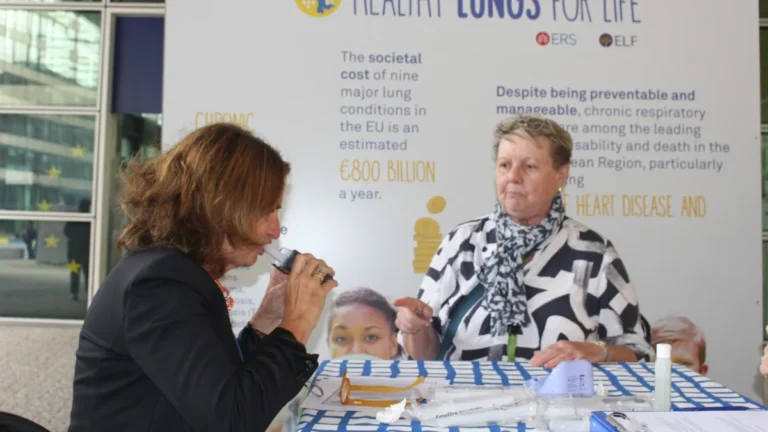
As the global medical community gears up for the inaugural European Respiratory Society (ERS) Cough Conference, taking place from 15–17 July in London and via a digital platform, a seismic shift in how respiratory medicine is discussed is underway. For the first time, this specialized event is placing "lived experience" at the very heart of its scientific and clinical agenda. This deliberate integration of the patient voice is not merely a symbolic gesture; it represents a core strategic evolution within the ERS to foster deeper, more meaningful partnerships between those who study disease and those who live with it every day.
Main Facts: A New Paradigm for Respiratory Research
Chronic cough is often dismissed by the general public as a minor irritation, yet for millions, it is a debilitating condition that dictates the rhythm of their daily lives. The 2026 ERS Cough Conference aims to challenge the clinical detachment that can sometimes surround this diagnosis. By bringing together the world’s leading pulmonologists, researchers, and—crucially—patients, the event seeks to move beyond the biochemical markers of cough to address the human reality of the condition.
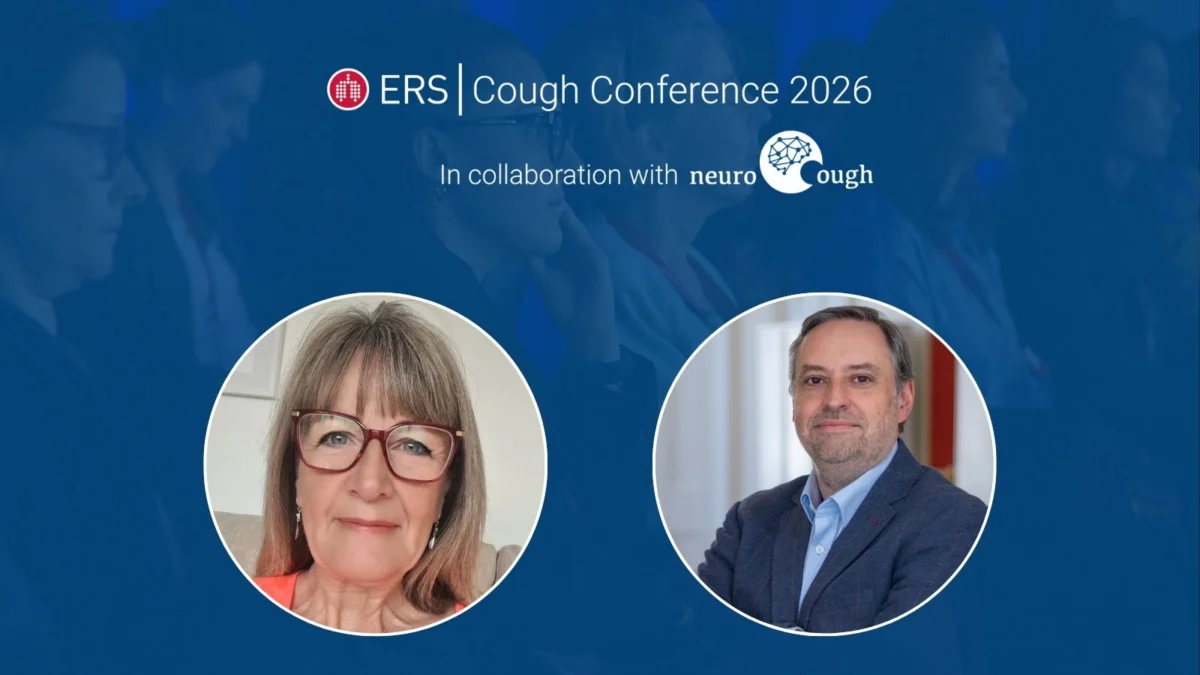
The conference will serve as a global forum to dissect the latest developments in cough diagnostics, neurobiology, and therapeutic interventions. However, the standout feature of this year’s program is the explicit inclusion of patient advocates, Andrew Lothian and Ruth Last. Their participation is designed to ensure that the clinical discourse remains anchored in the realities of patient care, moving away from purely abstract research and toward actionable, patient-centered outcomes.
Chronology: The Journey Toward Patient-Centricity
The path to this conference has been paved by years of evolving medical philosophy within the ERS.
- Pre-2024: The ERS began identifying a growing need to transition from a "top-down" clinical approach to a collaborative model. Internal reviews noted that while clinical trials were advancing in terms of efficacy, patient retention and adherence were frequently hampered by a lack of understanding regarding the patient’s holistic burden.
- 2025: The strategic decision was made to dedicate a specialized, high-level conference to the study of chronic cough, with a mandate to integrate patient partners as keynote contributors rather than peripheral observers.
- Early 2026: Preparations for the July conference began, with the organizing committee—led by Prof. Fan Chung and Prof. Omar Usmani—actively recruiting patients to co-create the agenda.
- 15–17 July 2026: The inaugural conference convenes, marking the first time the ERS has institutionalized patient-lived experience as a core pillar of a specialized scientific gathering.
- September 2026: Following the conference, the ERS Congress in Barcelona is scheduled to take this momentum to a global scale under the theme, "United for better breathing: partnership between patients, clinicians, and researchers."
Supporting Data: The Limitations of the "Clinical Lens"
Medical literature and clinical data provide an essential framework for treating disease, yet they frequently miss the nuance of the "human experience." For instance, while a clinical trial may measure the frequency of a cough, it often fails to quantify the isolation, anxiety, and loss of productivity that accompanies chronic respiratory illness.
According to patient advocates, the data-driven approach, while necessary, is incomplete. Research indicates that when clinicians are better informed about the psychological and social impacts of a disease, the quality of care—and patient outcomes—improves significantly. The ERS is now utilizing this insight to drive a change in how it prioritizes research. By listening to patients, the society is identifying "unmet needs"—gaps in care that are not immediately obvious to researchers in a laboratory setting but are glaringly apparent to those living with the disease.
Official Responses: Voices from the Frontline
The inclusion of patients at the conference has been met with enthusiasm from both the advocacy community and the leadership of the ERS.
Andrew Lothian, a patient participant, expressed the profound significance of this shift. "I feel privileged to have been asked to provide input on the patient experience," Lothian stated. "I hope that the incorporation of the patient perspective will lead the delegates to a more rounded and holistic understanding of chronic cough. My sense is that the patient contribution could help to bridge the gap between clinical understanding and real lived experience. It may even challenge assumptions and could perhaps highlight unmet needs."
Ruth Last, who will join Lothian in presenting, emphasized the importance of the human element. "The advancement of clinical knowledge and research are absolutely crucial components for the professional community, but they can only ever tell part of the story," Last noted. "Giving patients a platform and voice allows delegates to be introduced to the more human perspective, including the day-to-day reality of living with respiratory disease—its physical, emotional, and social impact—in ways that studies and data alone would never fully capture."
The leadership of the ERS has been equally vocal in supporting this integration. ERS Cough Conference Co-Chair Prof. Fan Chung acknowledged the difficulty of this work, stating, "First and foremost, we thank Ruth and Andrew for taking part. Placing lived experience at the centre of scientific discussions is essential to advancing clinical understanding. Patient testimony helps to inform researchers and clinicians about the impact of chronic cough on an individual’s daily life; lived experience complements professional and scientific expertise."
Prof. Omar Usmani, ERS Science Council Chair and fellow Co-Chair, framed this initiative as part of a broader, global shift. "These are just some of the reasons why the ERS is committed to enhancing patient-professional partnerships—a strategic aim that will also become reality on a global scale this year at the ERS Congress in Barcelona," he said.
Implications: The Future of Respiratory Care
The implications of this conference extend far beyond the three days in London. If successful, the model of embedding lived experience into scientific discourse could become the gold standard for all ERS events and, potentially, for international medical conferences at large.
1. Enhanced Empathy in Clinical Practice
By forcing a direct confrontation between academic theory and the daily, often messy, reality of chronic disease, the ERS is fostering a more empathetic generation of clinicians. This is expected to lead to better patient-provider communication, which is a known predictor of successful treatment adherence.
2. Redefining Research Priorities
Patients often have different priorities than researchers. While a doctor might focus on symptom reduction, a patient might prioritize the ability to sleep through the night or participate in social activities. By engaging patients early in the research lifecycle, the ERS aims to ensure that future clinical trials focus on endpoints that actually improve the patient’s quality of life.
3. Reducing Isolation
As Andrew Lothian pointed out, patients with respiratory conditions often feel misunderstood or isolated. By validating their experiences on a global stage, the ERS is effectively destigmatizing chronic cough, moving it from a "hidden" struggle to a recognized clinical priority.
4. Collaborative Innovation
The potential for "novel ways of patient handling" is high. When clinicians, researchers, and patients collaborate, they can often identify simple, low-cost interventions that have high impact—solutions that might be overlooked in a purely clinical study.
Conclusion
The 2026 ERS Cough Conference stands as a milestone in the history of the society. It marks a transition from a world where patients were the subjects of research to one where they are the partners of progress. As the global respiratory community watches, the hope is that this "more rounded and holistic" approach will serve as the foundation for a new era of respiratory medicine—one where scientific excellence and human empathy are no longer seen as separate, but as two sides of the same coin.
For those interested in following this transition, the ERS has provided resources for both the upcoming London conference and information regarding their long-term strategic commitment to patient-professional partnerships. The conversation is only just beginning, but for those living with chronic cough, the shift toward being truly heard is a breath of fresh air.