











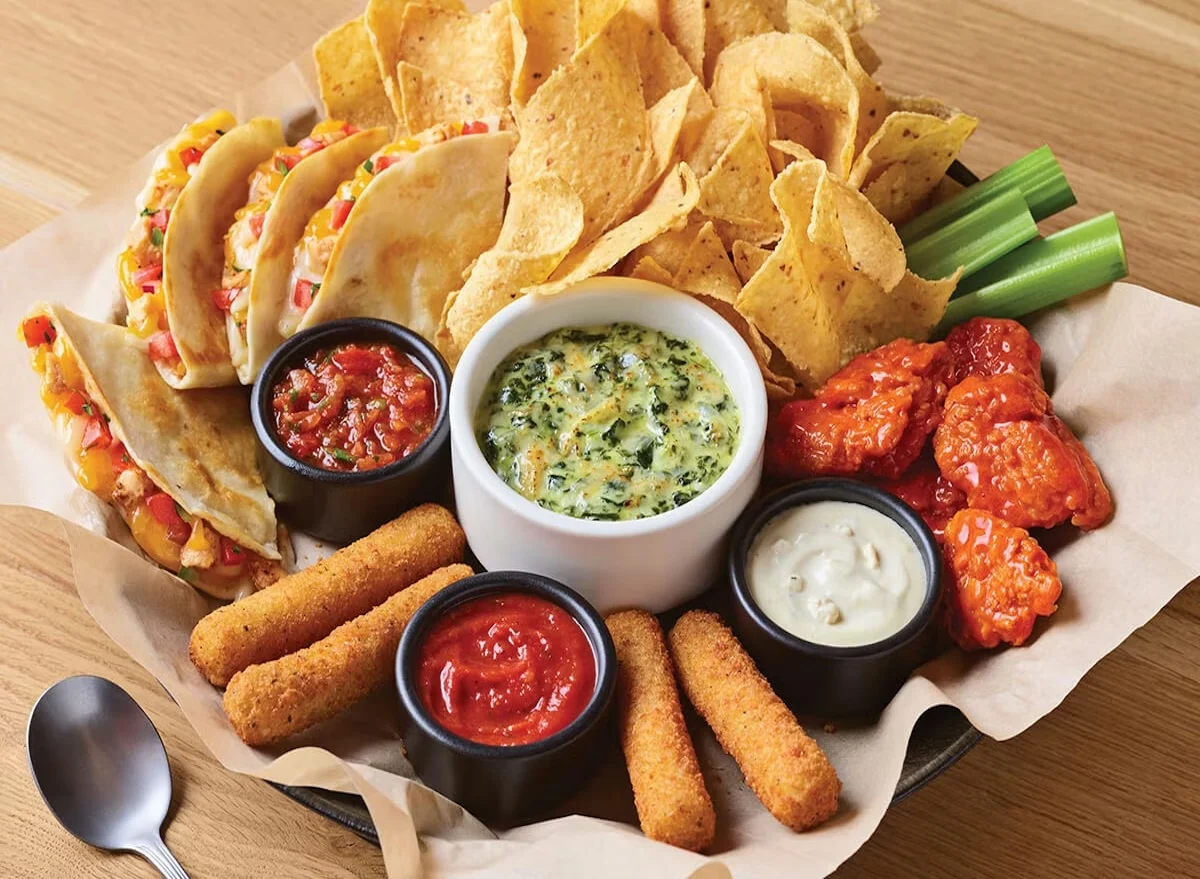
For many diners, the ritual of dining out at a national casual-dining chain begins the same way: a quick scan of the "Starters" section of the menu. These plates—often designed for communal enjoyment—are meant to whet the appetite before the main event. However, a closer look at the nutritional data reveals a startling reality. Many of these popular appetizers are not just "starters"; they are caloric juggernauts, often containing more energy than an average adult requires for an entire 24-hour period.
When we indulge in deep-fried, breaded, or cheese-laden delicacies, we are rarely thinking about the mathematical reality of our intake. Yet, as the culinary landscape of chain restaurants evolves, portion sizes and ingredient density have surged, creating a "calorie trap" that can easily derail even the most health-conscious diner.
The Anatomy of a Caloric Titan
The appeal of the appetizer is rooted in variety. Restaurants know that diners crave a "little bit of everything," which has led to the rise of the mega-platter. By combining wings, mozzarella sticks, quesadillas, and dips, restaurants create a sensory experience that feels like a bargain. However, from a nutritional standpoint, these items are often "nutrition-poor" despite being "calorie-dense."
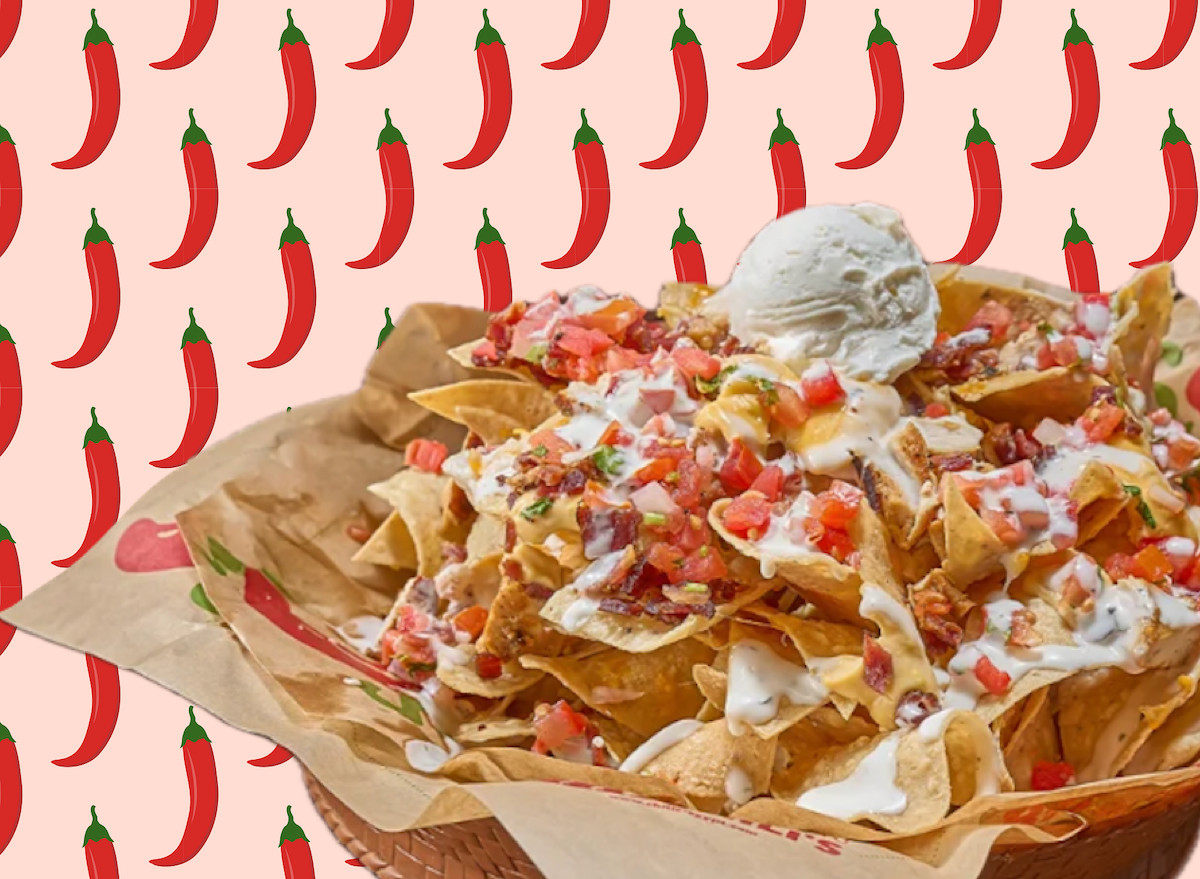
Deep-frying, high-sodium cheese blends, and sugar-heavy dipping sauces create a trifecta of excess that can push a single plate well past the 2,000-calorie mark—the standard daily intake recommendation for an average adult.
Chronology of the Super-Sized Starter
The trend toward larger appetizers didn’t happen overnight. It was a gradual shift in the casual-dining industry during the early 2000s, driven by a desire to increase "perceived value." As competition among chains intensified, the "platter" concept became a primary marketing tool.
- The Early 2000s: The introduction of "Combo Platters" allowed chains to combine multiple menu items into one high-priced, high-calorie vessel.
- The 2010s: The rise of "extreme" toppings. It was no longer enough to serve nachos; they had to be smothered in queso, bacon, and ranch, pushing calorie counts into the thousands.
- The Present Day: Despite increased transparency laws requiring caloric disclosure on menus, the popularity of these "shareable" items remains high, often serving as the primary source of caloric intake for guests who underestimate the density of the food on the table.
A Closer Look at the Data: Five Major Offenders
The following items are widely recognized by nutritional experts as some of the most calorie-dense appetizers currently found on major national chain menus.
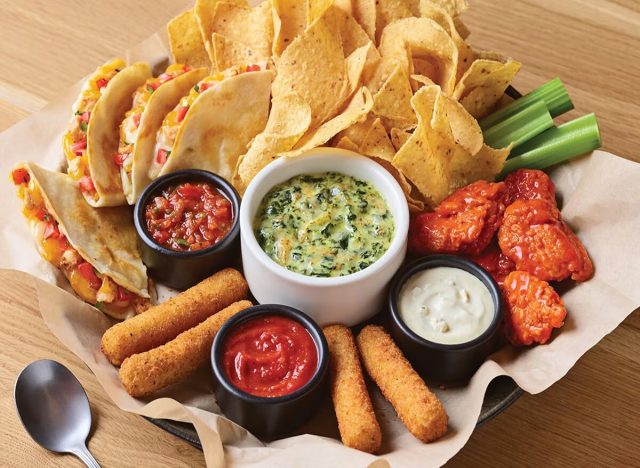
1. Applebee’s Classic Combo (2,270 Calories)
This platter is the quintessential example of the "everything-in-one" approach. By bundling boneless wings, spinach and artichoke dip, chicken quesadillas, and mozzarella sticks, the kitchen creates a meal that is, quite literally, four meals in one. The combination of breaded poultry and high-fat dairy creates a total energy load that can exceed the daily requirements of most individuals before the main course even arrives.
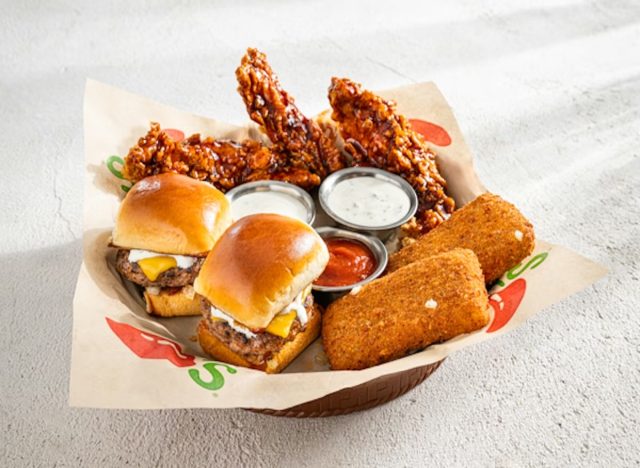
2. Chili’s Triple Dipper (Up to 3,040 Calories)
Chili’s Triple Dipper is perhaps the most flexible—and dangerous—item on this list. Depending on the consumer’s choice of components, this dish can fluctuate significantly in energy density. When paired with higher-calorie options like egg rolls or loaded sliders, the count can reach a staggering 3,040 calories. It serves as a reminder that "customization" in a restaurant setting often allows for unintended caloric stacking.
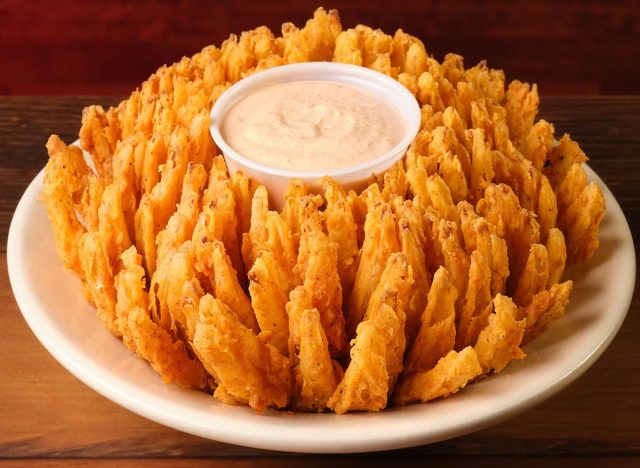
3. Texas Roadhouse Cactus Blossom (2,250 – 2,680 Calories)
The Cactus Blossom is a masterclass in the dangers of deep-frying. A single large onion, when battered and submerged in oil, becomes a sponge for fat. Once you factor in the signature Cajun dipping sauce—often packed with additional fats and sodium—the calorie count climbs rapidly. Adding ranch dressing on the side is the "tipping point" that pushes this appetizer toward the 2,700-calorie threshold.
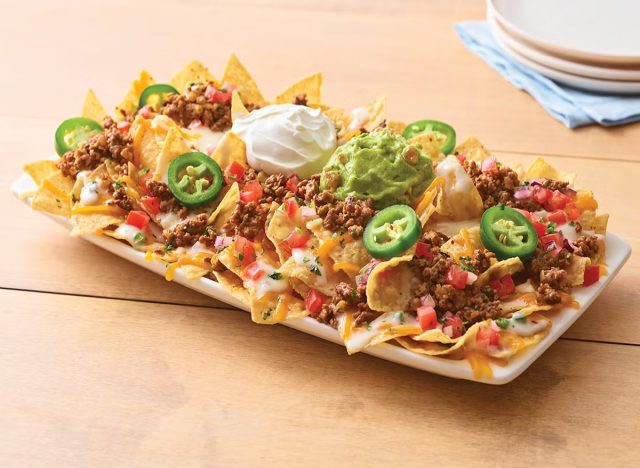
4. Applebee’s Neighborhood Beef Nachos (2,000 Calories)
Nachos are often deceptive. They are "snack food," which leads diners to believe they are lighter than a steak or a pasta dish. However, the combination of corn chips, seasoned ground beef, white queso, sour cream, and guacamole represents a massive concentration of refined carbohydrates and saturated fats. At 2,000 calories, this is a meal that provides zero nutritional balance, despite being labeled as a starter.
5. Chili’s Fried Mozzarella with Nashville Sauce (2,440 Calories)
The 6-count Fried Mozzarella with Nashville Sauce is a testament to the "Nashville Hot" trend that has swept the nation. While the spice is appealing, the preparation is not. The cheese is heavily breaded and fried, and the sauce adds a layer of sugar and fat. At 2,440 calories, this item is perhaps the most efficient way to exceed a daily calorie budget in a single sitting.
Industry Perspectives: The Response from Chains
In response to growing public scrutiny and federal mandates requiring the disclosure of caloric information, restaurant chains have adopted a "transparency-first" approach. Most major brands now provide detailed nutritional calculators on their websites and apps.
A spokesperson for a major national chain recently noted that these items are explicitly designed for parties of three or more. "Our goal is to provide shareable experiences," they stated. "The nutritional profile of these items is reflective of their nature as group-oriented appetizers. We encourage our guests to utilize the nutritional information available on our menus to make informed decisions that fit their dietary needs."
Despite this, critics argue that the "sharing" defense is a convenient narrative that ignores the psychological reality of eating. When a plate of food is placed in front of a group, the "unit bias" effect often leads individuals to eat more than they would if they were served an individual portion, regardless of the calorie count.
The Health Implications
The health consequences of frequenting these high-calorie appetizers are significant. Regularly consuming 2,000+ calories in a single appetizer is linked to:
- Metabolic Strain: Such a massive influx of calories, particularly from refined carbohydrates and saturated fats, triggers a sharp rise in blood glucose and insulin levels, putting stress on the metabolic system.
- Sodium Overload: These appetizers are notoriously high in sodium, which can contribute to temporary water retention, blood pressure spikes, and long-term cardiovascular stress.
- Weight Management Challenges: For individuals struggling with weight, "hidden" calories are the primary obstacle. A dinner that starts with a 2,000-calorie appetizer and continues with a 1,000-calorie entree is a recipe for rapid weight gain.
Navigating the Menu: A Path Forward
The solution is not necessarily to boycott these establishments, but to change the way we interact with their menus.
- Check the Stats First: Make a habit of checking the nutritional information before you leave your house. If a group plans to share a "Triple Dipper," be aware that the calorie count is equivalent to a full day of eating.
- Prioritize Protein and Vegetables: If you must order an appetizer, opt for items that are grilled, steamed, or fresh. Avoid anything with "crispy," "breaded," or "fried" in the description.
- The "Main Event" Strategy: If you choose to enjoy a high-calorie appetizer, treat it as your main meal. Do not order an entree. By limiting your order to the appetizer, you can enjoy the social aspect of the meal without the compounding effect of a second course.
- Practice Mindful Sharing: Instead of letting the platter sit in the center of the table, portion out a specific amount onto your own plate. Once that is gone, commit to stopping.
Ultimately, the responsibility rests with the consumer. While restaurants continue to serve these calorie-dense options to satisfy the demand for "indulgent" dining, the modern diner must be equipped with the knowledge to navigate these menus without sacrificing their long-term health. By understanding that an appetizer can often be a full day’s meal, we can turn a potential health pitfall into a more balanced and intentional dining experience.