











By Elise Reuter | Published May 26, 2026 | Updated May 27, 2026
In a troubling breach of medical device supply chain integrity, diabetes technology leader Dexcom has confirmed that two specific lots of its G7 Continuous Glucose Monitoring (CGM) sensors—products that were officially slated for destruction—were stolen, diverted, and ultimately sold to unsuspecting patients. The incident has triggered a nationwide alert, raising significant questions regarding the oversight of third-party waste management and the security of medical device distribution networks.
For patients managing diabetes, the G7 system is more than just a piece of technology; it is a critical health tool that provides real-time glucose data, enabling life-saving medical decisions. The presence of compromised, potentially defective hardware in the U.S. market represents a significant safety risk, prompting Dexcom to launch an urgent outreach campaign to identify and replace the affected units.
The Core Incident: From Destruction Facility to Pharmacy Shelf
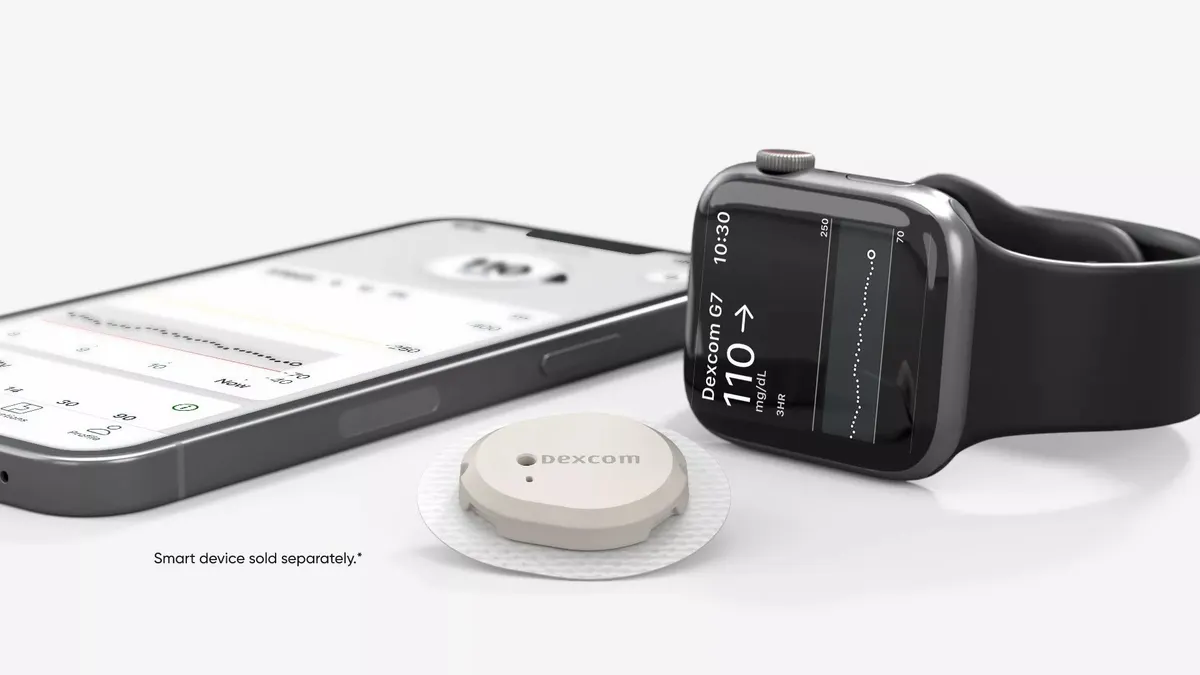
The Dexcom G7, known for its small form factor and integration with mobile devices, undergoes rigorous quality control. Units that fail to meet the company’s internal standards are pulled from the assembly line and designated for decommissioning. These sensors are not merely discarded; they are sent to third-party vendors for destruction and recycling to ensure that substandard or damaged technology cannot be repurposed or misused.
However, a security failure within this disposal pipeline allowed two specific lots of these sensors to be intercepted. Rather than being destroyed, the units were siphoned off and integrated into the commercial medical supply chain. Dexcom’s investigation revealed that the diverted products were eventually acquired by Pharmsource, a third-party distributor that supplies various independent pharmacies and durable medical equipment (DME) providers across the United States.
Because Pharmsource is not an authorized Dexcom distributor, these sensors bypassed the standard chain-of-custody protocols that protect patients from counterfeit or compromised medical equipment. Once the stolen units entered the inventory of retail pharmacies, they were dispensed to patients who believed they were receiving legitimate, factory-certified G7 sensors.
Chronology of the Disclosure
The timeline of the discovery and the subsequent public response highlights the complexities of tracking medical devices once they leave the manufacturer’s direct control.
- Manufacturing Quality Control: Dexcom identifies specific batches of G7 sensors that do not meet performance benchmarks. These units are formally marked for destruction.
- The Breach: During the transfer to a third-party destruction facility, unauthorized individuals access the inventory, effectively "stealing" the product from the scrap pile.
- Market Entry: The stolen units are sold to Pharmsource. Pharmsource, acting as a middleman, distributes these lots to various independent pharmacies and medical equipment suppliers.
- Detection: Dexcom’s internal tracking and subsequent investigation into reports of device anomalies lead the company to trace the hardware back to the unauthorized lots.
- Public Alert (May 26, 2026): Dexcom officially acknowledges the theft, launches a verification website for patients, and issues a call for all affected pharmacies to audit their current inventory.
- Response (May 27, 2026): Following an update to the initial reporting, Pharmsource issues a formal statement, asserting that it acquired the sensors from licensed distributors and was unaware of the illicit origin of the stock.
Supporting Data: Risks and Remediation
The primary risk associated with the stolen sensors lies in their original classification. Because these units were identified for destruction, they likely harbor manufacturing defects that could compromise their accuracy, Bluetooth connectivity, or physical integrity. In the context of insulin dosing, a sensor that provides inaccurate glucose readings or fails to communicate with a receiver can lead to dangerous clinical outcomes, including hypoglycemia or hyperglycemia.
Patient Safety Guidelines
Dexcom has been clear in its directive: patients currently using G7 sensors should verify their lot numbers immediately. To facilitate this, the company has established a dedicated receiver lookup portal.
The company is urging users to:

- Check the Lot Number: Locate the lot number on the packaging or the sensor applicator.
- Consult the Lookup Tool: Input the number into the Dexcom portal to confirm if the device is part of the stolen batches.
- Cease Usage: If a device is confirmed as part of the stolen lots, it should not be used.
- Request Replacements: Dexcom customer support is actively coordinating the shipment of verified, safe replacement sensors to affected users at no cost.
Official Responses and Accountability
The situation has created a public tension between the manufacturer and the intermediary distributor, with both parties pointing to systemic gaps in supply chain security.
Dexcom’s Position
Dexcom maintains that the integrity of its manufacturing process is paramount. The company has emphasized that it holds its third-party destruction vendors to strict standards. By tracing the stolen goods to Pharmsource, Dexcom is essentially forcing an industry-wide review of how medical supplies are handled by third-party waste management firms. The incident has clearly highlighted a vulnerability in the "cradle-to-grave" lifecycle management of medical hardware.
The Pharmsource Perspective
In an emailed statement, a spokesperson for Pharmsource defended the company’s operational integrity, noting that the sensors were purchased through what they believed to be legitimate, licensed distribution channels.
"We had no way of knowing the product had been slated for destruction," the spokesperson wrote. "Upon learning of the issue, we immediately audited our inventory and took remedial action." The company emphasized that it remains a third party with no involvement in the Dexcom-led destruction process and pledged to assist authorities in determining how the security protocols at the disposal facility were circumvented.
Broader Implications for the MedTech Industry
This incident serves as a significant case study in the vulnerabilities of the modern medical supply chain. As MedTech devices become increasingly sophisticated—moving from simple plastic components to complex, connected, data-transmitting hardware—the value of these products on the black market rises.

Supply Chain Security
The Dexcom incident forces a re-evaluation of how medical companies manage "scrap." Traditionally, destruction of defective medical devices has been viewed as a peripheral logistical task. Now, it must be treated as a high-security operation. Manufacturers will likely move toward more stringent chain-of-custody documentation, potentially requiring video evidence or third-party audits of the actual physical destruction process to prevent "leakage" into the secondary market.
Regulatory Oversight
Regulators, including the U.S. Food and Drug Administration (FDA), are likely to scrutinize this breach. The incident raises questions about the oversight of non-authorized distributors and the lack of transparency in the aftermarket for medical devices. Pharmacies and DME providers may face stricter requirements to verify the provenance of their inventory, moving away from cost-saving, independent wholesalers toward more direct, manufacturer-vetted supply channels.
The "Quality" Context
It is worth noting that this is not the first time Dexcom has faced scrutiny regarding the G7. Last year, CEO Jake Leach publicly addressed concerns regarding the G7’s initial rollout, including reports of sensor deployment errors, accuracy variances, and connectivity struggles. While the company maintained that those technical "kinks" had been ironed out, this new incident involving stolen, potentially inferior sensors could revive public anxiety regarding product reliability.
For a company that relies heavily on consumer trust to maintain its market share against competitors like Abbott and Tandem, the current challenge is two-fold: remediating the immediate safety risks for the affected patients while simultaneously reassuring the medical community that its supply chain is once again robust.
As the investigation continues, the focus remains on the "how"—how a batch of medical devices destined for a shredder or incinerator found its way into a retail box. Until those security protocols are tightened, the industry remains on high alert, and the incident serves as a stark reminder that in the world of connected health, the security of the hardware is just as vital as the security of the data it produces.