










Obsessive-Compulsive Disorder (OCD) is a complex, often misunderstood psychiatric condition that affects millions of individuals worldwide. Far from the colloquial "neat freak" persona often depicted in pop culture, clinical OCD is a debilitating mental health struggle characterized by intrusive, distressing thoughts—obsessions—that drive individuals to engage in repetitive, ritualistic behaviors—compulsions—in a desperate bid to neutralize anxiety.
For those living with the disorder, these symptoms are not mere quirks or personality traits; they are profound disruptions to daily life that consume time, drain energy, and impede personal and professional functioning. As we deepen our collective understanding of neurobiology and behavioral psychology, it is imperative to move past stigma and recognize OCD for what it is: a serious, yet treatable, medical condition.
Main Facts: Defining the Spectrum of OCD
At its core, OCD is defined by the presence of obsessions, compulsions, or both. Obsessions are involuntary, intrusive thoughts, urges, or images that cause significant distress. These are "ego-dystonic," meaning they are inconsistent with the individual’s true self-image. A person experiencing an obsessive thought about harming a loved one, for instance, does not actually want to cause harm; rather, the thought is a source of intense horror and anxiety.
Compulsions are the reactive behaviors or mental acts performed to "undo" or suppress the anxiety triggered by the obsession. Common manifestations include excessive hand-washing, constant checking of locks or appliances, mental counting, or repetitive ordering of objects.
Crucially, a diagnosis of OCD requires that these symptoms be time-consuming—typically occupying at least one hour per day—and that they cause significant impairment in social, occupational, or other areas of functioning. The individual must also possess a level of insight, recognizing that their behaviors are excessive or unreasonable, even if they feel powerless to stop them.
Chronology: From Early Signs to Clinical Diagnosis
The trajectory of OCD often begins in childhood or adolescence. Statistical data suggests that roughly one-third of adults currently suffering from the condition exhibited symptoms during their youth, with the average age of diagnosis occurring around 19.
- Childhood Onset: Early symptoms are frequently subtle, manifesting as an intense need for symmetry or repetitive questions directed at caregivers to seek reassurance.
- Adolescence: As academic and social pressures mount, symptoms often intensify. This period is critical, as untreated OCD during teenage years can lead to secondary issues, such as depression or social withdrawal.
- Early Adulthood: The transition into the workforce or higher education often triggers an escalation. The combination of newfound independence and external stress frequently leads individuals to seek professional help for the first time.
- Chronic Management: For many, OCD is a lifelong condition that fluctuates in severity. Symptoms are rarely static; they are highly reactive to stress, often spiking during periods of life transition, trauma, or burnout.
Supporting Data: The Scope of the Challenge
Over 3 million Americans are diagnosed with OCD each year. The prevalence of the disorder is remarkably egalitarian; it affects individuals regardless of gender, socioeconomic status, or cultural background. Despite this, the path to diagnosis remains long for many, often delayed by shame or the misconception that symptoms are voluntary.

Current research into the etiology of the disorder remains ongoing. While no single "OCD gene" has been identified, scientists point toward a confluence of factors:
- Genetic Predisposition: Studies of twins and families suggest a strong hereditary component, with OCD frequently clustering within families.
- Neurobiological Variations: Advanced neuroimaging has revealed differences in the communication between the orbital frontal cortex, the anterior cingulate cortex, and the basal ganglia—the brain regions responsible for impulse control and behavioral shifting.
- Environmental Triggers: Infections (such as PANDAS), early childhood trauma, and chronic stress are all recognized as potential catalysts that may "switch on" latent genetic vulnerabilities.
Official Perspectives: The Path to Recovery
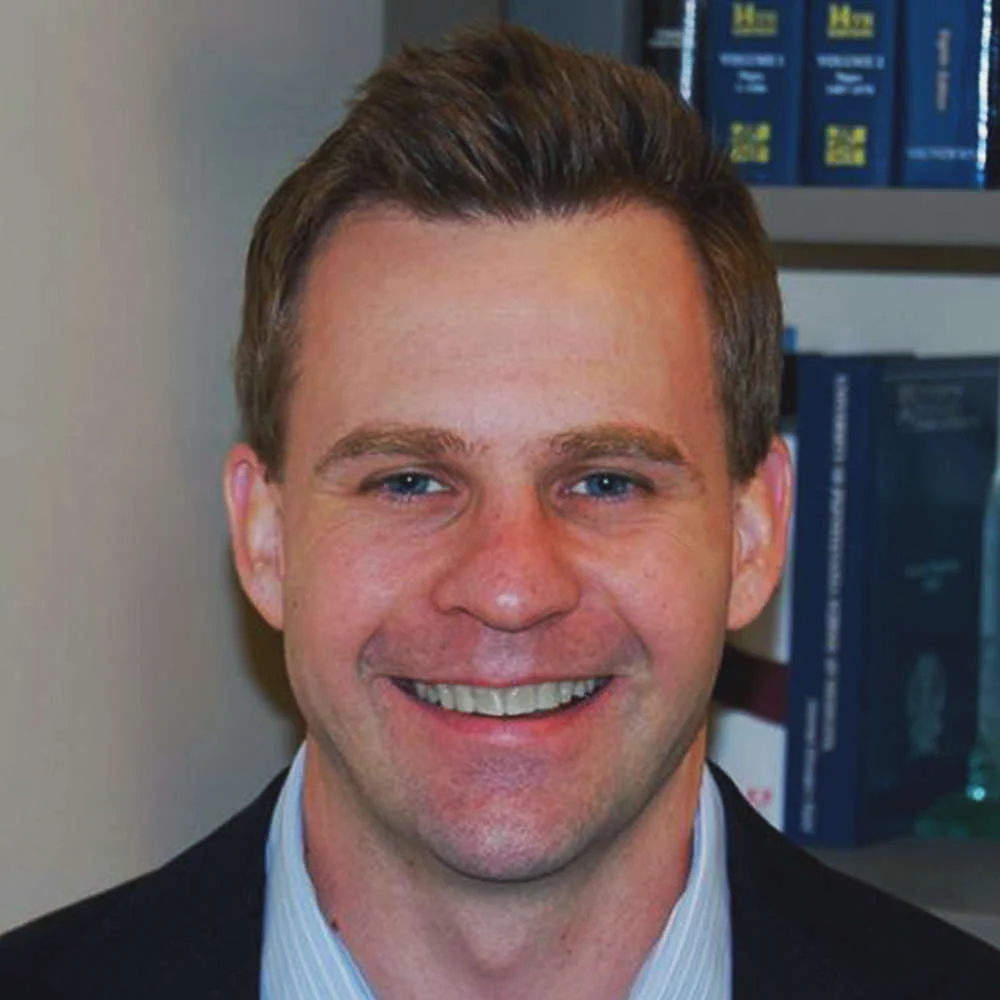
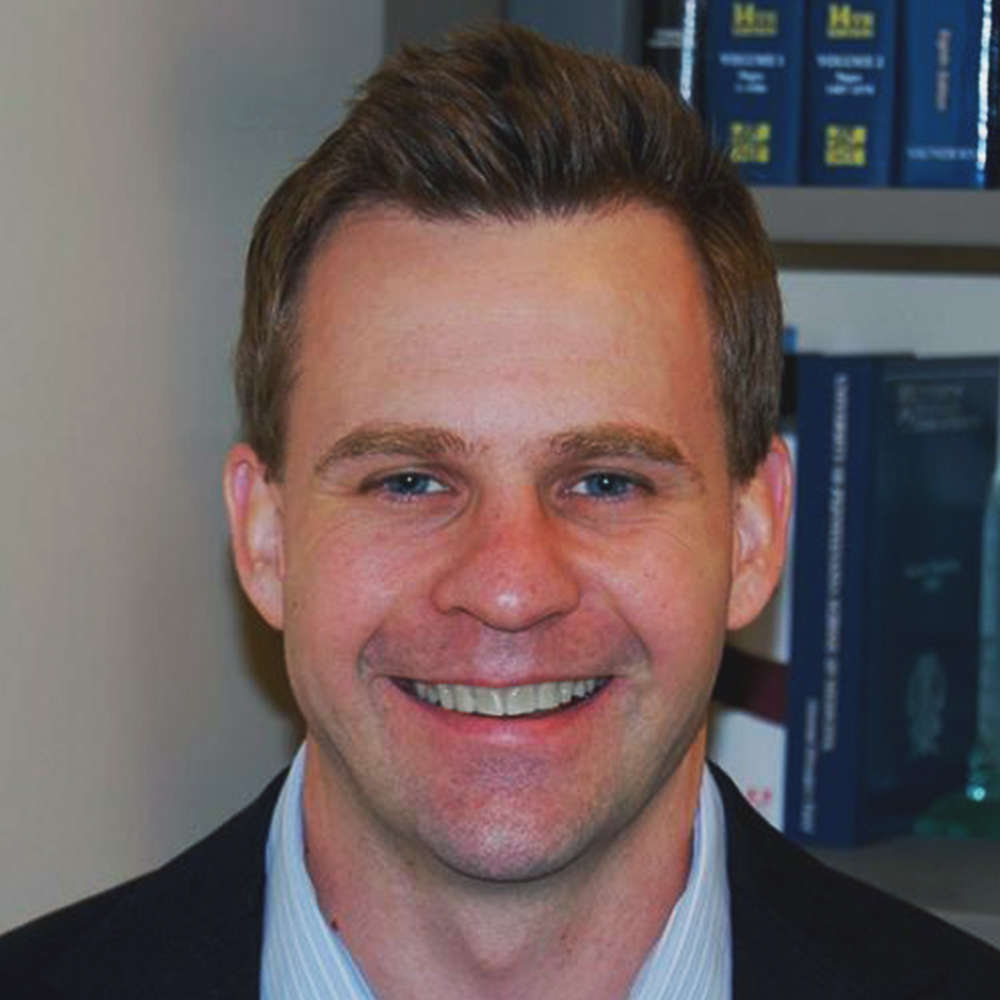
Leading experts, including Dr. Brian P. Brennan of Harvard Medical School and the Obsessive-Compulsive Disorder Institute at McLean Hospital, advocate for a multi-modal approach to treatment. There is a broad consensus that while medication can stabilize neurochemistry, it is rarely a standalone cure.
The Synthesis of Therapy and Medication
Most clinical protocols emphasize a combination of pharmacotherapy and psychotherapy. Selective Serotonin Reuptake Inhibitors (SSRIs) are the frontline medication treatment, as they help regulate the serotonin pathways that are often dysregulated in the brains of those with OCD. However, medication alone often leaves the underlying behavioral patterns intact.
Cognitive Behavioral Therapy (CBT) and Exposure Therapy
The gold standard for psychotherapeutic intervention is Exposure and Response Prevention (ERP). This specialized form of Cognitive Behavioral Therapy works by systematically exposing the patient to the triggers of their obsessions while simultaneously coaching them to resist the urge to perform the compulsive ritual.
For example, a patient with a contamination obsession might be encouraged to touch a "dirty" surface and then intentionally refrain from washing their hands. Through repetition, the brain undergoes a process of habituation, learning that the feared consequence of not performing the ritual does not occur. This rewiring of the brain’s threat-response system is the cornerstone of long-term recovery.
Implications: The Future of OCD Treatment
The landscape of OCD care is evolving. As we move away from purely symptomatic management, the focus is shifting toward "translational neuroscience"—the attempt to bridge the gap between bench-side research and clinical bedside care.
The Role of Holistic Wellness
While clinical interventions remain paramount, there is growing support for integrative practices. Mindfulness-based stress reduction, yoga, and meditation are increasingly utilized as supplementary tools. These practices do not cure the disorder, but they provide individuals with the emotional regulation skills necessary to navigate the "gap" between an intrusive thought and the impulse to act on it.
The Critical Need for Early Intervention
The implications of untreated OCD are severe, ranging from academic failure and job loss to the development of secondary mood disorders. The "hidden" nature of the disease, where patients spend years concealing their rituals out of embarrassment, remains a significant public health hurdle.
Public awareness campaigns, like those hosted by the Anxiety and Depression Association of America, are vital in normalizing the conversation. By reframing OCD not as a failure of willpower but as a neurobiological condition, we empower individuals to seek help earlier.
A Call to Action
If you or a loved one are experiencing symptoms that interfere with daily life, the most important step is consultation with a licensed psychiatrist or psychologist. Recovery is not a linear process, but it is a highly achievable goal. Modern medicine, combined with the rigorous application of behavioral therapy, offers a high success rate for those who commit to the process.
Ultimately, understanding OCD requires empathy. It is a disorder that traps the mind in a feedback loop of fear, yet with the right support, the cycle can be broken. As research continues to uncover the biological mysteries of the brain, the future for those living with OCD is brighter than ever, provided we continue to prioritize early access to care and evidence-based treatment strategies.
Disclaimer: This article is for informational purposes only and does not constitute medical advice. If you suspect you or someone you know is suffering from a mental health condition, please contact a qualified healthcare professional or a mental health crisis hotline immediately.