










For many individuals facing a cancer diagnosis, hair loss is far more than a cosmetic side effect; it is a profound loss of identity. As patients navigate the grueling landscape of chemotherapy, immunotherapy, and targeted therapies, the quest to reclaim their hair often leads them to the supplement aisle. Among the most popular, yet potentially perilous, remedies is biotin.
Widely marketed as a "miracle vitamin" for stronger hair and nails, biotin—also known as vitamin B7—has become a household staple. However, leading experts are now sounding the alarm. While the promise of regrowth is tempting, medical professionals argue that the scientific backing for biotin’s efficacy in cancer patients is thin, while the risks it poses to medical diagnostic accuracy are significant and often overlooked.
The Mirage of the "Miracle Vitamin"
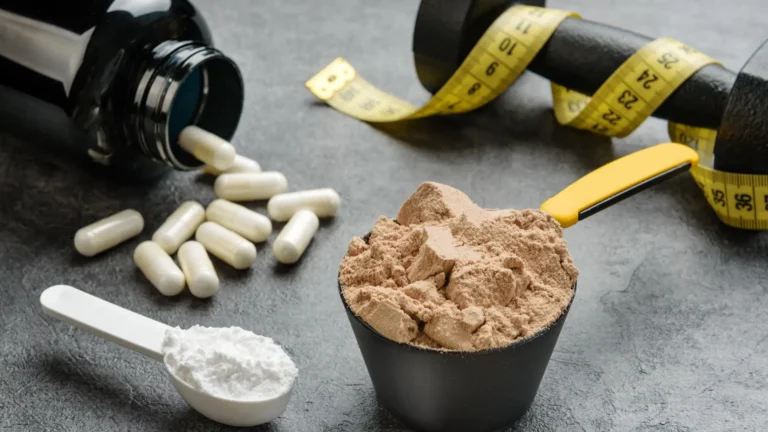
Biotin is a B-complex vitamin that plays a vital role in the body’s metabolic processes, specifically in the production of keratin, the protein that forms the structural foundation of hair, skin, and nails. Because of this biological function, the supplement industry has successfully positioned it as the go-to solution for anyone experiencing thinning hair.
Yet, true biotin deficiency is exceedingly rare in the modern, developed world. The nutrient is abundant in a wide variety of common foods, including eggs, dairy, meat, legumes, fruits, and vegetables. For the vast majority of people, the human body already receives sufficient amounts through a standard diet.
Brittany Dulmage, MD, an oncodermatologist at The Ohio State University Comprehensive Cancer Center, notes that the popularity of biotin is fueled largely by internet forums and word-of-mouth rather than clinical consensus. "People have the misconception that biotin supplements are harmless and there’s no reason not to take them," Dr. Dulmage explains. "The reality is that the supplements may cause inaccurate lab results, resulting in a delay or change in patients’ treatment plans."
Chronology of a Misconception
The rise of biotin as a supplement-industry powerhouse began in the mid-2010s, coinciding with the boom of "wellness influencers" and social media marketing. As more patients began to experience the hair-related side effects of cancer treatment, they turned to online communities for solutions that weren’t always provided by their primary oncology teams.
- The Rise (2015–2018): Biotin becomes the top-selling supplement for hair and nail growth. Patients, desperate to regain a sense of normalcy, begin self-prescribing high-dose biotin during and after chemotherapy.
- The Clinical Conflict (2019–2021): Laboratory scientists and oncologists begin noticing an uptick in "lab-test interference." Patients undergoing routine screenings for cancer recurrence or hormone levels show results that are medically inconsistent with their physical state.
- The Medical Call to Action (2022–Present): Research papers, such as those authored by Dr. Dulmage in JCO Oncology Practice, begin to formally document the correlation between biotin supplementation and dangerously inaccurate blood work. Medical institutions begin updating intake protocols to ask patients specifically about supplement use.
Supporting Data: The Science of Interference
The danger of biotin lies not in its biological effect on the cancer itself, but in its chemical effect on the laboratory assays used to monitor health. Many modern diagnostic tests use biotin as a "bridge" to bind proteins and measure hormone levels.
When a patient consumes high doses of biotin supplements, the excess vitamin floods the bloodstream. During a blood test, this excess biotin competes with the test’s own chemical reagents. The result is a skewed measurement—a phenomenon known as "biotin interference."
How the Distortion Occurs:
- False Suppression: Tests for thyroid-stimulating hormone (TSH) or prostate-specific antigen (PSA) may show artificially low levels. In cancer survivors, a falsely low PSA could mask a recurrence of prostate cancer, leading to a missed opportunity for early intervention.
- False Elevation: Hormones like estrogen or testosterone, which are critical in managing certain hormone-sensitive cancers, may show falsely high levels. This can lead physicians to delay life-saving therapy or prescribe unnecessary medication based on incorrect data.
- The Troponin Crisis: Perhaps most alarmingly, biotin can interfere with troponin tests, which are the gold standard for diagnosing a heart attack. Because heart attacks are emergencies, there is no time to "hold" a supplement to allow it to clear the system. A false-negative result could literally be a matter of life and death.
A Patient’s Perspective: The Case of Anna Malagoli
For Anna Malagoli of Columbus, Ohio, the desire to regain her hair was a natural response to the trauma of breast cancer treatment. "Your hair is very much a part of you," she says. "One of the first things you ask is, ‘Am I going to lose my hair?’ It’s such an important thing for people."
Like many others, Malagoli turned to the internet after her cancer went into remission. She began a regimen of high-dose biotin supplements without ever consulting her medical team about the potential for interaction. "The amount of information on the Internet can lead you in different directions. I was taking so much biotin it’s not even funny," she admits. "Nobody mentioned one word that biotin vitamins or minerals or supplements could interfere with your treatment or your testing."
The realization came only during a follow-up visit with Dr. Dulmage. Malagoli had been noticing that her lab results were erratic and simply didn’t match how she felt physically. "My lab results were inconsistent. They just didn’t balance out with what I was feeling, so that was a red flag," she recalls. The connection was finally made, highlighting the gap between patient-led "wellness" and evidence-based oncology.
Official Responses and Clinical Guidelines
The medical community is now moving toward a more proactive stance. Dr. Dulmage’s work serves as a directive to oncologists: they must have open, non-judgmental conversations with their patients about all supplements, not just prescriptions.
The current consensus is that the risks of biotin simply do not outweigh the limited, anecdotal benefits. Because biotin is readily available in a balanced diet, the need for high-dose supplementation is negligible for most patients.
For those who are adamant about continuing biotin, the clinical advice is strict:
- The 72-Hour Rule: If you must take biotin, you must cease supplementation at least 72 hours before any scheduled blood work.
- The "Better Off Without" Strategy: Dr. Dulmage advocates for the total discontinuation of biotin supplements, particularly for cancer patients who require frequent blood monitoring. The risk of an unexpected emergency—where testing for markers like troponin is required—makes the intermittent use of biotin a constant liability.
Implications: The Search for Proven Alternatives
If biotin is not the answer, what should patients do to address hair loss? The medical community emphasizes that effective, FDA-approved options exist, but they should always be discussed with a specialist.
Dr. Dulmage points to minoxidil (commonly known by brand names like Rogaine) as a superior, evidence-based alternative. Minoxidil is a topical medication available over the counter in lotions or foams. It has a long track record of safety and effectiveness for stimulating hair follicle growth.
"If you have been trying minoxidil for several months and not seeing any improvement, or want to know about other options, see a dermatologist," Dr. Dulmage advises. "There are many other types of treatments that may be an option."
For Anna Malagoli, the switch to minoxidil was a turning point. "I don’t know if my body just doesn’t assimilate the supplements as well, but minoxidil is definitely more effective long-term," she says. Her takeaway for other patients is simple yet vital: "I would say it’s super important to listen to your doctors and not just do your thing."
Moving Toward Integrated Care
The narrative of biotin use among cancer patients highlights a broader systemic issue: the lack of communication between the "wellness" world and the "clinical" world. As patients take more ownership of their recovery, they are often bombarded with conflicting, non-verified information.
The implication for the future of oncology is clear: medical teams must bridge this gap by providing transparent, patient-centered education early in the treatment process. By addressing the emotional necessity of hair regrowth and providing safe, evidence-based paths to achieve it, oncologists can protect their patients not only from the disease itself but from the unintentional, yet dangerous, consequences of well-meaning self-care.