











Updated May 29, 2026
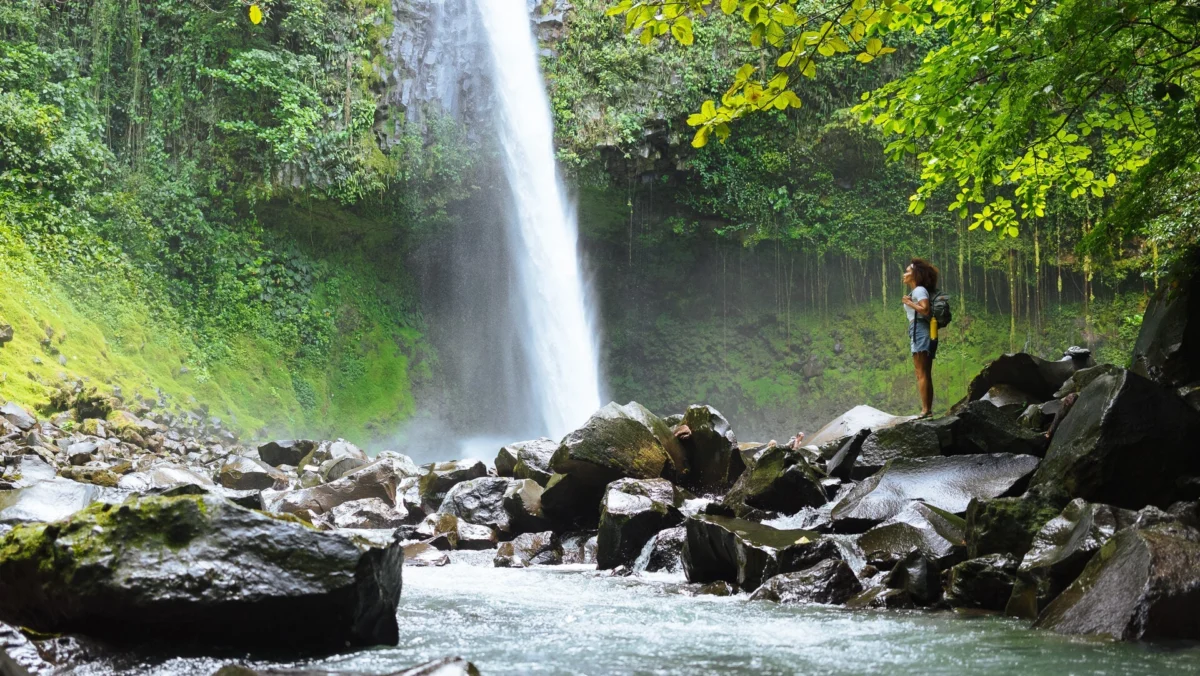
In the lexicon of modern travel, slogans are often dismissed as mere marketing fluff—glossy veneers designed to sell a destination. Yet, in Costa Rica, the phrase pura vida (pure life) acts as the nation’s gravitational center. It is not a tagline; it is a cultural mandate. Woven into the daily rhythm of life, it is heard at bustling airports, whispered in quiet surf lineups, and echoed by farmers as they prepare fresh guanábana batidos. To the Ticos and Ticas (Costa Ricans), it is a versatile linguistic Swiss Army knife, functioning as a greeting, a farewell, an expression of gratitude, or a shorthand for the belief that life is, fundamentally, good.
The Foundation of Happiness: A Statistical Reality
While many nations claim to prioritize the happiness of their citizens, Costa Rica has the data to back it up. According to the World Happiness Report, the nation consistently ranks as the fourth-happiest country on the planet. It stands as the only non-Scandinavian nation to consistently crack the top six, and the only representative from the Western Hemisphere to maintain a permanent fixture in the top ten.
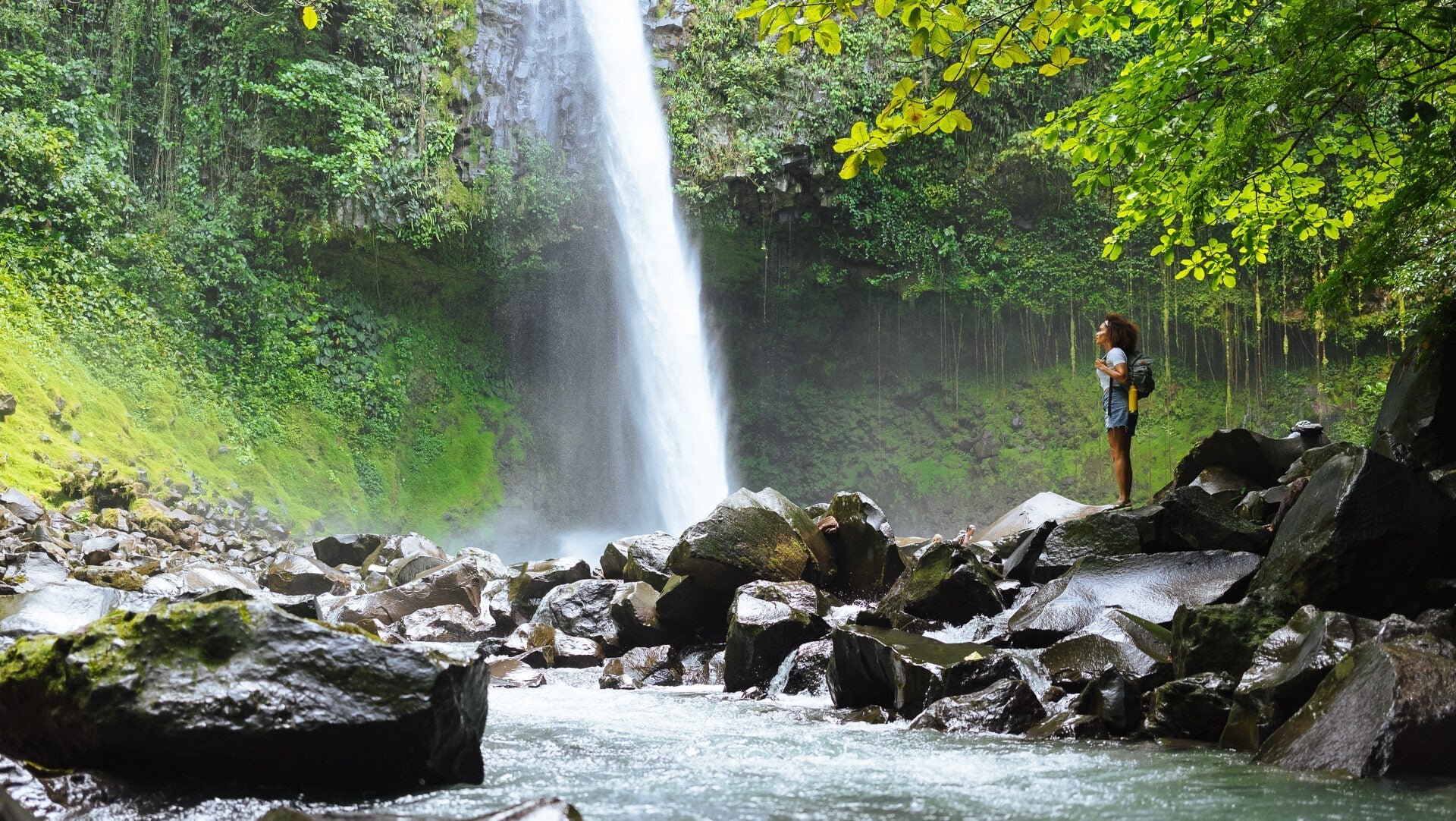
This distinction is even more remarkable when considering the country’s physical scale. Occupying a mere 0.03 percent of the Earth’s landmass, Costa Rica is a biological powerhouse, housing nearly six percent of the world’s known species. This biodiversity is not accidental; it is the result of a deliberate, decades-long national strategy. Today, more than 26 percent of the country is under official protection, managed through a robust network of national parks, biological reserves, and wildlife refuges.
A Chronology of Conservation and Culture
The transformation of Costa Rica into a global beacon for sustainable tourism did not happen overnight. Its trajectory was paved by specific institutional and social milestones:
- 1948: Costa Rica made the unprecedented decision to abolish its military, choosing to redirect funds toward education and environmental stewardship.
- 1970s–1980s: The country began formalizing its national park system, shifting away from resource exploitation toward eco-centric economic models.
- 1990s: The implementation of the Certification for Sustainable Tourism (CST) program set a new international standard for how the private sector interacts with the environment.
- 2019: The country unveiled its National Decarbonization Plan, aiming to achieve net-zero emissions by 2050, solidifying its role as a leader in climate policy.
- 2026: Modern-day Costa Rica serves as a blueprint for "regenerative travel," where tourism is explicitly designed to leave the land in better condition than it was found.
Wellness: The Intersection of Soul and Soil
In Costa Rica, wellness is not a niche market; it is an ambient condition. The country’s commitment to pura vida has fostered a landscape where the boundary between "vacation" and "transformation" blurs.
The Retreat Experience
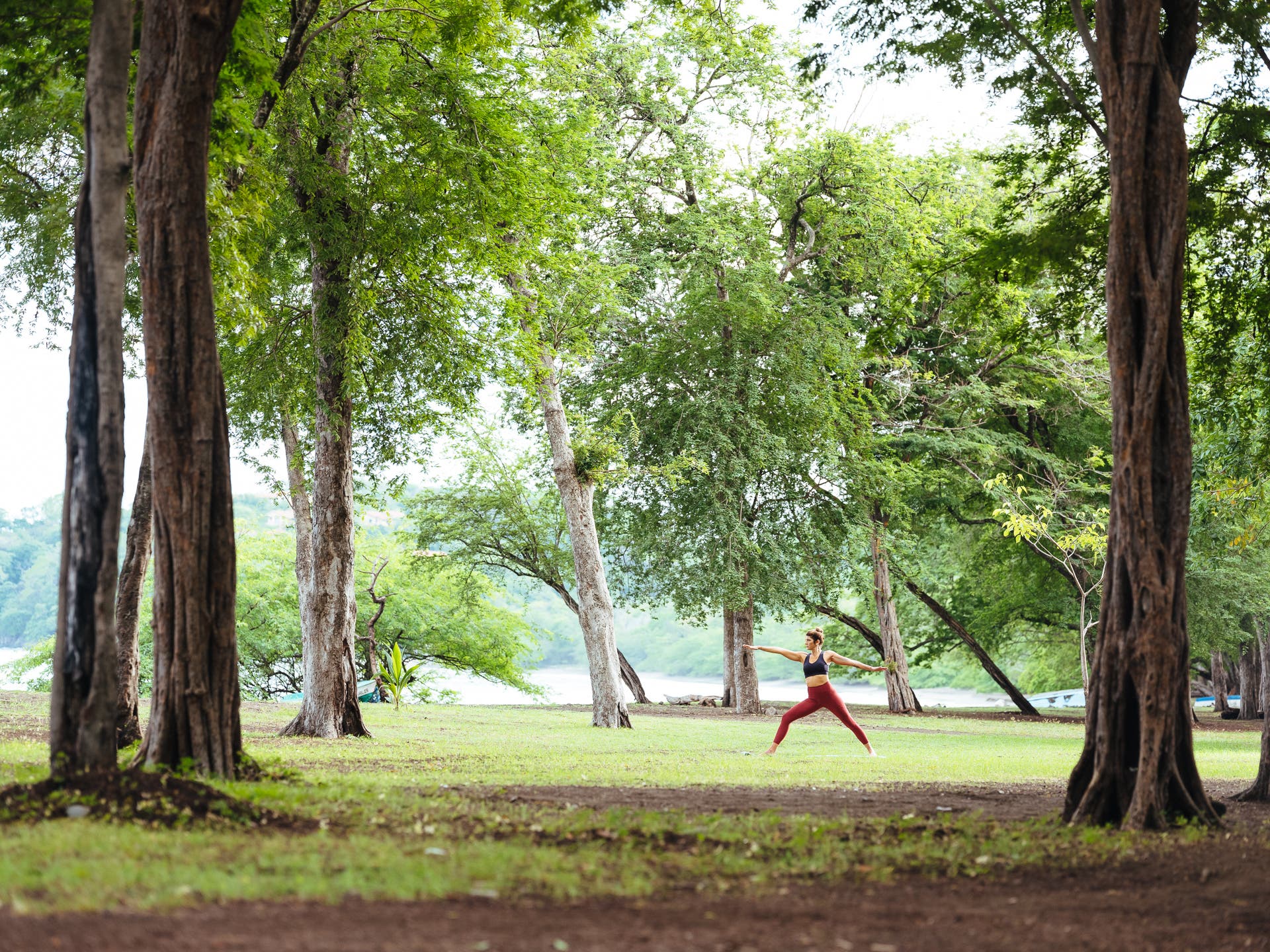
The hospitality industry here has evolved to facilitate deep reconnection. Destinations like "The Retreat"—situated on 50 acres of quartz-rich soil believed by many to possess distinct energetic properties—offer holistic programs that address everything from circadian rhythm restoration to nutritional counseling. Similarly, resorts such as Arenal Nayara Gardens utilize the proximity of the Arenal Volcano to provide restorative cacao ceremonies and treetop yoga, leveraging the natural environment to induce a state of calm that is difficult to replicate in urban environments.
The Agrarian Connection
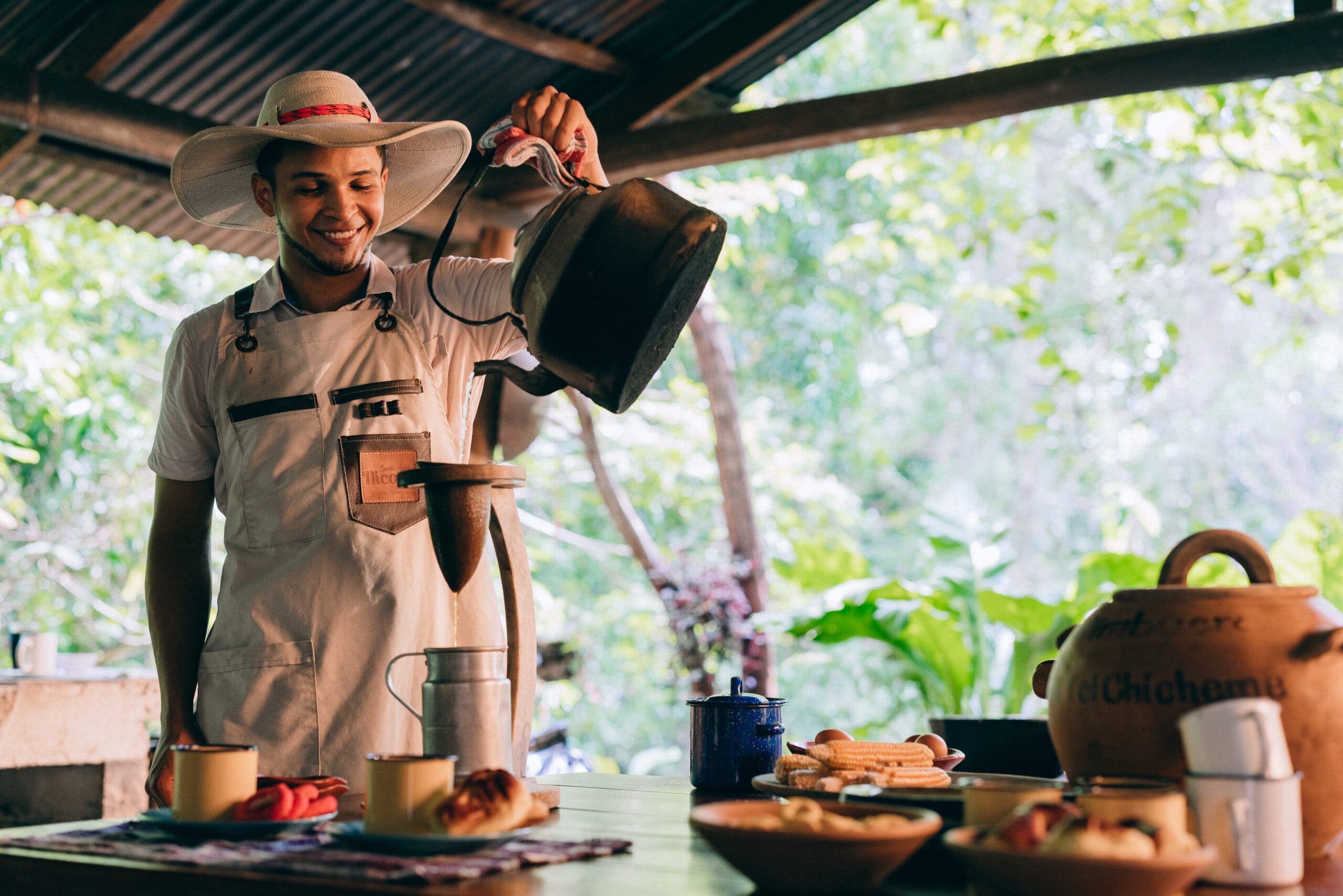
For many, the path to wellness begins with the cup. Costa Rica’s highland coffee farms, which surround the capital of San José, offer more than just a caffeine fix. Tours of these sustainably run fincas provide a look into shade-grown cultivation, where coffee plots serve as critical wildlife corridors. This marriage of agriculture and conservation highlights a fundamental truth about Costa Rican society: the health of the individual is inextricably linked to the health of the land.
Nature as a Catalyst for Discovery
Costa Rica’s geography is a collection of 12 distinct ecosystems, ranging from misty, orchid-crusted cloud forests to arid tropical dry forests and lush mangrove swamps.
Biodiversity and Guided Expertise
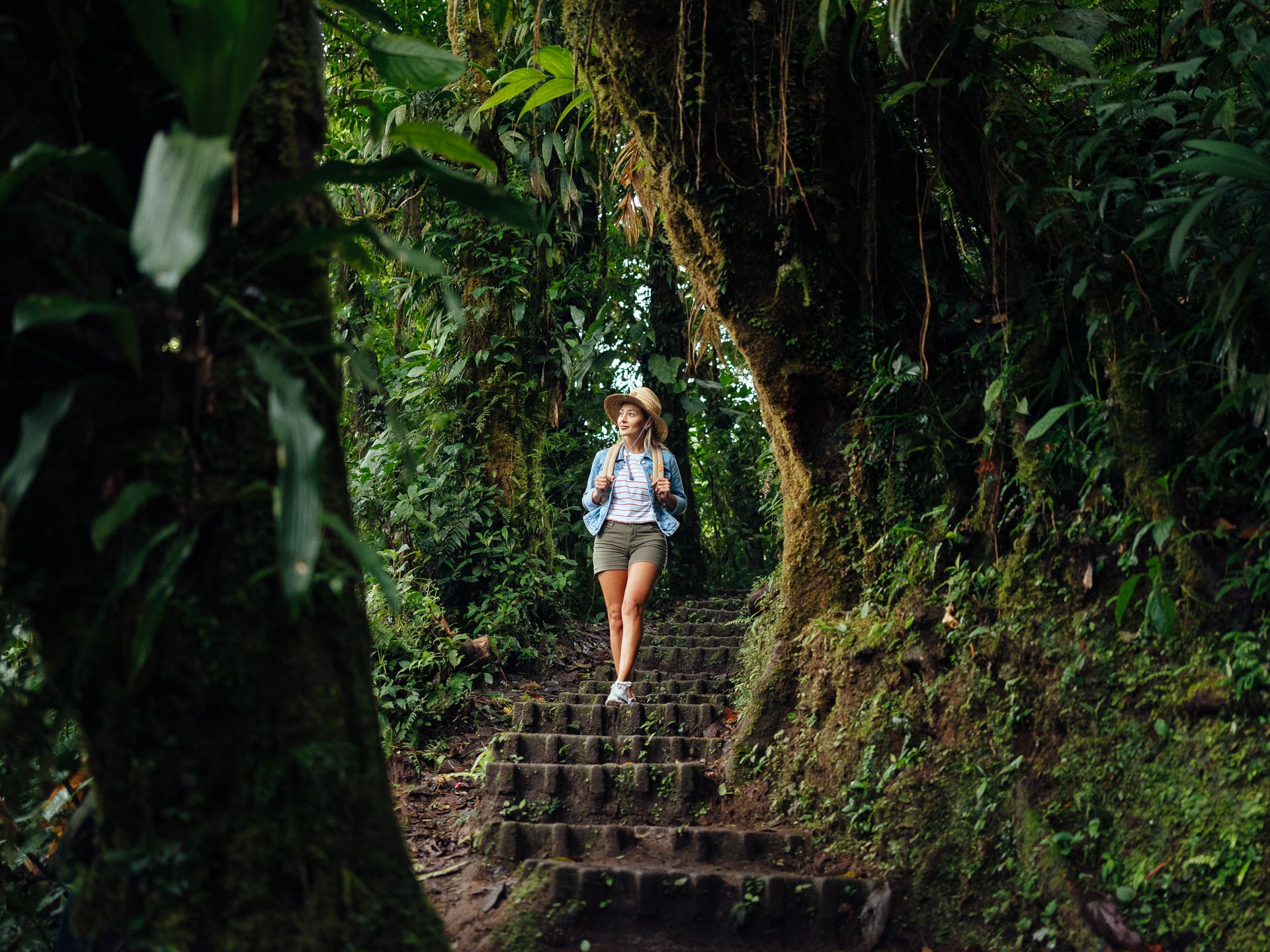
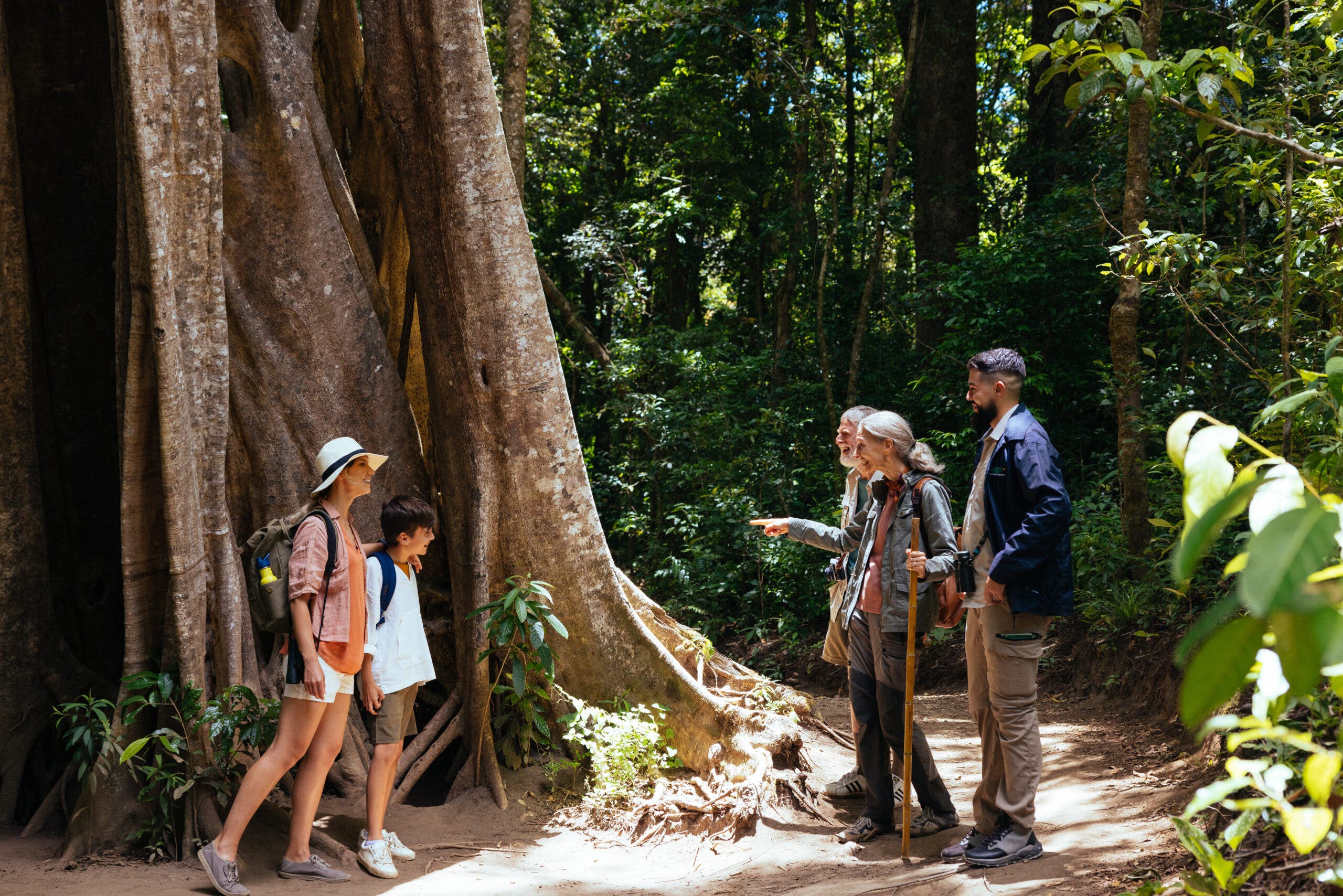
The Monteverde Cloud Forest Reserve and the Santa Elena Forest Reserve represent the pinnacle of high-altitude conservation. However, visitors often underestimate the complexity of these environments. A trained local naturalist is not merely a convenience but a necessity; while an untrained eye might see only dense greenery, a guide can pinpoint a thumbnail-sized frog or a slumbering sloth 60 feet above the forest floor.
The Caribbean Advantage
In the Caribbean lowlands, specifically within Tortuguero National Park, the landscape shifts entirely. Here, the absence of roads necessitates travel by boat through a labyrinthine network of canals. This region serves as a sanctuary for sea turtles, providing a rare opportunity for visitors to witness one of the planet’s most ancient life cycles in a setting largely untouched by modern industrial development.
Adventure: The Adrenaline of the Wild
Costa Rica’s topography—defined by volcanic peaks, deep river canyons, and rugged coastlines—makes it a natural amphitheater for adventure.
- Aviation and Canopy Tours: Near Arenal, zipline networks allow travelers to traverse primary forest canopies at high speeds, offering a perspective usually reserved for birds.
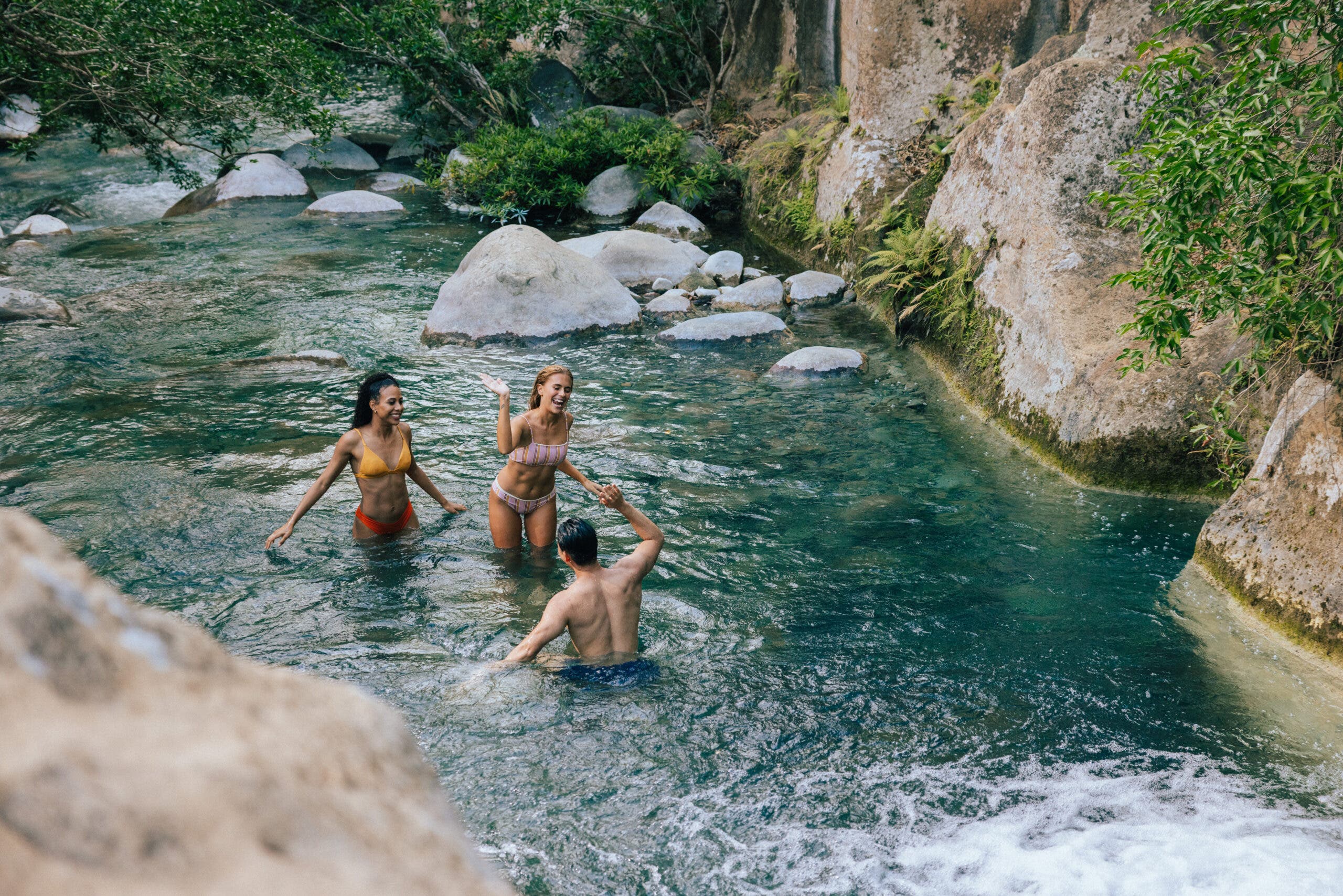
- Aquatic Thrills: The Pacuare River, which cuts through old-growth jungle, is widely considered one of the most scenic whitewater rafting experiences globally. The infrastructure supporting these activities—solar-powered ecolodges and locally-sourced catering—ensures that the adrenaline rush does not come at the expense of the ecosystem.
- Cultural Immersion: Adventure in Costa Rica also includes human connection. Collaborations with Indigenous communities, such as the Cabécar, offer travelers the chance to venture into the Talamanca Mountains with local experts, blending physical challenge with deep cultural learning.
Culinary Identity: The Flavors of Pura Vida
San José, often overlooked by travelers rushing to the coast, is the heartbeat of modern Costa Rican gastronomy. The city’s markets are overflowing with local produce that acts as a physical manifestation of the country’s biodiversity.
The national dish, gallo pinto, is a testament to the simplicity of the culture. A staple blend of rice and beans sautéed with onions, peppers, and cilantro, it is usually served alongside fresh eggs, fried plantains, and local cheese. Beyond the staples, the country’s fruit scene is unparalleled. Exotic varieties like cas, zapote, and rambutan provide flavors that are entirely distinct from the standardized produce found in international supermarkets.
Implications: A Model for the Future
The success of Costa Rica’s tourism model has significant implications for the global travel industry. By enshrining sustainability into the legal and economic framework of the nation, the government has proven that conservation is not a tax on economic growth, but a driver of it.
Official responses from the Costa Rican Tourism Board have consistently emphasized that the "Pura Vida" brand is a promise. Every lodge, tour operator, or transport provider that carries the CST certification has undergone rigorous vetting to ensure they are minimizing their carbon footprint and maximizing their support for local communities.
This systemic approach means that a traveler’s choice to visit is, in effect, an investment in the country’s future. It turns the act of vacationing into a participant-driven effort in environmental preservation.
Conclusion
Costa Rica remains a unique outlier in the global tourism landscape. It is a place where a small, mountainous nation has managed to harmonize the competing interests of development and protection. Whether through the lens of a camera in a cloud forest, the steam rising from a cup of shade-grown coffee, or the adrenaline of a whitewater rafting run, the essence of the country remains constant.
Visitors leave with more than just photographs; they carry with them the "healthy glow" of a philosophy that prioritizes gratitude, presence, and the stewardship of the natural world. In a world that is increasingly loud and disconnected, Costa Rica offers a rare, coherent vision of what life can be when it is lived with intention. As the locals say, pura vida—a simple phrase that holds the weight of a better way of living.