







At the age of 54, a time when many begin to contemplate the gradual transition toward retirement and the quiet comforts of their established routines, Ellen Lenox Smith was thrust into a radical, unforeseen metamorphosis. For years, she had navigated a labyrinth of unexplained physical ailments—strange, visceral reactions to common foods, mysterious medications sensitivities, and a susceptibility to injury that defied logical explanation. When the medical diagnosis finally arrived, it bore a name that would alter the trajectory of her existence: Ehlers-Danlos Syndrome (EDS).
For Smith, the initial sense of relief that comes with a diagnosis quickly curdled into a sobering reality. Researching the condition, she discovered that EDS is a group of genetic connective tissue disorders characterized by defective collagen—the "glue" that holds the human body together. It is progressive, systemic, and, as of current medical science, incurable. The narrative of her life, once defined by the vibrant activity of a mother of four, a middle school teacher, and a competitive swimmer, was suddenly rewritten by the stark parameters of chronic pain and physical instability.
A Chronology of Transformation: From Active Life to Chronic Illness
The life Smith lived prior to her diagnosis was one of enviable motion. A resident of a small family farm, she balanced the demanding roles of an educator and a mother while maintaining a rigorous athletic lifestyle. She was a master swimmer, a high school swim coach, a dedicated gardener, and an avid reader who found solace in the rhythm of ocean tides.
However, as the collagen in her body continued to fail, the architecture of her life began to crumble. The chronology of her decline was not marked by a single catastrophic event, but by a series of quiet, painful surrenders.
The Erosion of Routine
The first casualties were the professional and physical outlets that provided her with a sense of purpose. The classroom, which once served as her professional anchor, became an impossible environment. The physical toll of the job, combined with the sheer exhaustion of managing daily agony, rendered her unable to continue her tenure as a teacher.
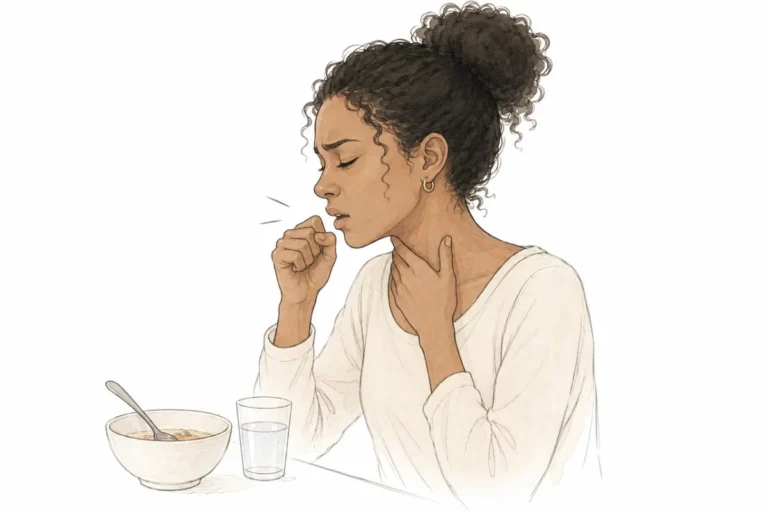
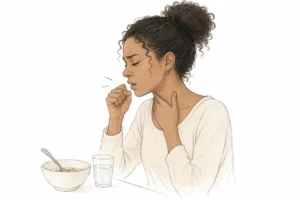
Following this, the surgical interventions began. Each procedure was an attempt to patch a system that was fundamentally compromised. As the condition progressed, simple movements—chewing a meal, turning her head to read, or even walking on sand—became fraught with the danger of subluxation, where joints slide painfully out of their sockets. Ultimately, for a four-year period, Smith was confined to a wheelchair, a stark symbol of the mobility she had lost.
Supporting Data: The Silent Burden of EDS
Ehlers-Danlos Syndrome is often referred to as an "invisible illness." Because the defects are structural and internal, the sheer scale of the suffering is frequently underestimated by the public and, occasionally, by the medical establishment.
Data from organizations like the Ehlers-Danlos Society suggests that patients often wait years, sometimes decades, for a definitive diagnosis. The condition’s prevalence remains a subject of ongoing research, as many cases go misdiagnosed or are labeled under broader categories of "chronic pain" or "fibromyalgia."
For those living with EDS, the clinical reality involves:
- Systemic Instability: Because collagen is found throughout the body, EDS can affect the heart, the digestive system, and the musculoskeletal structure simultaneously.
- Chronic Pain Management: Patients often face a lifetime of pain management, which carries its own risks, including potential reactions to pharmaceuticals.
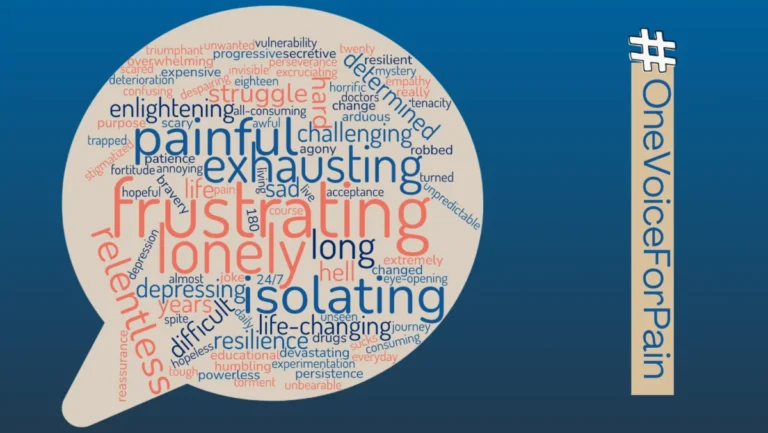
- The Psychological Toll: The grief of losing one’s former self is a significant, yet rarely quantified, component of the EDS patient experience.
The Advocacy Shift: Finding Meaning in the Face of Adversity
When faced with a life-altering diagnosis, the human spirit is often forced to choose between paralysis and reinvention. Smith’s journey represents the latter. Rather than allowing the diagnosis to serve as the definitive final chapter of her story, she chose to pivot.
Her transition from patient to advocate began with the U.S. Pain Foundation. Recognizing that her lived experience possessed a unique value, she began to channel her energy into systemic change. Alongside her husband, she took on the role of co-director of Cannabis Advocacy, seeking to broaden the discourse surrounding pain management and patient autonomy.
A New Purpose
Advocacy became the new "classroom." Smith began utilizing her voice to influence state-level policy and eventually took her message to Washington, D.C., advocating for better recognition and treatment standards for those suffering from rare, chronic, and under-recognized conditions. This shift allowed her to retain the core of her identity—that of an educator—even if the subject matter had changed from middle school curriculum to medical advocacy.
Furthermore, she found ways to maintain her connection to the physical world. While her neck is now fused and her arm mobility is restricted, she returned to the swimming pool. By adapting her strokes and technique to suit her new physical reality, she reclaimed the joy of movement, proving that even with chronic illness, the capacity for recreation and exercise does not necessarily have to be abandoned.
Official Responses and Medical Implications
The medical community is increasingly acknowledging that patients like Smith are not just subjects for treatment, but vital participants in their own care. The shift toward "patient-centered care" is particularly relevant for those with chronic, progressive conditions.
Medical experts argue that the management of EDS requires a multidisciplinary team—orthopedists, geneticists, pain management specialists, and therapists—who work in concert with the patient. The "official" response to such cases has evolved from mere symptom management to a more holistic approach that considers the psychological impact of living with a permanent, life-limiting condition.
Implications for the broader medical landscape include:
- Early Intervention: Increased public awareness could lead to earlier diagnosis, potentially preventing the years of "unexplained" injury that exacerbate the condition.
- Policy Advocacy: The efforts of groups like the U.S. Pain Foundation are critical in ensuring that legislative bodies recognize the specific needs of the chronic pain community.
- The "New Normal": Medical literature is slowly beginning to validate the necessity of the "mourning process" that chronic illness patients must go through to accept their new physical realities.
A Legacy of Resilience
The most poignant aspect of Smith’s journey is not the diagnosis itself, but the example she sets for her four sons. In an era where resilience is often discussed in abstract terms, her life offers a concrete model of how to navigate the inevitable hardships of the human condition.
"I know my sons are watching," Smith reflects. Her intention is not to project an image of perfection, but to demonstrate that even when the body fails, the human spirit can remain intact. By choosing to find joy, by choosing to advocate for others, and by choosing to adapt rather than retreat, she has redefined what it means to lead a meaningful life.
Conclusion: The Path Forward
For those currently navigating the onset of chronic pain or a life-altering medical diagnosis, Smith’s story serves as both a roadmap and a message of hope. The loss of one’s former life is a legitimate grief, but it is not the end of one’s story.
The process of finding new purpose is, as she notes, "daily work." It requires the courage to acknowledge that the life one had is gone, and the fortitude to build a new one in its place. Whether it is through advocacy, creative pursuits, or simple adjustments to how one interacts with the world, the search for meaning remains a viable and necessary endeavor.
As Smith reminds her readers, your plans may not look like they once did, but it is still worth it to create new ones. The road ahead for those with chronic conditions is rarely easy, but as the community of advocates, patients, and survivors continues to grow, it is a road that no one has to walk alone. In the end, dignity is not defined by physical capacity, but by the resolve to live one’s life fully, regardless of the limitations imposed by the body.