










Executive Summary
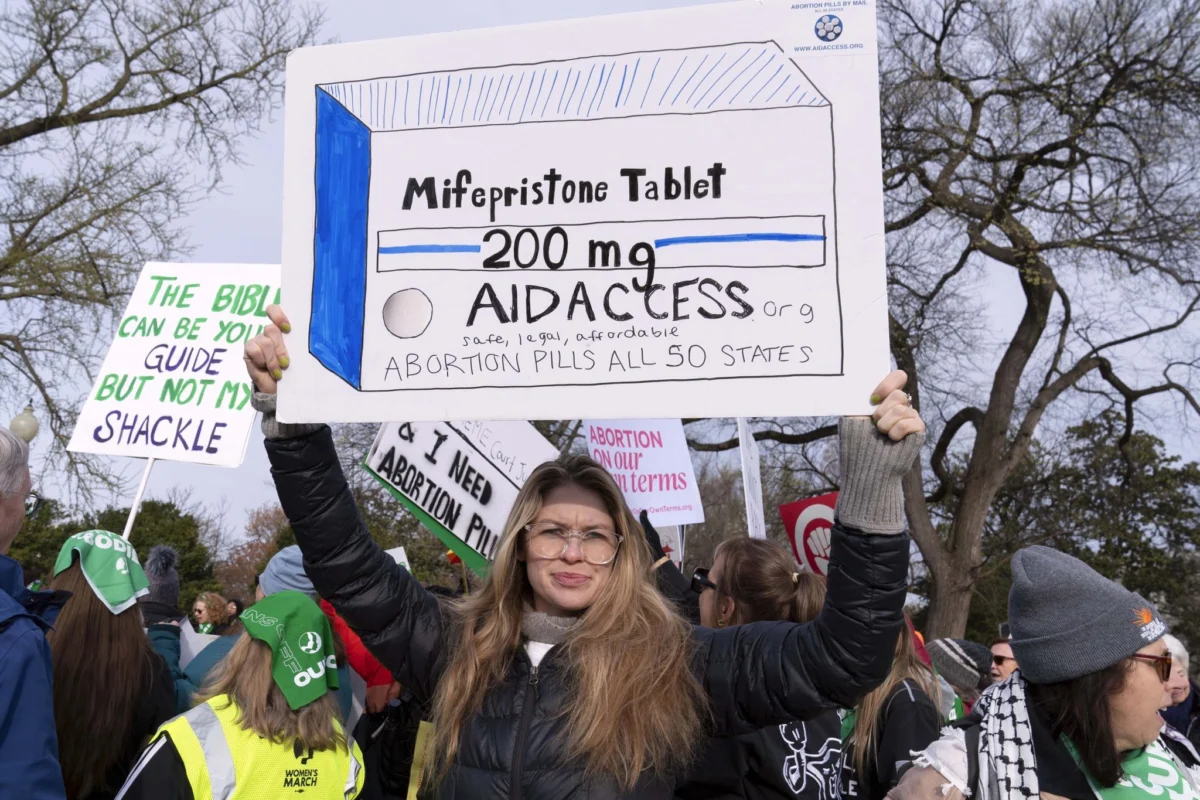
In a pivotal decision handed down on Thursday, May 14, 2026, the U.S. Supreme Court issued an unsigned order preserving the status quo for medication abortion access. The Court granted a stay that prevents the enforcement of a 5th U.S. Circuit Court of Appeals ruling, which would have effectively banned the delivery of mifepristone via mail and eliminated telehealth consultations for the drug.
For the time being, patients across the United States will continue to have access to mifepristone through established telehealth pathways and mail-order pharmacies. While the decision provides immediate relief to clinicians and patients, it is explicitly temporary, acting as a "holding pattern" while litigation regarding the Food and Drug Administration’s (FDA) regulatory authority over the drug proceeds through the lower courts. The ruling highlights the deepening fracture between federal regulatory standards and state-level efforts to restrict abortion access in the post-Dobbs era.
Chronology of a Regulatory Conflict
The legal journey of mifepristone has been marked by rapid shifts in policy and judicial intervention since the Supreme Court’s 2022 decision in Dobbs v. Jackson Women’s Health Organization.
- 2023: The FDA finalized new rules that permanently authorized the prescription of mifepristone via telehealth, allowing the medication to be dispensed through certified pharmacies and delivered via mail. This solidified temporary pandemic-era flexibilities into standard federal policy.
- Early 2026: The State of Louisiana initiated a lawsuit against the FDA, challenging the agency’s authority to authorize mail-order distribution, arguing that these federal rules infringed upon state sovereignty and bypassed local abortion restrictions.
- May 1, 2026: The 5th U.S. Circuit Court of Appeals ruled in favor of the plaintiffs, issuing a decision that would have mandated in-person dispensing for all mifepristone prescriptions, effectively ending the national telehealth model.
- May 11, 2026: The Supreme Court granted an administrative stay to prevent the immediate implementation of the 5th Circuit’s ruling while the justices reviewed the emergency application.
- May 12, 2026: FDA Commissioner Dr. Marty Makary resigned, creating a leadership vacuum during a period of intense regulatory scrutiny, with Deputy Commissioner Kyle Diamantas stepping in as acting head of the agency.
- May 14, 2026: The Supreme Court issued its formal order granting the stay, ensuring that current access methods remain legal while the merits of the case are debated in lower courts.
Supporting Data: The Prevalence of Medication Abortion
The significance of the Supreme Court’s intervention is underscored by the current landscape of reproductive healthcare in the United States. According to the Guttmacher Institute, medication abortion now accounts for approximately 63% of all abortions performed in the country, a significant increase from 53% in 2020.
This reliance on medication abortion—specifically the two-drug regimen involving mifepristone and misoprostol—has been facilitated by the expansion of telehealth. For residents of rural areas or states where in-person clinics have shuttered, telehealth provides the only viable path to care. The FDA’s 2023 decision to permit mail-order dispensing removed the "in-person" hurdle that once necessitated travel across state lines, often at great financial and logistical cost to the patient.
Official Responses and Judicial Dissent
The Supreme Court’s decision was not unanimous. Justices Samuel Alito and Clarence Thomas noted their dissent, with Justice Alito authoring a pointed critique of the current legal environment.
Alito expressed frustration regarding the emergence of "shield laws" in states like New York, Arizona, and Illinois. These laws are designed to protect clinicians who provide telehealth abortion services to patients located in states where such procedures are restricted. Alito wrote:
"One might think that Louisiana could stop or impede this out-of-state interference in its law enforcement by bringing civil actions or criminal charges against the participants in this scheme. But States have effectively blocked these efforts by enacting so-called ‘shield laws,’ which prevent Louisiana from visiting any adverse legal consequences on the perpetrators."
On the other side of the aisle, proponents of the FDA’s current framework, including manufacturers Danco Laboratories and GenBioPro, maintain that the FDA’s scientific and regulatory authority must remain absolute. They argue that if states are permitted to unilaterally dictate the distribution channels of federally approved medications, it would create a chaotic, fragmented pharmaceutical market that threatens the stability of all FDA-regulated drugs, not just those used for reproductive health.
Broader Implications for Healthcare and Law
The Threat to Federal Preemption
The core of this case—State of Louisiana v. FDA—is not merely about abortion; it is a fundamental challenge to the principle of federal preemption. If the 5th Circuit’s logic were to prevail, it would establish a precedent where states could potentially undermine FDA-approved distribution protocols for any medication they deem controversial. Legal scholars are watching closely to see if this case erodes the FDA’s long-standing role as the final arbiter of drug safety and access.
The Digital Health Landscape
For the digital health sector, this case represents an existential crossroads. Telehealth companies have built business models based on the assumption that they can provide services across state lines, provided they comply with federal regulations. The uncertainty surrounding interstate licensure and the "shield law" protections creates a volatile environment for investors and startups. If the Supreme Court eventually rules against the current telehealth model, it could trigger a "chilling effect" on the entire telemedicine industry, forcing providers to navigate a patchwork of 50 different state regulations rather than a singular federal standard.
The FDA’s Internal Crisis
The sudden resignation of Commissioner Dr. Marty Makary on May 12 has added a layer of institutional instability to the proceedings. Reports suggest that Makary was under immense pressure from multiple sides: conservative lawmakers dissatisfied with the FDA’s handling of abortion pill safety, and advocates pushing for more aggressive authorization of consumer products like flavored e-cigarettes. With Kyle Diamantas now leading the agency, the FDA is in a precarious position. The agency is currently tasked with conducting a secondary review of the safety and REMS (Risk Evaluation and Mitigation Strategy) requirements for mifepristone—a review that may determine the long-term future of the drug regardless of the judicial outcome.
Future Outlook: The Path Ahead
While the Supreme Court has preserved access for the moment, the underlying legal challenge is far from over. The case is expected to wind its way back through the court system, with a high probability of returning to the Supreme Court for a full merits review.
The outcome of that eventual review will likely redefine the scope of the FDA’s power in the 21st century. Will the Court uphold the agency’s scientific expertise as the supreme authority over medication distribution, or will it grant states the power to bypass federal regulations in the name of local moral or social policy?
For now, patients in need of medication abortion can continue to utilize telehealth services. However, the legal uncertainty remains a constant shadow over the industry. Clinicians, pharmacies, and patients alike are operating in a state of "wait and see," aware that the regulatory ground beneath them could shift with the next Supreme Court term. The battle over mifepristone is no longer just a debate about reproductive rights; it is a defining struggle over the structure of American governance and the authority of the federal government in the digital age.