











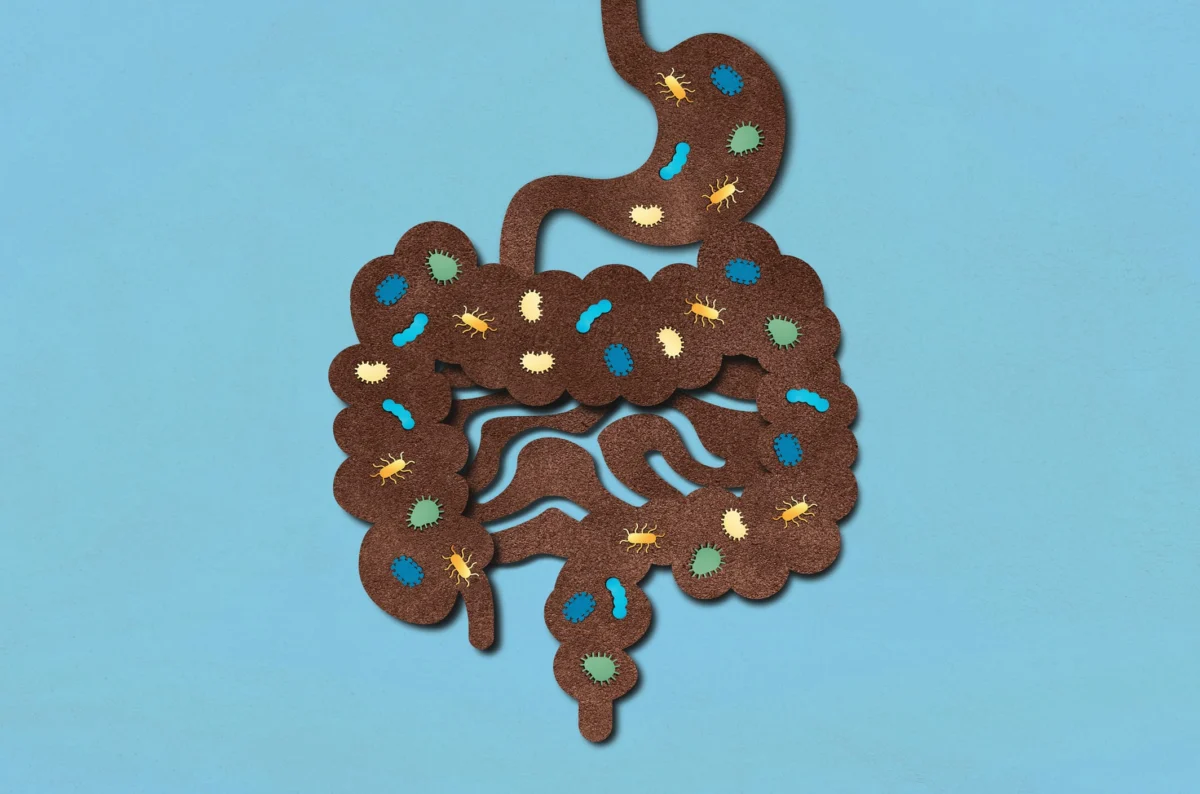
A groundbreaking literature review published in Brain Medicine has provided a comprehensive synthesis of the intricate relationship between the intestinal microbiome and the human sleep-wake cycle. Led by an international coalition of researchers from top-tier institutions in China and the United States, the study moves beyond the "gut-brain axis" as a theoretical concept, pinpointing specific microbial biomarkers that correlate with clinical sleep disorders, including narcolepsy, insomnia, and obstructive sleep apnea.
As medical science increasingly views the gut as the "second brain," this research suggests that the trillions of microorganisms residing in our digestive tracts are not merely bystanders; they are active, chemical architects of our nocturnal rest. By identifying dysbiosis—the disruption of the delicate microbial balance—as a potential driver of sleep disturbances, the review opens a promising new frontier for targeted, microbiome-based therapeutics.
The Core Evidence: Mapping the Microbial Landscape of Sleep
The researchers performed a rigorous examination of current literature to determine how shifts in microbial populations manifest as sleep pathology. The findings indicate that the "gut signature" of a healthy sleeper differs markedly from those suffering from chronic sleep disorders.
The Narcolepsy Connection
Perhaps the most striking findings center on Narcolepsy Type 1 (NT1). By comparing the microbial communities of NT1 patients with healthy control groups, the review identified significant disparities at the genus level. NT1 patients demonstrated a notable overabundance of Klebsiella, a genus often associated with inflammation. Conversely, they showed a depletion of beneficial bacteria such as Blautia, Barnesiella, and Lactococcus.
The study posits that this imbalance is not merely incidental but functional. The researchers observed that Coriobacteriales and Coriobacteriia levels were inversely correlated with total sleep duration and efficiency. Furthermore, the decrease in Lactococcus—a genus critical for immune modulation—was found to correlate negatively with the arousal index. This suggests that the fragmented, restless sleep characteristic of narcolepsy may stem from a chronic state of "immunological confusion" driven by an imbalanced gut environment.
Chronology of Discovery: From Anecdotal Links to Genomic Validation
The trajectory of research into the gut-brain axis has evolved rapidly over the past decade. The timeline of this field highlights the transition from broad observations to precise, genomic-level interventions.
- Early Foundations (2010–2015): Initial studies identified the basic existence of the gut-brain axis, observing that mice raised in germ-free environments exhibited altered stress responses and sleep patterns.
- The Rise of Metabolomics (2016–2020): Researchers began to focus on the chemical messengers produced by gut bacteria, specifically short-chain fatty acids (SCFAs), and their role in modulating the central nervous system.
- Targeted Biomarker Identification (2021–2023): Advancements in 16S rRNA sequencing allowed scientists to identify specific bacterial genera linked to sleep quality, paving the way for the current synthesis.
- Clinical Intervention Phase (2024–Present): The current review in Brain Medicine marks a shift toward therapeutic application, evaluating how probiotics, prebiotics, and fecal microbiota transplantation (FMT) can effectively treat sleep disorders.
Supporting Data: Beyond Narcolepsy
The review casts a wide net, illustrating that microbial dysbiosis is a common thread across the spectrum of sleep medicine.
Chronic Insomnia
In cases of chronic insomnia, the microbial profile is consistently marked by a loss of diversity. The research notes a widespread reduction in Ruminococcaceae species, which are vital for the production of butyrate—a fatty acid known to have neuroprotective properties. Furthermore, altered bile acid profiles were identified as a potential contributor to the hyper-arousal state often seen in insomniacs.
Obstructive Sleep Apnea (OSA)
OSA, often viewed strictly as a mechanical problem involving airway obstruction, is now being reconsidered through a metabolic lens. Patients with OSA exhibit reduced alpha-diversity, meaning the overall variety of bacterial species is compromised. Specific taxa have been found to correlate directly with the apnea-hypopnea index (AHI) and nocturnal oxygen saturation, suggesting that the systemic inflammation caused by OSA is exacerbated—if not partially sustained—by gut-derived toxins.
Circadian Rhythm and Parkinson’s Progression
The review also addressed the plight of shift workers. Those subjected to irregular sleep-wake schedules showed an uptick in Actinobacteria and Firmicutes, which are linked to increased intestinal permeability, or "leaky gut." Perhaps most alarming is the finding in REM sleep behavior disorder: the depletion of Butyricicoccus and Faecalibacterium appears to serve as a predictive hallmark for the future development of Parkinson’s disease, suggesting the gut microbiome could act as an early-warning system for neurodegenerative conditions.
The Biological Mechanisms: How Bacteria Regulate Sleep
How exactly do bacteria in the intestines affect the architecture of our sleep? The research highlights three primary biological pathways:
- Neurotransmitter Synthesis: Many gut bacteria are "factories" for neurotransmitters. They produce gamma-aminobutyric acid (GABA), the primary inhibitory neurotransmitter that calms the brain and promotes sleep. They are also significant producers of serotonin, a precursor to melatonin. When these bacterial colonies are disrupted, the supply chain for these sleep-inducing chemicals is compromised.
- Metabolite Protection: Short-chain fatty acids (SCFAs), particularly butyrate, serve as a defense mechanism. They travel through the bloodstream and cross the blood-brain barrier, exerting anti-inflammatory effects that stabilize the neural environment conducive to deep, restorative sleep.
- Immune Modulation: By maintaining the integrity of the intestinal wall, healthy microbiota prevent the translocation of pathogens and inflammatory molecules into the bloodstream. A disrupted gut leads to systemic inflammation, which is known to disrupt the hypothalamic-pituitary-adrenal (HPA) axis—the body’s central stress-response system—thereby inhibiting sleep.
Official Perspectives: Expert Commentary
Lin Lu, a professor at Peking University Sixth Hospital and a lead researcher on the review, emphasizes the shift in clinical perspective. "The gut microbiota is increasingly recognized as a key player in neurological and psychiatric health," Lu stated in a press release. "Our review demonstrates that disruptions in gut microbiota composition are closely linked to sleep disturbances across multiple disorders, reinforcing the need to look beyond the brain when treating sleep pathology."
However, Lu remains cautious about the current state of clinical application. "While significant progress has been made, important challenges remain," she noted. "We need larger, well-controlled clinical trials with standardized methodologies to validate therapeutic approaches and understand individual response variability."
The call for standardization is echoed throughout the report. Currently, inconsistencies in sample collection, DNA extraction methods, and sleep assessment tools across various global studies make it difficult to aggregate data. Harmonizing these techniques is the next great hurdle for the scientific community.
Implications for Future Therapy
The implications of this research are profound, potentially shifting the standard of care for sleep disorders from symptomatic treatment (like sedatives or CPAP machines) to disease-modifying interventions.
Probiotics and Prebiotics
Clinical trials are already showing that targeted probiotics can reduce cortisol levels and improve "sleep architecture"—the cyclical structure of light, deep, and REM sleep. By feeding the "good" bacteria with specific prebiotics, clinicians may be able to encourage the natural production of GABA and serotonin in the gut, offering a more sustainable, holistic alternative to synthetic sleep aids.
Fecal Microbiota Transplantation (FMT)
While still in its infancy, FMT—the transfer of stool from a healthy donor to a patient—has shown promise in small-scale studies for treating severe insomnia. By resetting the entire microbial ecosystem, FMT may address the root cause of dysbiosis rather than merely masking the symptoms.
Precision Medicine
The future of sleep medicine may involve "microbial profiling." By sequencing a patient’s gut bacteria, clinicians could theoretically prescribe personalized diets or targeted microbial supplements tailored to an individual’s unique bacterial deficiencies. This transition from "one-size-fits-all" medication to precision microbial therapy could revolutionize how we approach chronic sleep disorders.
Conclusion
The synthesis provided by the Brain Medicine review is a clarion call to the medical community: the secret to a good night’s sleep may very well lie in our gut. As research continues to unravel the complex dialogue between our digestive system and our neurological health, the focus of medicine must broaden. By treating the microbiome as an essential organ of sleep regulation, we may finally be able to offer relief to the millions of people worldwide who struggle to find rest in an increasingly fragmented, sleepless world.