










As we navigate the later chapters of life, the focus on physical health often shifts from high-intensity aesthetics to functional longevity. While many prioritize cardiovascular health or upper-body mobility, there is a silent powerhouse that determines our day-to-day quality of life: the lower body. Maintaining robust leg strength is not merely a goal for athletes or marathon runners; it is the fundamental requirement for independence, balance, and sustained mobility as we age.
Recent expert analysis suggests that a simple, eight-minute routine performed from the comfort of your bed can be more effective for those over 55 than traditional gym machinery. By leveraging the body’s own weight and the unique surface of a mattress, individuals can restore strength, stabilize joints, and improve cardiovascular efficiency without the harsh impact associated with heavy lifting.
Main Facts: The Anatomy of Independence
The lower body serves as the structural foundation of the human frame. It houses the largest muscle groups—the glutes, quadriceps, and hamstrings—which are vital for performing the basic tasks of daily living: walking, climbing stairs, rising from a chair, and maintaining balance.
According to Rebecca Bossick, a respected Chartered Physiotherapist and co-founder of One Body LDN, the primary obstacle to maintaining this strength is the modern lifestyle characterized by prolonged sitting. "Glute bridges, for instance, target the largest and most powerful muscle group in the lower body, which tends to further weaken due to inactivity," Bossick notes.
The philosophy behind this "bed-based" training is simple yet profound: the mattress acts as a mild, unstable base. Unlike the rigid, fixed path of a gym machine, a bed forces the body to engage stabilizing muscles that are often neglected, leading to better functional coordination and a reduced risk of falls.
Chronology: A Morning or Evening Ritual
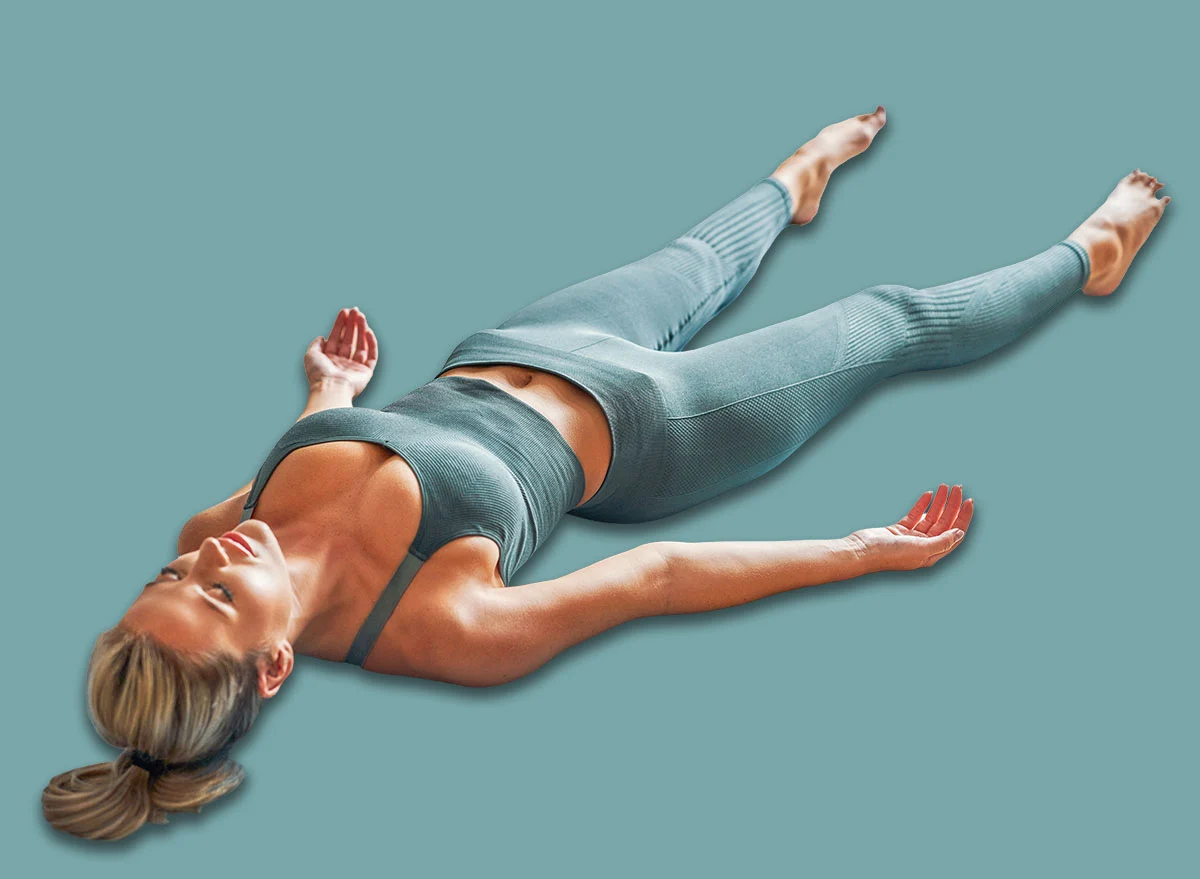
This routine is designed to be completed in just eight minutes, making it an accessible "bookend" to your day. Whether you perform these movements upon waking to lubricate your joints or before sleep to relieve the tension of a sedentary day, the progression remains the same:
- Glute Bridges (2 Minutes): By activating the posterior chain, you create the necessary foundation for spinal support and hip health.
- Straight-Leg Raises (2 Minutes): Focused on the anterior chain, this movement strengthens the quadriceps and hip flexors without putting torque on the knee joint.
- Hip Abductions (2 Minutes): By working the outer thighs and lateral stabilizers, you enhance your balance, which is the primary defense against accidental trips and falls.
- Sit-to-Stand (2 Minutes): The ultimate functional exercise, this movement mimics the essential task of getting out of a chair, ensuring that your neuromuscular pathways remain sharp.
Supporting Data: Why the Bed is Better Than the Bench
For individuals over 55, the primary concern in any exercise program is joint preservation. Traditional weight machines often place linear, high-impact stress on the knees and hips. Conversely, performing these exercises on a bed offers several advantages:
- Low Impact: The cushioning of a mattress absorbs shock, protecting sensitive joints.
- Neuromuscular Engagement: The "unstable base" provided by a bed requires the brain to recruit more stabilizer muscles than a rigid gym floor would.
- Zero Barrier to Entry: By removing the need for a gym membership or heavy equipment, the likelihood of consistency increases dramatically. Consistency is the single greatest predictor of strength gains in the aging population.
Research into aging and sarcopenia—the natural loss of muscle mass—indicates that resistance training is essential for maintaining metabolic health. Because muscles are metabolically active, stronger legs help regulate blood sugar and support cardiovascular health, effectively keeping the body "younger" from the inside out.
Official Expert Insight: The Physiotherapist’s Perspective
Rebecca Bossick emphasizes that the routine is carefully constructed to cover the three main pillars of lower limb function: the posterior chain, the anterior chain, and the lateral stabilizers.
"The bed is a plus here," Bossick explains. "It offers a rather unstable base that requires you to use more stabilizing muscles. These exercises don’t put stress on the joints and have no need for equipment, making them an ideal starting point for anyone looking to reclaim their mobility."
Bossick’s expertise highlights a critical shift in modern physiotherapy: moving away from the "no pain, no gain" mentality of the past and toward a model of "functional preservation." By focusing on the muscles that allow us to interact with our environment, we create a safeguard against the frailty that often defines late-life mobility loss.
Detailed Breakdown of Exercises
Glute Bridges: Awakening the Posterior Chain
The gluteal muscles are the engine of the lower body. When they become dormant, the lower back often compensates, leading to chronic pain. By lying flat and lifting the hips, you engage the glutes, hamstrings, and lower back in a controlled, safe movement.
Straight-Leg Raises: Protecting the Knees
Knee pain is a leading cause of sedentary behavior. Straight-leg raises strengthen the quadriceps—the muscles responsible for stabilizing the kneecap—without the grinding motions of a squat or leg press. This creates a "muscular brace" around the knee joint.
Hip Abductions: The Key to Balance
Balance is largely a function of hip stability. The lateral stabilizers, which move the leg away from the midline, are often the first to atrophy. By performing abductions while lying on your side, you improve your gait and lateral stability, significantly reducing the likelihood of a fall during everyday movement.
Sit-to-Stand: Mastering Daily Life
This is the "gold standard" of functional fitness. By training the body to transition from a seated position on the bed to a standing position, you are practicing the very movement required to maintain independence. It trains the brain-muscle connection, improving the speed and safety with which you can rise from any chair or surface.
Implications: Building a Foundation for the Future
The implications of this routine extend far beyond the bedroom. When we prioritize the strength of our legs, we are essentially investing in a longer, more autonomous life. The transition from "needing help" to "maintaining independence" is often decided by the strength of the quadriceps and the stability of the hips.
Furthermore, the psychological benefit of such a routine cannot be overstated. Engaging in a daily, successful physical practice builds self-efficacy. It proves to the individual that they are still capable of improvement, regardless of their chronological age.
In conclusion, this eight-minute program provides a blueprint for healthy aging. It does not require a gym, expensive equipment, or hours of free time. It only requires a mattress and a commitment to one’s own longevity. By dedicating a fraction of your day to these movements, you are ensuring that your "golden years" remain active, mobile, and, most importantly, your own.
As we look toward the future of geriatric health, the focus must remain on these accessible, evidence-based practices that honor the body’s need for movement while respecting its need for recovery. Start small, stay consistent, and remember: your legs are the pillars of your life. Keep them strong, and they will support you for years to come.