










In the modern wellness landscape, the human gut has graduated from a simple digestive organ to the status of a “second brain.” With an increasing body of research linking the microbiome to immune function, mental health, metabolic rate, and systemic inflammation, public interest has reached a fever pitch. However, as the market becomes flooded with probiotics, prebiotics, and specialized dietary protocols, the fundamental truth of gut health is often obscured: the most potent interventions are not found in a capsule, but on the dinner plate.
Recent expert consensus suggests that while the microbiome is a complex, evolving ecosystem, the primary driver of its health remains dietary consistency. For those seeking long-term vitality, the shift away from reactive supplementation toward proactive, foundational habits is not just recommended—it is essential.
Main Facts: The Pillars of Gut Resilience
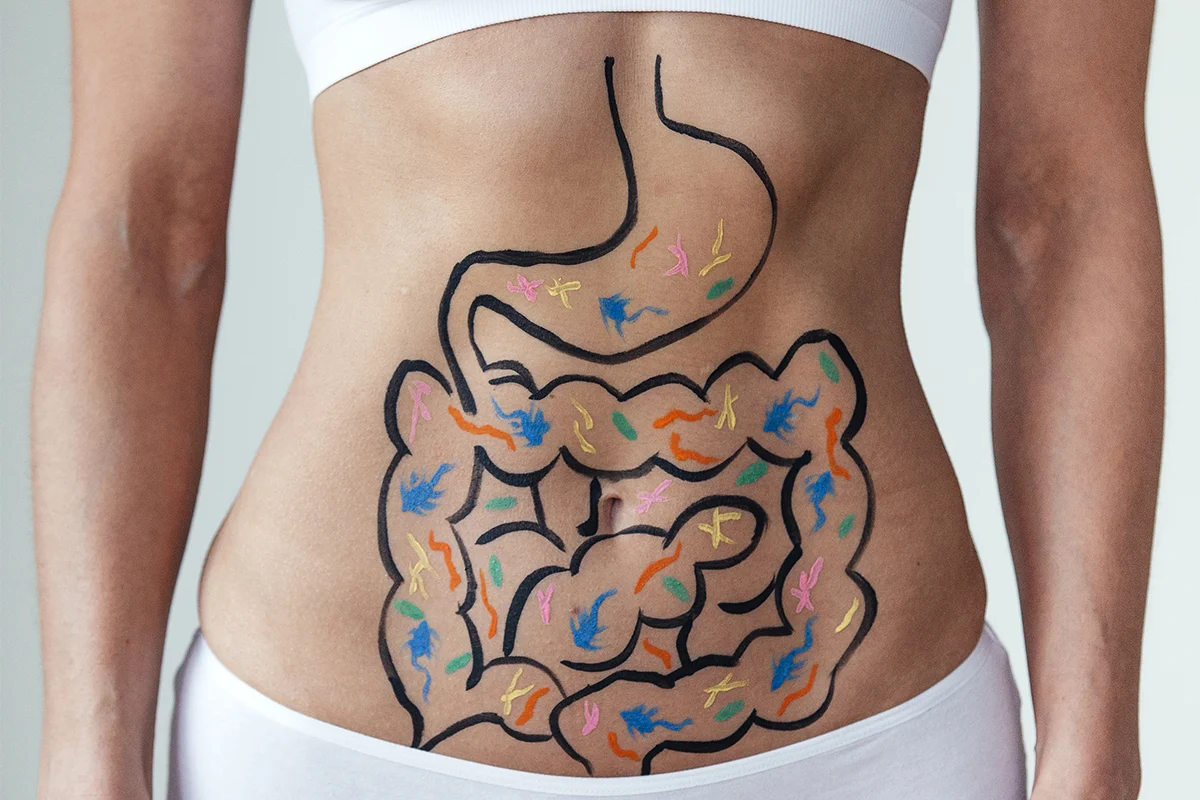
The human gastrointestinal tract houses trillions of microorganisms—bacteria, fungi, and viruses—collectively known as the gut microbiome. This ecosystem is not static; it is highly dynamic, reacting in real-time to the fuel it receives.
The Whole Food Advantage
Nutrient density is the cornerstone of microbial diversity. Whole foods, including vegetables, legumes, fruits, and intact grains, provide the necessary substrate for beneficial bacteria to flourish. Unlike processed foods, which are often stripped of fiber and laden with emulsifiers that may compromise the gut lining, whole foods provide the complex carbohydrates that feed the “good” bacteria, allowing them to produce short-chain fatty acids (SCFAs) like butyrate, which are critical for colon health.
The Fiber Paradox
Fiber is arguably the most neglected nutrient in the Western diet. Current clinical guidelines suggest that the average adult consumes less than half of the recommended daily intake of fiber. This deficit is a major contributor to the rise in digestive disorders. Fiber acts as a prebiotic, serving as the essential fuel for microbial fermentation. Without adequate fiber, the microbiome’s structural integrity weakens, leading to dysbiosis—a state of microbial imbalance.
Hydration and Metabolic Function
Water is the medium through which all digestive processes occur. Proper hydration ensures the efficient movement of fiber through the gastrointestinal tract, preventing constipation and maintaining the mucosal barrier. Chronic dehydration can significantly alter the composition of the gut microbiota, leading to increased susceptibility to inflammation.
Chronology: The Evolution of Gut Health Science
To understand where we are today, it is necessary to examine the timeline of our understanding of the microbiome:
- 1990s–2000s: The Germ Theory Dominance. For decades, the medical community viewed bacteria almost exclusively as pathogens to be eradicated. Antibiotic use was the standard, often without regard for the collateral damage inflicted upon the microbiome.
- 2007: The Human Microbiome Project (HMP). Launched by the National Institutes of Health (NIH), this initiative marked a turning point, mapping the healthy human microbiome and providing the first comprehensive view of the “microbial organ.”
- 2010–2018: The Supplement Boom. As research popularized the concept of "good bacteria," the nutraceutical industry surged. Probiotic pills, powders, and fermented waters became household staples, often marketed as panaceas for bloating, skin issues, and mood disorders.
- 2019–Present: The Era of Foundationalism. Contemporary clinical research has begun to push back against the "supplement-first" mentality. Large-scale longitudinal studies have demonstrated that while probiotics can provide temporary, targeted relief, they fail to induce long-term shifts in the microbiome composition compared to persistent, high-fiber dietary patterns.
Supporting Data: Supplementation vs. Consistency
Clinical data indicates that the "quick fix" approach is statistically inferior to sustained dietary habits. A meta-analysis published in the Journal of Gastroenterology highlighted that patients who increased their intake of diverse plant-based foods over a 12-week period showed a 30% greater increase in microbial alpha-diversity compared to those who maintained a standard diet while adding a daily multi-strain probiotic.
The Cost of Inconsistency
One of the most overlooked factors in gut health is the stability of dietary input. The human microbiome adapts to the fuel it is given. When individuals engage in "yo-yo dieting"—frequent, sudden shifts between high-protein, low-fiber, and restrictive ketogenic-style protocols—the microbiome is forced into a state of constant, stressful adaptation.
Data suggests that "dietary whiplash" is a primary driver of gastrointestinal distress. The microbiome requires a predictable environment to thrive. When the fuel source changes abruptly, the microbial population that was adapted to the previous diet dies off rapidly, potentially causing acute inflammation and malabsorption issues.
Official Responses: What the Experts Say
Leading gastroenterologists and nutrition researchers are increasingly vocal about the need for a paradigm shift. Dr. Elena Rodriguez, a specialist in digestive health, notes: “There is a significant misconception that you can supplement your way out of a poor diet. A probiotic is a drop in the ocean compared to the trillions of bacteria already living in your gut. If you are not providing the right substrate—fiber, polyphenols, and water—that probiotic will simply pass through your system without establishing a foothold.”
The consensus from the American College of Gastroenterology emphasizes that while probiotics have a role in treating specific conditions—such as antibiotic-associated diarrhea or IBS—they are not a substitute for a diverse, fiber-rich diet. The focus, according to recent clinical briefings, should be on "microbiome-friendly" lifestyles rather than "microbiome-boosting" pills.
Implications: The Future of Wellness
The realization that gut health is a byproduct of consistency rather than consumption has profound implications for the wellness industry, public policy, and personal health management.
The Death of the "Quick Fix" Mentality
Consumers are increasingly suffering from "supplement fatigue." The implication of current findings is a move toward a more disciplined, minimalist approach. By focusing on whole foods, the reliance on expensive, often unverified supplements will likely decrease, saving consumers money while yielding superior physiological results.
Personalized Nutrition
As we move forward, the focus will shift from generic advice to personalized microbiome profiles. However, the foundational advice will remain unchanged: before attempting to alter one’s microbiome with specialized strains, one must first provide the basic building blocks of microbial life.
Public Health Policy
If the primary driver of gut health is the consumption of whole, high-fiber foods, then public health initiatives must pivot toward improving access to fresh produce. The rise in autoimmune diseases and chronic inflammatory conditions is linked to the rise in processed food consumption. If we are to improve the national health trajectory, the "gut health" conversation must be integrated into policies regarding food security and nutritional education.
Summary of Recommendations for the Client
For those seeking to optimize their gut health, the path forward is clear:
- Prioritize Fiber Diversity: Aim for 30 different plant-based foods per week to encourage microbial variety.
- Consistency Over Intensity: Small, sustainable changes in dietary habits are more effective than aggressive, short-term dietary interventions.
- Hydration as a Protocol: Treat water intake with the same importance as macronutrient tracking.
- Evaluate Supplements Critically: View supplements as an addition to a robust diet, not as a replacement for the lack thereof.
In conclusion, the quest for a healthy gut is not a sprint facilitated by the latest supplement trend, but a marathon of consistent, intentional nourishment. By returning to the basics of whole-food nutrition and respecting the need for metabolic stability, individuals can cultivate a resilient microbiome that supports overall health for a lifetime. The evidence is overwhelming: the most sophisticated tool in your wellness kit is not a pill, but the discipline to eat well, every day.