





By Nayeli R. Hevezi
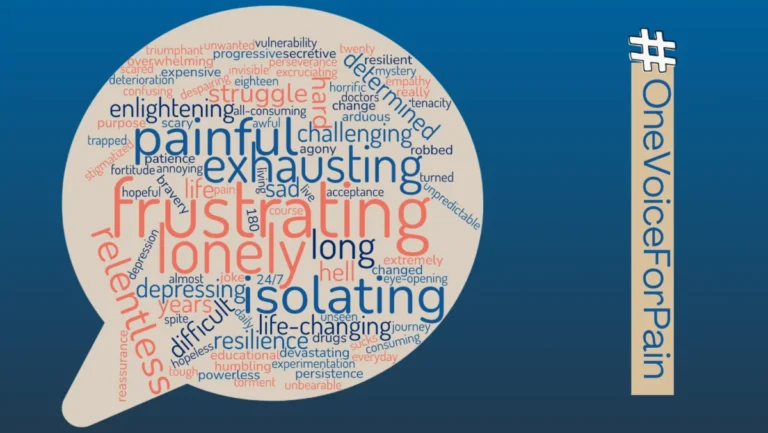
For millions of adolescents worldwide, the transition from childhood to adulthood is punctuated not only by the typical anxieties of academic pressure and social navigation but by the relentless, invisible weight of chronic pain. It is an exhausting, frustrating companion—one that often demands that life be lived within the narrow confines of physical capacity. Yet, as the world grapples with its own existential crises, from climate instability to global uncertainty, those living with chronic illness are redefining what it means to lead a meaningful life. The narrative is shifting: pain is a condition, not an identity.
The Invisible Burden: Chronic Pain in the Adolescent Experience
Chronic pain in teenagers is a complex, multifaceted phenomenon that often goes misunderstood by peers, educators, and even medical professionals. Unlike acute pain, which serves as a warning signal for injury, chronic pain persists, often outlasting the healing process or existing without a clear, singular diagnostic origin.
For a teenager, this constant physical discomfort forces a radical restructuring of daily life. The simple act of attending school, participating in extracurricular activities, or even socializing becomes a tactical decision. Every plan is predicated on the question: "Will I be well enough?" This state of hyper-vigilance creates a "life by proxy," where the spontaneity of youth is replaced by a rigid schedule of symptom management.
However, a growing movement of young advocates is challenging the notion that chronic pain must be the focal point of their existence. The realization that one is "allowed" to pursue joy, creativity, and connection—despite the physical toll—is a powerful act of defiance against the limitations of the body.
A Chronology of Resilience: From Coping to Creative Expression
The journey toward reclaiming autonomy often begins with finding a creative outlet—a mechanism to externalize the internal struggle. For many, the turning point occurs when they stop viewing their pain as a barrier to their passions and start viewing it as a catalyst for their perspective.
2023–2024: The Birth of a Literary Voice
In the pursuit of processing these experiences, the act of storytelling has become a vital therapeutic tool. The writing of a debut novel, Annotation, serves as a prime example of how the adolescent experience can be transmuted into art. By centering a narrative on a teenager navigating the nuances of chronic pain within the framework of a rom-com, the boundary between "the patient" and "the protagonist" is blurred.
This creative process was not merely a hobby; it was an intentional effort to provide a mirror for other teenagers. It is a testament to the idea that even when the world feels overwhelming, there is room to craft a "safe escape." The novel serves as a vessel for the emotional complexity of the chronic pain experience, proving that a diagnosis does not silence a creative voice.
Autumn 2024: Building the "Bookstagram" Community
The desire for connection led to the creation of an Instagram book account, a digital space that quickly evolved into a robust support network. By tapping into the global "Bookstagram" community, many teenagers have found that their interests are not defined by their health status.
This digital migration allowed for the curation of a community based on shared passions rather than shared suffering. However, the unexpected benefit was the discovery of a niche within that community: peers who also live with chronic illness. This shift from isolation to community—a vital stage in the social development of any teenager—has proven that the internet can be a lifeline for those whose physical mobility is limited by their health.
Supporting Data: The Vital Role of Social Connection
The impact of social support on health outcomes is well-documented, yet its importance for teenagers with chronic pain is often overlooked in traditional medical settings. According to recent surveys and psychological studies on adolescent chronic pain:
- Social Isolation: Adolescents with chronic pain report a significantly higher rate of perceived isolation compared to their healthy peers. This isolation is a primary driver of depression and anxiety, which, in turn, exacerbates the perception of pain.
- The Power of Empathy: Peer-to-peer connection is consistently rated as one of the most effective "non-pharmacological" interventions. Conversations with those who have lived experience provide a level of validation that clinical settings often fail to deliver.
- The "Flare-Up" Buffer: Research suggests that having a robust support system can lower cortisol levels, potentially reducing the frequency or severity of pain flares. The "heartwarming" effect of empathetic friendship acts as a buffer against the physiological stress of living with a chronic condition.
While the medical community focuses on pharmaceutical and physical therapy interventions, the psychological data underscores that a teenager’s sense of belonging is a key pillar of their recovery and long-term well-being.
Official Perspectives: The Gap in Care
Despite the prevalence of chronic pain among the youth, there remains a glaring disparity in how it is addressed. Medical researchers acknowledge that the field is nowhere near the level of understanding required to provide comprehensive care.
The Diagnostic Deficit
Current healthcare models are often designed for acute, curative care. When a teenager presents with chronic pain that does not fit neatly into diagnostic boxes, they are frequently met with skepticism or, worse, told that their pain is "all in their head." This invalidation can lead to a breakdown in the patient-provider relationship, causing patients to withdraw from the medical system entirely.
Advocacy and Policy
Health advocates are increasingly calling for:
- Multidisciplinary Clinics: Integrating pain management with mental health support to address the holistic needs of the teenager.
- Increased Funding: Shifting research focus from purely pharmacological solutions to include social, psychological, and lifestyle-based management strategies.
- Educational Reform: Ensuring that school systems are equipped to support students with fluctuating physical needs without compromising their academic potential.
Implications: A Shift in Perspective
What does it mean for the future of adolescent health if we center the narrative around "sweetness" and "whimsy" rather than just the pathology of pain?
The implications are profound. When a teenager realizes that their pain does not define them, they shift from a position of passive suffering to one of active living. This psychological shift—often referred to in therapeutic circles as "radical acceptance"—allows the individual to engage with the world in a way that is meaningful to them.
Finding Whimsy in the Face of Hardship
The search for "the little things" is not an act of ignorance toward the severity of one’s condition. Rather, it is a strategic management of one’s emotional landscape. By identifying hobbies—whether it be literature, art, digital community building, or advocacy—teenagers can create a "buffer zone" where their identity is rooted in their accomplishments and passions rather than their symptom count.
The Long-Term Outlook
As these teenagers grow into young adults, the skills they develop today—resilience, community building, and creative self-expression—will serve them well beyond their formative years. The hope is that the systems supporting them will catch up to their maturity. Until then, the onus remains on the community to continue to foster spaces where teenagers with chronic pain can be seen, heard, and celebrated for the totality of their character.
Conclusion
Chronic pain is an undeniably difficult reality, a weight that can often feel as though it is obscuring the beauty of the world. However, as demonstrated by the experiences of countless young people today, it is not an insurmountable barrier to a life of joy. Through the creation of art, the building of deep and meaningful friendships, and the refusal to let illness dictate one’s boundaries, teenagers are writing a new script for their lives.
Our pain does not have to be the headline of our stories. By allowing ourselves to find hobbies that distract us, passions that fuel us, and friends who empathize with us, we invite a sense of whimsy and wonder back into our lives. In doing so, we prove that even when the body is in pain, the spirit can remain vibrant, creative, and fully alive. The world may be a challenging place, but it remains a place where, even in the midst of a flare-up, there is light to be found.