







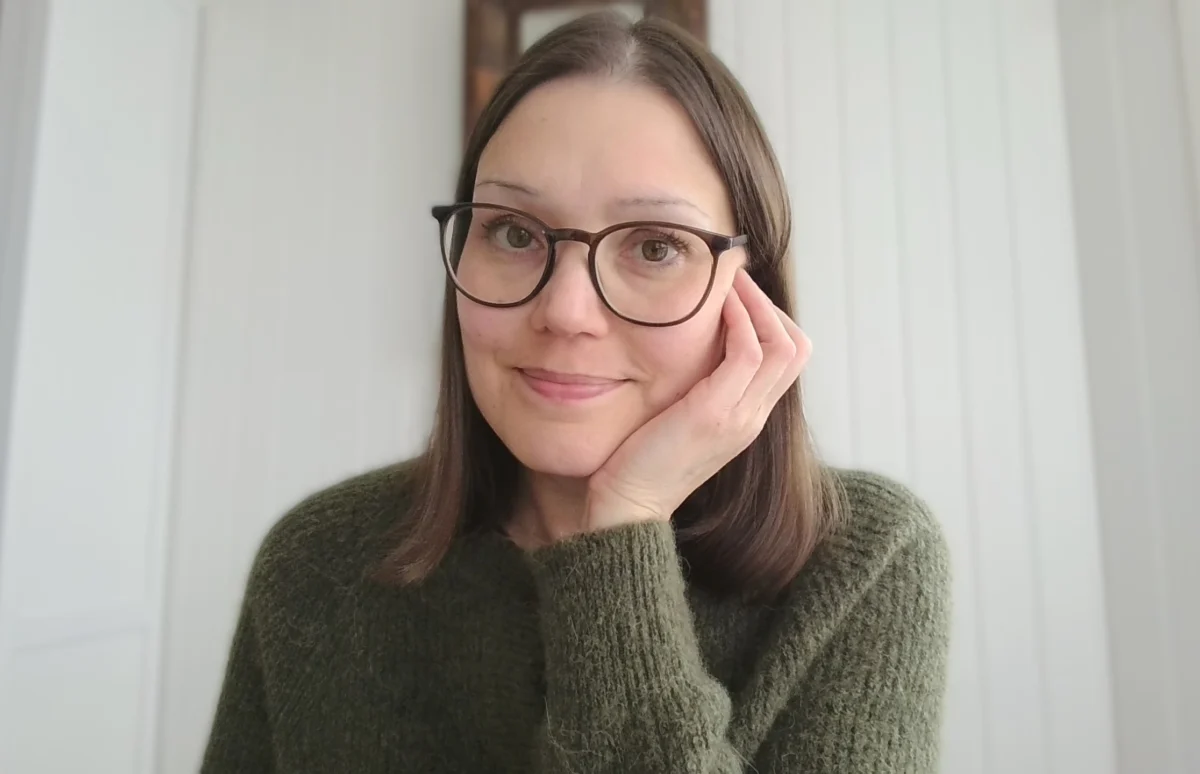
For decades, medical science has focused on the biological markers of respiratory health—lung function tests, CT scans, and sputum cultures. Yet, for those living with rare, chronic conditions like Primary Ciliary Dyskinesia (PCD), the clinical data often fails to capture the profound psychological and social landscape of the disease. In a recent issue of Breathe, the clinical educational publication of the European Respiratory Society (ERS), patient advocate Tanja Hedberg offers a candid, deeply personal account of life with a condition that defies simple clinical categorization. Her story serves as a bridge between the sterile environment of the clinic and the lived reality of the patient, urging a shift toward more holistic, compassionate care.
The Reality of Primary Ciliary Dyskinesia (PCD)
Primary Ciliary Dyskinesia is a rare genetic disorder that affects the microscopic, hair-like structures—cilia—that line the respiratory tract, sinuses, and ears. When these cilia fail to function, the body cannot effectively clear mucus, leading to a lifetime of recurrent, often debilitating pulmonary infections.
For Tanja Hedberg, 48, living in northern Sweden, this reality has been the defining narrative of her existence. Having been colonised by Pseudomonas aeruginosa early in life, her daily regimen involves grueling, uninterrupted antibiotic treatments and specialized airway clearance routines. But as Hedberg notes, the condition is far more than a respiratory failure; it is a systemic challenge that touches upon fertility, emotional resilience, and the fundamental construction of one’s identity.
A Chronology of Uncertainty: From Misdiagnosis to Empowerment
Hedberg’s journey is a sobering reminder of the diagnostic odyssey often faced by patients with rare diseases. For years, her symptoms were conflated with those of Cystic Fibrosis (CF). While the clinical intent—to provide the best available standard of care—was noble, the application of CF-specific treatment protocols proved ineffective for her specific PCD variant, CCDC39.
The Weight of "Hidden" Symptoms
Before a definitive diagnosis was reached, Hedberg lived in a state of suspended uncertainty. She recalls the exhausting cycle of persistent infections despite strict adherence to prescribed therapies. Because her treatment didn’t yield the expected results, the implicit assumption from medical professionals was often that she was not "doing it right." This created a toxic narrative of blame, where the patient’s failure to improve was interpreted as a failure of compliance rather than a failure of diagnosis.
The Turning Point
Receiving a diagnosis was, in Hedberg’s words, "transformative." It provided a name for the enemy, effectively separating her self-worth from her clinical outcomes. The validation provided by a diagnosis allowed her to stop questioning her own discipline and start questioning the assumptions of the medical system. However, this relief was tempered by the realization that she had to become her own expert. In the world of rare diseases, the burden of education often falls on the patient, as clinicians may have little prior experience with specific genetic variants.
The Psychological Landscape of Chronic Illness
A significant portion of Hedberg’s reflection focuses on the often-overlooked intersection of respiratory health and mental wellbeing. In her younger years, the shame of being "different" and the trauma of constant hospitalizations led her to adopt a rigid, perfectionist approach to self-management. She viewed her illness as a weakness to be conquered rather than a reality to be managed.
The Shift Toward Acceptance
The turning point came when the physical and emotional toll of managing her condition—including discussions of potential lung transplantation—triggered severe anxiety and panic. By seeking professional psychological support, Hedberg began to dismantle the idea that she had to carry the burden of her illness in isolation.
Today, she describes her relationship with PCD as one of "peaceful coexistence." She emphasizes that the sadness and frustration associated with chronic illness are not signs of failure; they are entirely normal human responses to a highly abnormal, demanding situation. By embracing self-compassion, she has moved from a state of constant, exhausting battle to one of sustainable, resilient management.
Clinical Implications: A Call for Patient-Centered Practice
Hedberg’s contribution to Breathe is not merely a personal memoir; it is an advocacy document designed to shift clinical perspectives. Her insights offer a roadmap for healthcare professionals looking to improve patient outcomes.
1. The Humility of Medical Knowledge
Hedberg urges clinicians to acknowledge the limitations of current medical understanding. In rare conditions, the patient’s lived experience is often a leading indicator. When a patient reports that a standard protocol is not working, the first step should not be to double down on the protocol, but to listen to the patient’s observations. A "humble" clinical approach, which prioritizes the patient’s input alongside evidence-based practice, is essential to maintaining trust.
2. Monitoring Subtle Indicators
One of the most critical takeaways from Hedberg’s experience is the importance of "subtle cues." She notes that many patients can identify the onset of a pulmonary exacerbation through behavioral or emotional shifts—lethargy, anxiety, or a shift in mood—long before those changes appear on a lung function test. Integrating these patient-reported insights into routine clinical assessments could allow for earlier intervention and more responsive care.
3. The Importance of Holistic Support
Healthcare systems must recognize that a patient is not a collection of organs. The "good quality of life" that Hedberg describes is not defined by the absence of symptoms, but by the ability to remain engaged in meaningful activities despite those symptoms. Whether it is enjoying time with a pet, connecting with loved ones, or pursuing intellectual interests like health psychology, these are the pillars that sustain a patient through the most difficult phases of their illness.
The Value of the "Patient Voice"
The publication of Hedberg’s article in Breathe reflects a growing movement within the European Respiratory Society to formalize the role of the patient voice. Breathe provides an open-access platform where high-quality clinical research meets the lived reality of those it serves. By inviting patients to share their narratives, the ERS is fostering a partnership that is critical for the future of respiratory medicine.
As Hedberg notes, "Encouragingly, growing collaboration between patients, researchers and clinicians is shaping research priorities and clinical care that reflect lived experiences and needs." This dialogue ensures that medical progress is not just technically sound, but practically applicable to the people who need it most.
Conclusion: A Future of Shared Knowledge
Tanja Hedberg’s story is a testament to the power of self-advocacy and the critical importance of being heard. Her journey from the isolation of an undiagnosed, mismanaged childhood to the empowered, reflective adult who now educates the medical community, highlights the transformative potential of the patient-clinician partnership.
For those living with similar chronic conditions, her message is clear: you are not alone, and your experience is valid. For healthcare professionals, the message is equally clear: the most sophisticated medical technology is only as effective as the relationship between the provider and the patient. By listening, validating, and staying open to the mysteries that still remain in medical science, clinicians can provide care that does more than just treat the lungs—it supports the person.
As we look toward the future of respiratory care, the inclusion of voices like Hedberg’s will be the key to ensuring that medicine remains a human endeavor, rooted in both the precision of science and the compassion of shared experience.