










Date: 16 April 2026
Subject: Global respiratory health advocacy and community initiatives
In the ever-evolving landscape of global health, the role of patient organisations has never been more critical. As we navigate the midpoint of 2026, respiratory health advocates are shifting the paradigm from passive awareness to active, integrated care. From the high-altitude clinics of Colombia to the nature-based wellness initiatives in Finland, patient-led organisations are bridging the gap between clinical research and daily patient experience. This month’s round-up highlights a diverse array of global initiatives aimed at tackling the burden of lung disease through education, policy advocacy, and community support.
Main Facts: The Pulse of Global Respiratory Advocacy
The current landscape of respiratory advocacy is defined by a common theme: the pursuit of early diagnosis and the reduction of stigma. This April, several key initiatives have taken center stage:
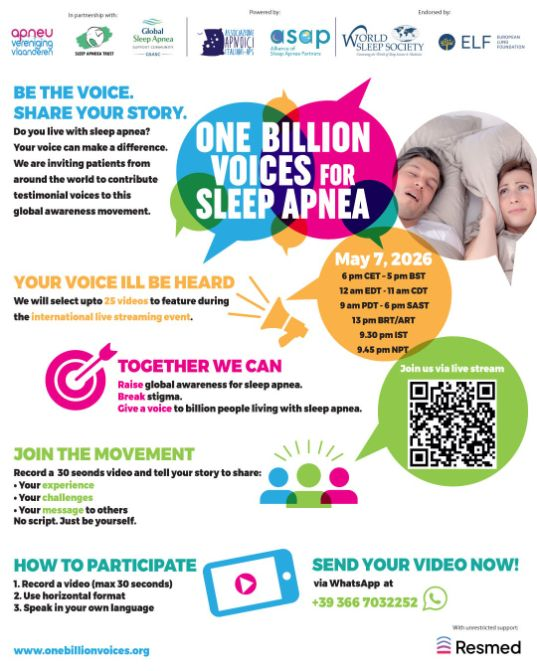
- Global Awareness: The "One Billion Voices for Sleep Apnea" campaign, spearheaded by the Associazione Apnoici Italiani (AAI) and the Alliance of Sleep Apnea Partners (ASAP), aims to address a condition that affects over one billion people worldwide, many of whom remain undiagnosed.
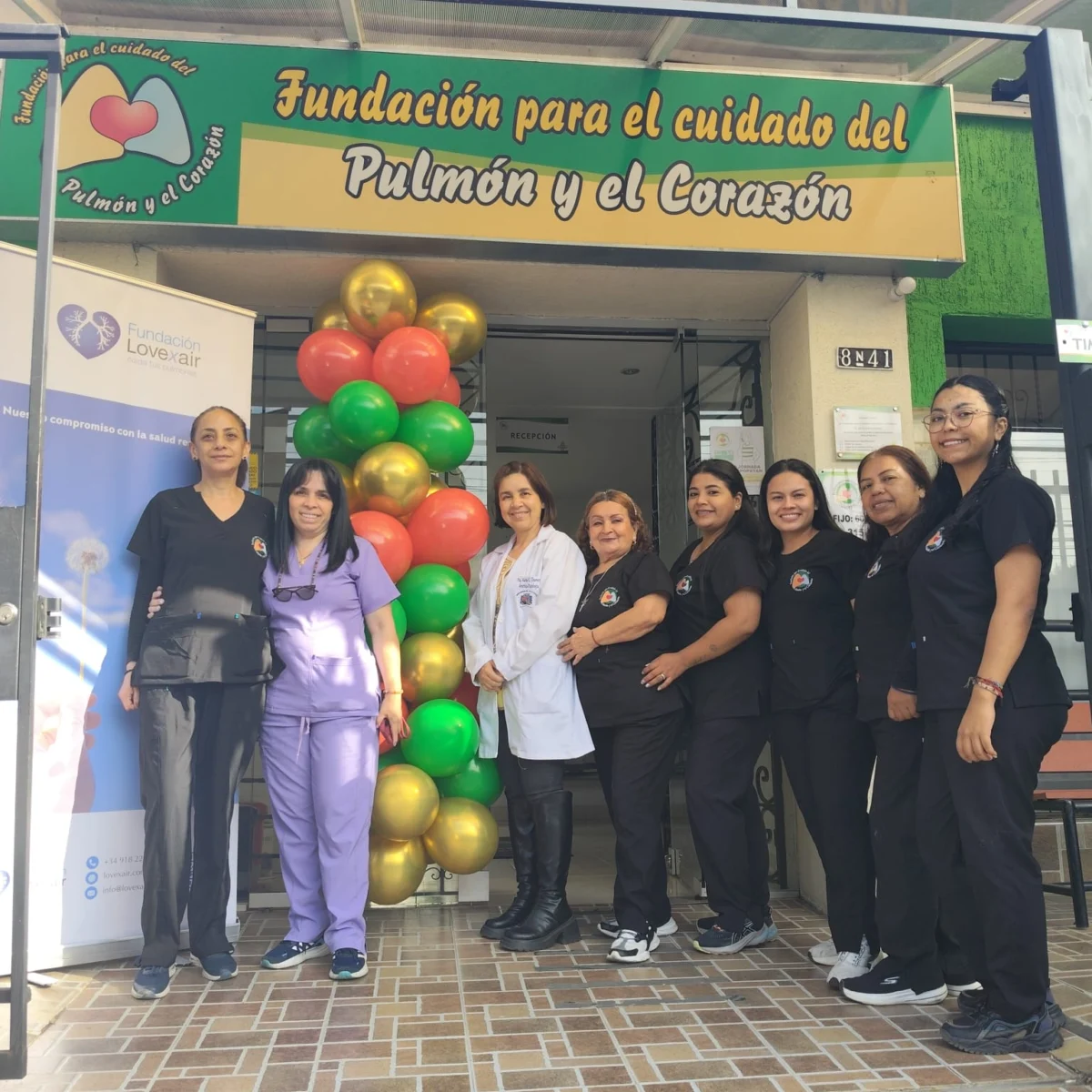
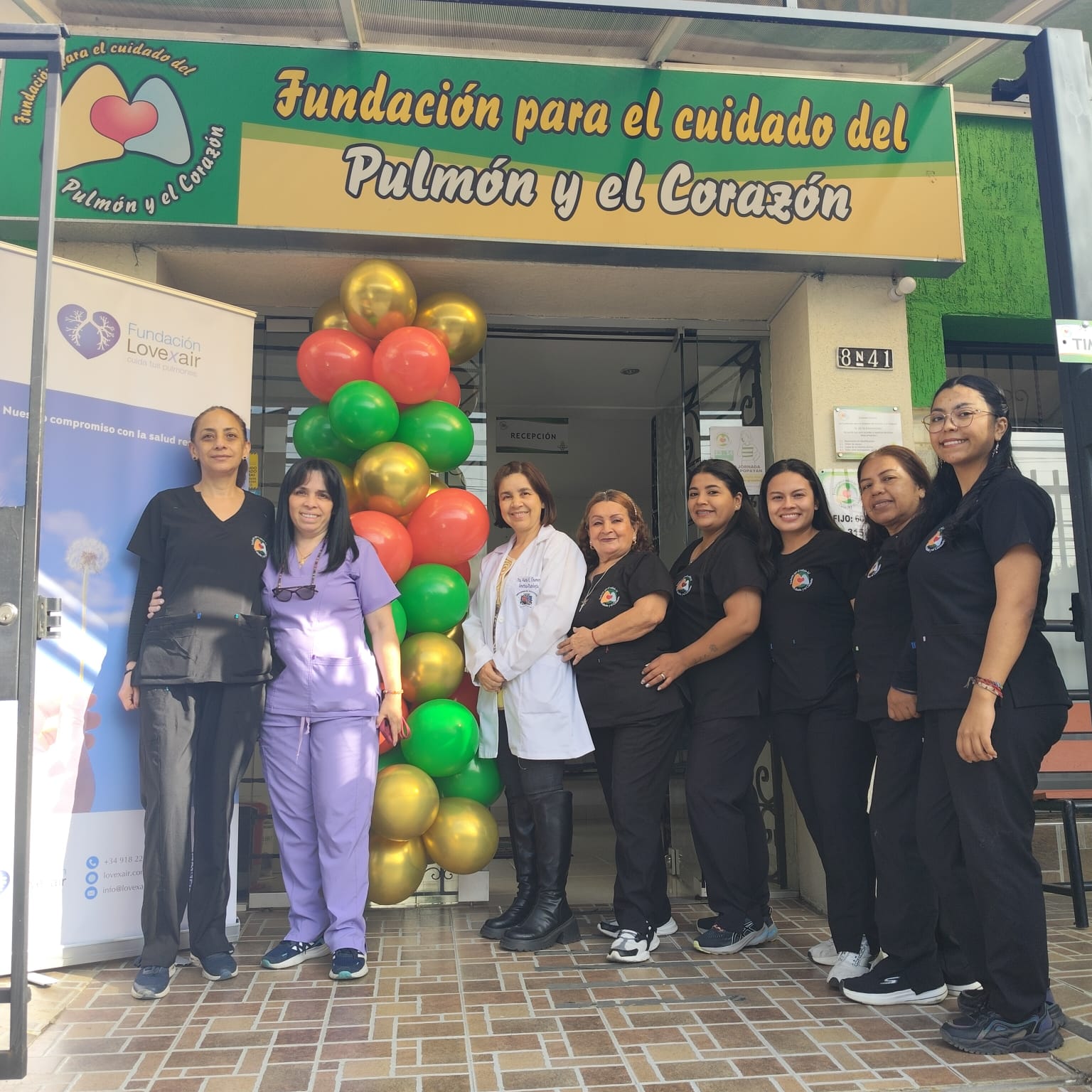
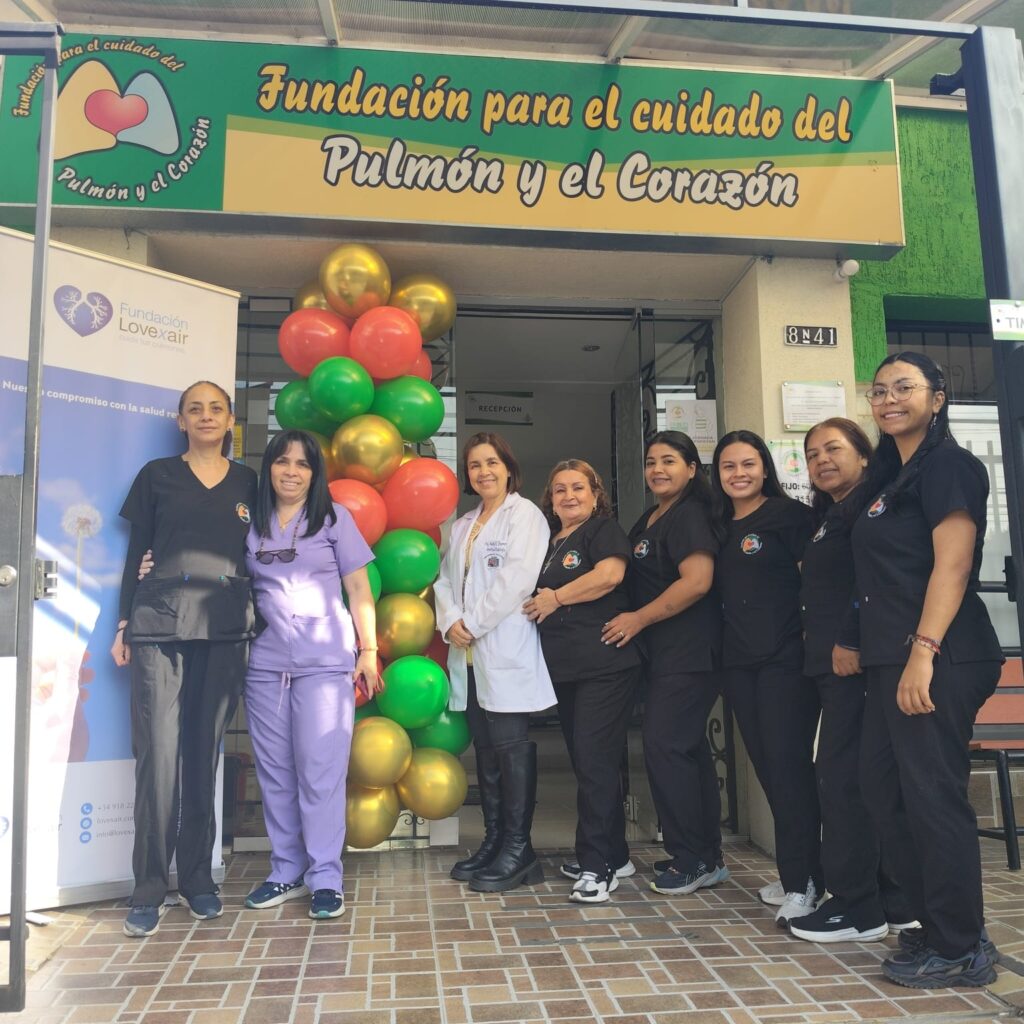
- Systemic Change: In Colombia, the Lovexair Foundation is successfully implementing an integrated asthma care model, demonstrating that targeted, community-based interventions can identify previously undiagnosed airway obstruction in high-risk populations.
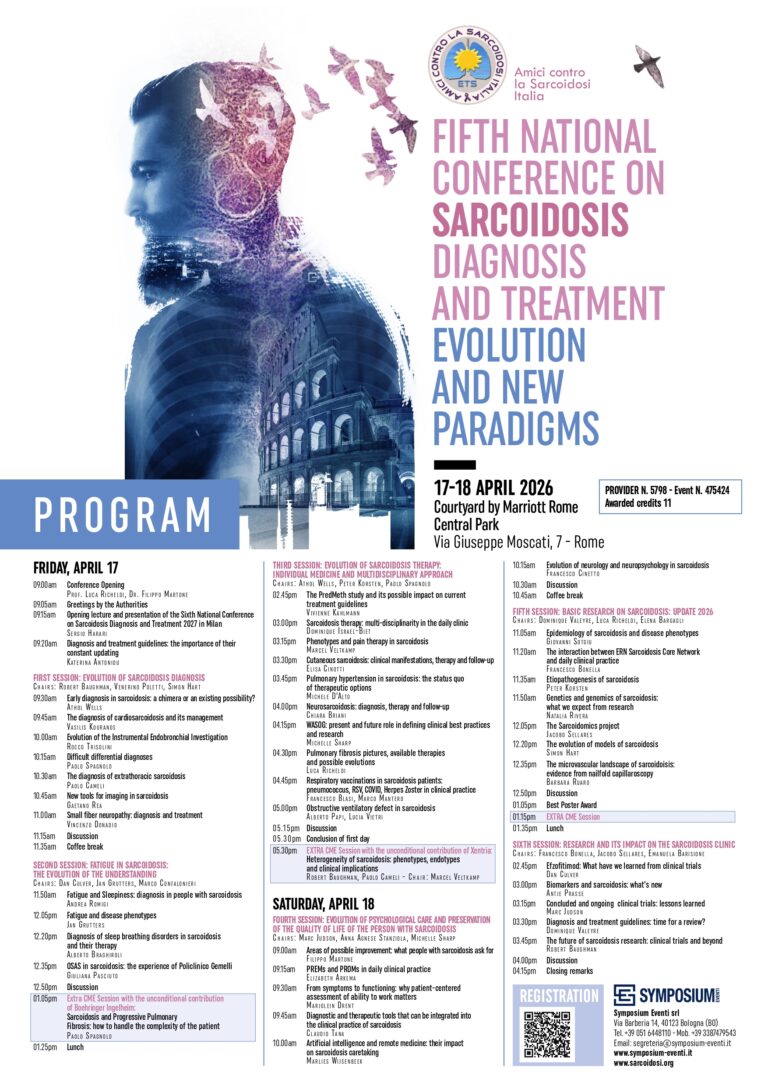
- Specialized Focus: Rare and chronic conditions are receiving renewed attention, with the Alpha-1 Europe Alliance launching "The Missing Piece" campaign for AATD, and ACSI hosting its 5th National Conference on Sarcoidosis in Rome.
- Integrated Wellness: New models of care are expanding beyond the hospital, as evidenced by the "Health from Nature" program in Finland and the professional training of Patient Navigators in Costa Rica.
Chronology: A Snapshot of April’s Major Initiatives
The following timeline details the rollout of these significant programs and events throughout the month:
- Early April: The Polish Federation of Asthma, Allergies and COPD Patients’ Associations presents the "My Life with COPD" report at the Patients’ Organization Forum in Warsaw, setting a tone for data-driven advocacy.
- 17–18 April: Amici Contro la Sarcoidosi Italia (ACSI) convenes the 5th National Conference on the Diagnosis and Treatment of Sarcoidosis in Rome, providing a crucial platform for both clinicians and patient cohorts.
- Ongoing throughout April: The Maternal RSV campaign by Respiriamo Insieme continues its multi-platform digital rollout to support parents from pregnancy onward.
- 7 May (Upcoming): The global livestream event for "One Billion Voices for Sleep Apnea" will occur, serving as the culmination of the month’s awareness efforts.
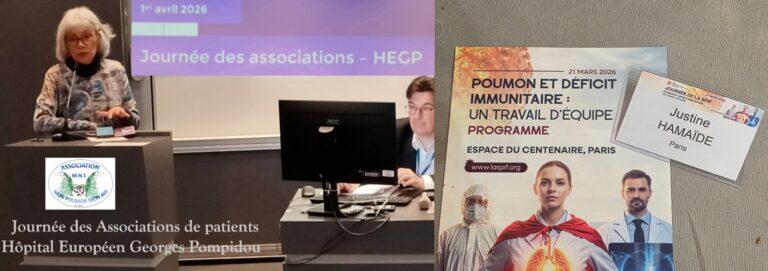
- Late April: Continued training and collaborative sessions between MNT Mon Poumon Mon Air and the Society of Pneumology of Île-de-France (SPIF) emphasize the integration of patient advocacy into professional medical societies.
Supporting Data: Why These Initiatives Matter
The necessity of these campaigns is underscored by stark epidemiological data regarding respiratory health.
The Sleep Apnea Crisis
Sleep apnea is a significant, yet largely silent, public health crisis. With over one billion individuals affected globally, the economic and health-related costs are staggering. The "One Billion Voices" initiative is not merely a social media campaign; it is an attempt to force a change in diagnostic pathways. By inviting patients to share 30-second stories, the campaign humanizes the data, making the necessity for sleep studies and accessible CPAP therapy undeniable to institutional stakeholders.
The Burden of COPD and Asthma
In Poland, the "My Life with COPD" report highlights that clinical metrics often fail to capture the psychological and social erosion caused by chronic lung disease. Similarly, the Lovexair Foundation’s work in Colombia serves as a powerful case study for low-to-middle-income regions. By reaching over 200 participants in a localized pilot, the foundation discovered that a significant percentage of the population was living with poorly controlled or entirely undiagnosed asthma. This data is now being funneled into future public health strategies for the Colombian government.
Official Responses and Strategic Directions
Patient organisations are no longer operating on the periphery; they are increasingly acting as partners to medical institutions and governing bodies.

Strengthening Medical-Patient Collaboration
The work of MNT Mon Poumon Mon Air in France serves as a template for professional collaboration. By presenting directly to the Society of Pneumology of Île-de-France, the organisation has shifted the conversation from "what patients want" to "how we can improve care pathways together." This professionalization of advocacy ensures that the patient perspective is embedded in the training of new specialists.
The Evolution of the "Patient Navigator"
The certification of Leidy Maritza in Costa Rica as a "Patient Navigator" represents a transformative shift in patient support. Navigators act as the "connective tissue" between complex healthcare systems and the families who need them. By formalizing this role, the Costa Rican Association for Pulmonary Hypertension is setting a regional standard for advocacy that prioritizes patient autonomy and health literacy.

Implications: The Future of Respiratory Care
The cumulative effect of these April 2026 initiatives suggests a shift toward three specific future trends in respiratory health:
1. The Democratization of Health Information
Whether through the maternal RSV website in Italy or the "Missing Piece" visual tools for AATD, there is a clear move toward simplified, accessible, and high-impact educational materials. The goal is to move the point of diagnosis as close to the patient as possible—in their homes, via social media, and through primary care.
2. The Integration of Holistic Wellness
The Finnish "Health from Nature" program, supported by Hengitysliitto, signals an emerging interest in "social prescribing." As healthcare systems face the rising costs of managing chronic lung conditions, the integration of non-pharmacological, nature-based interventions represents a sustainable, cost-effective approach to improving long-term patient outcomes.
3. Data-Driven Advocacy
The Polish "My Life with COPD" report and the findings from the Lovexair Foundation in Colombia highlight that patient organisations are now becoming producers of high-quality, real-world evidence. By collecting qualitative data on the lived experience of disease, these groups are providing policymakers with the "human dimension" required to make informed budgetary and legislative decisions.
Conclusion: A Call to Action
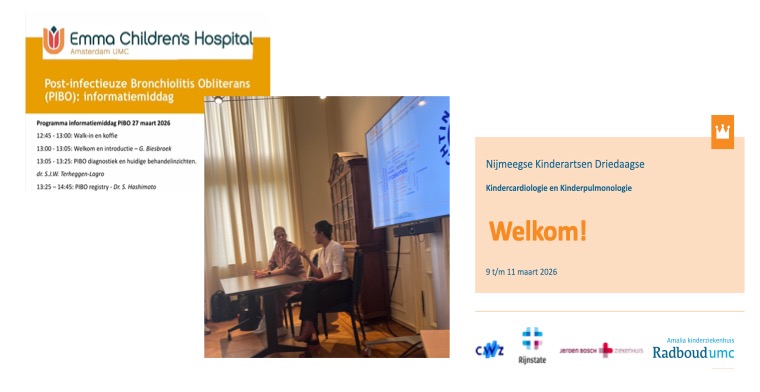
The activities of this past month demonstrate that respiratory health is a global priority that transcends borders and clinical specialties. Whether dealing with rare conditions like PIBO in the Netherlands or widespread ailments like sleep apnea, the success of these organisations lies in their ability to unite the patient voice with scientific rigour.
As we look toward the remainder of 2026, the success of these campaigns will depend on sustained engagement. The European Lung Foundation (ELF) and its partners continue to provide the infrastructure for this global movement. We encourage all stakeholders—patients, caregivers, and healthcare professionals—to participate in the upcoming events, including the "One Billion Voices" event on 7 May.
For those wishing to stay informed, we invite you to join our mailing list. By subscribing, you gain access to the latest research, upcoming policy developments, and, most importantly, the ongoing narratives of the patients who are leading the charge for a healthier, more breathable world.
Your voice is the missing piece in the global respiratory strategy. Ensure it is heard.