










Introduction: The Imperative of Lifestyle in a Changing World
As the world moves beyond the acute phases of the global health crisis that defined the turn of the decade, the conversation surrounding individual health has shifted from mere survival to the optimization of long-term wellness. The COVID-19 pandemic acted as a global stress test, exposing systemic vulnerabilities in food access, economic stability, and mental health. Yet, in the shadow of this disruption, a fundamental truth has re-emerged: the most potent tools for health often lie within our own daily habits.
While medical science continues to investigate the nuances of how nutrition and lifestyle influence immune resilience against viral pathogens, the established data on chronic disease prevention remains robust and irrefutable. To support the public in navigating these complex times, experts have synthesized decades of research into a cohesive framework for healthy living. This article explores the evidence-based habits that define longevity, the implications of these choices for our aging population, and the resources available to help integrate these practices into modern, fast-paced lives.
The Main Facts: The Pillars of Longevity
Research conducted by leading public health institutions has consistently identified five "pillars" of a healthy lifestyle. These habits are not merely suggestions for wellness but are statistically linked to significantly lower mortality rates and a reduced incidence of non-communicable diseases.
- Nutritious Dietary Patterns: Focusing on whole, plant-forward foods, lean proteins, and healthy fats while minimizing processed sugars and refined grains.
- Consistent Physical Activity: Engaging in moderate-to-vigorous exercise regularly to maintain cardiovascular health and metabolic function.
- Maintenance of Healthy Body Weight: Sustaining a Body Mass Index (BMI) within a healthy range to mitigate systemic inflammation and strain on vital organs.
- Moderate Alcohol Consumption: Limiting intake to prevent hepatic strain and secondary health complications.
- Tobacco Abstinence: Total avoidance of smoking, which remains the leading cause of preventable death globally.
Adopting these five habits is not merely about adding years to one’s life; it is about "healthspan"—the number of years an individual lives in good health, free from the debilitating effects of chronic disease.
Chronology: From Crisis to Proactive Health Management
The trajectory of health awareness over the past few years has been transformative.
- 2020: The Period of Disruption: The onset of the pandemic forced a sudden shift in daily routines. With gyms closed, food supply chains strained, and remote work becoming the norm, the baseline for "healthy living" was upended. This created a spike in sedentary behavior and nutritional instability.
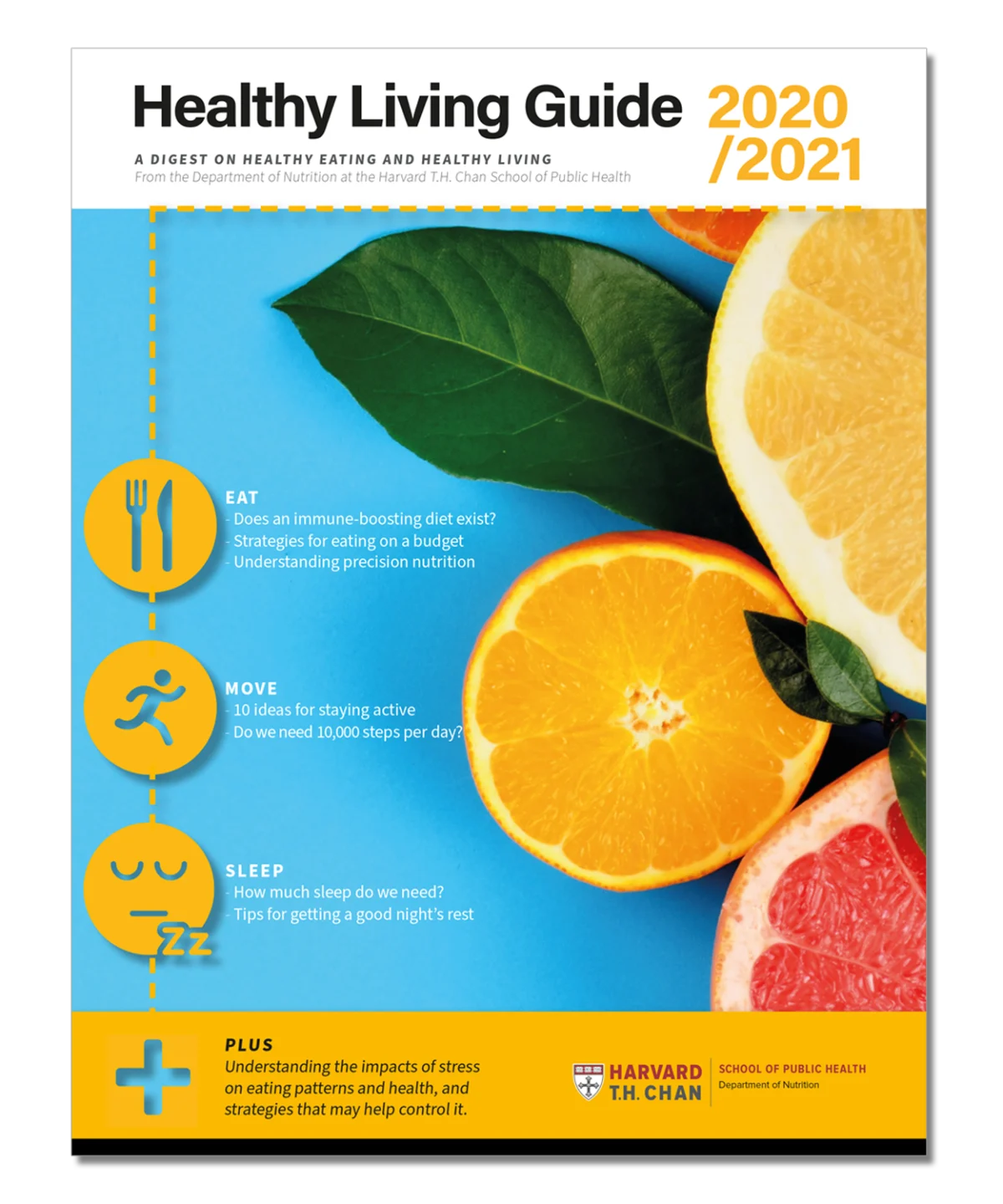
- 2021: The Pivot to Resilience: Recognizing the need for structured guidance, public health experts began curating resources like the Healthy Living Guide. This period marked a transition where public health messaging moved away from pure crisis management toward empowering individuals with actionable, home-based health strategies.
- 2022–Present: The Integration Phase: As the world has stabilized, the focus has shifted toward institutionalizing these healthy habits. Current initiatives, such as the Healthy Living Bingo Challenge and printable resource guides, reflect a growing consensus that gamification and accessible, low-barrier entry points are essential for long-term behavior change.
Supporting Data: Why Lifestyle Outperforms "Quick Fixes"
The scientific literature regarding these five habits is profound. Harvard-led research, for instance, has demonstrated that individuals who adhere to these five habits can extend their life expectancy by more than a decade compared to those who do not.
The Impact on Chronic Disease
The data on chronic disease prevention is particularly compelling. A study published by the Harvard T.H. Chan School of Public Health found that middle-aged adults who adopted these five habits significantly increased their "disease-free years." Specifically, the risk of developing:
- Type 2 Diabetes: Risk is reduced by as much as 80% through diet and weight management.
- Cardiovascular Disease: Consistent exercise and smoking cessation can reduce heart-related mortality by over 60%.
- Cancer: Adherence to healthy lifestyle patterns has been shown to reduce the incidence of various cancers by approximately 30% to 40%.
These statistics underscore a vital point: chronic diseases are not inevitable byproducts of aging. They are, in large part, the cumulative result of lifestyle choices made over several decades. By intervening early—or even in mid-life—individuals can alter their physiological trajectory.
Official Responses and Expert Guidance
Public health authorities have responded to the ongoing health challenges by moving away from clinical, jargon-heavy mandates toward user-friendly, empathetic resources. The release of the Healthy Living Guide is a direct response to the "pandemic fatigue" that many have experienced.
A Holistic Approach to Wellness
The experts behind these guides emphasize that wellness is not a rigid prescription. It is a flexible framework designed to fit into a life that may be impacted by economic hardship or emotional distress. Official guidance now includes:
- Psychological Support: Acknowledging that emotional health is a prerequisite for physical health.
- Strategic Flexibility: Encouraging individuals to start with small, manageable changes—such as adding a vegetable to one meal or taking a daily walk—rather than attempting a total lifestyle overhaul overnight.
- Resource Accessibility: Providing printable PDF guides, tip sheets, and interactive challenges (like the Bingo Challenge) to ensure that socioeconomic status does not act as a barrier to health literacy.
Implications: The Future of Public Health
The implications of this shift toward lifestyle-based health management are vast. As global healthcare systems face the rising costs of an aging population, the focus on preventative health is no longer just a personal virtue; it is an economic necessity.
Moving Toward a Preventive Culture
If the general public adopts these five pillars, the collective burden on healthcare infrastructure would be drastically reduced. This would allow for a reallocation of medical resources toward those with acute needs and genetic predispositions that lifestyle cannot address.
The Role of Technology and Community
The integration of digital tools, such as printable trackers and online health portals, suggests that the future of public health lies in community-based reinforcement. When individuals feel part of a broader "wellness movement," their adherence to healthy habits increases. Whether through neighborhood walking groups, online recipe exchanges, or workplace wellness challenges, the social aspect of health is becoming recognized as a primary driver of success.
Conclusion: A Call to Action
The transition from 2020 into the present has been a period of significant hardship, but it has also served as a wake-up call regarding the fragility of our health. We now possess a clearer understanding of what it takes to live a long, vibrant life. The challenge lies in the execution.
It is easy to be overwhelmed by the "all-or-nothing" mentality that often accompanies New Year’s resolutions or health resets. However, the science clearly shows that it is the consistency of small, sustainable actions that yields the greatest rewards. By prioritizing nutrition, physical movement, weight management, and avoiding harmful substances, we are not just surviving; we are investing in a future of independence and vitality.
We encourage you to utilize the available tools—download the Healthy Living Guide, participate in the Healthy Living Bingo Challenge, and take that first small step toward a healthier version of yourself. Your future self will thank you for the efforts you make today.
Resources for Further Engagement:
- Download the printable Healthy Living Guide (PDF): [Link to Harvard Nutrition Source]
- Access the Healthy Living Bingo Challenge: [Link to Resource]
- Further Reading on Chronic Disease Prevention: [Link to Harvard Research Center]
Note: This article is intended for educational purposes and does not constitute medical advice. Please consult with a healthcare professional before making significant changes to your diet or exercise regimen.