











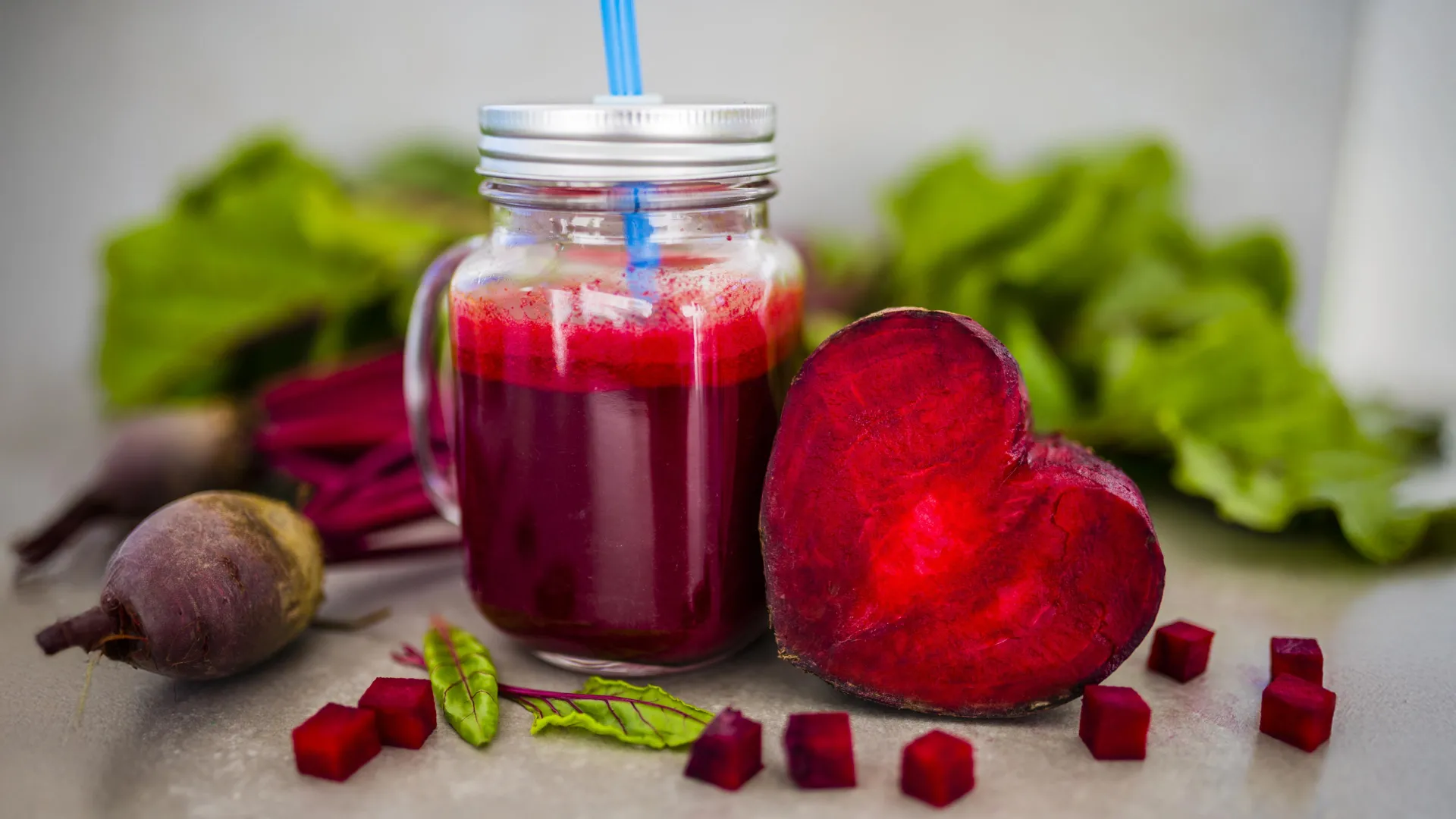
The secret to a healthier heart may not be found in the complex chambers of the cardiovascular system itself, but rather within the silent, microscopic ecosystem residing in our mouths. New research from the University of Exeter suggests that a simple, nitrate-rich dietary routine—specifically involving beetroot juice—can significantly lower blood pressure in older adults by fundamentally altering the oral microbiome.
This discovery provides a breakthrough in our understanding of "healthy aging." By identifying the mouth as a primary metabolic gateway for dietary nitrates, researchers have unveiled a potential strategy to mitigate the cardiovascular risks that often accompany the aging process, such as hypertension, heart attacks, and strokes.
The Core Findings: A Tale of Two Microbiomes
The study, published in the peer-reviewed journal Free Radical Biology and Medicine, represents one of the most comprehensive investigations into the intersection of dietary nitrate, oral bacterial populations, and vascular health.
The trial involved 75 participants divided into two distinct cohorts: 39 healthy adults under the age of 30 and 36 individuals in their 60s and 70s. Over a two-week period, participants followed a strict regimen, consuming either nitrate-rich beetroot juice or a nitrate-depleted placebo juice. After a two-week "wash-out" period to reset their biological baseline, the groups swapped protocols, allowing researchers to observe individual responses to both conditions.
The results were striking. While both age groups experienced shifts in their oral microbiomes, the clinical benefits—specifically blood pressure reduction—were exclusive to the older participants. This suggests that the physiological "machinery" responsible for converting dietary nitrate into heart-healthy nitric oxide is highly dependent on age-related microbial compositions.
Chronology of the Research Process
The journey to these findings involved a rigorous, multi-phase clinical approach supported by the NIHR Exeter Clinical Research Facility.
Phase 1: Baseline Assessment
Researchers first mapped the oral microbiomes of both age groups using advanced bacterial gene sequencing. At the outset, the older cohort presented with higher baseline blood pressure and a distinct bacterial profile compared to their younger counterparts.
Phase 2: The Nitrate Intervention
Participants were administered standardized doses of concentrated beetroot juice. During this phase, the nitrate is ingested and subsequently "processed" by oral bacteria, which reduce the nitrate into nitrite. This nitrite is then swallowed and converted into nitric oxide in the bloodstream.
Phase 3: The Wash-Out and Placebo
To ensure data integrity, the researchers implemented a two-week wash-out phase. This interval was critical, as it allowed the participants’ microbial populations to stabilize before the second phase, where they consumed a placebo juice—a version of the beetroot drink with the nitrate molecules chemically removed.
Phase 4: Comparative Analysis
Post-intervention data revealed that the older cohort experienced a statistically significant reduction in blood pressure following the nitrate-rich regimen, a phenomenon completely absent in the younger group and in the placebo trials.
Why the Mouth Matters: The Nitrate-Nitric Oxide Pathway
To understand the significance of these findings, one must look at the "Nitrate-Nitrite-Nitric Oxide" pathway. Nitrates, abundant in vegetables like beetroot, spinach, kale, arugula, fennel, and celery, are generally considered inert in their original state.
However, when these vegetables are chewed, the bacteria residing in the oral cavity—specifically in the deep crypts of the tongue—act as biological catalysts. They reduce the nitrate into nitrite. Once swallowed, this nitrite enters the acidic environment of the stomach and the bloodstream, where it is converted into nitric oxide.
Nitric oxide is a potent vasodilator; it signals the smooth muscles surrounding the blood vessels to relax. When vessels relax, they dilate, allowing blood to flow more freely and reducing the pressure against the arterial walls. As humans age, our natural ability to synthesize nitric oxide internally declines, which is a major contributor to age-related hypertension. The Exeter study proves that dietary nitrate acts as a "top-up" mechanism, but only if the oral microbiome is populated by the right bacterial strains.
Supporting Data and Microbial Shifts
The study’s analysis of the oral microbiome provided a high-resolution view of how beetroot juice reshapes the internal environment of the mouth.
- Reduction in Pathogenic Strains: In older adults, the consumption of beetroot juice was linked to a significant drop in Prevotella bacteria. In the context of this study, Prevotella were identified as potentially harmful, likely contributing to an inefficient nitrate-processing environment.
- Expansion of Beneficial Strains: Conversely, there was a surge in Neisseria—a genus of bacteria associated with improved metabolic health and efficient nitrate conversion.
- Consistency Across Research: These findings are corroborated by recent academic work. A 2025 randomized, double-blind study of 15 older adults with treated hypertension demonstrated that four weeks of nitrate-rich beetroot juice specifically increased Neisseria and decreased Veillonella. Another 2026 pilot study underscored the risks of "killing off" these helpers, finding that the use of antiseptic mouthwashes (like chlorhexidine) disrupts the entire nitrate-processing chain, effectively neutralizing the heart-healthy benefits of a leafy-green diet.
Official Responses and Expert Perspectives
The research has drawn praise for its innovative approach to gerontology and nutritional science.
Professor Anni Vanhatalo, a lead author of the study, emphasized the practical applications of the research:
"We know that a nitrate-rich diet has health benefits, and older people produce less of their own nitric oxide as they age. They also tend to have higher blood pressure. Encouraging older adults to consume more nitrate-rich vegetables could have significant long-term health benefits. The good news is that if you don’t like beetroot, there are many alternatives like spinach, rocket, fennel, celery, and kale."
Professor Andy Jones, co-author of the study, highlighted the potential for reduced inflammation:
"This study shows that nitrate-rich foods alter the oral microbiome in a way that could result in less inflammation, as well as a lowering of blood pressure in older people. This paves the way for larger studies to explore the influence of lifestyle factors and biological sex."
Dr. Lee Beniston FRSB, Associate Director for Industry Partnerships at the BBSRC, lauded the collaborative nature of the project:
"This research is a great example of how bioscience can help us better understand the complex links between diet, the microbiome, and healthy aging. By uncovering how dietary nitrate affects oral bacteria and blood pressure in older adults, the study opens up new opportunities for improving vascular health through nutrition."
Implications for Future Health Strategies
The findings of the Exeter team carry profound implications for how we approach preventive medicine.
1. The Era of Personalized Nutrition
The fact that younger adults did not see the same blood pressure reduction as older adults suggests that our nutritional needs evolve alongside our internal microbiomes. Future dietary advice may become highly personalized, where a clinician assesses a patient’s "oral profile" before prescribing specific dietary interventions.
2. Redefining Oral Hygiene
The research raises urgent questions about the indiscriminate use of antibacterial mouthwashes. If our oral bacteria are essential for heart health, aggressive sterilization of the mouth could, ironically, be detrimental to the cardiovascular system. Future oral hygiene products may need to be "microbiome-friendly," supporting beneficial bacteria while discouraging pathogens.
3. A Complementary Strategy, Not a Replacement
It is vital to note that researchers do not advocate for beetroot juice as a replacement for blood pressure medication. Instead, it should be viewed as a powerful, non-pharmacological tool that can support heart health. In the context of aging, where polypharmacy (the use of multiple medications) is common, dietary interventions offer a way to manage health with fewer side effects.
4. The Need for Further Study
While the current findings are compelling, the scientific community is already looking toward the next phase of research. Larger, long-term studies are required to understand why some individuals are "super-responders" to dietary nitrates while others are not. Researchers intend to investigate how factors like biological sex, pre-existing oral hygiene habits, and baseline microbiome diversity influence the efficacy of this "beetroot protocol."
Conclusion: A New Frontier in Preventive Care
The University of Exeter’s research fundamentally shifts the perspective on where health begins. By viewing the oral cavity not merely as a site for digestion, but as a critical laboratory for biochemical conversion, we open a new chapter in preventative care.
The message for the aging population is clear: the path to cardiovascular resilience may be paved with nitrate-rich vegetables. By nourishing the beneficial bacteria in our mouths, we are effectively outsourcing a portion of our body’s failing nitric oxide production to our microscopic residents. As we move toward a future of more personalized medicine, the humble beetroot stands as a potent symbol of how simple, natural interventions can yield profound, life-extending results.